
Varicose Veins of the Great Saphenous Vein: When Should Surgery Be Considered?
Varicose Veins of the Great Saphenous Vein: When Should Surgery Be Considered?
In life, we all know it's important to prevent great saphenous vein varicose veins, but if unfortunately afflicted, knowing when to undergo surgery is equally crucial. It's like driving a car—knowing when to turn and when to brake ensures you reach your destination smoothly. Today, let's talk about the situations where surgical treatment is generally recommended for great saphenous vein varicose veins.
Cancer significantly impacts daily life.
Imagine experiencing persistent pain, soreness, and heaviness in your legs every day—as if you're lugging around sandbags that just won’t budge no matter what. Even after trying rest, wearing compression stockings, or even taking medication, the discomfort remains unbearable, severely impacting your daily work and life. Take teachers, for example—they might find it unbearable to stand at the podium for even a short while, having to sit down after just a few minutes of lecturing. Walking any distance becomes exhausting, with fatigue setting in after just a few steps. Other patients may suffer from restless legs at night, unable to sleep due to the discomfort, leaving them drained and unproductive the next day, with work efficiency plummeting. In cases like these, surgery could be an effective solution to significantly improve quality of life.
Severe Varicose Veins
Currently, clinicians commonly use the CEAP classification to assess the severity of varicose veins. The CEAP system is an internationally recognized, scientifically comprehensive framework for evaluating venous disorders. It analyzes varicose veins across four key dimensions: Clinical (C) (symptoms), Etiologic (E) (causes), Anatomic (A) (affected anatomical sites), and Pathophysiologic (P) (underlying pathophysiological mechanisms). However, what most patients—and what we’ll focus on today—are the Clinical (C) grades, which directly reflect the visible and symptomatic impact of varicose veins. This is the part of the CEAP system that matters most in everyday life, as it helps determine whether treatment is needed based on how the condition affects you.
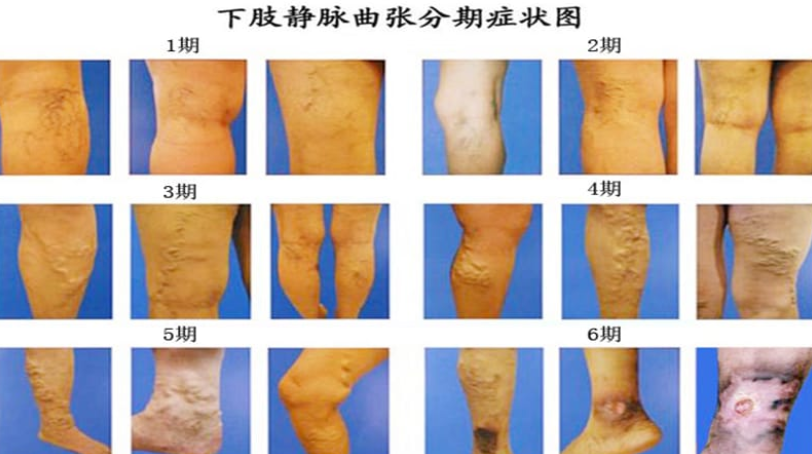
Grade C2: Early Signs of Varicose Veins
Grade C2 represents an early stage of varicose veins, where tortuous and winding veins become visibly prominent on the legs, resembling earthworms lying on the skin. Although these varicose veins have not yet caused particularly severe discomfort, they already affect the aesthetic appearance of the legs. For example, in summer when people want to wear dresses or shorts, many feel self-conscious due to these raised, bulging veins. While most individuals at this stage may not experience significant symptoms such as pain or heaviness beyond the cosmetic concern, this condition should not be taken lightly - once varicose veins appear, they tend to progressively worsen over time.
Grade C3: Leg Discomfort Begins to Emerge
When the condition progresses to C3, it significantly worsens. In addition to visible varicose veins, patients now experience aching and heaviness in the legs—particularly pronounced after prolonged standing or walking. For example, professionals who stand for extended periods—such as teachers or retail workers—often feel their legs as heavy as lead by the end of the day, causing considerable discomfort. While elevating the legs at night may provide slight relief, symptoms inevitably return the next day. At this stage, these disruptive symptoms begin interfering with daily activities, serving as a clear signal that varicose veins demand more serious medical attention.
Grade C4: Skin Changes Emerge
At C4 stage, the complications of varicose veins extend far beyond mere cosmetic concerns and mild discomfort. At this stage, noticeable skin changes develop, including hyperpigmentation—where normally pigmented leg skin gradually turns brown or black, as if the skin has been "stained" and the discoloration cannot be washed away. Simultaneously, the skin becomes indurated (hardened), losing its previous softness and elasticity. These changes occur because venous insufficiency impairs proper blood return, depriving the skin of adequate nutrition over time. These skin manifestations not only affect appearance but also signify that varicose veins have caused deeper, more serious damage to the body.
Grade C5: Healed Ulcer with Lingering Concerns
CEAP C5 Stage: Post-Healing Venous Ulcers with Persistent Risk. This advanced stage is marked by previous venous ulceration—wounds that have healed but left behind unsightly, fragile scars. The scarred skin becomes extremely vulnerable, with severely compromised healing capacity, making it prone to recurrent breakdowns. Once re-ulceration occurs, patients enter a vicious cycle of persistent non-healing wounds, causing significant physical and emotional suffering. Furthermore, the presence of scar tissue further impairs circulation and nutritional supply to the affected limbs, creating additional barriers to disease control and accelerating the progression of chronic venous insufficiency.
Grade C6: The Onset of "Refractory Leg Ulcers"
CEAP C6 is the most severe stage of varicose veins, commonly known as "chronic refractory leg ulcers" or the so-called "gangrenous legs." At this stage, the leg ulcers become chronic and non-healing, with the wound surfaces often oozing fluid and emitting a foul odor, which severely impacts the patient's quality of life. Moreover, these ulcers are highly prone to infection, allowing bacteria to invade surrounding tissues and the bloodstream through the open wounds, potentially leading to more serious health complications such as cellulitis and sepsis, and may even become life-threatening.
Why Surgery Is Often Necessary for CEsAP Classes C2 to C6
Starting from Grade C2, although symptoms may be relatively mild, varicose veins have already formed, and conservative treatments often only provide temporary relief without addressing the root cause. As the grade increases, the condition progressively worsens, exerting a greater impact on quality of life while also raising the risk of severe complications. When the disease progresses to Grades C4-C6, surgical treatment generally becomes necessary. Surgical intervention can directly target the affected veins—for example, by ligating and stripping the varicose veins or using minimally invasive procedures to close them—thereby fundamentally resolving issues of blood reflux and venous tortuosity. This prevents further deterioration of the condition, avoids serious complications such as skin ulcers, infections, and thrombosis, and ultimately maximizes improvement in the patient's quality of life while safeguarding their health.
Risk of Complications
If great saphenous vein varicose veins lead to deep vein thrombosis—a serious complication—or pose a high risk of thrombus detachment causing pulmonary embolism, then emergency surgery may be necessary to save the patient's life. After deep vein thrombosis develops, the affected leg will swell, pain will intensify, skin temperature will rise, and the skin may turn red. It's important to understand that once a deep vein thrombus detaches and travels through the bloodstream to the lungs, it can cause pulmonary embolism, a potentially fatal condition. Therefore, if great saphenous vein varicose veins are found to be complicated by deep vein thrombosis, doctors typically recommend prompt surgical thrombectomy or other appropriate surgical interventions to reduce the risk of pulmonary embolism and protect the patient's life.
In short, great saphenous vein varicose veins are not something to fear. As long as we understand when surgery is needed and actively cooperate with treatment, we can better control the condition and recover our health. If you or someone you know is struggling with this issue, be sure to consult a doctor promptly and seek professional advice for the most suitable treatment plan.
Preliminary Review: Liu Wenyu
Secondary Review: Zhang Jie

