Purpose of Weekly Blood Routine Tests for Radiotherapy Patients
Purpose of Weekly Blood Routine Tests for Radiotherapy Patients
Radiotherapy uses high-energy radiation to kill tumor cells, but it inevitably affects normal tissues, particularly the bone marrow's hematopoietic function. Weekly blood routine tests are of great significance for multiple reasons:
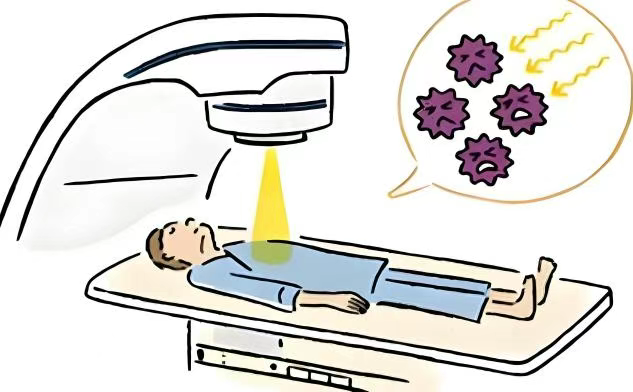

I. Effects of Radiotherapy on Blood Indicators
1.Monitoring Bone Marrow Suppression•Radiotherapy may suppress bone marrow function, leading to reduced production of white blood cells (WBCs), red blood cells (RBCs), and platelets. Blood routine tests can timely detect changes in these blood cell counts.•White blood cells (WBCs) serve as the body's immune defense. A low WBC count weakens immunity, increasing infection risk, which may disrupt radiotherapy and worsen prognosis.•Red blood cells (RBCs): A decrease leads to anemia, causing symptoms like fatigue and dizziness, affecting quality of life and recovery.•Platelets play a key role in hemostasis. Low platelet counts increase bleeding risk.
2.Guiding Treatment Adjustments
•Doctors assess the patient’s tolerance to radiotherapy based on blood test results. If blood cell counts drop severely, radiotherapy may be paused or the dose adjusted to avoid serious complications.
•Supportive treatments (e.g., WBC-boosting drugs, erythropoietin, or platelet transfusions) may be administered as needed.


II. Importance of Weekly Blood Routine Tests
1.Tracking Dynamic Changes in Blood Indicators•Weekly tests help monitor blood parameter fluctuations. Undetected blood abnormalities from radiotherapy may hinder treatment progress or cause complications.•Regular checks allow doctors to adjust radiotherapy doses or provide supportive care (e.g., WBC-boosting drugs) based on WBC and platelet levels, reducing infection or bleeding risks. Early intervention ensures treatment safety.
2.Critical Blood Value Thresholds for Radiochemotherapy Patients•White blood cells (WBCs): Below 0.5×10⁹/L (severe neutropenia) or above 30.0×10⁹/L (leukocytosis)•Platelets: Below 10×10⁹/L (severe thrombocytopenia)•Hemoglobin (Hb): Below 50g/L (severe anemia) or above 220g/L (polycythemia)
III. Importance of Morning Blood Collection
Diet significantly affects blood components (e.g., post-meal glucose/lipid spikes, lipemic samples). Fasting morning blood draws minimize interference, ensuring accuracy.
1.Maintaining Test Accuracy•The body’s physiological state varies daily (e.g., hormone levels, metabolism). After overnight rest, morning provides a stable baseline, reducing dietary, exercise, and emotional influences on blood results.
2.Facilitating Diagnosis and Comparison•Consistent morning sampling ensures comparable results over time, enabling doctors to accurately observe dynamic changes in blood cell counts/morphology and address abnormalities promptly.
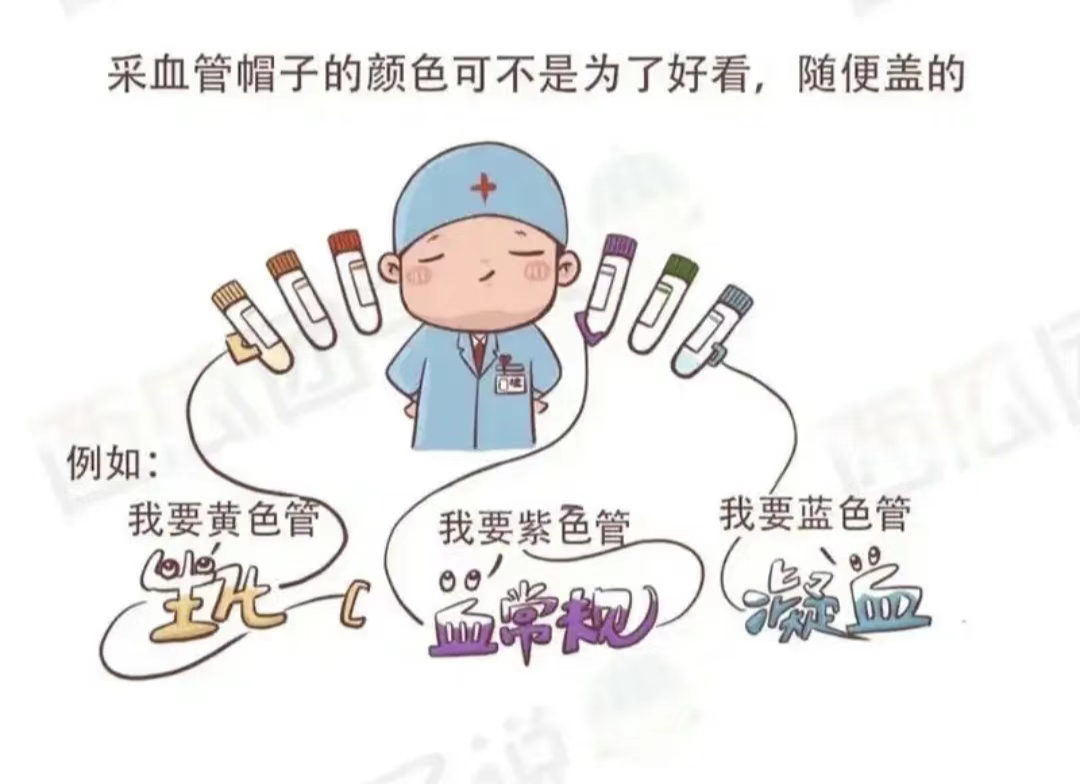
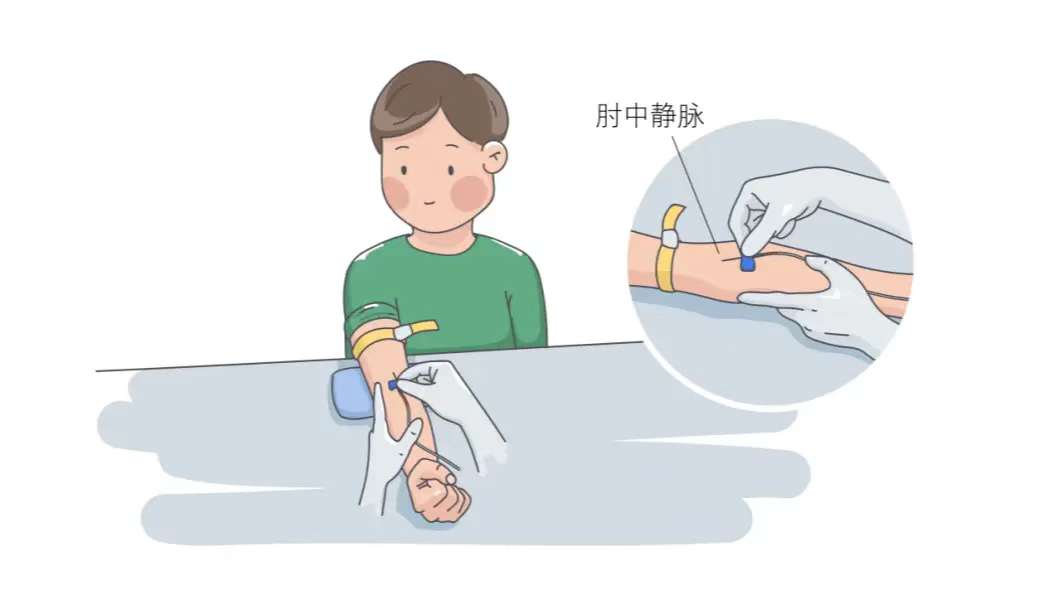
IV. Pre- and Post-Test Precautions
•Before the test: No special preparation is needed; maintain normal routines. Avoid eating/drinking on the morning of the test and wear loose clothing for easy access.
•After the test: Apply pressure to the puncture site for 3–5 minutes to prevent bleeding or bruising.
•After receiving results: Discuss abnormal values and follow-up plans with your doctor promptly.
By adhering to weekly blood tests, patients and doctors can optimize radiotherapy safety and efficacy.