
Demystifying Cancer in 10 Minutes: Essential Anti-Cancer Principles Everyone Should Know!
Demystifying Cancer in 10 Minutes: Essential Anti-Cancer Principles Everyone Should Know!
Cancer may seem distant from healthy individuals, yet it silently develops every day. For the public, understanding the truth is crucial amid widespread misconceptions.
What Are Cancer, Tumors, and Malignant Tumors?
Simply put, a tumor is an unwanted mass of extra cells that proliferate and form a solid mass. If this mass remains localized, grows slowly, and does not spread, it is a benign tumor. If it "runs wild"—medically termed metastasis—it becomes a malignant tumor, which is what we call cancer.
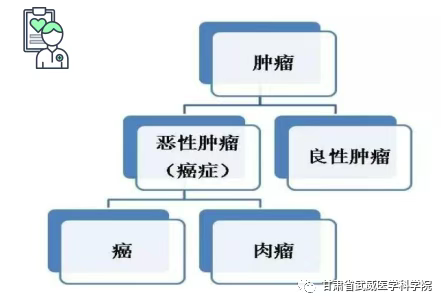
How Does Cancer Develop?
Cancer arises when carcinogens breach the body’s triple-layered defense system:
1.First Line of Defense: Avoiding CarcinogensMinimizing exposure to cancer-causing agents (e.g., tobacco, UV radiation).
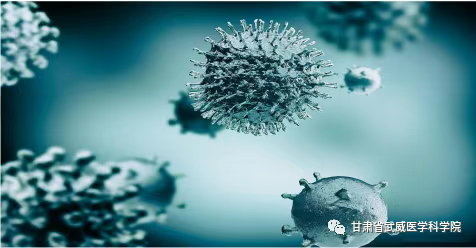
2.Second Line of Defense: The Anti-Free Radical SystemCarcinogens often generate free radicals via complex reactions, damaging normal cells and triggering cancerous changes. While free radicals constantly exist, the body deploys antioxidants (e.g., glutathione peroxidase) to neutralize them. Cancer occurs when free radical production exceedsthe body’s clearance capacity.
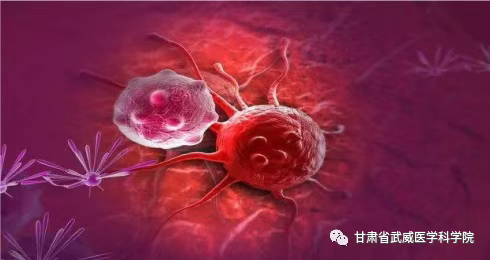
3.Third Line of Defense: The Immune SystemActs as the body’s "army," identifying and destroying pathogens and abnormal cells. If the first two defenses fail and normal cells turn cancerous, immune surveillance recognizes and eliminates these mutated cells.
Why Don’t All People Get Cancer?
The robust immune system plays a pivotal role. Even amid carcinogen exposure, a functional immune system can detect and eliminate early cancerous cells. Cancer develops only when all three defenses are compromised.
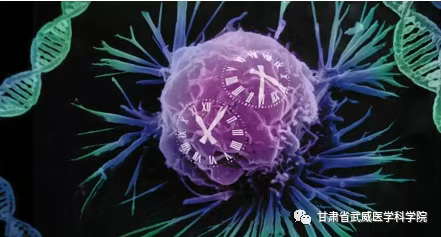
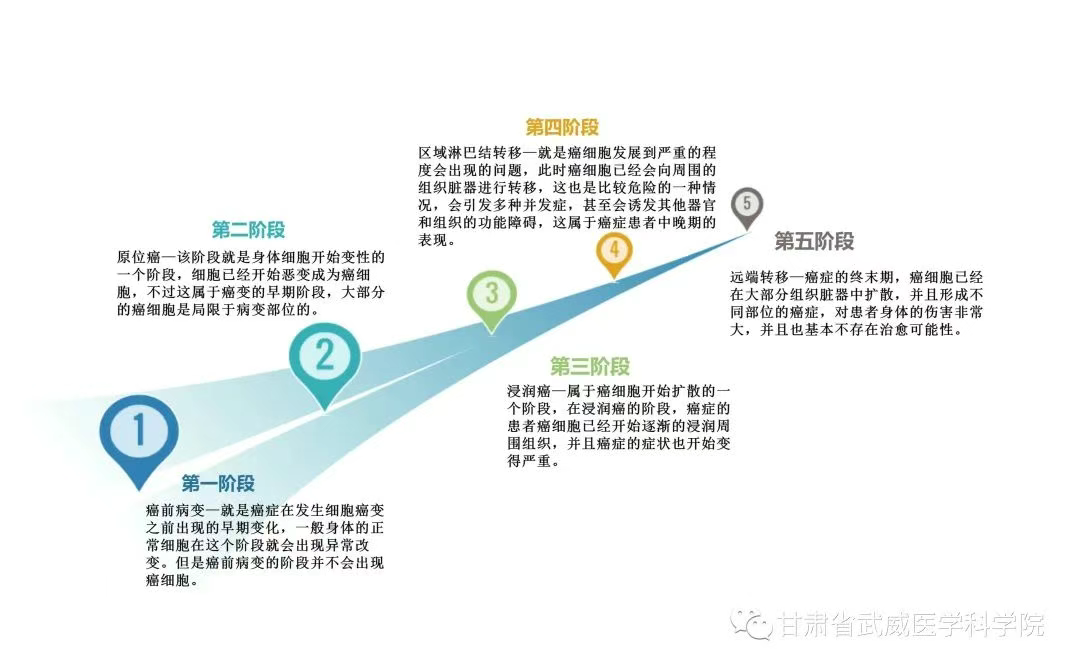
What are the Developing Phrase of Cancer?
Cancer Prevention
Many believe cancer is incurable—a diagnosis equated with a death sentence. However, cancer is not a terminal illness but a chronic disease. According to the International Union Against Cancer (UICC):
• Over one-third of cancers are preventable;
• Another third can be effectively treated to prolong life or achieve cure;
•The remaining third can be managed to alleviate symptoms and improve quality of life.Thus, cancer is neither untreatable nor as terrifying as perceived.
The Critical Importance of Cancer's Three-Level Prevention System
1. Primary Prevention (Causal Prevention)
• Goal: Prevent cancer occurrence and reduce incidence rates.
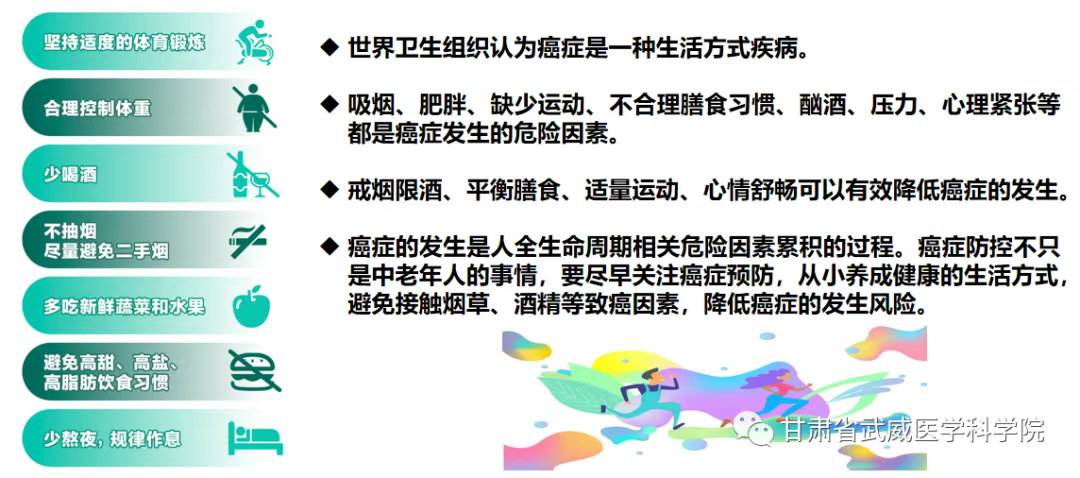
• Strategy: Adopt healthy lifestyle choices (e.g., tobacco cessation, balanced nutrition, vaccination) to eliminate exposure to carcinogens.
• Key measures: Public education on risk factors (smoking, alcohol, environmental toxins) 69;•Policy interventions (e.g., air pollution control, occupational safety regulations).
2. Secondary Prevention ("Three-Early" Principle)
• Goal: Early detection, diagnosis, and treatment to halt progression and reduce mortality.
• Strategy:•Routine screening for high-risk groups (e.g., age-based, family history) ; Vigilance for early warning signs (e.g., unexplained lumps, persistent cough, abnormal bleeding) ; Monitoring precancerous lesions (e.g., colon polyps, cervical dysplasia).
• Proven programs:•Breast/cervical cancer screenings in China’s rural and urban populations since 2006 10;•WHO-recommended screenings for breast, colorectal, and prostate cancers.
3. Tertiary Prevention (Clinical Intervention)
• Goal: Prevent deterioration, reduce disability, and extend survival through evidence-based care.
• Strategy: Multidisciplinary treatment (surgery, chemotherapy, radiotherapy) tailored to cancer type/stage; Rehabilitation (physical/psychological support) to restore function and mitigate complications; Palliative care for symptom relief in advanced cases.

