Life in Their Hands, Giving Their All—Cardiac Radiofrequency Ablation, Safeguarding Heart Health
Life in Their Hands, Giving Their All—Cardiac Radiofrequency Ablation, Safeguarding Heart Health
Cardiac radiofrequency ablation is an interventional method for treating tachyarrhythmias. Under local anesthesia, a very thin catheter is inserted into blood vessels through the neck or groin and advanced to the problematic area of the heart. Radiofrequency current is then delivered to eliminate the "lesion" in one go. This method is non-invasive, minimally traumatic, and boasts an extremely high success rate. It has become the preferred treatment for curing tachyarrhythmias.
Recently, our hospital’s cardiovascular medicine team performed green (radiation-free) cardiac radiofrequency ablation on four patients with arrhythmias after thorough evaluation.
Case Presentations
Patient 1
Diagnosis: Paroxysmal Atrial Fibrillation
The patient experienced recurrent palpitations without obvious triggers over the past month, unaccompanied by chest tightness or shortness of breath.
Patient 2
Diagnosis: Paroxysmal Atrial Fibrillation
The patient had recurrent episodes of chest tightness and palpitations over the past two years, each lasting 2–5 minutes and resolving spontaneously. In the past three months, these symptoms became more frequent. A routine electrocardiogram indicated atrial fibrillation.
Patient 3
Diagnosis: Frequent Ventricular Premature Contractions
The patient, one year post-PCI, presented with chest tightness and palpitations for one month. A dynamic electrocardiogram revealed frequent ventricular premature contractions.
Throughout the procedure, patients remain awake and under continuous monitoring. Sedatives are administered to alleviate anxiety. Electrophysiological studies typically cause no pain, and patients feel nothing as the catheter moves through the heart's blood vessels. During the test, the doctor uses weak electrical currents to stimulate the heart, which patients cannot perceive. If tachycardia is induced, the sensation may resemble previous episodes (such as dizziness, lightheadedness, palpitations, chest pain, or shortness of breath). Patients are advised to inform the doctor immediately. These procedures are low-risk and relatively safe.
Radiofrequency Ablation: Highly Effective Against Arrhythmias
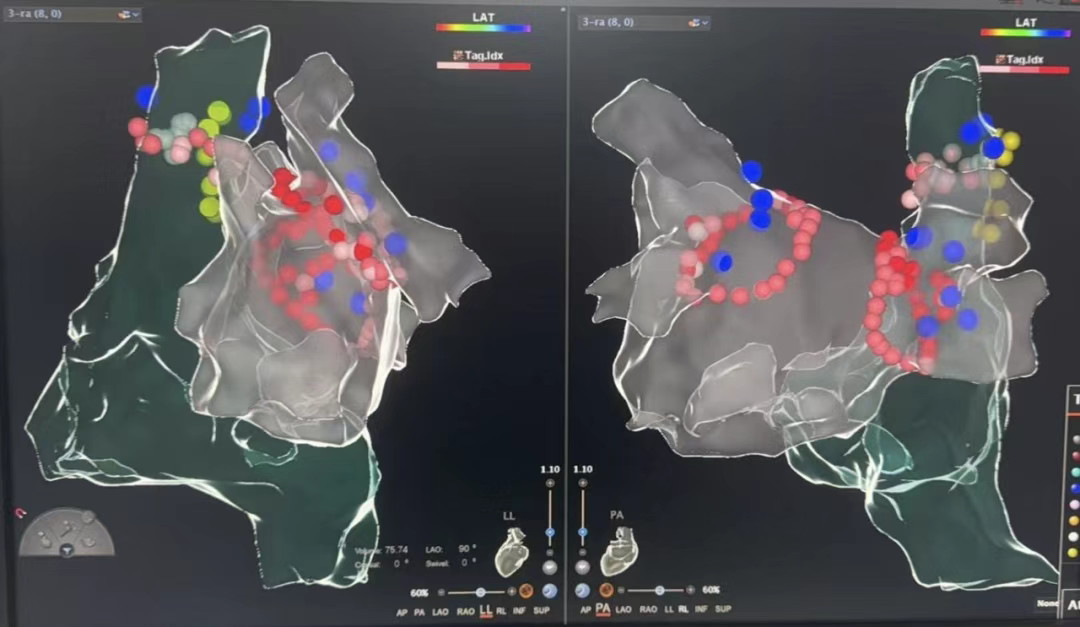
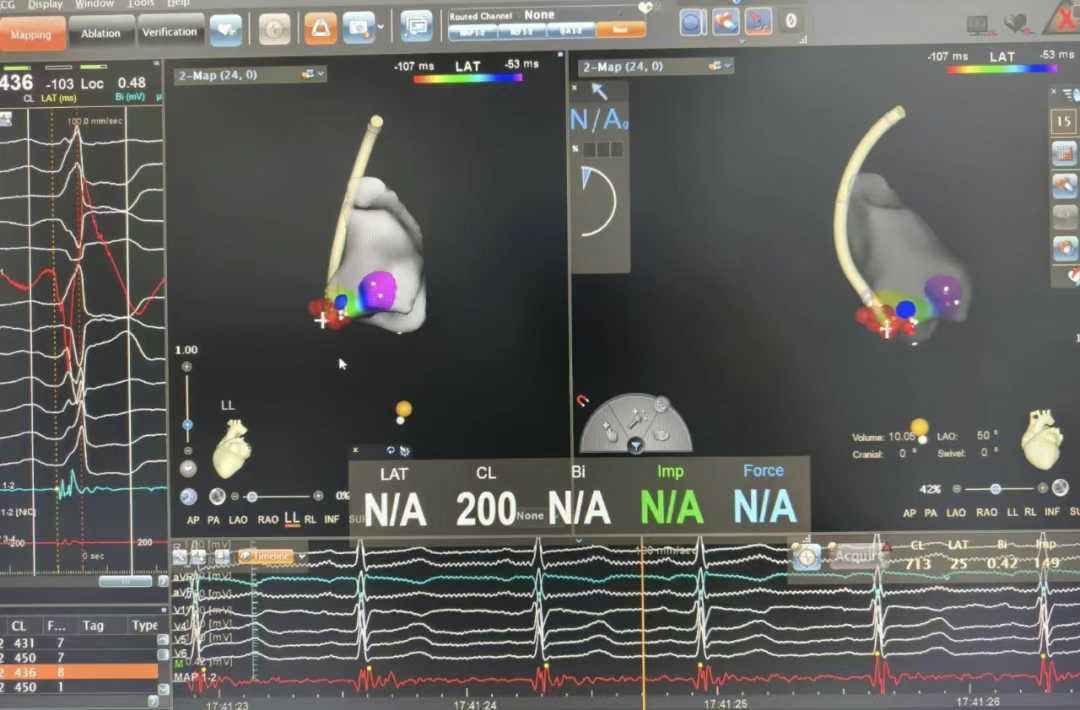
- Frequent ventricular premature contractions
- Frequent atrial premature contractions
- Atrial fibrillation
- Wolff-Parkinson-White syndrome
- Paroxysmal supraventricular tachycardia
- Atrial flutter
- Atrial tachycardia
- Ventricular premature contractions
- Ventricular tachycardia
Success Rates:
For conditions like Wolff-Parkinson-White syndrome, atrial tachycardia, atrial flutter, and ventricular premature contractions, the one-time success rate of radiofrequency ablation exceeds 90%. For complex arrhythmias such as idiopathic ventricular tachycardia and atrial fibrillation, the success rate is over 85%, offering significant therapeutic benefits to patients with arrhythmias.
Gansu Wuwei Cancer Hospital
Department of Cardiovascular Medicine: Scope of Treatment
The Department of Cardiovascular Medicine primarily treats diseases including angina pectoris, acute myocardial infarction, and other types of coronary heart disease; primary hypertension, hypertensive emergencies, and secondary hypertension; acute and chronic heart failure; primary and secondary cardiomyopathies; valvular heart disease, myocarditis, and various arrhythmias. The department has accumulated considerable clinical experience in managing geriatric cardiovascular diseases and chronic heart conditions.
Cardiovascular Medicine Treatment Technologies
The department employs advanced techniques. The coronary team routinely performs emergency and elective coronary angiography, coronary balloon angioplasty, intracoronary thrombolysis, thrombus aspiration, and stent implantation, as well as interventional treatments for complex chronic total occlusions (CTO). Intravascular ultrasound and FFR can be conducted during procedures.
In electrophysiology, the department offers permanent single- and dual-chamber pacemaker implantation, CRT/CRT-D implantation, ICD implantation, and intracardiac electrophysiological studies and radiofrequency ablation for conditions such as paroxysmal supraventricular tachycardia, ventricular premature contractions, ventricular tachycardia, atrial tachycardia, atrial flutter, and atrial fibrillation.
In heart failure and hypertension management, the department stays abreast of advancements, actively organizing internal professional training to provide patients with the latest and most appropriate treatment plans based on current guidelines and expert consensus.
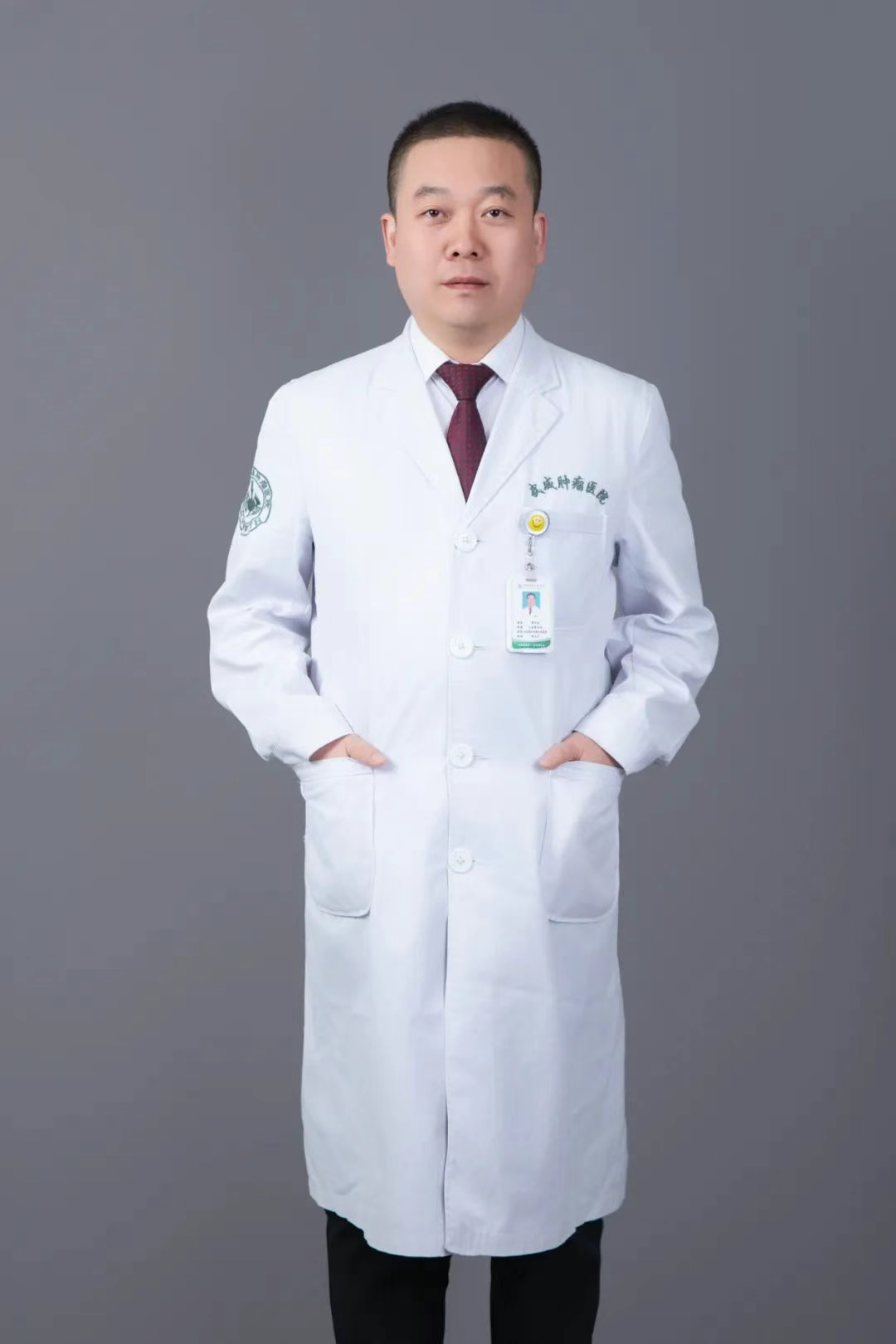
Expert Team: Director Gao Shengyun
Specialties: Diagnosis and treatment of common and complex cardiovascular diseases. Currently focused on the diagnosis, differential diagnosis, and pharmacological and interventional treatment of coronary heart disease and arrhythmias. Previously trained at Lanzhou University Affiliated First Hospital and Xijing Hospital, and holds national qualifications for cardiovascular interventional procedures. Proficient in independently performing coronary interventions, complex coronary lesions, permanent pacemaker implantation, and radiofrequency ablation.
Clinic Location: Room 220, Outpatient Department, Central Campus