
Varicose Veins and Ulcers in the Lower Limbs: Don’t Delay Any Longer
Varicose Veins and Ulcers in the Lower Limbs: Don’t Delay Any Longer
Varicose veins in the lower limbs are not uncommon in daily life. Many people may simply find the bulging, twisted blood vessels on their legs unsightly, unaware of the serious consequences they can bring. Today, we’ll discuss the case of a patient who suffered from varicose veins and ulcers in the lower limbs for years.
Mr. Wang has had varicose veins in his lower limbs for seven years, and ulcers for as long as six years. What’s regrettable is that for these six years, the condition was consistently treated as ordinary skin ulcers. As a result, the ulcers would sometimes improve and sometimes worsen. The patient spent a great deal of money, countless hours, and endured tremendous psychological distress.
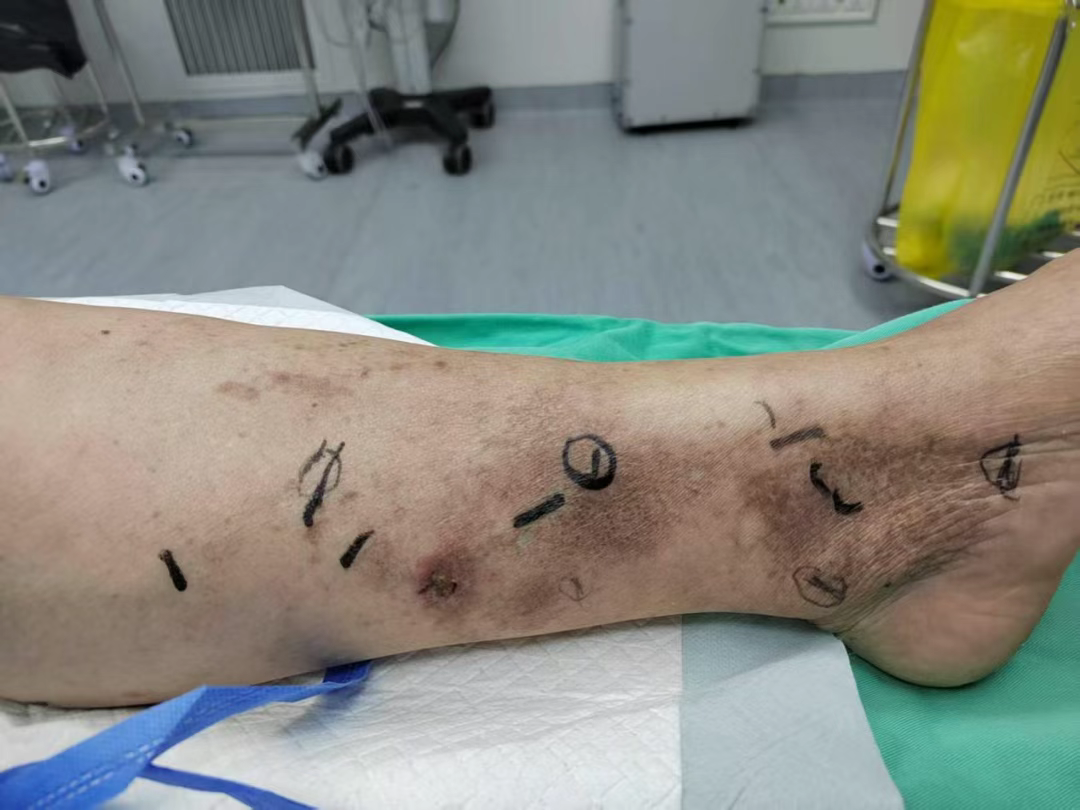
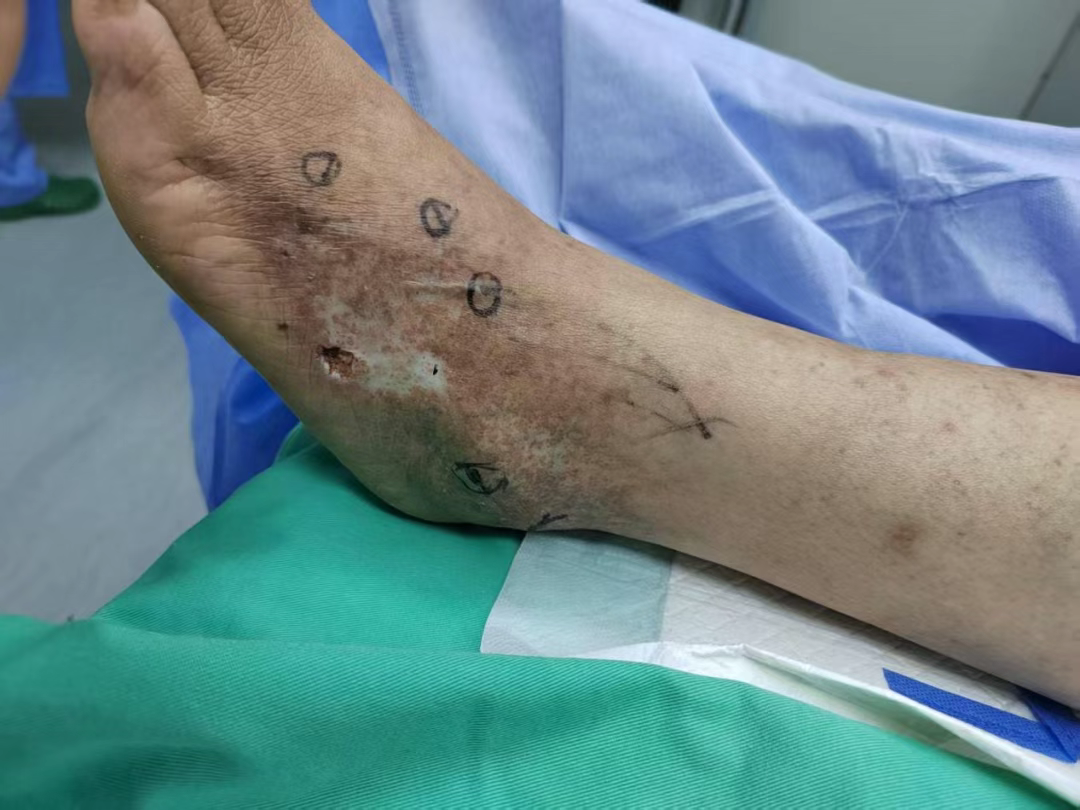
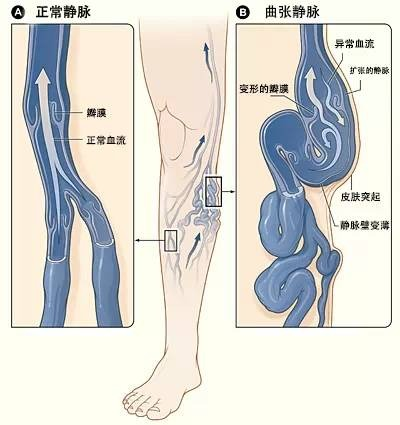
Why shouldn’t this have happened? Normally, the veins in our legs are responsible for transporting blood from the lower limbs back to the heart. But when the venous valves malfunction—much like heart valve issues—blood flows backward in the veins, leading to increased venous pressure. Prolonged high pressure impedes blood circulation in the lower limbs, making it difficult for nutrients to reach the skin tissues and for metabolic waste to be cleared. Over time, the skin becomes malnourished and less resistant. Even minor injuries can easily lead to ulcers, and due to poor circulation, these ulcers struggle to heal.
Treating them as ordinary skin ulcers only addresses the symptoms, not the root cause. Most treatments for ordinary skin ulcers focus on surface inflammation and damage, using anti-inflammatory or skin-regenerating medications. However, for ulcers caused by varicose veins, these methods fail to resolve venous hypertension. Without improving blood circulation, the ulcers are prone to recurring. A lot of money is spent, suffering is endured, yet the condition remains uncontrolled.
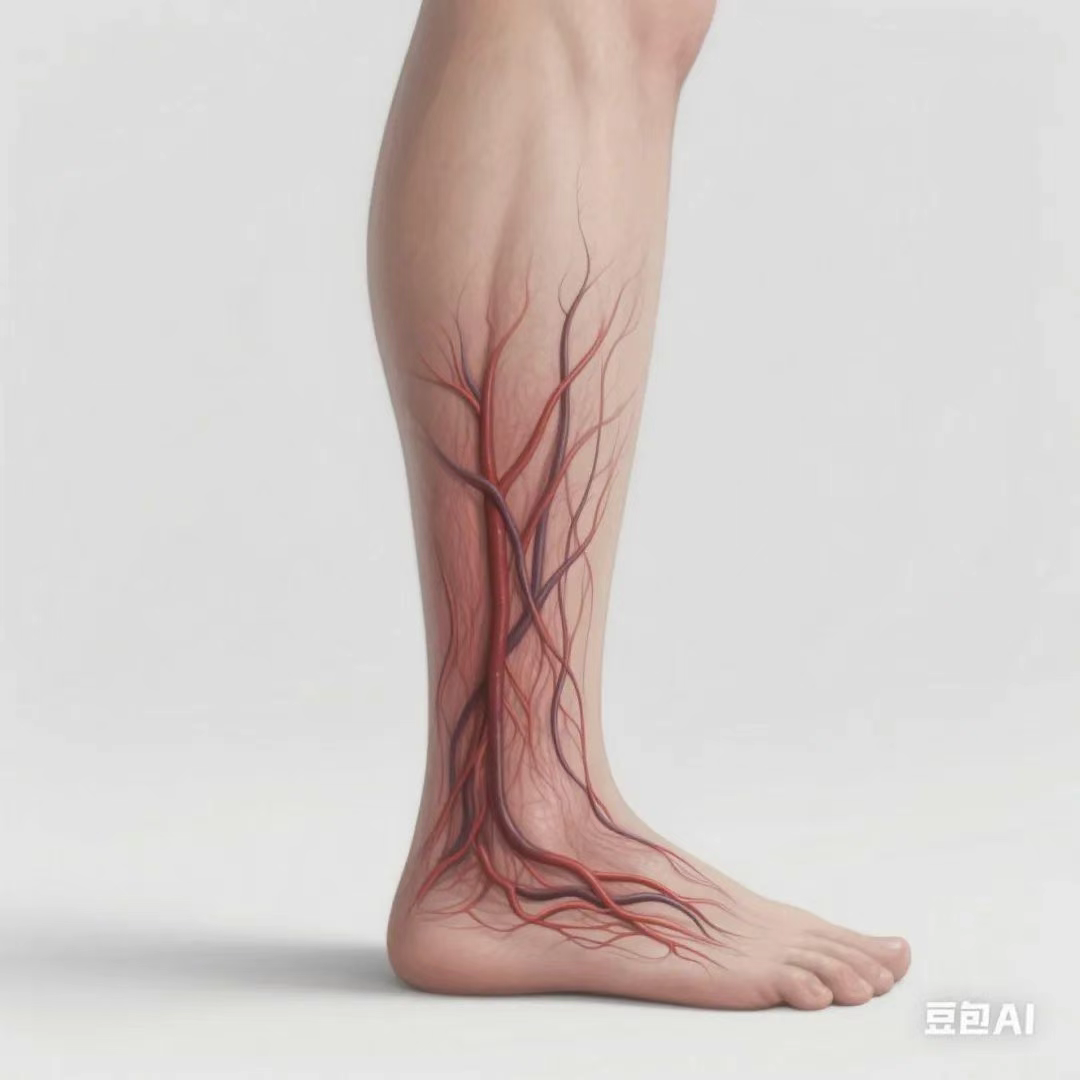
So, what’s the right approach? First, a clear diagnosis is essential. For chronic lower limb ulcers, doctors must consider the possibility of varicose veins through detailed medical history, physical examinations, and necessary tests. Once diagnosed, treatment should address both aspects. On one hand, the ulcer wound should be managed with standard care like debridement and anti-infection measures to promote healing. On the other hand—and this is the key—the varicose veins must be treated.
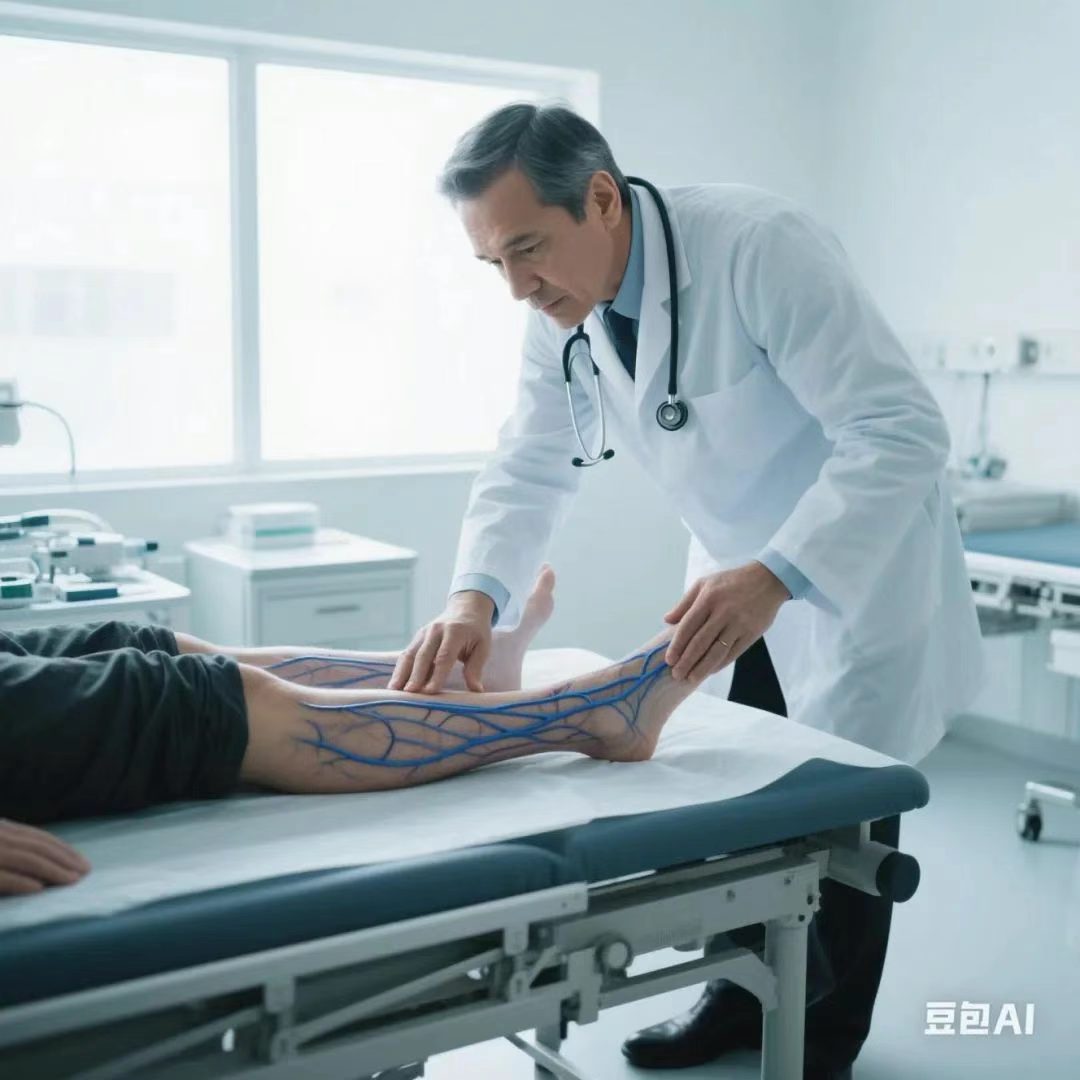
For Mr. Wang’s case, a detailed surgical plan was developed, and day surgery management was arranged. The entire treatment for varicose veins was completed within 48 hours of admission, followed by a smooth discharge. A follow-up examination is typically required about a week after surgery to check wound healing. Through this comprehensive surgical plan and day surgery management process, Mr. Wang can hope to break free from the suffering caused by varicose vein ulcers and regain a healthy life.
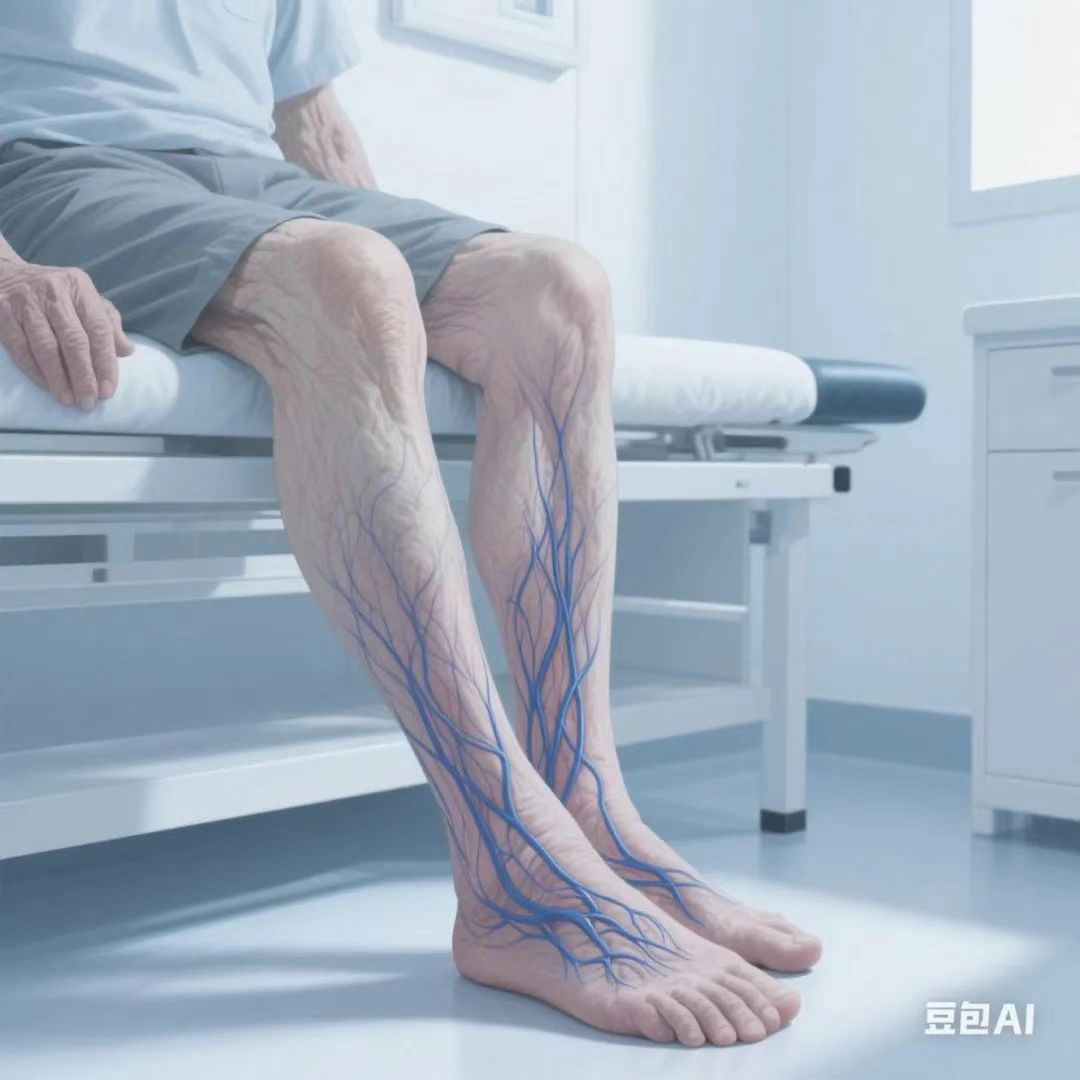
Ulcers caused by varicose veins are not just simple skin issues. Beyond active treatment, patients need to pay attention to daily habits. Avoid prolonged standing or sitting, and move the legs regularly to promote blood circulation. When resting, elevate the legs slightly above heart level to aid blood return. At the same time, protect the skin of the lower limbs to prevent injuries. If similar symptoms occur, be sure to seek help promptly at the vascular surgery department of a reputable hospital.

