
The Silent Killer Lurking in High Temperatures: Emergency Treatment Requires Seizing the Golden 30 M
The Silent Killer Lurking in High Temperatures: Emergency Treatment Requires Seizing the Golden 30 Minutes

01 The True Face of Heatstroke, the Silent Killer
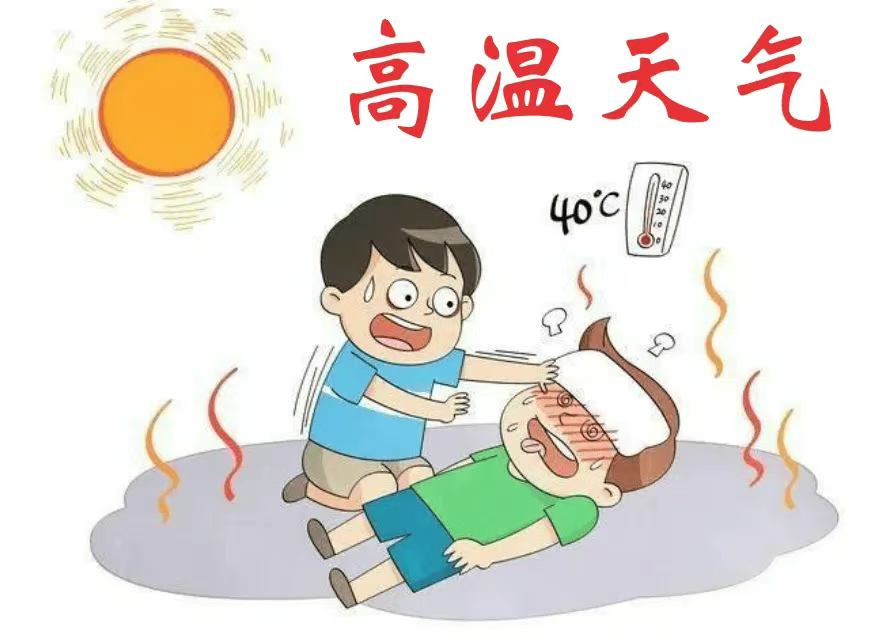
Heatstroke is the most severe type of heat-related illness and a life-threatening medical emergency. At its core, heatstroke is a systemic inflammatory response syndrome caused by the failure of the body's thermoregulatory center, which can lead to multiple organ failure. When the body's core temperature exceeds 40°C (104°F), organs throughout the body become "cooked," resulting in brain damage, liver and kidney failure, or even death. Clinically, heatstroke is mainly divided into two types: exertional heatstroke and classic heatstroke.
02 Recognizing the Crisis: Key Signals for Golden Rescue
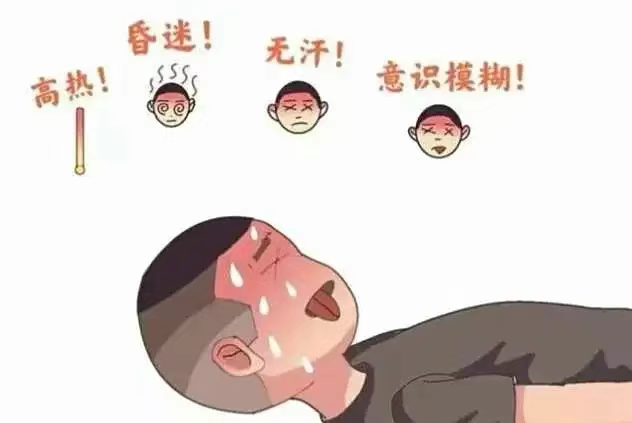
The progression from mild heat exhaustion to heatstroke can take just a few hours. Early recognition is critical to saving lives.
The classic triad of heatstroke symptoms includes:
- Sharply elevated core body temperature (>40°C or 104°F): The patient's skin will feel abnormally hot to the touch.
- Hot, dry skin with no sweating: The absence of sweating is a critical warning sign, not an indication of mild symptoms.
- Central nervous system dysfunction: Confusion, delirium, seizures, or even coma.
03 A Race Against Time: The Golden 30-Minute Emergency Guide
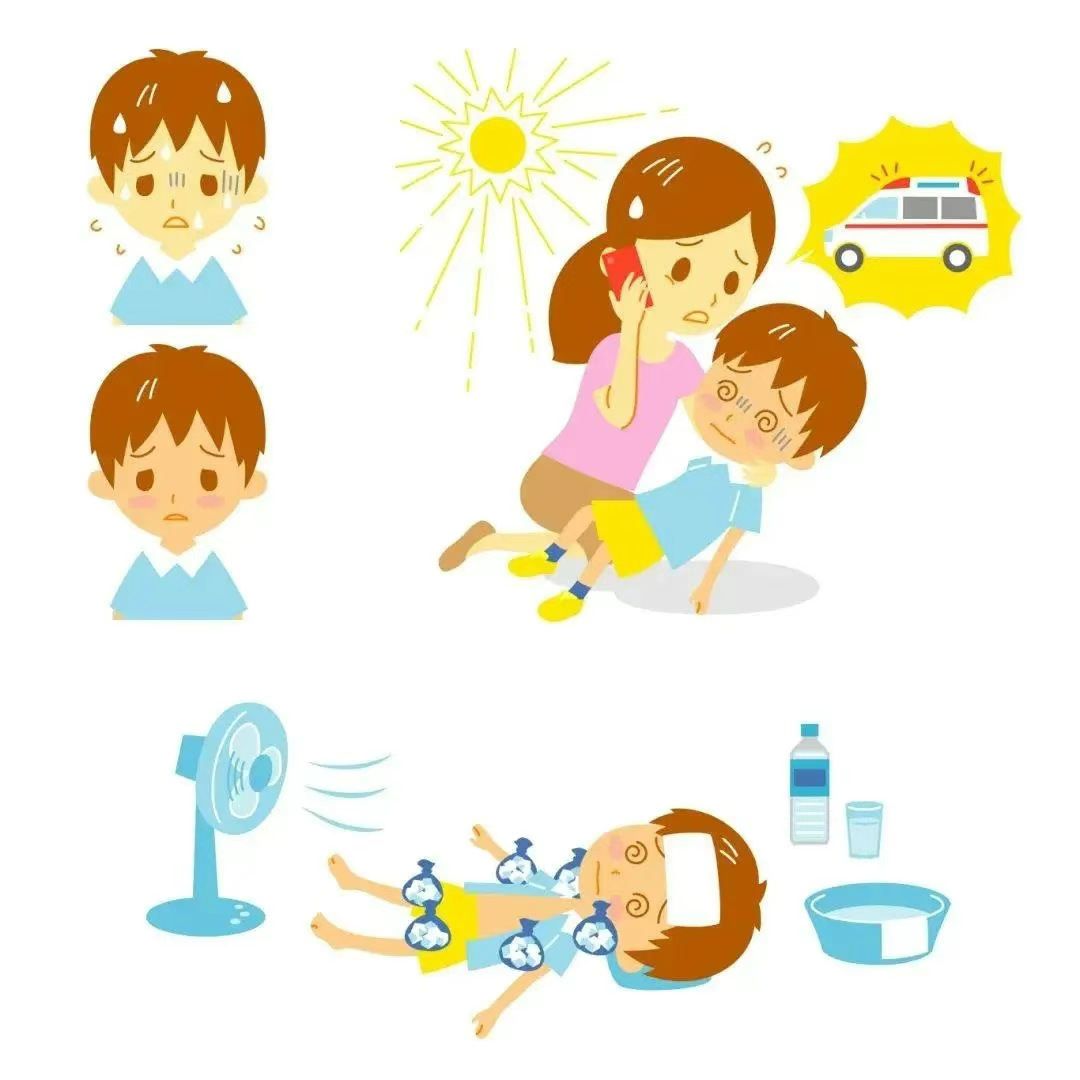
"Every minute of delayed cooling increases mortality by 10%." The "golden 30 minutes" after onset is the critical window that determines life or death.
The core principle of emergency treatment is: rapid cooling first, medical support second.
Emergency medical assistance:Follow the principle of "cooling first, transport second." While waiting for professional rescue, every second counts for on-site cooling!
- Call emergency services (120) immediately: Alert them to a "suspected case of heatstroke."
- Rapid and effective cooling (primary goal): Remove the patient from the heat source.
- Maintain an open airway: Place the patient on their side or lying flat with the head tilted to prevent aspiration of vomit.
- Cautious fluid replenishment (only if conscious): If the patient is awake and able to drink, provide small amounts of cool water or electrolyte-containing beverages (e.g., sports drinks). Never force water on an unconscious or confused patient, as it may cause choking.
- Avoid antipyretics (e.g., acetaminophen, ibuprofen): These drugs are ineffective for heat-induced fever and may increase liver and kidney strain.
- Transport as soon as possible: Continue cooling measures while swiftly transporting the patient to a hospital with emergency care capabilities.
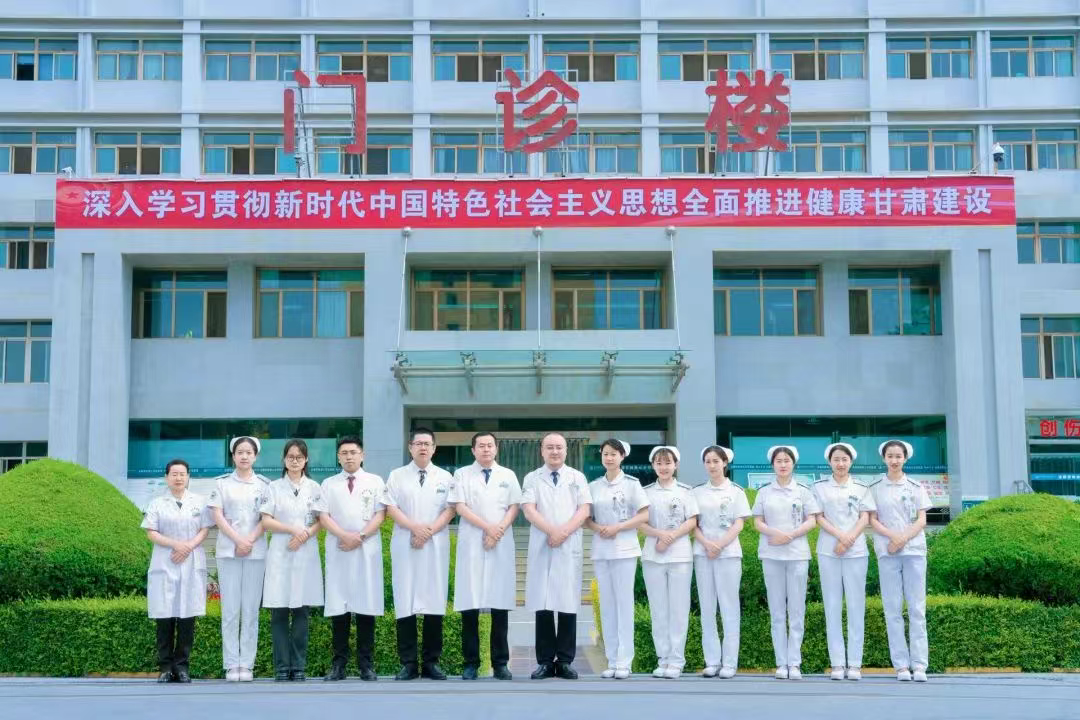
The Emergency Department of Wuwei Cancer Hospital in Gansu Province boasts a skilled professional team of 20 members, including 1 chief physician, 1 associate chief physician, 2 attending physicians, 4 resident physicians, and a 12-member nursing team. All medical staff are dedicated to providing professional, rapid, high-quality, and efficient emergency care for critically ill patients, particularly those with acute heatstroke, poisoning, chest pain, stroke, or trauma, for whom green channels are established. They safeguard the health of people in our city and surrounding areas.

