Gastronomize the future, Enterologize the plan
Gastronomize the future, Enterologize the plan
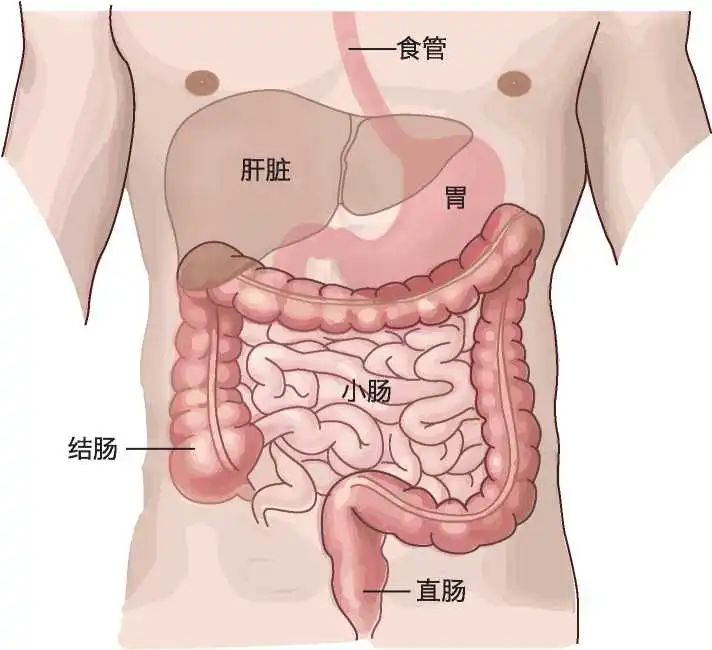
Have you ever tossed and turned from stomach pain? Lost your appetite due to indigestion? Our digestive system, like a complex factory, transforms food into energy to sustain life. Today, let's step into the world of gastroenterology and unveil the mysteries of this remarkable system.
The "assembly line" of the digestive system
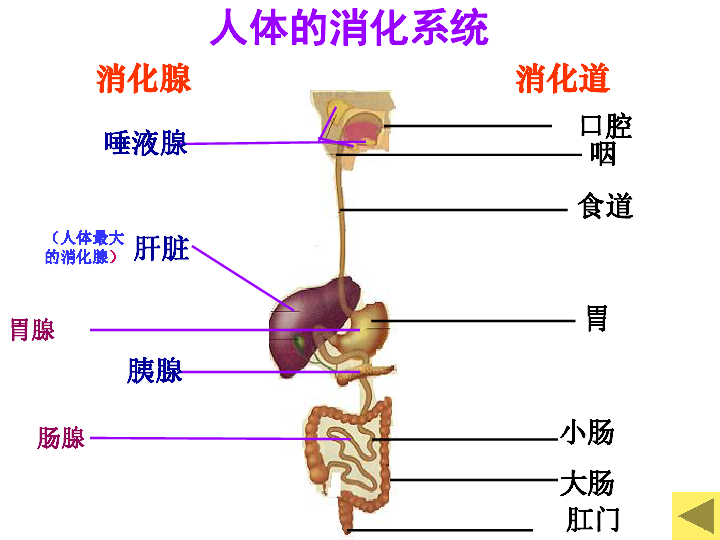
The digestive system consists of two major components—the digestive tract and the digestive glands—which work in coordination to complete the digestion and absorption of food.
Digestive Tract: A roughly 8-10 meter-long "tube" comprising the mouth, pharynx, esophagus, stomach, small intestine (duodenum, jejunum, ileum), large intestine (cecum, colon, rectum), and anus.
Digestive Glands: Including the salivary glands, gastric glands, liver, pancreas, and intestinal glands, which secrete digestive juices to facilitate food breakdown.
The "Fantastic Voyage" of Food Through the Body
01-Oral Cavity
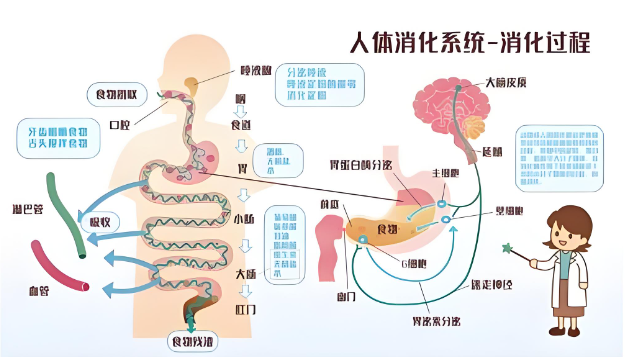
The first stop of food's journey. Here, teeth mechanically break down food through mastication, while salivary amylase in saliva initiates the chemical digestion of starches.
02-Esophagus
Food is propelled into the stomach through peristaltic contractions of the esophagus.
03-Stomach
The stomach functions as a "blender," further breaking down food into chyme through gastric acid and pepsin.
04-Small Intestine
As the primary site of digestion and absorption, the small intestine receives pancreatic juice from the pancreas, bile from the liver, and intestinal fluid secreted by itself. These digestive fluids work synergistically to break down food into absorbable molecules, which are then absorbed by the intestinal villi into the bloodstream.
05-Large Intestine
The large intestine primarily absorbs water and electrolytes, forming feces.
06-Anus
The anus expels feces out of the body.
Common Digestive System Diseases
01-Gastritis
Inflammation of the gastric mucosa, with common symptoms including upper abdominal pain, bloating, nausea, vomiting, etc.
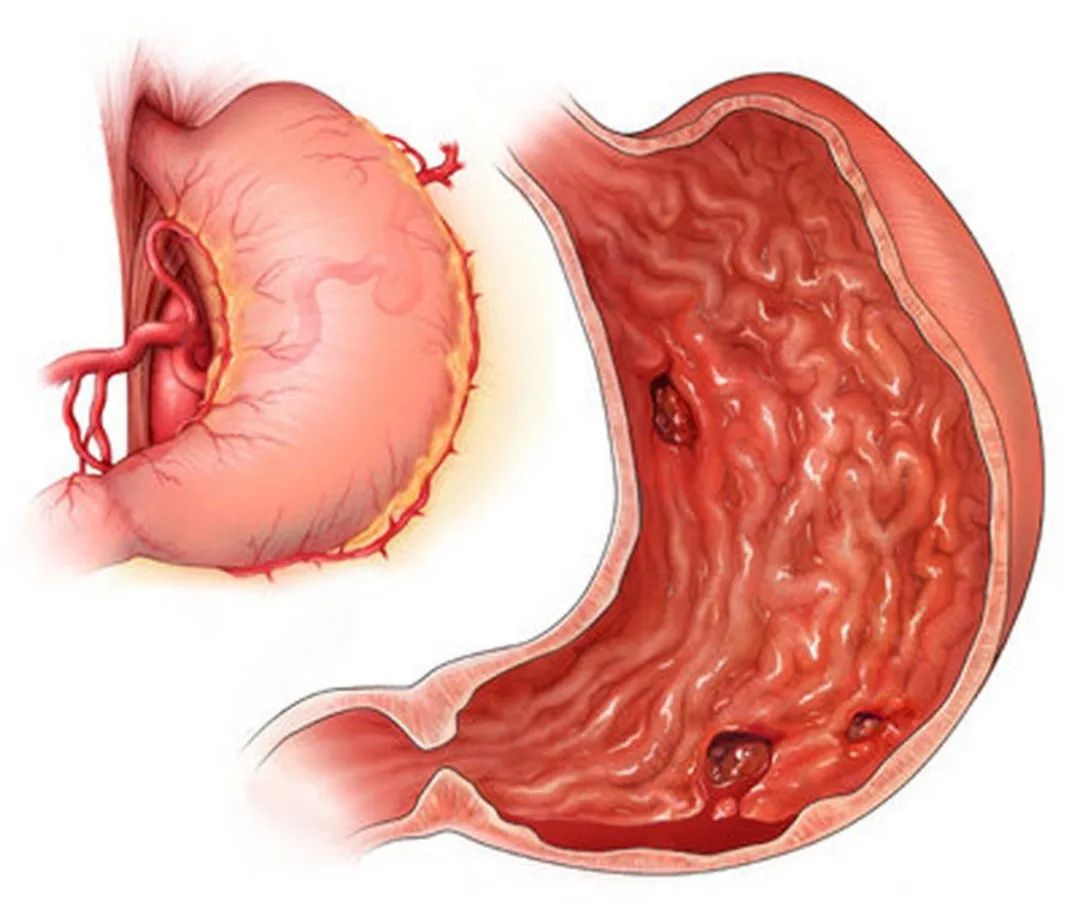
02-Peptic Ulcer
Ulcers in the gastric or duodenal mucosa, with common symptoms including periodic upper abdominal pain, acid regurgitation, belching, etc.
03-Viral Hepatitis
Inflammation of the liver caused by hepatitis viruses, with common symptoms including fatigue, loss of appetite, nausea, vomiting, jaundice, etc.
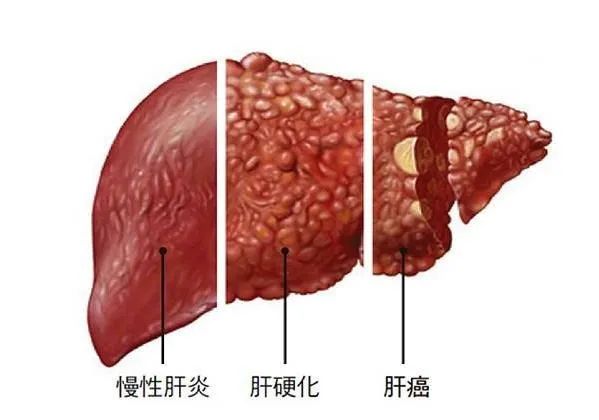
04-Liver Cirrhosis
A chronic consequence of liver damage, characterized by common symptoms such as fatigue, loss of appetite, abdominal distension, jaundice, ascites, etc.
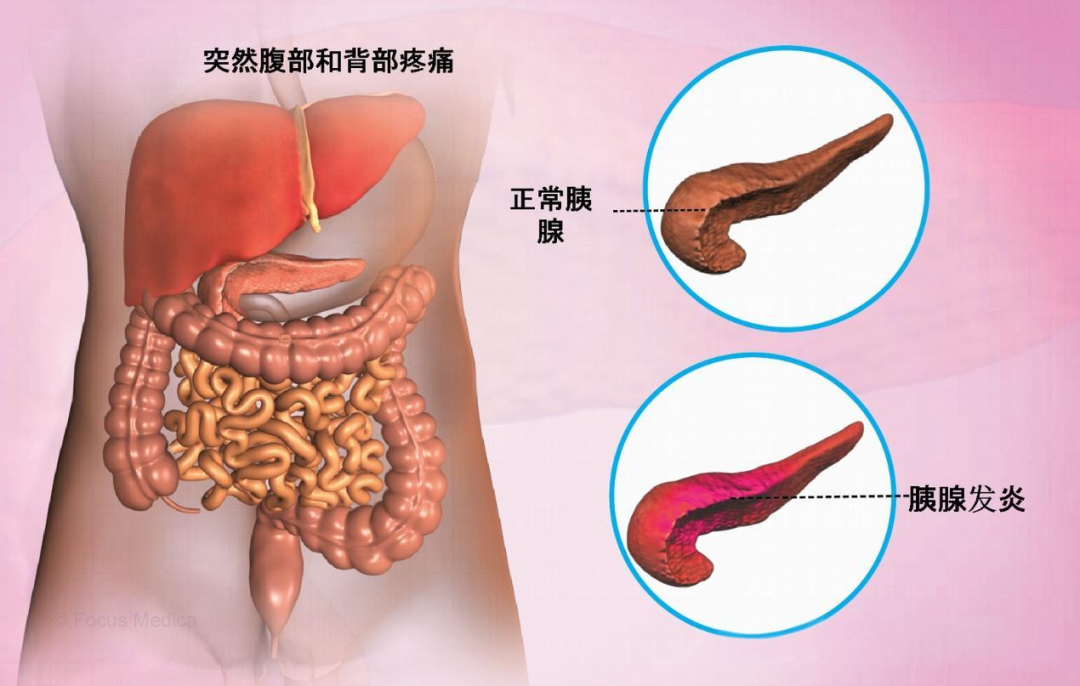
05-Pancreatitis
Inflammation of the pancreas, with common symptoms including severe upper abdominal pain, nausea, vomiting, fever, etc.
How to Maintain a Healthy Digestive System
01-Regular Meals
How to Maintain a Healthy Digestive System
02-Balanced Diet
Consume more vegetables and fruits, while reducing intake of greasy, spicy, and irritating foods.

03-Eat Slowly and Chew Thoroughly
Consume more vegetables and fruits while reducing intake of greasy, spicy, and irritating foods.
04-Quit Smoking and Limit Alcohol
Both smoking and alcohol consumption can damage digestive system health.

05-Maintain Good Mental State
Excessive mental stress can impair digestive function.

06-Regular Check-ups
Early detection and treatment of digestive system diseases.

Diagnostic Methods Commonly Used in Gastroenterology
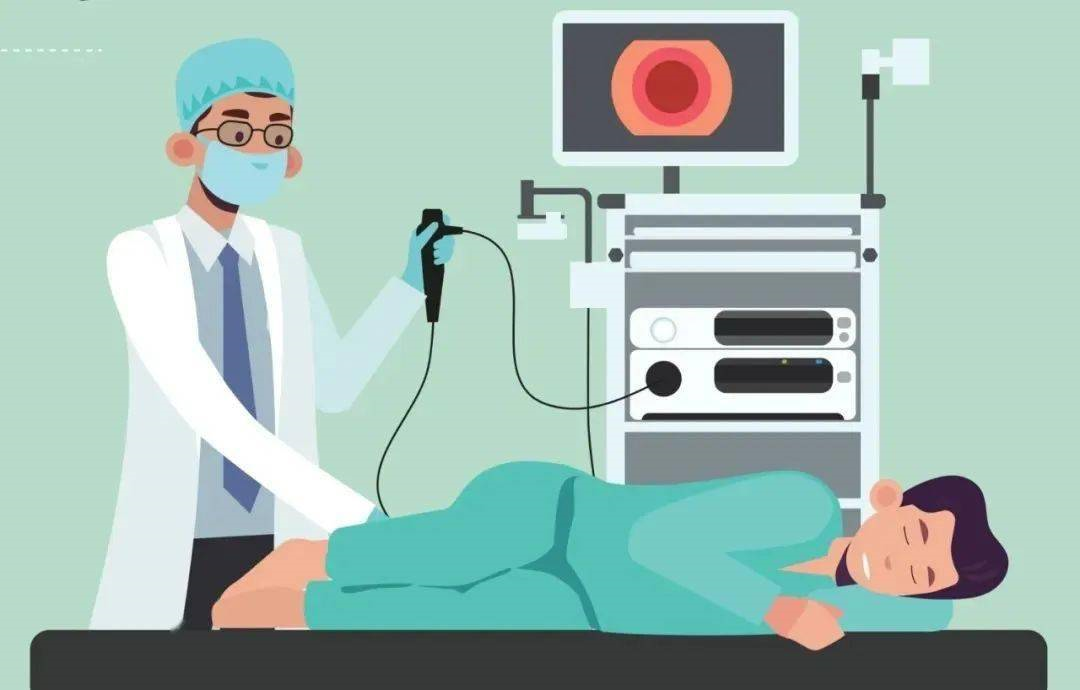
01-Colonoscopy and Gastroscopy
These procedures enable direct visualization of the digestive tract's internal conditions, facilitating biopsy sampling and therapeutic interventions.
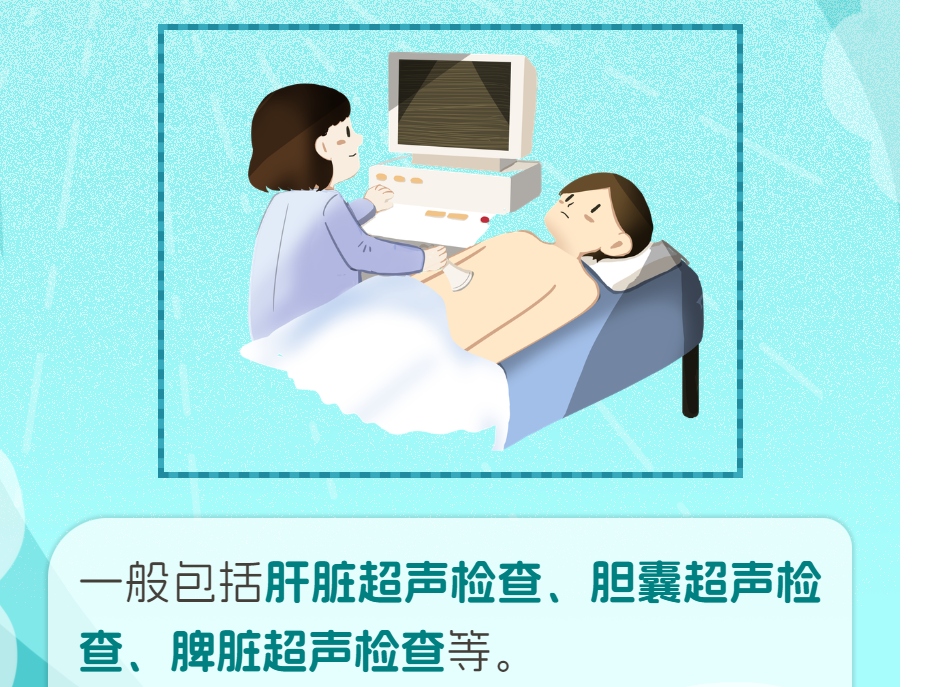
02-Abdominal Ultrasound
This imaging modality evaluates the morphology and structure of abdominal organs including the liver, gallbladder, and pancreas.
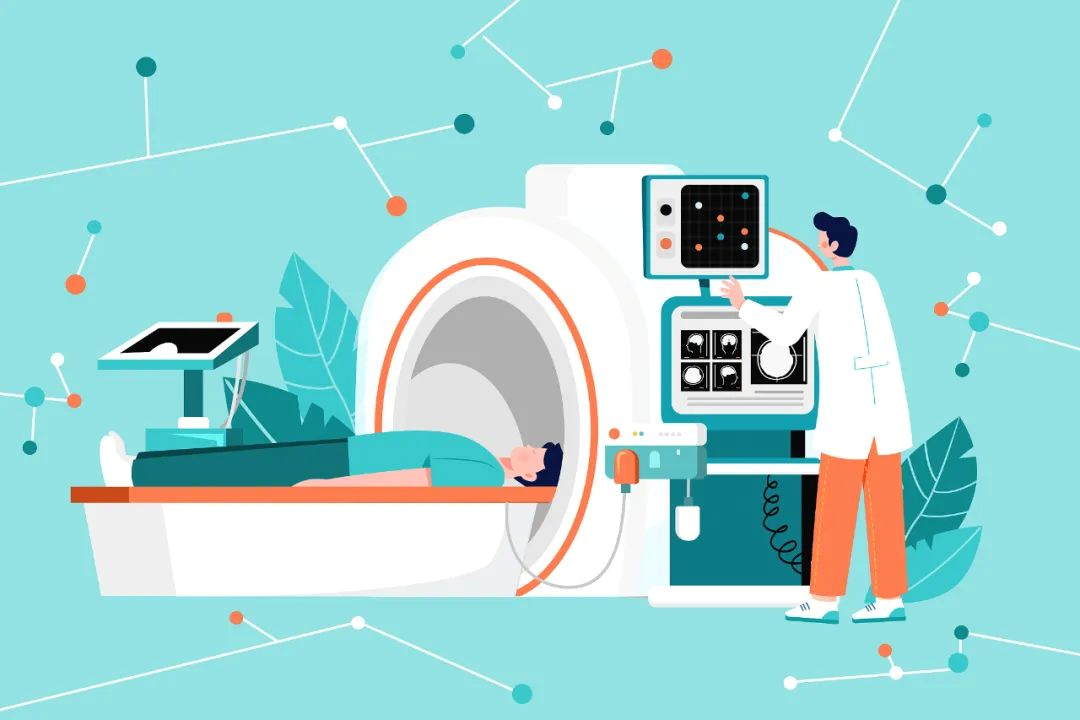
03-CT、MRI
It can display lesions in the digestive system organs more clearly.
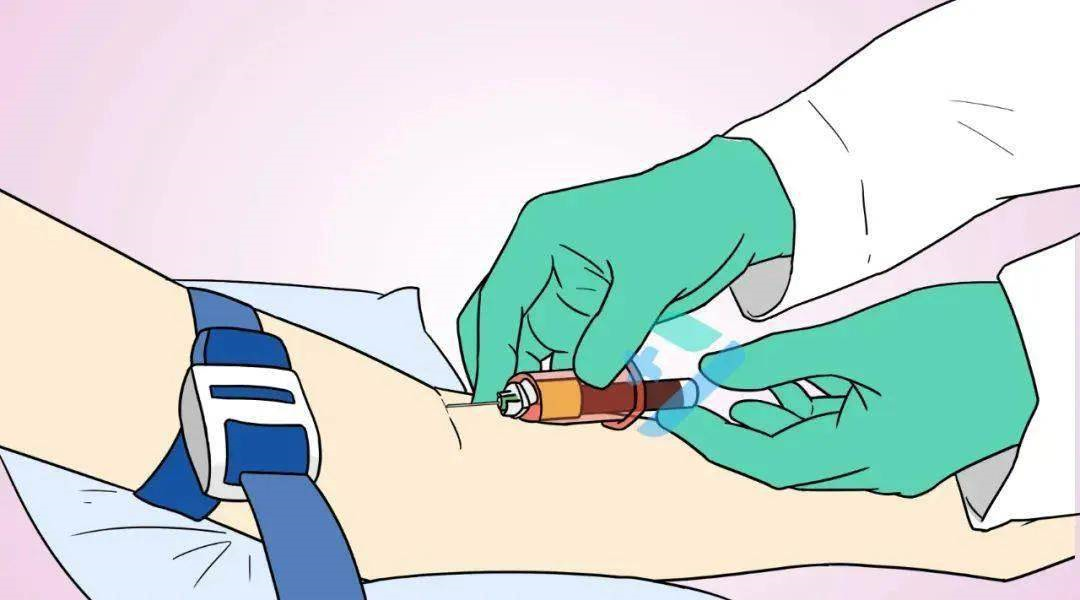
04-Blood test
It can detect indicators such as liver function and pancreatic function.
A healthy digestive system is vital to our quality of life
By understanding its structure and function
Cultivating good living habits
Having regular checkups
We can take preventive measures ("stomach-proofing") and make proactive plans ("strategizing from the gut")
To maintain digestive health and enjoy a better life
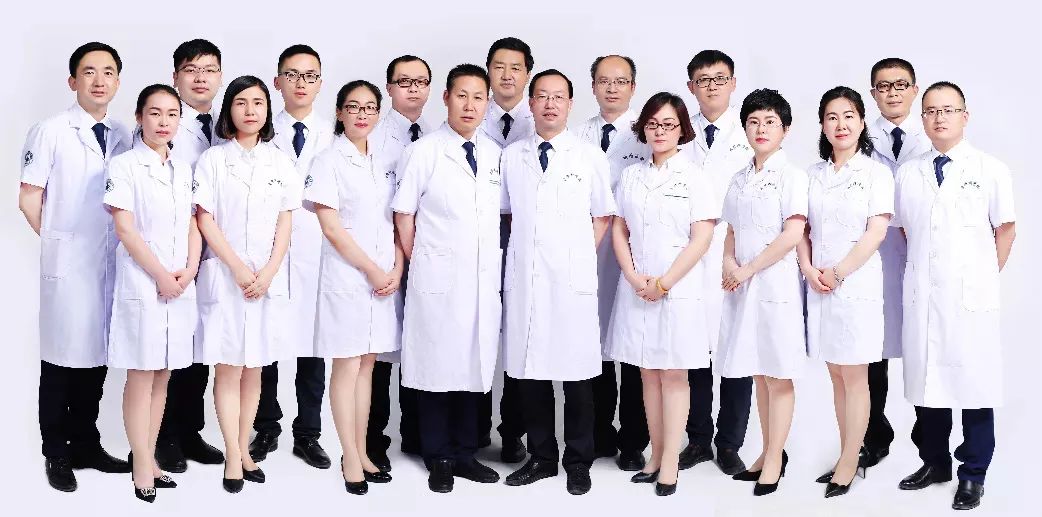
The gathering of top talent lays a solid foundation
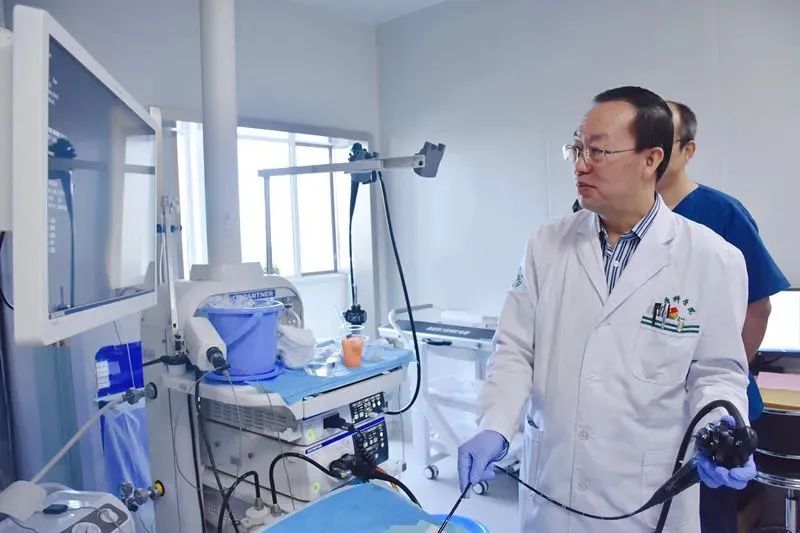
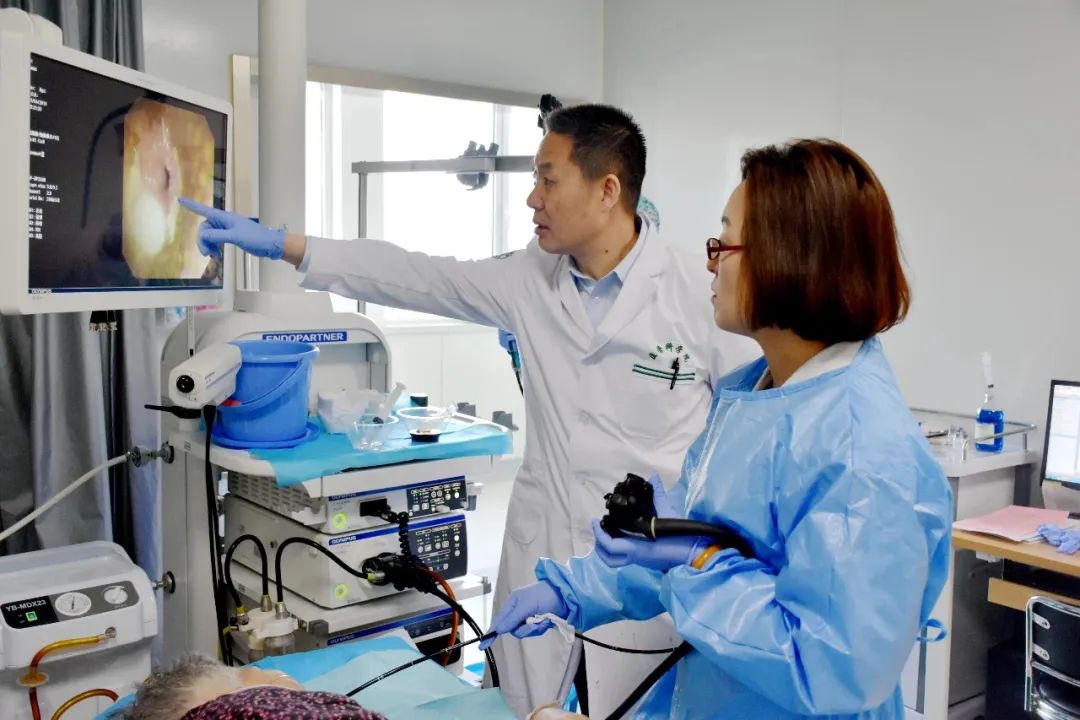
Wuwei, as a key region with a high incidence of gastric cancer nationwide, has seen Gansu Wuwei Cancer Hospital place great emphasis on cultivating digestive system professionals, meticulously building a highly trained, accurately diagnosing, and widely trusted gastrointestinal tumor diagnosis and treatment team. The hospital has established a digestive medicine team led by a group of senior experts, including Chief Physician Zhang Zhiyi, the founder and chief expert of the Department of Gastroenterology at Wuwei Cancer Hospital, as well as the director of the Endoscopy Center—recognized as a leading talent in Gansu Province's healthcare system and Wuwei City, and a top expert in digestive medicine; Chief Physician Wu Zhengqi, a first-class chief physician, Gansu Province's leading talent, advanced worker, and academic leader; Chief Physician Lu Linzhi, director of the Wuwei Digestive Professional Committee; Chief Physicians Zhang Wenhong (Master of Medicine) and Zhao Guangyuan (Master of Medicine); Associate Chief Physicians Li Shihua, Liu Jindian (Master of Medicine), Xie Chunfang, and others. Meanwhile, with the collaboration of a large number of senior digestive surgery experts, including Deputy Director Physicians Nie Peng, Chen Hongbing, Teng Tingpeng, Li Shigong, Tao Jichun, Wang Jihong, Wang Jisheng, Su Fadeng, and others—all holding senior professional titles—the team has formed a multidisciplinary, well-structured "talent system."
Equipment Upgraded, Technology Advanced
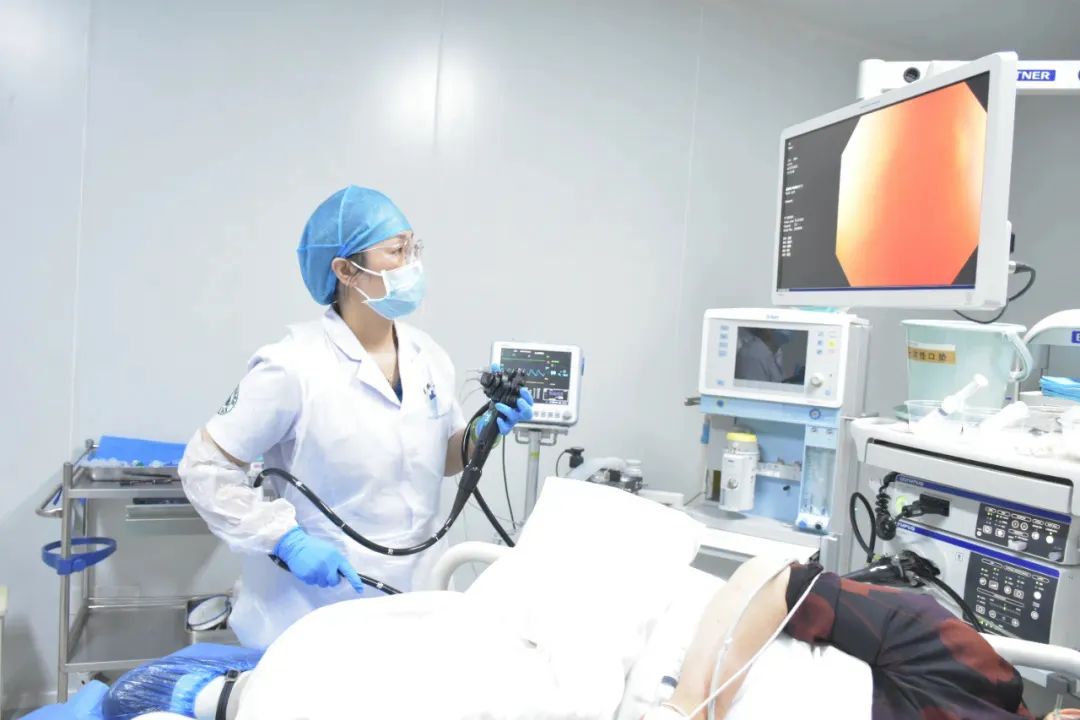
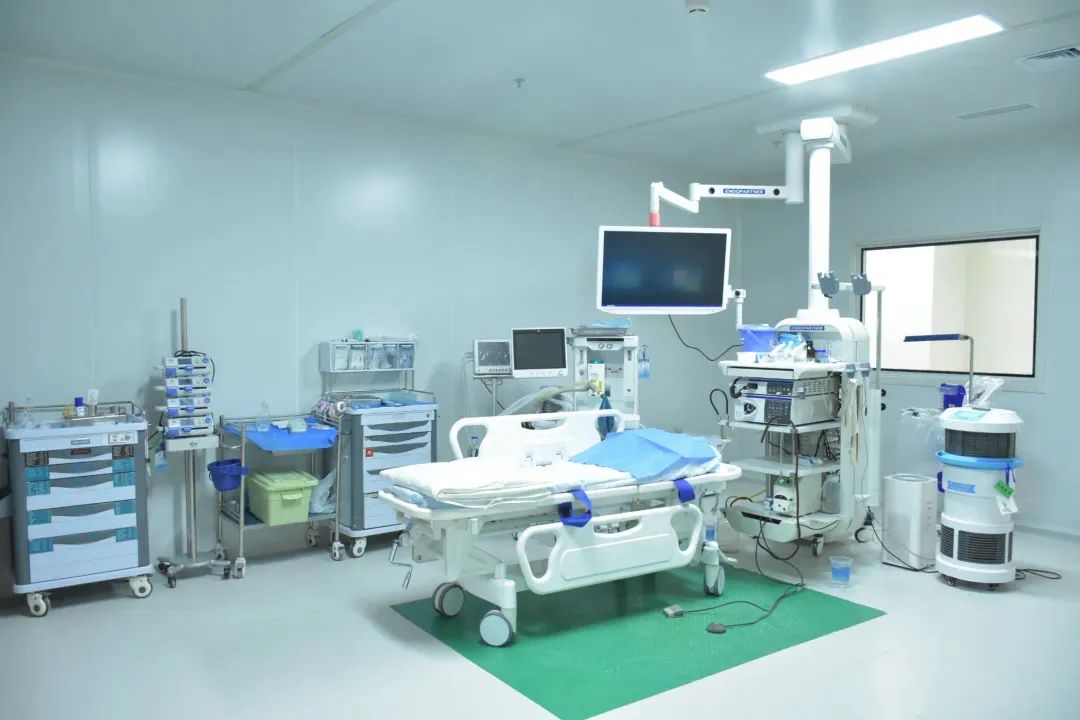
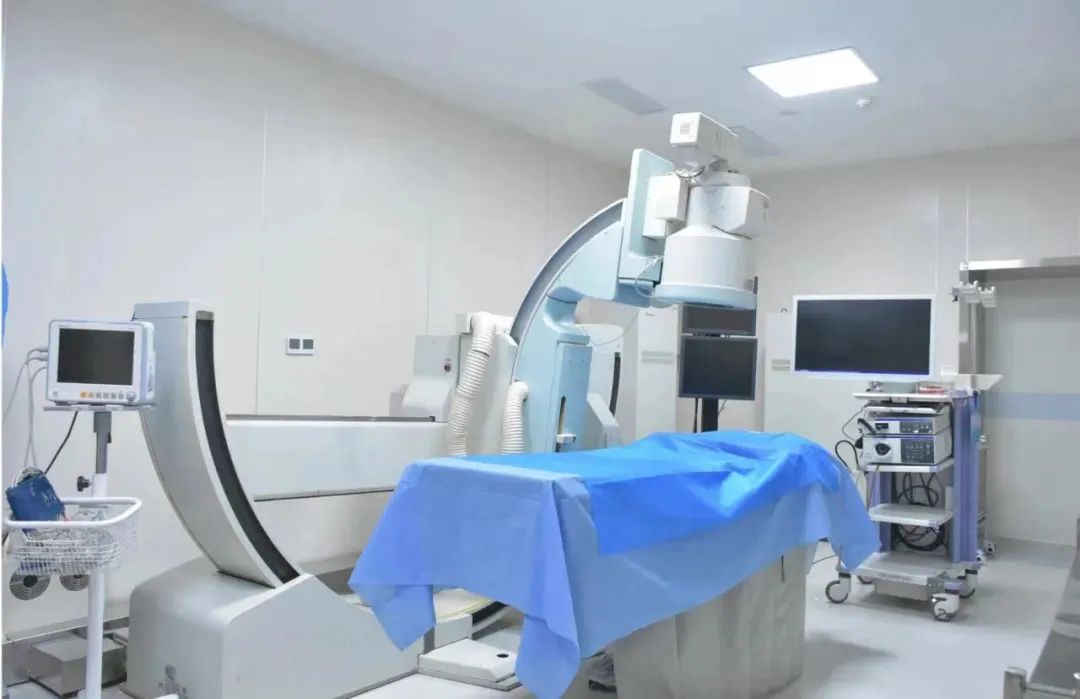
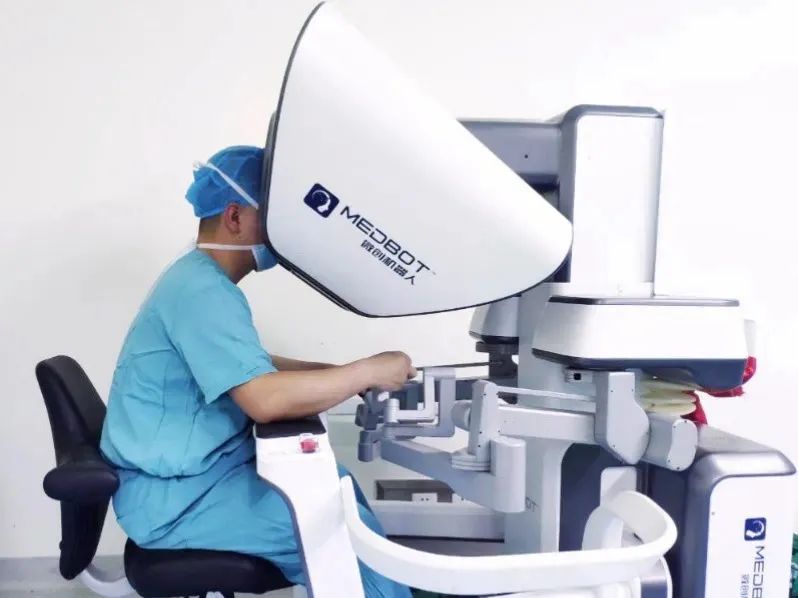
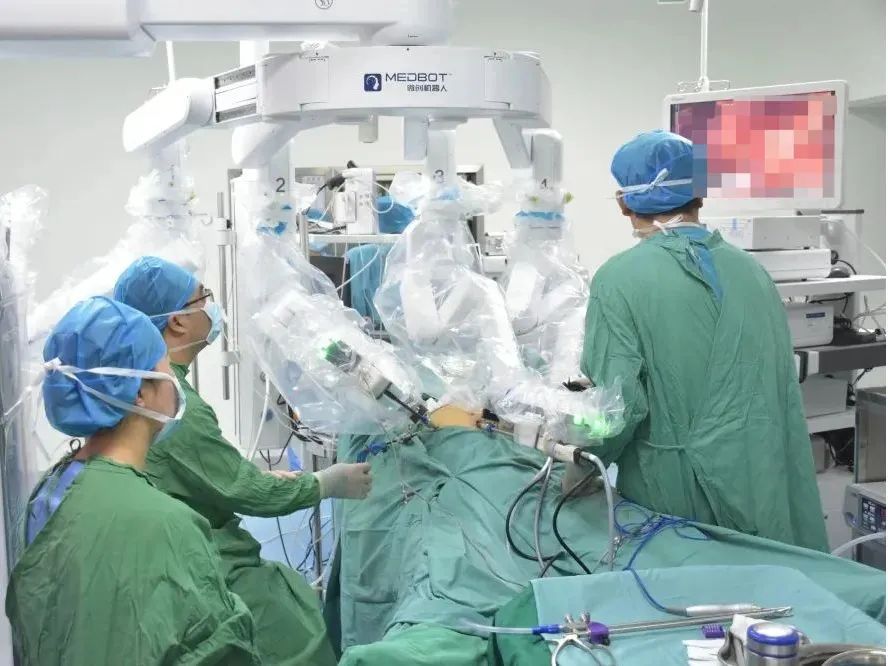
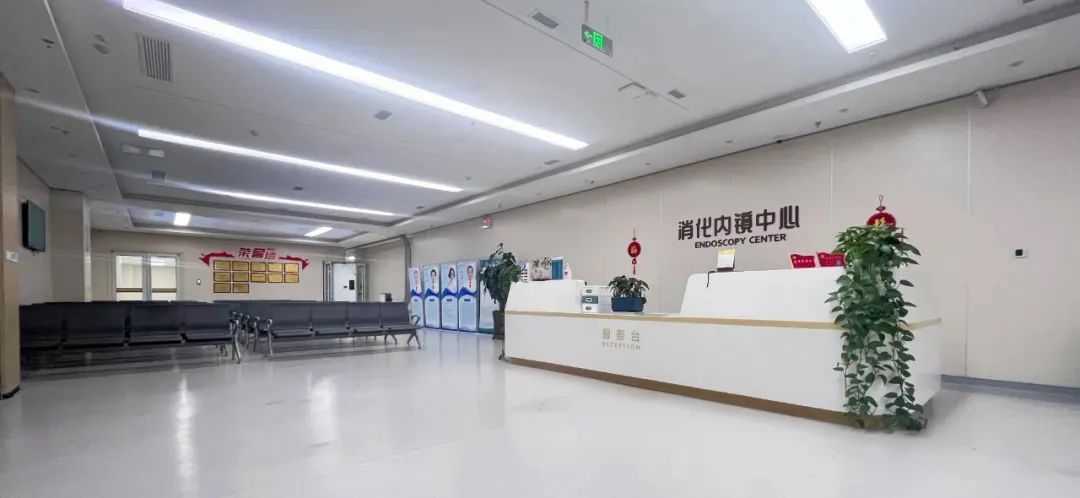
Wuwei Cancer Hospital is equipped with three endoscopy centers, featuring nearly 20 suspended Olympus endoscopy systems across 15 treatment rooms, along with over 50 various types of endoscopes, including complete sets of enteroscopes, ultrasound endoscopes, chromoendoscopy, and magnifying endoscopes. The heavy ion therapy area currently has 10 standard gastrointestinal endoscopy examination rooms. The hospital has ranked first in Gansu Province for eight consecutive years in both the number and examination rate of painless gastrointestinal endoscopies, secured the top prize in national endoscopy combined with pathological diagnosis competitions, and achieved the highest detection rate of upper gastrointestinal cancers among all hospitals in the province. Notably, the hospital has performed Gansu's first robotic-assisted scarless appendectomy via transanal transabdominal approach under endoscopy, as well as Gansu's first endoscopic ultrasound-guided biliary drainage (EUS-BD). It routinely conducts clinically assisted surgeries using robotic systems, standard endoscopic ultrasound examinations, and various punctures and treatments under endoscopic ultrasound guidance, including EMR, ESD, ERCP, STER, sclerotherapy and band ligation for esophageal and gastric varices, dilation and stent placement for benign and malignant gastrointestinal strictures, and peroral endoscopic myotomy (POEM). The hospital leads the province in the volume of ESD procedures performed.
The "Wuwei Model" benefits millions of families
Since 2006, with the full support of Professor Yu Zhonglin and Professor Huang Xiaojun from Beijing Friendship Hospital, the national medical reform major project "Early Diagnosis and Treatment of Upper Gastrointestinal Cancer in Rural Areas" has been implemented in Wuwei. After nearly two decades of dedicated efforts, remarkable progress has been achieved—not only has the rising trend of gastric cancer incidence and mortality been successfully curbed, with both rates dropping significantly, but the project has also brought hope to countless patients, lighting the way to life for those in despair. The "Wuwei Model" for upper gastrointestinal cancer prevention has long benefited over one million residents in Wuwei. Through the "three early" (early detection, early diagnosis, and early treatment) prevention approach, residents have proactively improved their living environments, changed dietary and lifestyle habits, and actively participated in large-scale early screening programs organized by hospitals. Thanks to years of persistent implementation of the "three early" strategy, compared to 2006, Wuwei has seen a significant decline in both gastric cancer incidence and mortality rates, with the incidence rate halving compared to two decades ago. Meanwhile, the Department of Gastroenterology has successfully undertaken several key national and provincial research projects, including the National Science and Technology Benefit-the-People Plan project "Demonstration of Prevention and Control Models for High-Incidence Areas of Malignant Tumors in Wuwei," the National Public Welfare Industry Special Project "Prospective Evaluation Study of Upper Gastrointestinal Cancer Screening," and the National Key Research and Development Program projects "Establishment and Validation of a Large-Scale Standardized Gastric Cancer Cohort" and "Validation and Application of Biomarkers for Digestive Tract Tumor Diagnosis and Treatment." Additionally, the department led and participated in provincial and municipal projects such as "Promotion of Sequential Screening for Gastric Cancer" and "Clinical Application of Membrane-Covered Mesh Esophageal Stents." These efforts have contributed to nearly halving the incidence of upper gastrointestinal cancer in Wuwei, saving countless lives from cancer and enabling tens of thousands of patients with early-stage upper gastrointestinal cancer to return to work and enjoy a better quality of life.
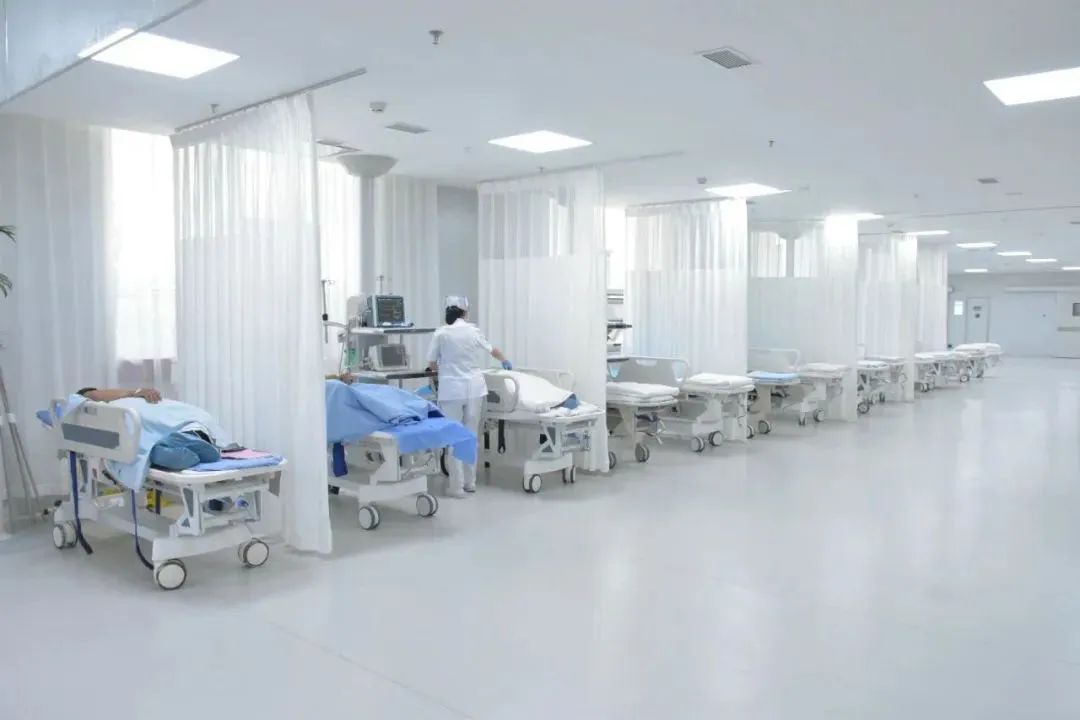

● Provincial Key Discipline of Gansu Province.
● First Place in National Endoscopy Combined with Pathological Diagnosis Competition.
● Ranked First in Gansu Province for Eight Consecutive Years in Both Number of Pain-free Endoscopies Performed and Pain-free Endoscopy Examination Rate.
● Highest Detection Rate of Upper Gastrointestinal Cancer Among All Hospitals in Gansu Province.
● Leading Volume of ESD Procedures in Gansu Province.
● Nationally Advanced Equipment and Diagnostic Capabilities: Successfully Performed Gansu's First Robotic-Assisted Scarless Appendectomy via Transanal Transabdominal Approach and Gansu's First Endoscopic Ultrasound-Guided Biliary Drainage (EUS-BD).
● Premier Professional Team Led by Top Experts Including: Chief Physician Zhang Zhiyi, Founding Director of the Department of Gastroenterology and Director of the Endoscopy Center at Wuwei Cancer Hospital, Distinguished Medical Expert in Gansu's Health System Chief Physician Wu Zhengqi, Chief Expert and Academic Leader of the Department of Gastroenterology Chief Physician Lu Linzhi, Director of Wuwei Digestive Professional Committee.
● Designated as: National Early Diagnosis and Treatment Base for Gastric Cancer (Ministry of Health), National Training Base for Digestive Endoscopy Techniques (Ministry of Health), Gansu Provincial Key Laboratory of Gastrointestinal Diseases, Wuwei Sub-center of Shanghai Molecular Medicine Center for Helicobacter pylori (China), Wuwei Sub-library of Xijing Biobank.
● Currently Pursuing National Key Discipline Status and Establishing a Western China Demonstration Base.