Scientific knowledge quiz on exercise
1. Exercise can lose weight?
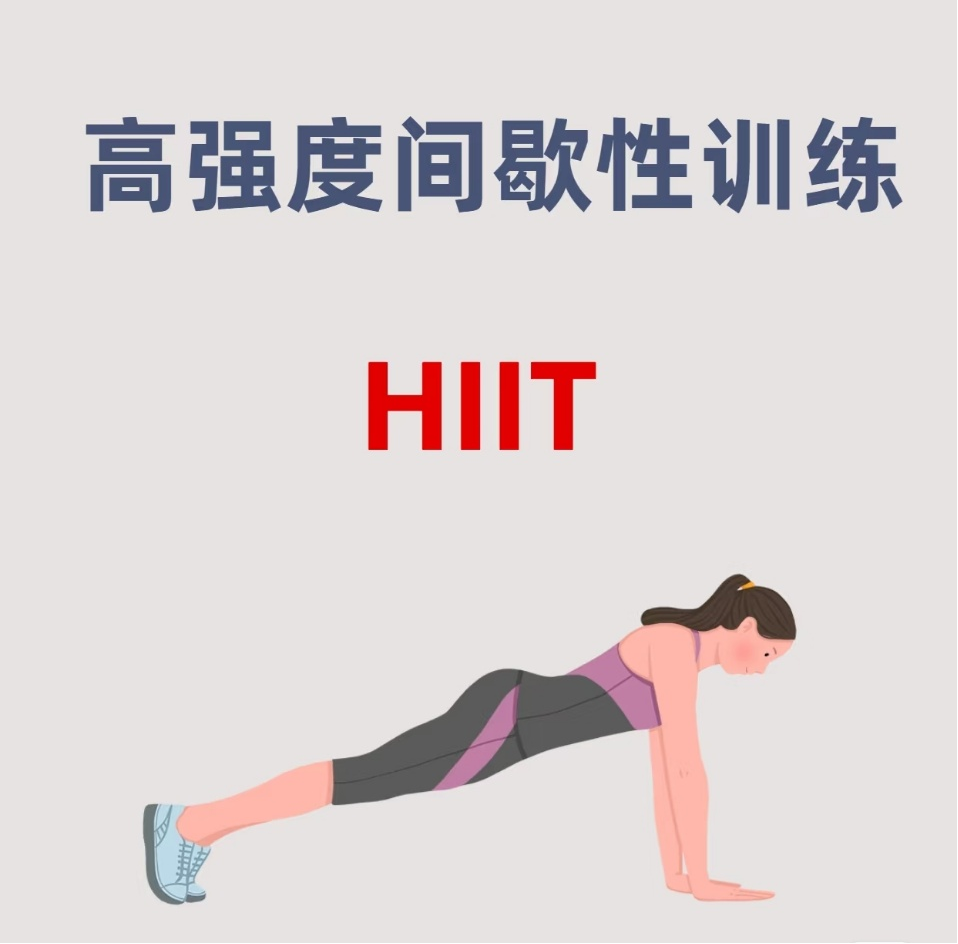
The answer is yes, and there have been many scientific studies that have proven that exercise does help with weight loss. Whether it's endurance training, strength training or high-intensity interval training (HIIT), significant weight loss can be achieved. Typically, when these exercises are performed over a period of 4 to 12 weeks, the average weight loss ranges from 1.5 kg to 3.5 kg, with endurance training and HIIT also leading to significant reductions in body fat, ranging from 1.3 kg to 2.6 kg. Weight loss varies from person to person and is influenced by factors such as the intensity, frequency, and length of the specific exercise.
Aerobic training and HIIT have similar effects on weight loss and fat loss in overweight or obese adults when total energy expenditure is consistent. It is also important to note that while diet has a greater impact on overall weight loss, exercise is more effective in reducing visceral fat.
It will be noted that athletes are usually not very fat, but when they retire, they tend to gain weight easily because they no longer exercise as much. This suggests that athletes are not naturally thin, and that long periods of intense training have helped them stay in shape. If their diet is not adjusted after retirement, they will gain weight. Therefore, maintaining a lifelong exercise habit is an important way to maintain a healthy weight.
2.Exercise Does More Than Just Manage Weight
While exercise can aid in weight loss, its impact on metabolic health is even more significant. In fact, the weight-loss effects of exercise may not be as immediate as dietary changes, but its broader health benefits should not be overlooked. For those who are overweight or obese, the true value of exercise extends beyond shedding pounds—it improves metabolic function and muscle health, which are often more important than weight alone.
Exercise is Medicine. Extensive research shows that physical activity is key to preventing at least 35 chronic diseases. Its effectiveness in preventing and treating these conditions can be comparable to—or even surpass—that of medication. Today, physical inactivity is recognized as a leading cause of many chronic illnesses. Muscles are not just tools for movement; they also function as endocrine organs, meaning exercise stimulates them to release beneficial substances that may help prevent or even treat certain diseases.
The Benefits of Exercise Are Holistic. We advocate for a lifelong commitment to healthy living—whether young or old, regular exercise is essential for all ages. Among different types of physical activity, two are particularly recommended: aerobic exercise and resistance training.

3. What are the main benefits of aerobic exercise?
Aerobic exercises are those that raise your heart rate and breathing. The types of aerobic exercise come in various forms, including moderate-intensity activities such as brisk walking, jogging, water sports, rowing, cycling, dancing, tai chi and Baduanjin. It is recommended to exercise 5 to 7 days a week for a duration or accumulation of 30 minutes each time, and gradually increase to 60 minutes a day to ensure that the total time of exercise per week is not less than 250 to 300 minutes, while the interval between exercises should not be more than 2 days. In the case of overweight or physically inflexible children and adolescents, they may not be able to achieve 60 minutes a day. They can start with low-intensity, short-duration exercise according to their own conditions, and gradually increase the frequency and duration until they reach the target. The benefits of engaging in aerobic exercise are extensive, especially in terms of increasing cardiorespiratory endurance. Cardiorespiratory endurance is known as the fifth most important vital sign because it is directly related to our health. Studies have shown that for every unit increase in cardiorespiratory endurance, mortality can be reduced by 15 per cent. Cardiorespiratory endurance is usually assessed in metabolic equivalents, which are measured in megatons and represent the number of times you consume oxygen while exercising compared to when you are quiet. For example, the moderate range is 3-6 megatons, indicating that you consume 3-6 times as much oxygen during exercise as you do when you are quiet. If you get out of breath going up three flights of stairs, it's a sign that your cardiorespiratory endurance may need a boost.
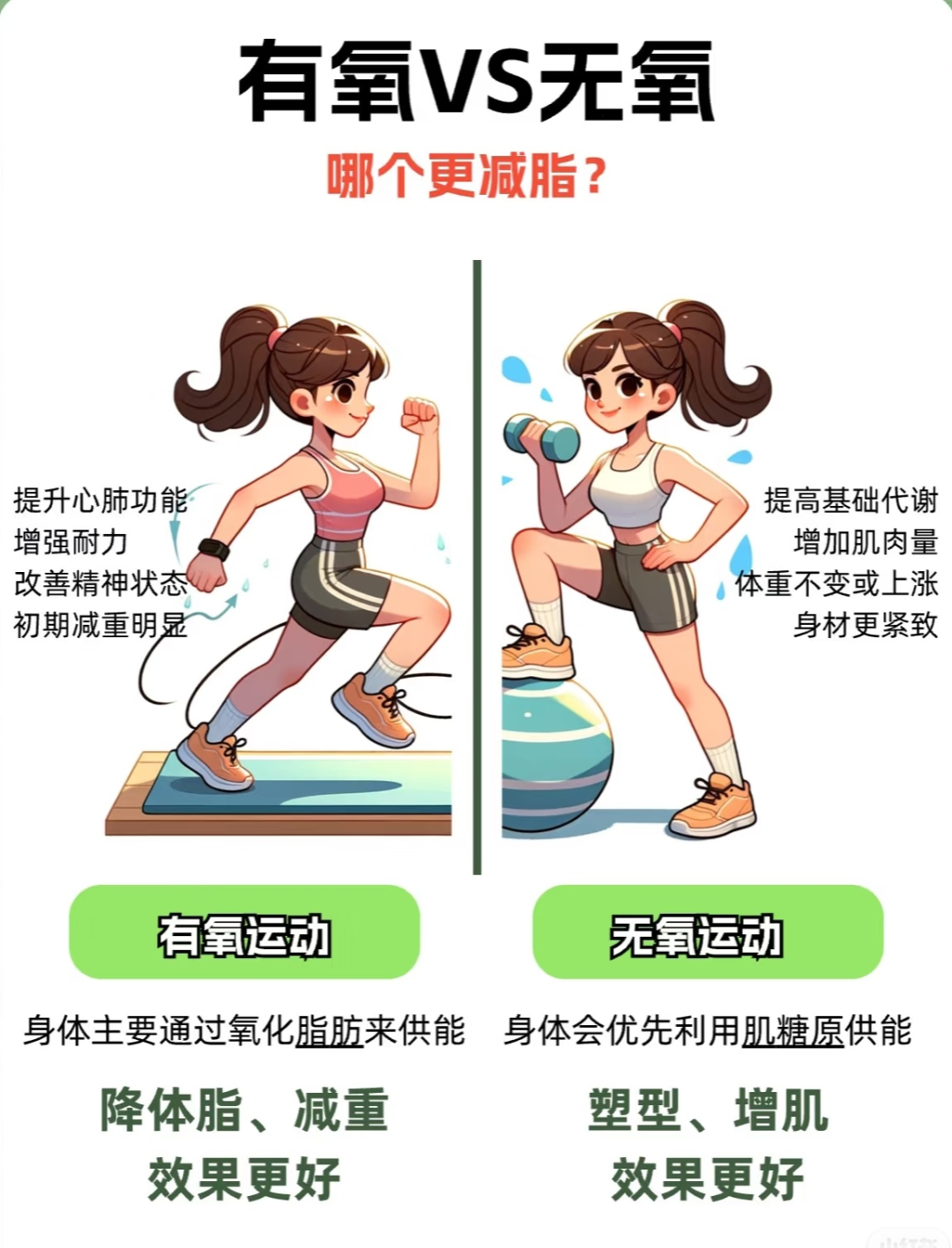
Leading scholars in the field of cardiorespiratory endurance have said "Fat but fit", meaning that even if a person is obese, as long as his cardiorespiratory endurance is good, his risk of cardiovascular disease is lower than that of those with poor cardiorespiratory endurance. However, if overweight and obese people do not exercise and have poor cardiorespiratory endurance, then their risk is high. Therefore, it is important to keep exercising regardless of your weight, even if you are fat, you should be a healthy fat person. Many people do not realise that they are physically inactive. Physical inactivity can manifest itself in two ways: one is not doing any moderate to vigorous exercise at all; the other is a level of physical activity that is too low to bring health benefits. For example, many people think they are very active and walk every day, but in fact walking may be very low intensity exercise and again may fall into the category of insufficient physical activity for health benefits. (Want to measure your physical activity level through step counts? You can refer to the Mission Standard "Assessment of Physical Activity Levels in Healthy Weight Adults" (T/CNSS 025-2024)).
4. What are the main benefits of resistance exercise?
Resistance training includes exercises using free weights (e.g. dumbbells), body weight (e.g., push-ups, squats), fixed machines and resistance bands. People who are muscular and strong have a lower risk of cardiovascular disease, which means that resistance training is very important for our health. Resistance training can reduce the risk of cardiovascular disease by 17% and the risk of death by 15%. Greater muscle strength is associated with a lower risk of heart disease, all-cause mortality, cerebrovascular accidents, physical dysfunction, and other lower rates.
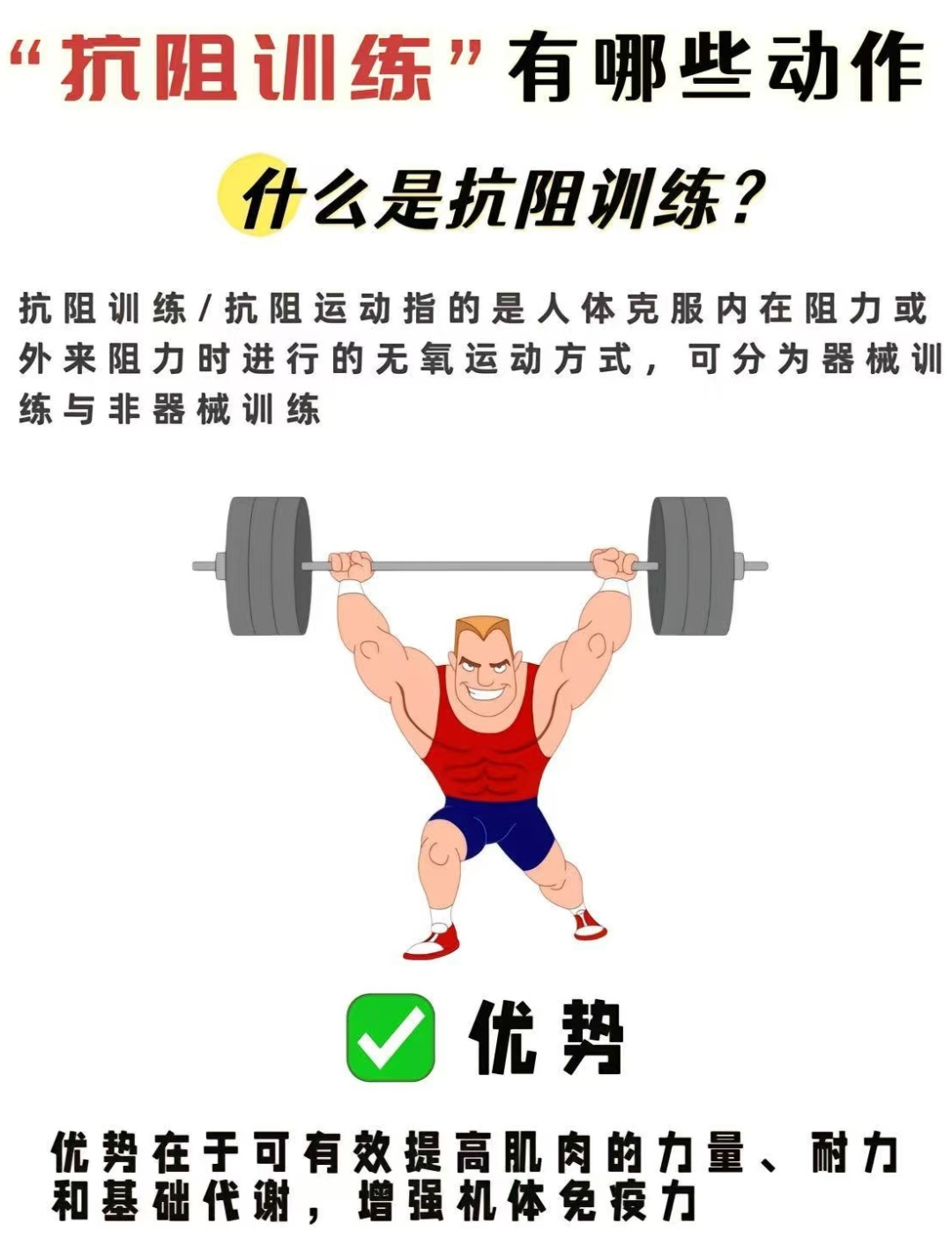
Resistance training is as effective as aerobic exercise in the treatment of type 2 diabetes, and is particularly effective in improving blood lipid profiles in people who are overweight or obese.
For healthy adults, resistance training is recommended twice a week, and each exercise should involve the major muscle groups. Perform 2 to 4 sets of each movement and repeat each set 8 to 12 times until you feel muscle fatigue. Training in this way can help improve muscle strength and cardiovascular fitness. For special populations (e.g., the elderly or those with certain medical conditions), lighter weights and higher repetitions are recommended to reduce risk and reap health benefits.
5. How to maintain a healthy weight through exercise?
A common and convenient method of estimating HRmax (maximum heart rate) is to use the Gelish formula, which is calculated as HRmax = 207 - 0.7 x age. For example, a 51-year-old exercise enthusiast would have a maximum heart rate calculated using the Gelish formula as HRmax = 207 - 0.7 x 51 = 171 beats. Based on this maximum heart rate, the target heart rate range for moderate-intensity exercise (64% to 76%) is 171 x 64% to 171 x 76% = 110 to 130 beats. 1RM (Repetition Maximum) refers to the maximum amount of weight that can be standardised for a person to complete only once in a given movement, and can be used as a basis for adjusting the intensity of exercise during training. For example, if you can complete a standard squat only once with 50 kg, then 50 kg is the 1RM of your squat. 60%~70% 1RM is 30~35 kg. When squatting, you can choose this weight to perform 8-12 reps per set.
6. Tips for scientific exercise:
1. It is recommended that adults perform at least 150 to 300 minutes of moderate-intensity aerobic activity, or 75 to 150 minutes of higher-intensity aerobic activity, or an equivalent combination of the two intensities of physical activity each week. Also perform resistance training 2 times per week.
2. For people who have lost weight and fat, it is recommended that they prioritise 150~200 minutes of aerobic activity of at least moderate intensity. During the weight maintenance phase after weight loss, it is recommended to perform more aerobic exercise, 200~300 minutes of moderate-intensity exercise per week. In order to maintain muscle mass during weight loss, a resistance training-based exercise programme of moderate to high intensity is recommended.
3. Minimise sedentary activities and encourage fragmented exercise, such as standing up and moving around for a few minutes when working long hours or watching TV.
4. Gradually increase the amount of exercise. Start at a moderate intensity and gradually increase the intensity of exercise as your ability to exercise improves to gain more health benefits.