Top Experts Gather to Deliberate Optimal Treatment Strategies
Top Experts Gather to Deliberate Optimal Treatment Strategies
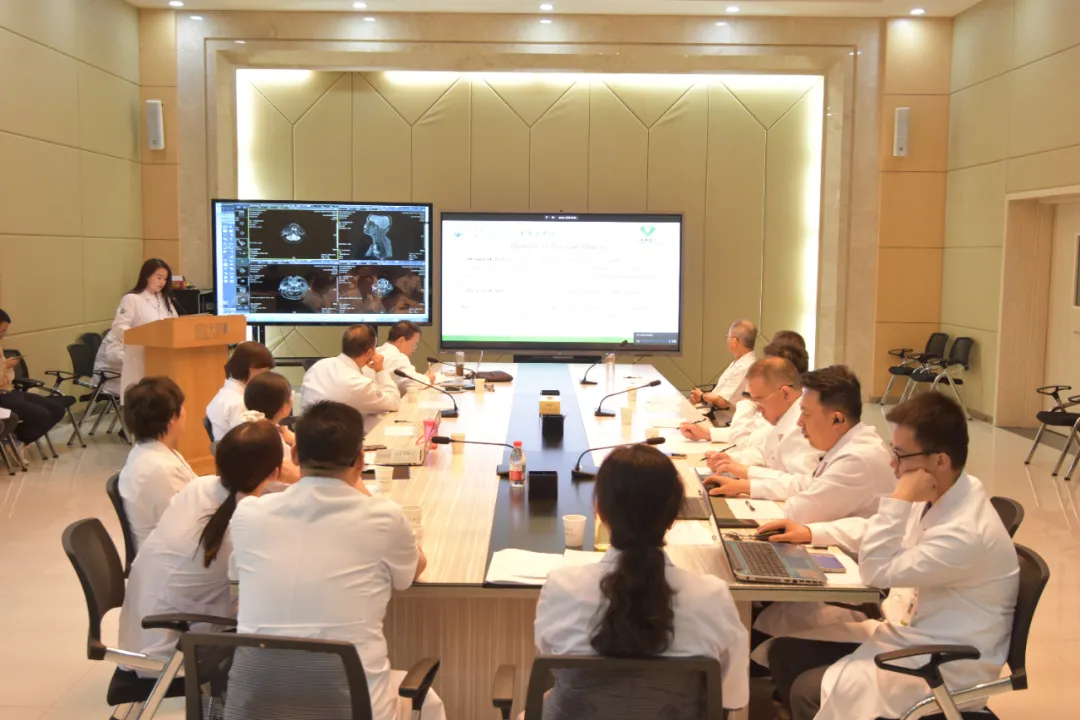
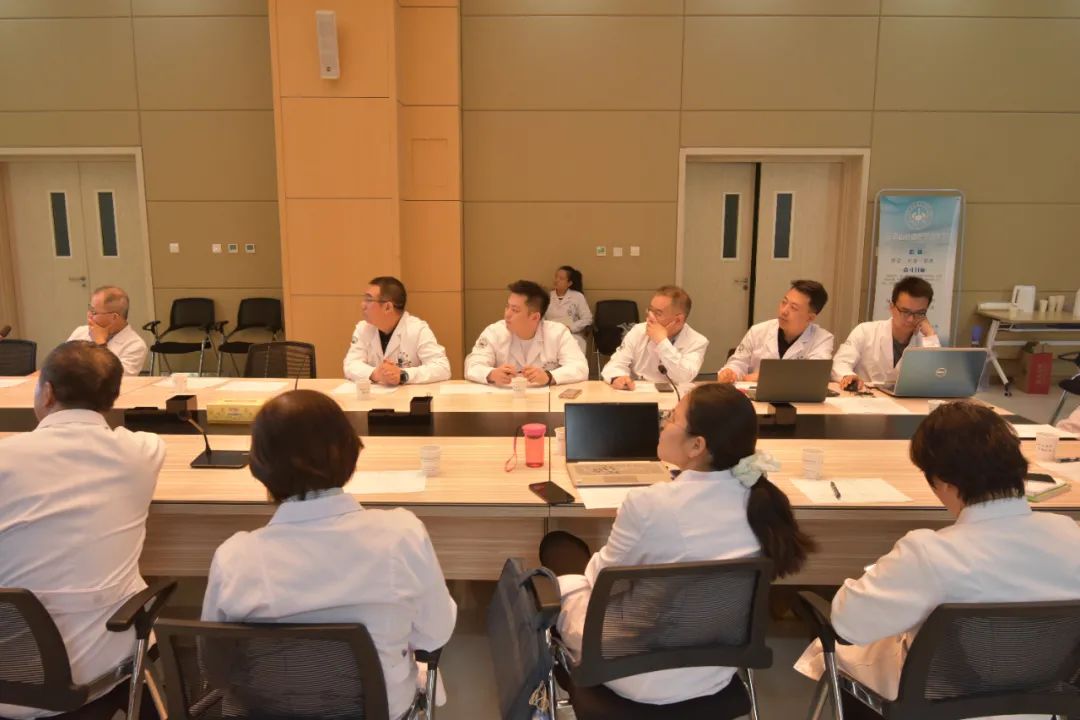
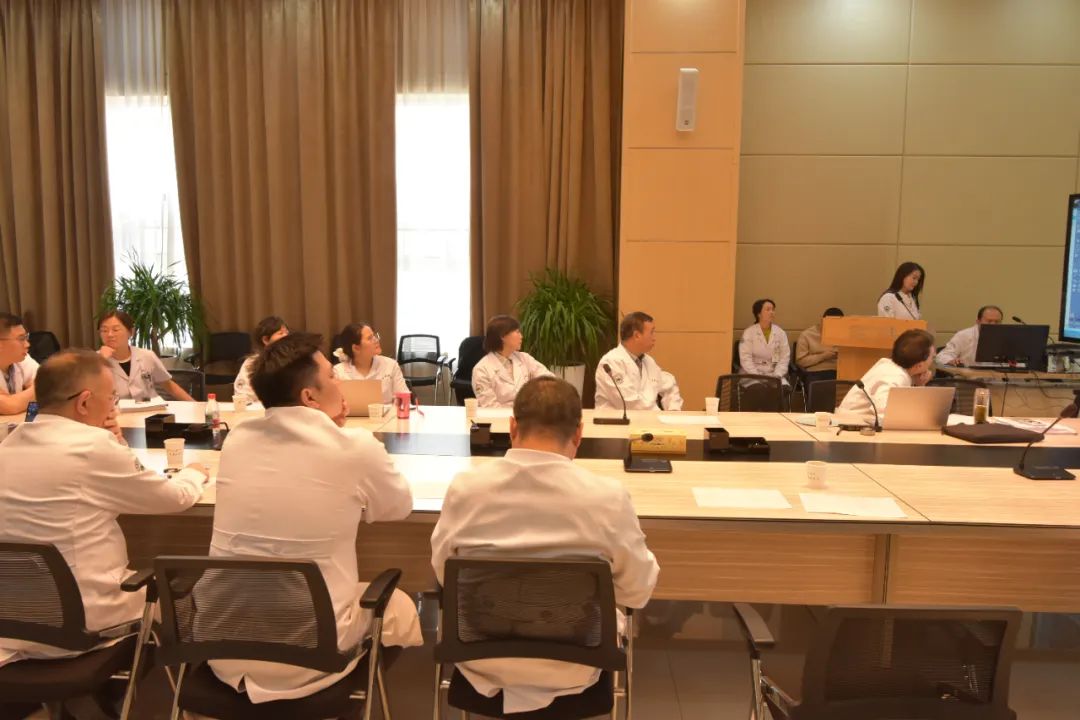
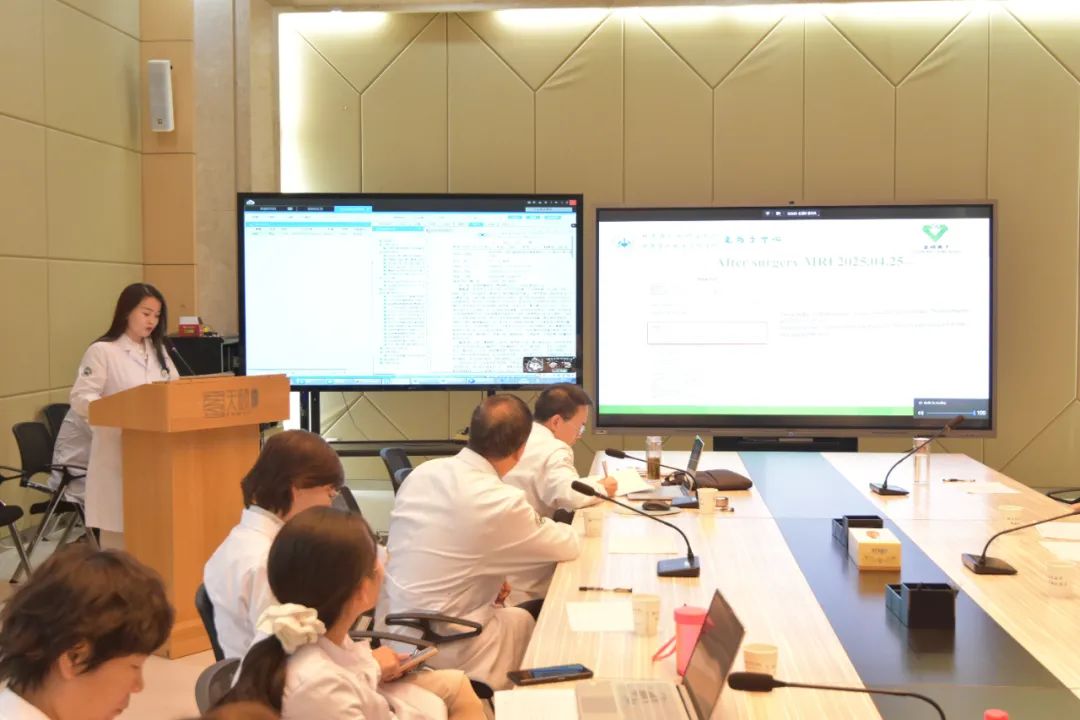
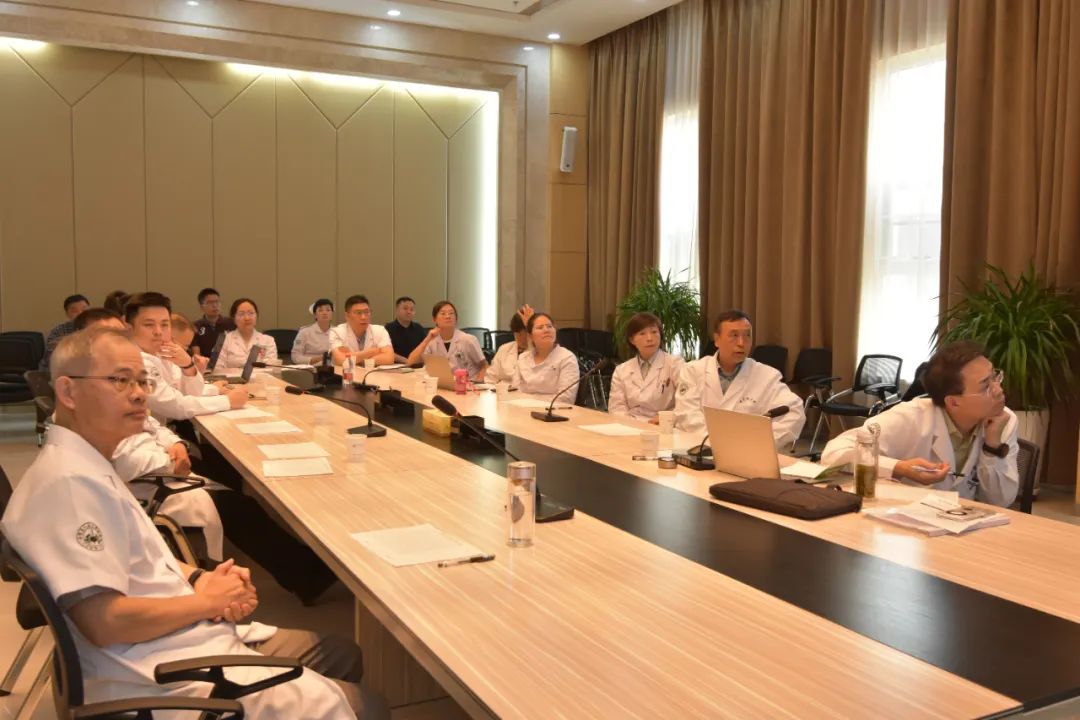
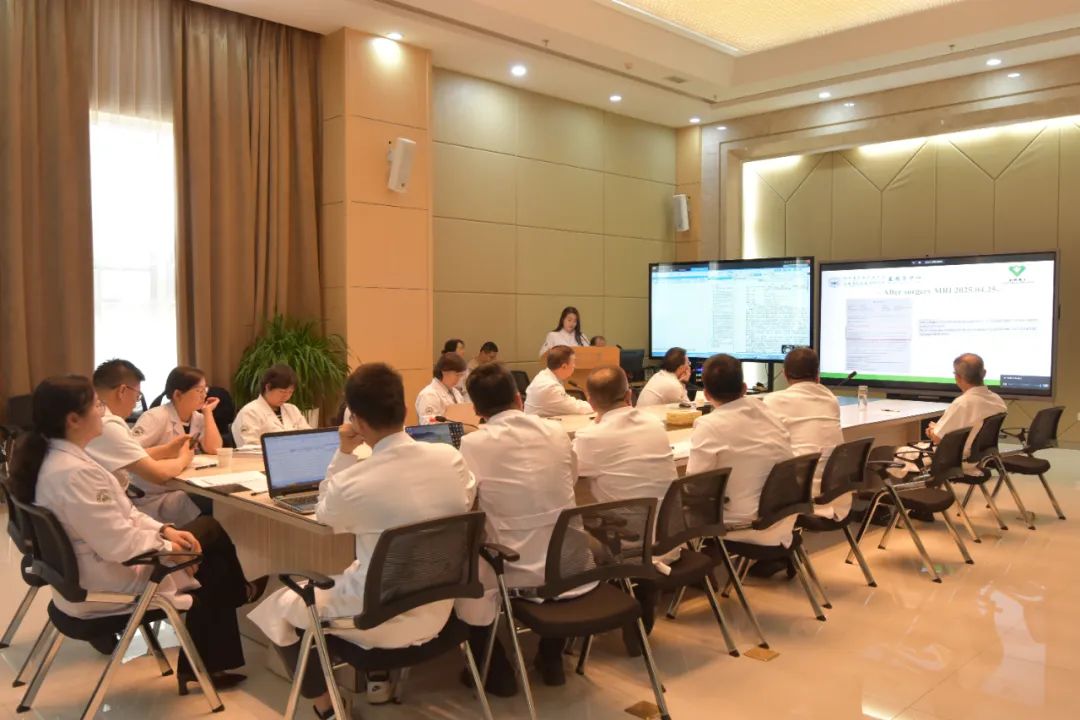
On May 14, President Ye Yancheng led a distinguished team of radiotherapy experts, including our hospital’s specially appointed professors Yee-Min Jen, Ma Changying, and Yin Chaosheng to Radiotherapy Department V for an academic guidance visit. The experts conducted in-depth analyses and discussions on the treatment plans of two patients, offering numerous valuable and precise recommendations that charted the course for subsequent therapies.
I. Adenoid cystic carcinoma of parotid gland
The first case is a patient from Malaysia with adenoid cystic carcinoma of the right parotid gland. On April 8, 2025, a head and neck MRI revealed an enhancing mass in the mid-to-lower pole of the right parotid gland, followed by local tumor resection. Postoperative pathology indicated a grade 2 adenoid cystic carcinoma lesion within the salivary gland tissue, with extensive infiltration into surrounding fat and muscle tissues at the surgical margins, widespread perineural invasion, and tumor involvement at partial surgical margins. A PET-CT scan on April 21, 2025, showed a diffusely hypermetabolic focus of uneven intensity in the residual right parotid region, suggesting possible residual disease. This is a relatively rare and highly challenging malignant tumor to treat, requiring a comprehensive approach involving surgery, radiotherapy, and other modalities. The hospital director and experts paid close attention to the case. After a thorough review of the patient's condition, the experts engaged in in-depth discussions. They began with detailed imaging studies, including CT and MRI, to assess the tumor's size, location, and relationship with surrounding tissues. Given the significant advantages of heavy ion therapy in terms of efficacy, side effects, and prognosis, the experts then deliberated on target delineation. Leveraging their extensive experience and expertise, they precisely outlined the tumor target area, taking into account its growth characteristics, potential facial nerve involvement, and other factors to guide irradiation targeting. Following further discussion, the experts finalized a treatment plan centered on heavy ion therapy, supplemented by oral care and neurotrophic support. This approach aims to maximize tumor cell eradication while minimizing damage to healthy tissues, thereby improving the patient's quality of life.
II. Glioblastoma Patient
The next patient is a case of glioblastoma (WHO Grade IV). During the first phase of photon radiotherapy, this patient developed symptoms of drowsiness. The experts first conducted a comprehensive assessment of the patient's condition. They carefully reviewed the patient's medical history, symptoms, and treatment course, and performed a thorough physical examination. Subsequently, the experts engaged in in-depth analysis and discussion regarding the drowsiness symptoms. They concluded that the drowsiness might be related to tumor compression on brain tissue. The experts decided to adjust the treatment plan by increasing the use of dehydrating agents to reduce intracranial pressure caused by cerebral edema. They also provided guidance for subsequent radiotherapy. Throughout the adjustment process, the experts remained attentive to the patient's physical condition and psychological state. They maintained open communication with the patient and their family, encouraging the patient to stay positive and cooperate actively with the treatment.
III. The Importance and Challenges of Precision Medicine
Through the diagnosis and treatment of these two patients, we have gained a profound understanding of the importance of precision medicine. Precision medicine is a patient-specific diagnostic and therapeutic approach that requires physicians to develop personalized treatment plans based on each individual's unique condition. This model not only enhances treatment efficacy but also minimizes unnecessary side effects and complications. However, precision medicine also faces numerous challenges. First, it relies heavily on extensive clinical data and bioinformatics support, demanding robust technical capabilities and resource integration from healthcare institutions. Second, it requires physicians to possess rich clinical experience and specialized knowledge to accurately assess a patient's condition and formulate appropriate treatment strategies. Additionally, precision medicine depends on the active cooperation and trust of patients and their families, as only through such collaboration can the effectiveness and safety of treatment be ensured.
IV. Future Prospects and Continuous Improvement
We will continue to uphold the philosophy of precision medicine and constantly improve our diagnostic and treatment capabilities as well as service quality. Our goal is to provide patients with more comprehensive and precise medical care. We will enhance physician training and education to elevate their professional expertise and clinical experience, ensuring they master the techniques and methodologies of precision medicine. Additionally, we will strengthen communication with patients and their families, actively listening to their needs and expectations to deliver more attentive and considerate care.
V. Concluding Remarks
Director Ye Yancheng and multiple radiotherapy experts visited our department to examine the two patients, providing invaluable guidance and recommendations. Their professionalism and dedication deeply moved and inspired us. Here, we extend our heartfelt gratitude and highest respect to them! At the same time, we have gained a profound understanding of both the significance and challenges of precision medicine. We will continue to diligently study and explore, constantly improving our professional expertise and clinical experience to deliver higher-quality, more efficient medical services to our patients.
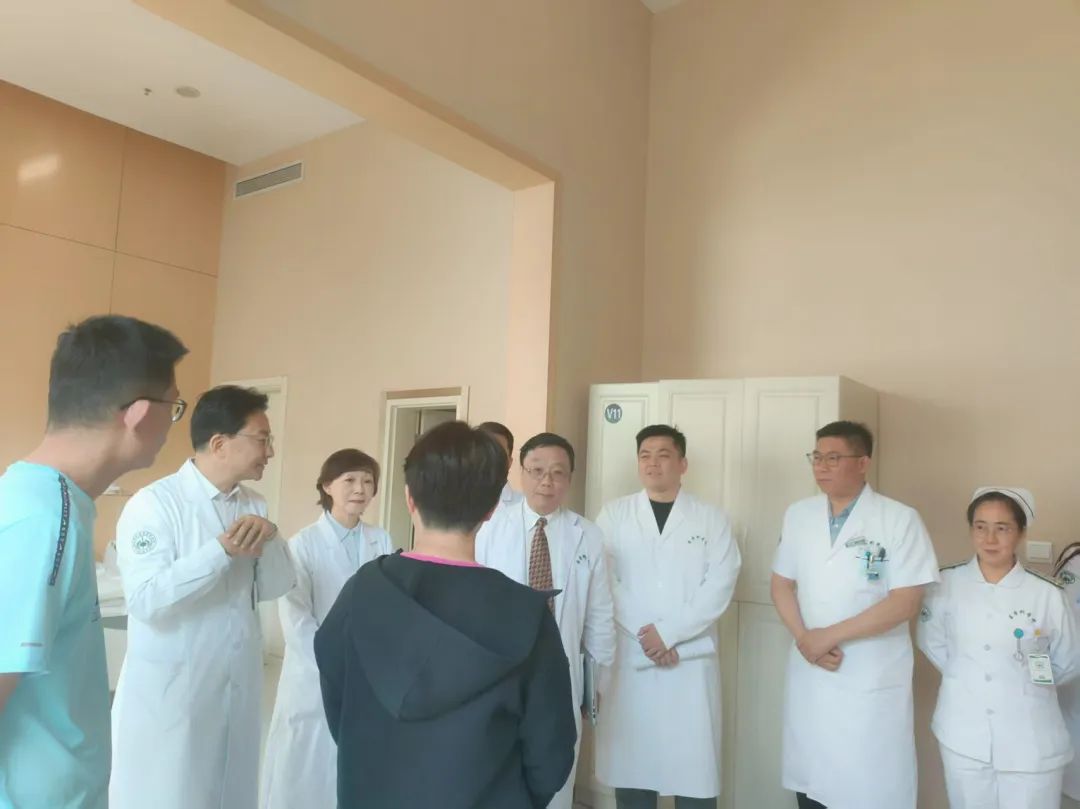
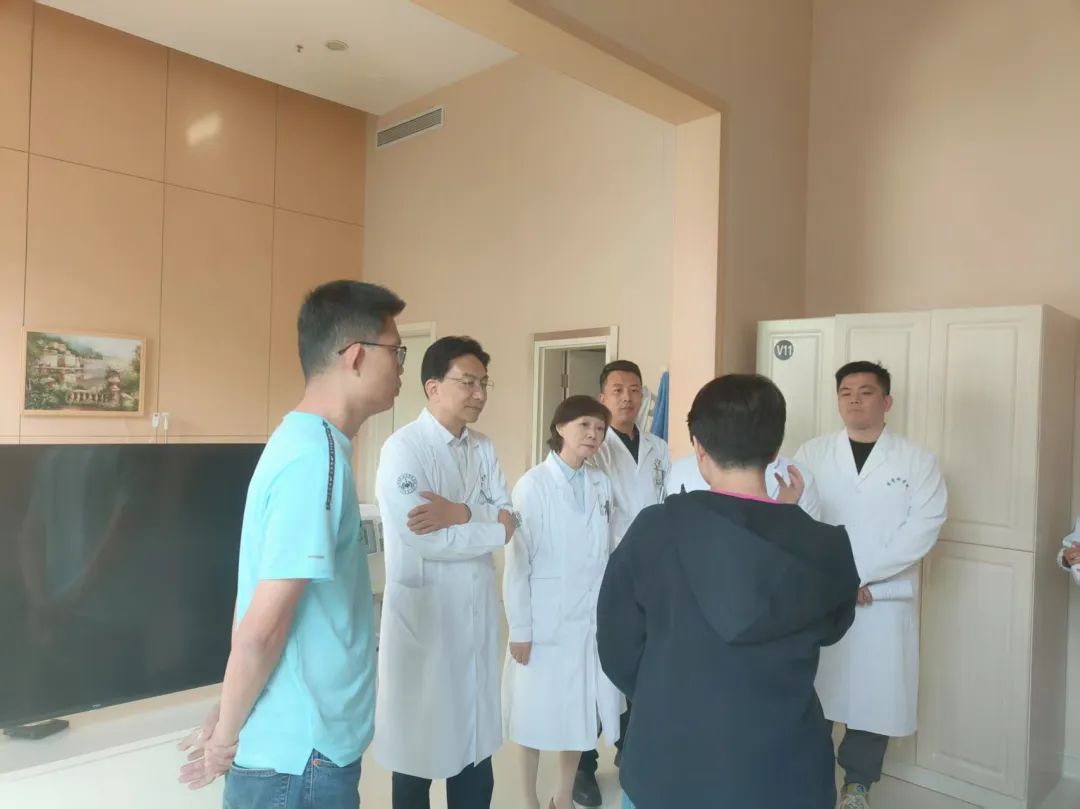
The experts visited the ward to examine the patient with adenoid cystic carcinoma of the parotid gland and communicated with the patient
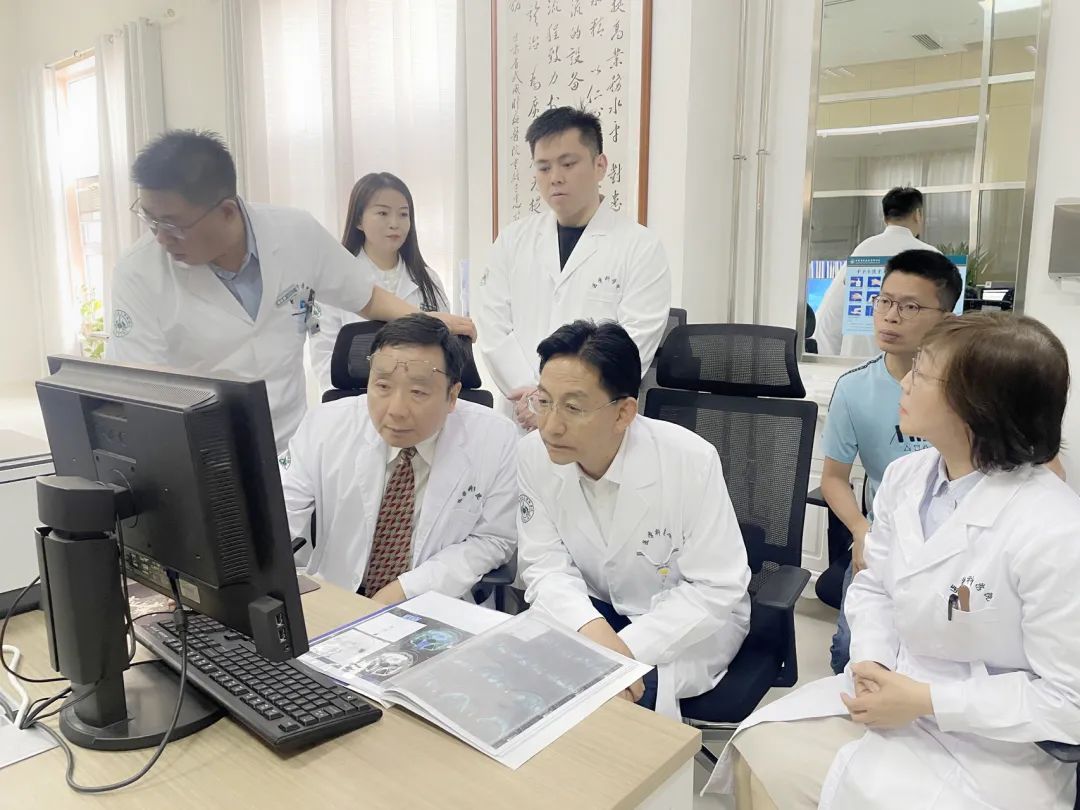
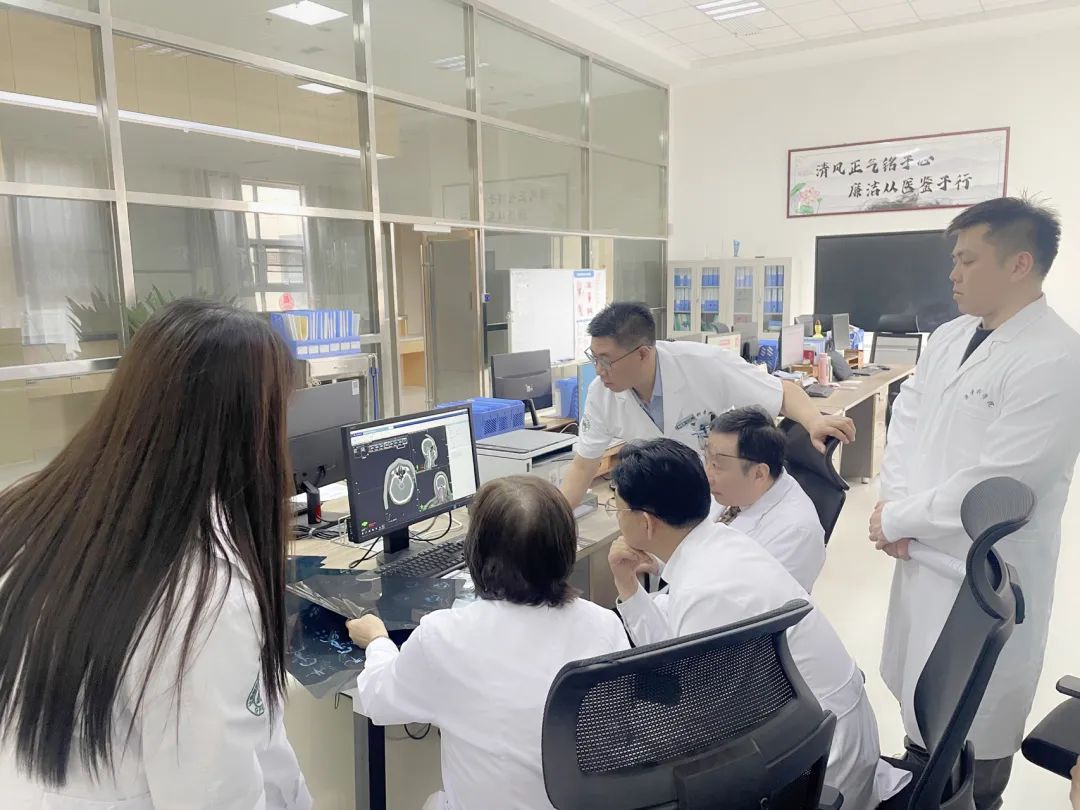
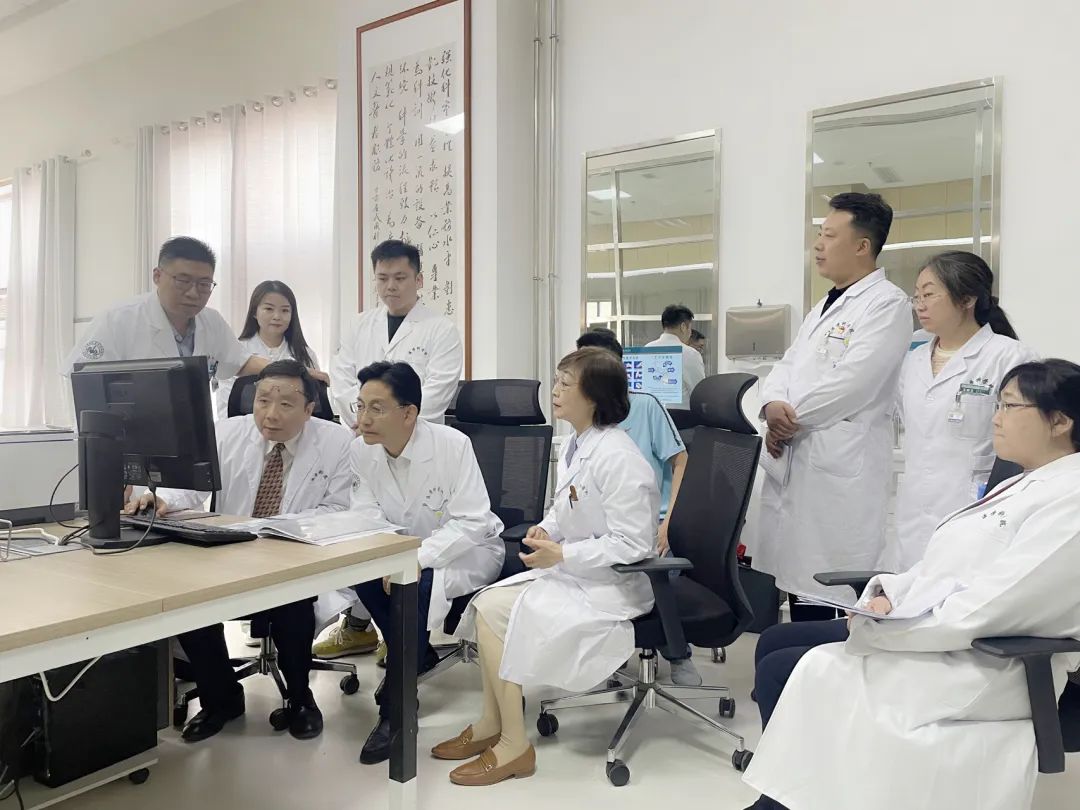
Professor Yee-Min Jen and others delineated the radiotherapy target area for the patient with adenoid cystic carcinoma.
Department Introduction
Radiotherapy Department V at Gansu Wuwei Cancer Hospital specializes in radiotherapy and comprehensive treatment for head and neck tumors, nervous system tumors, and lymphomas. We routinely provide neoadjuvant, concurrent, and postoperative adjuvant chemoradiotherapy (including heavy ion radiotherapy), immunotherapy, targeted therapy, and other comprehensive treatments for various tumors, including head and neck cancers (such as nasopharyngeal carcinoma, nasal NK/T lymphoma, sinonasal carcinoma, laryngeal cancer, tongue cancer, oral cancer, tonsillar malignancies, hypopharyngeal cancer, primary and metastatic tumors of the central nervous system) and malignant lymphomas.
Professional team
Radiotherapy Department V (Head and Neck Tumor Radiotherapy Department) at Gansu Wuwei Cancer Hospital currently has six physicians. All team members graduated from prestigious medical schools in China, including two with master's degrees, and possess solid medical theoretical foundations and extensive clinical experience. The department has specially appointed renowned experts such as Professor Hofei from Germany, Professor Hirohiko Tsujii from Japan, Professor Yee-Min Jen from Taiwan, and Professor Jia-Ming Wu to provide guidance, including consultations on complex cases, academic lectures, and ward rounds. The department's staff have received training at several leading heavy ion and photon therapy centers in Japan, Shanghai, Germany, and other locations, accumulating substantial experience in heavy ion therapy.
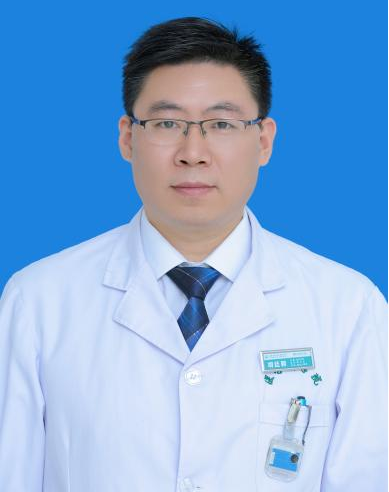

Hu Tingchao
Director of Radiotherapy Department V (Head & Neck Tumor Radiotherapy)
Gansu Wuwei Cancer Hospital
Deputy Chief Physician of Radiation Oncology with 20 years of clinical, teaching and research experience in cancer radiotherapy. Received specialized training at Sichuan Cancer Hospital, Fukuoka Tokushukai Medical Center (Japan), Shanghai Proton and Heavy Ion Center, and Sun Yat-sen University Cancer Center (Guangzhou). Specializes in comprehensive treatment of head & neck and intracranial tumors using carbon ion radiotherapy, chemotherapy, targeted therapy and immunotherapy. Particular expertise includes:
• Multimodal therapy for post-operative gliomas
• Treatment of recurrent/metastatic head & neck cancers
• Hippocampal-sparing whole brain radiotherapy and SBRT for brain metastases
• Stereotactic radiotherapy for benign/malignant intracranial tumors
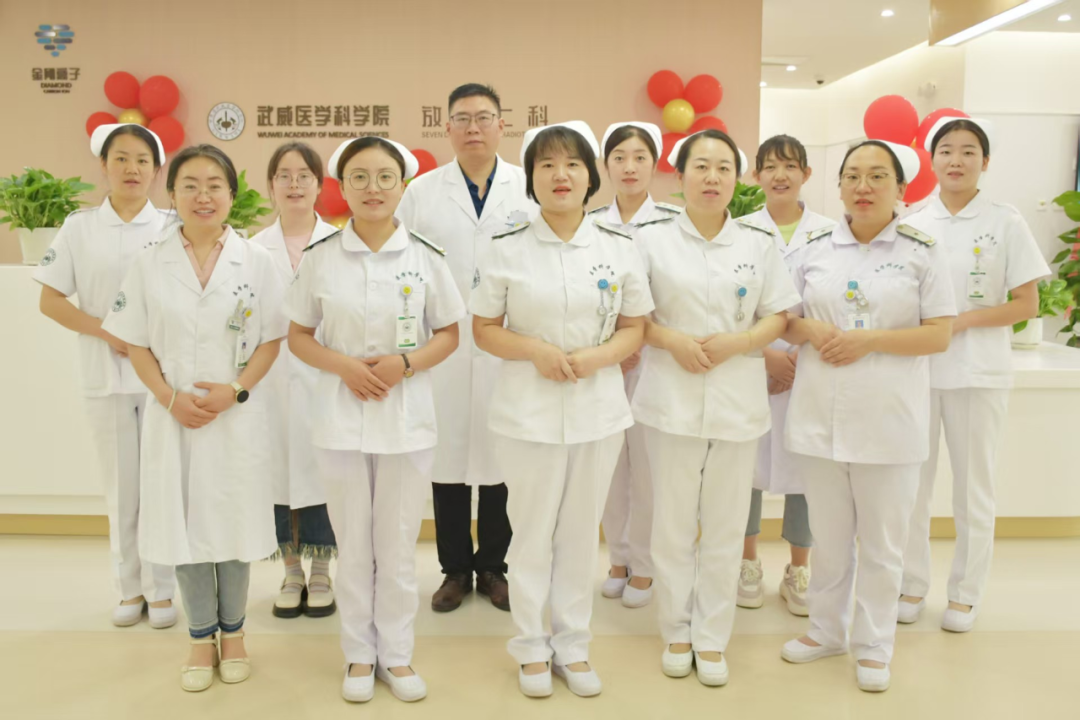
Radiation Oncology Department V medical team