Malaysian Patient Flies for Treatment
Malaysian Patient Flies for Treatment: Wuwei Heavy Ion Center Tackles Pancreatic Tumor Non-Invasively
Recently, the Heavy Ion Therapy Department for Thoracic Tumors, Bone and Soft Tissue Tumors successfully treated an 81-year-old female patient with a rare pancreatic tumor from Malaysia with exquisite medical skills, adding another success to international medical services.
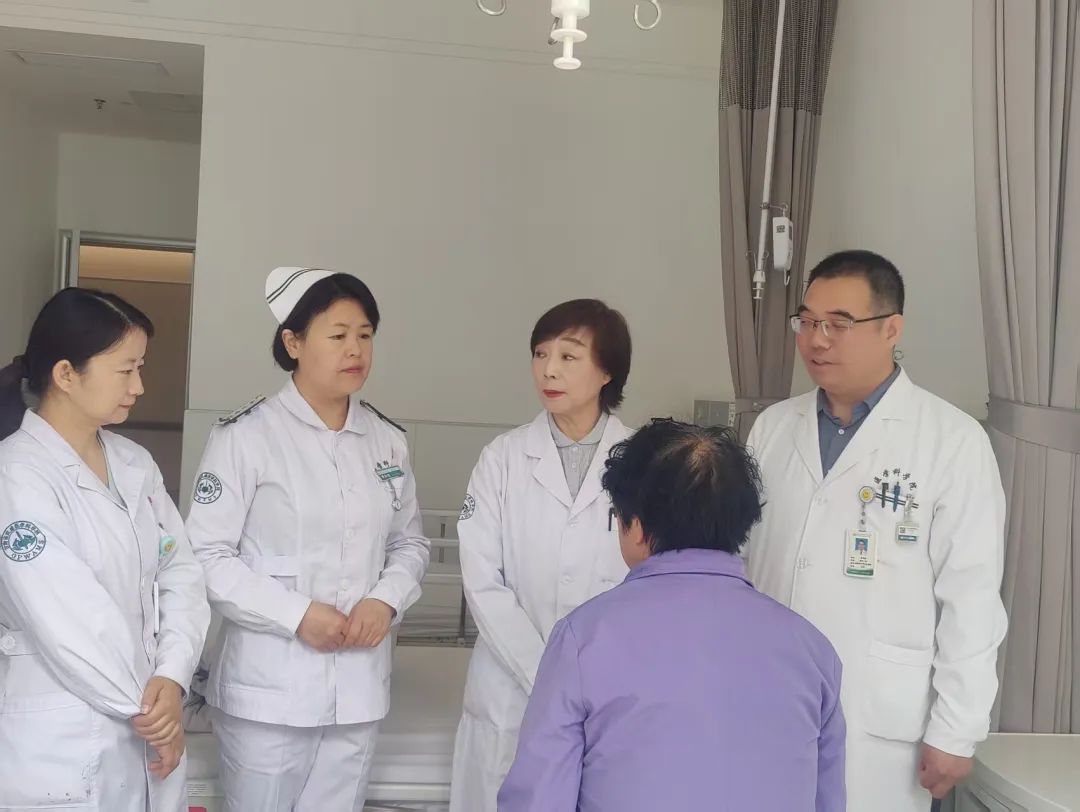
On March 15, 2025, the patient experienced bloating and pain in the upper abdomen. An examination conducted at a local hospital in Malaysia on March 17 led to a preliminary diagnosis of pancreatic malignancy. Given the patient’s advanced age and generally frail physical condition, enduring surgery would have been extremely challenging. The surgical treatment recommended by local doctors left the family in a dilemma, overwhelmed with anxiety. Upon learning from Professor Ma Changying, a specially appointed expert at our hospital, that heavy ion therapy for pancreatic cancer offers outstanding efficacy with minimal side effects, the patient’s family held onto a glimmer of hope. On April 22, 2025, she came to our hospital for further diagnosis and treatment.
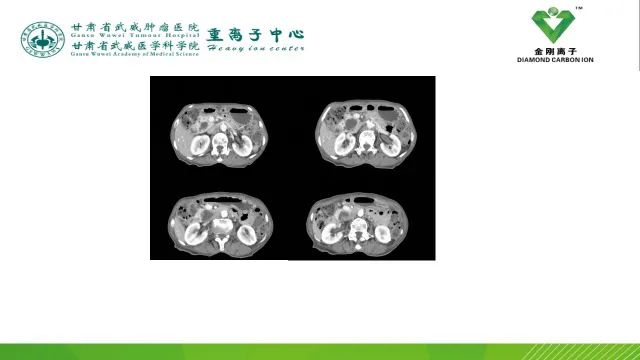
Upper Abdominal CT Scan (Aurelius Hospital, Malaysia; 2025-03-17) Findings:
A pancreatic head mass (3.2 cm × 2.6 cm) was observed. Given the imaging characteristics of the pancreatic lesion, there is strong suspicion of a malignant pancreatic tumor (e.g., pancreatic adenocarcinoma).
After admission, the patient was warmly received by a team led by Dr. Chen Dongji, Director of the Heavy Ion Therapy Department for Thoracic Tumors, Bone and Soft Tissue Tumors, and Professor Ma Changying. The team promptly arranged a comprehensive and standardized series of examinations. PET/CT findings initially suggested a pancreatic neoplastic lesion, specifically intraductal papillary mucinous neoplasm (IPMN). The diagnosis was later confirmed as pancreatic intraductal papillary mucinous neoplasm (IPMN) through endoscopic ultrasound-guided pancreatic biopsy and MRI.
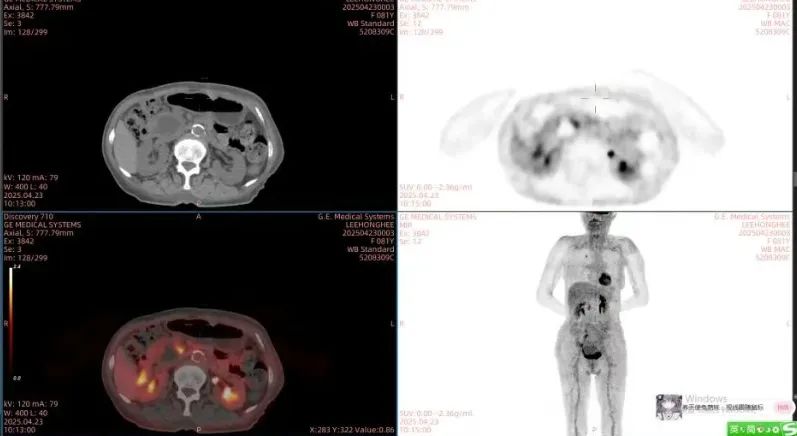
Whole-body PET/CT (Our Hospital, 2024-04-23) Findings:
An irregular cystic-solid mass was observed in the uncinate process of the pancreas with ill-defined margins. The central cystic component showed no metabolic activity, while the peripheral solid nodules demonstrated mildly increased and heterogeneous metabolism. These features are most consistent with a pancreatic neoplastic lesion (53.2 mm×32.1 mm×39.8 mm, SUVmax: 2.8), likely representing IPMN (intraductal papillary mucinous neoplasm).
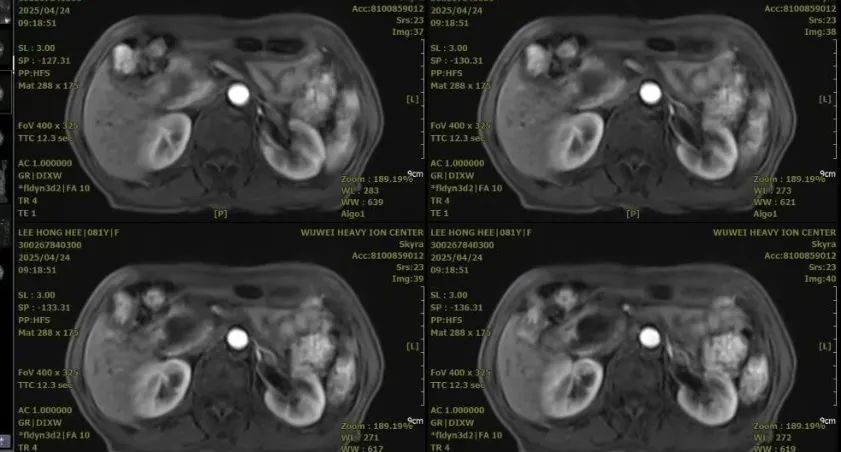
Upper Abdominal MRI (Our Hospital, 2024-04-24) Findings:
A cystic-solid occupying lesion (3.9 cm×2.9 cm) was identified in the uncinate process of the pancreas, causing dilation of both intrahepatic/extrahepatic bile ducts and the pancreatic duct. These features are highly suggestive of a neoplastic lesion, most likely IPMN (intraductal papillary mucinous neoplasm).
In accordance with the "International Association of Pancreatology (IAP) Kyoto Guidelines for the Management of Intraductal Papillary Mucinous Neoplasm (IPMN)" and based on the patient's clinical presentation, the Wuwei Heavy Ion Center team conducted a comprehensive evaluation and concluded that no immediate intervention is currently required, with regular follow-up monitoring recommended. This scientifically rigorous clinical decision brought immense relief to the patient and their family. They expressed heartfelt gratitude to the medical team for their meticulous diagnosis, attentive care, and professional expertise. The patient has since been discharged in stable condition.
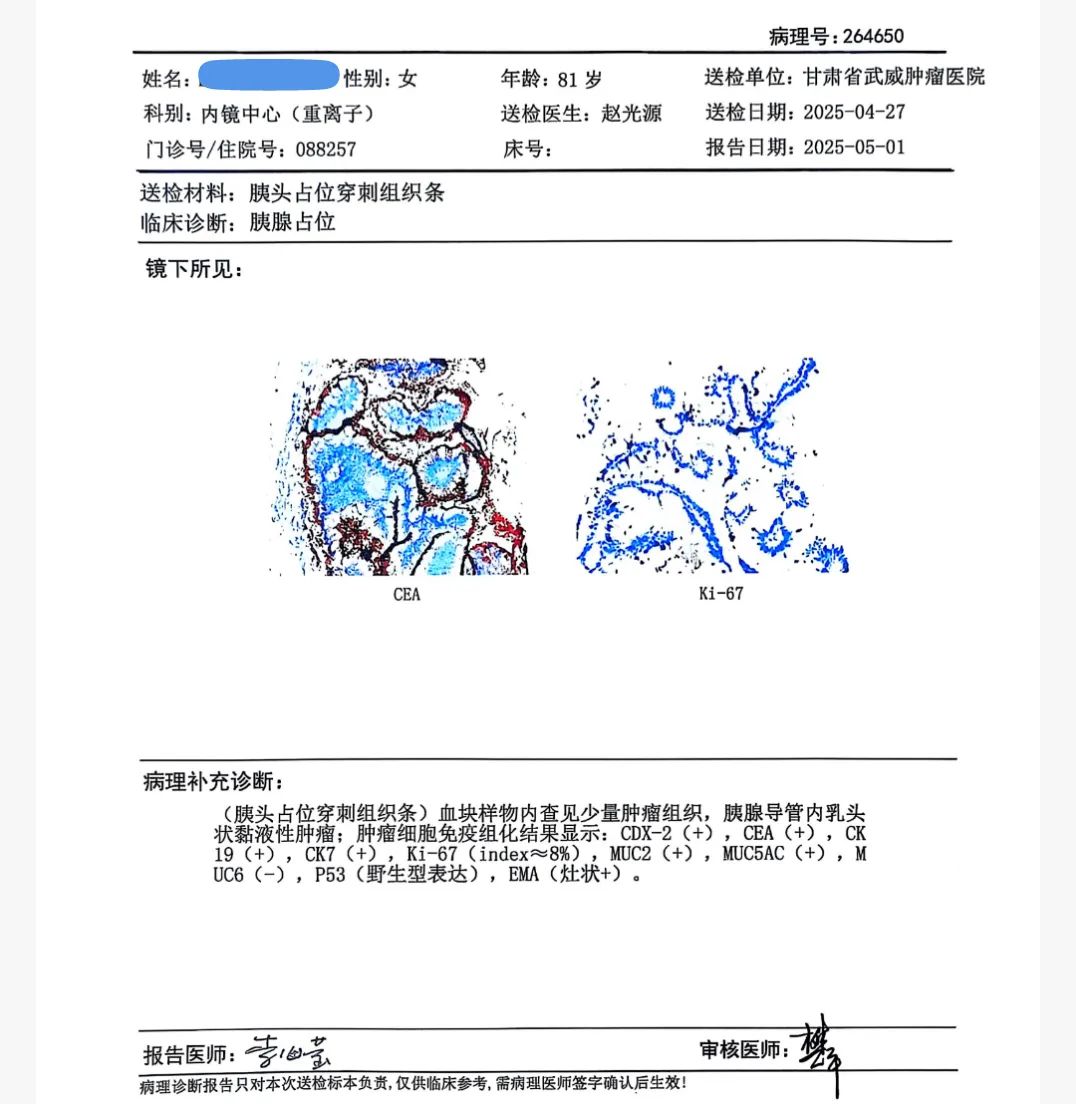
As a relatively rare pancreatic tumor, the successful diagnosis and treatment of this intraductal papillary mucinous neoplasm (IPMN) case not only reaffirms our hospital's technical excellence in heavy ion therapy, but also highlights our exceptional capability in managing complex diseases and delivering high-quality medical care to international patients. Moving forward, our hospital remains committed to the ethos of "wholehearted dedication to healing". We will continue to ignite hope and pave the path to recovery for patients worldwide facing challenging medical conditions.
Department Introduction
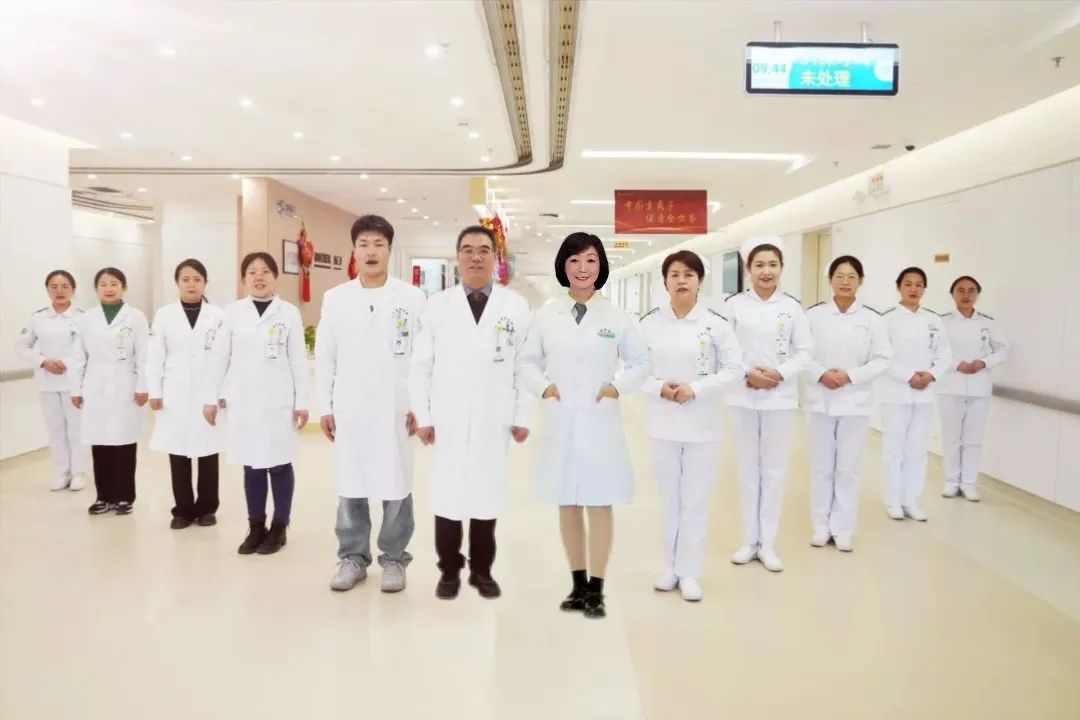
Department of Heavy Ion Therapy for Thoracic, Bone and Soft Tissue Tumors (Radiotherapy Department II) specializes in heavy ion and photon radiotherapy for lung cancer, esophageal cancer, thymic carcinoma, breast cancer, bone tumors and soft tissue tumors. The department currently has 16 staff members, including 2 chief physicians and 1 associate chief physician. Professor Qu Baolin from Beijing 301 Hospital and Professor Wei Shihong from Gansu Cancer Hospital serve as our visiting professors. Our specially appointed professor, Chief Physician Ma Changying, specializes in radiotherapy for head and neck tumors, lung cancer, and systemic malignancies. The discipline leader, Chief Physician Chen Dongji who serves as Vice President of Wuwei Heavy Ion Center, Chairman of the Labor Union, and Director of our department previously studied at the Munich Proton Therapy Center in Germany. Under the long-term guidance of Professors Yee-Min Jen and Jia-Ming Wu from Taiwan, China, our department has conducted clinical work and scientific research, earning 3 provincial Science and Technology Progress Second Prizes, 5 municipal first and second prizes, and publishing over 30 academic papers. Our staff have received advanced training at renowned cancer hospitals worldwide, including Germany's RPTC Center, Chinese Academy of Medical Sciences Cancer Hospital, Shanghai Proton and Heavy Ion Hospital, Beijing 301 Hospital, Peking University Third Hospital, Sichuan Cancer Hospital, and Zhejiang Cancer Hospital. We offer the most advanced radiotherapy technologies, including: heavy ion therapy, stereotactic radiotherapy (SRS/SABR/SBRT), rotational/static intensity-modulated conformal radiotherapy, image-guided radiotherapy, 3D conformal radiotherapy, 3D brachytherapy, hyperthermia therapy. With strong technical capabilities and rigorous quality management, we have achieved excellent results in comprehensive cancer treatment. Our treatment standards, medical quality, and medical ethics have been highly praised by patients. We are committed to serving patients with superb skills, high-quality service, and noble medical ethics.
Contact us
Address: Building 4, Second Floor, Heavy Ion District, Wuwei Academy of Medical and Science, Gansu Province, Department of Heavy Ion Therapy for Thoracic Tumors, Bone and Soft Tissue Tumors.