Multiple Bone Metastases: Time to Deploy the "Nuclear Weapon"
Multiple Bone Metastases: Time to Deploy the "Nuclear Weapon"
In the advanced stages of cancer, 60% to 90% of patients experience bone metastases. Typical symptoms of bone metastatic tumors include progressively worsening pain that's hard to relieve and restricted range of motion. These not only cause physical functional impairments but can also lead to pathological fractures, spinal cord and nerve compression, and in severe cases, even paraplegia or hypercalcemia. Uncontrolled pain often exacerbates anxiety and depression in patients, significantly deteriorating their quality of life.
 Strontium chloride [89Sr] is a radiopharmaceutical that acts precisely on diseased tissues through targeted binding, making it a key player in the clinical treatment of multiple bone metastases. However, many patients with multiple bone metastases and their families feel fearful at the mention of "nuclear," worrying about significant damage, side effects, or even harm to family members. In reality, [89Sr] has been used for over 70 years. It began clinical application in the UK in 1989 and the US in 1993. In China, domestically produced [89Sr] was approved by the National Medical Products Administration in 2004 for clinical use. So, what exactly is strontium chloride [89Sr]? Today, let's uncover the mystery of this "nuclear weapon" in treating metastatic bone tumors.

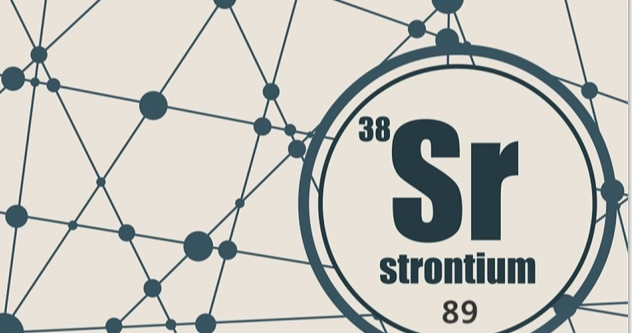
Strontium is a radioactive radionuclide belonging to the same group as calcium in the periodic table, meaning its metabolic behavior in the body resembles that of calcium. Once ingested, strontium participates in bone mineral metabolism similarly to calcium. Notably, [89Sr] accumulates in bone metastatic lesions 2 to 25 times more than in normal bone tissue and selectively remains in these lesions for up to about 100 days.
Two Major Advantages
● Inhibits the growth of bone metastatic lesions and shrinks tumor masses
● Provides long-acting relief of bone pain
Six Key Benefits
● Administered via intravenous injection, no hospitalization required
● Therapeutic effect lasts 3 to 6 months
● Minimal side effects
● Covered by medical insurance
● Efficacy rate as high as 70–90%
● Systemic action for patients with widespread bone metastases
Treatment Safety
The beta (β) rays emitted by strontium chloride [89Sr] have an effect range limited to a depth of approximately 2.4 millimeters in tissues. The energy of these rays is so low that they cannot even penetrate a sheet of paper. Within hours of injection, 70–90% of the 89Sr not absorbed by bone metastases or normal bone tissue is excreted through the urinary system, so it poses no radioactive hazard to surrounding normal tissues, family members, or the environment.
It is important to note that 5–10% of patients may experience temporary worsening of pain after receiving [89Sr], a phenomenon called "flare pain" or "bone pain flare." This typically occurs 3–6 days after injection and lasts 2–7 days, often indicating a potentially good therapeutic response. If pain intensifies, the dosage of pain medication can be appropriately increased or a more potent analgesic can be prescribed. Additionally, some patients may experience bone marrow suppression, though severe suppression is rare. White blood cell and platelet counts may decrease by 20–30% compared to pre-treatment levels, but they usually return to normal 10–16 weeks after treatment.
Who is suitable for strontium-89 treatment?
● Patients with bone metastatic cancer accompanied by bone pain, whose bone scan shows obvious radioactive concentration (hot spots).
● Patients with malignant bone tumors who cannot undergo surgical resection due to various reasons, or have residual cancer after surgery, and whose bone scans also show high radioactive concentration.
● Patients must have a white blood cell count of 3.5×10⁹/L or higher.
Q & A
How effective is strontium-89 in treating bone metastases?
Strontium-89 has a half-life of approximately 50 days and can remain in bone metastatic lesions for about 100 days, ensuring sustained therapeutic effects. Its primary benefits include reducing bone pain, improving quality of life, and preventing or reducing the risk of skeletal-related events. Notably, some patients experience partial shrinkage or even complete disappearance of bone metastases after treatment. Clinical data show that most patients start to experience pain relief within 2 weeks of treatment, with an efficacy rate exceeding 80%, and this pain relief can last 3 to 6 months.
What precautions should be taken before and after treatment?
Generally, no special preparation is required. Patients should drink adequate water and maintain a normal diet before and after the strontium-89 injection. A whole-body bone scan must be completed within 8 weeks before treatment. Additionally, patients should avoid receiving large-field (half-body) radiation therapy for 3 months before and after treatment. Chemotherapeutic drugs with long-term bone marrow suppression effects should be suspended 4–8 weeks before treatment and 6–12 weeks after treatment. Disseminated intravascular coagulation (DIC) is a risk factor for severe thrombocytopenia after strontium-89 treatment, so coagulation function tests should be performed before treatment to rule out subclinical DIC, especially for patients with recent sharp declines in platelet counts. Patients with bone pain caused by non-bone tumor factors (e.g., spinal cord or tumor tissue compression) should also be excluded. If more than 50% of the bone tissue in tumor-involved bones (especially in the limbs) is destroyed, or if pathological fractures are present, strontium-89 treatment alone is not recommended.
Can strontium-89 be used in combination with other treatments?
Studies show that strontium-89 combined with radiotherapy, chemotherapy, bisphosphonates, and endocrine therapy can produce synergistic effects, enhancing both efficacy and safety. However, precise timing between different treatments is crucial. Specifically, chemotherapy or radiotherapy should be stopped at least 6 weeks before strontium-89 treatment to avoid bone marrow suppression, and bisphosphonates should be discontinued for at least 2 days to ensure optimal accumulation of strontium-89 in bone metastases.
Is there significant radiation hazard after strontium-89 treatment?
Strontium-89 emits pure beta (β) rays with an average energy of approximately 1.5 MeV, characterized by a short range (no more than 3 mm in bone tissue, about 8 mm in soft tissue) and weak penetrating power—even a 1 cm-thick wooden board can effectively block most of its radiation. Therefore, the radiation risk to family members, the environment, and medical staff is nearly negligible, requiring no special radiation protection measures. Additionally, strontium-89 exhibits strong bone-seeking properties, targeting bone metastases precisely, meaning radiation doses to other tissues and organs in the patient’s body are extremely low.
Department Introduction
The Nuclear Medicine Department of our hospital was established in 1998, making it the first of its kind in Wuwei. It has now developed into a clinical discipline fully meeting the scale and operational requirements of a tertiary grade-A hospital. Currently, the department is one of the most comprehensive in our province, integrating nuclear medicine imaging diagnosis (SPECT, PET/CT), radionuclide therapy, in vitro testing analysis, and a specialized thyroid clinic.
I. Therapy Projects Offered by the Department:
1. Iodine-131 (¹³¹I) Therapy for Hyperthyroidism and Differentiated Thyroid Cancer.
Precise treatment that “targets diseases with iodine,” lighting the path to hope and restoring health. Iodine-131, a radioactive isotope, is specifically absorbed by thyroid tissue like a “precision-guided missile.” It emits beta (β) rays that locally destroy thyroid cells, effectively treating hyperthyroidism and thyroid cancer.
2. Strontium-89 (⁸⁹Sr) Therapy for Bone Metastases.
Precision navigation and targeted positioning to combat bone metastases from various tumors, relieve pain, and shrink lesions. As a bone-seeking radionuclide, ⁸⁹Sr selectively accumulates in bone metastatic sites like a “smart navigator.” It continuously releases β rays to irradiate and kill cancer cells up close, damaging their DNA and inhibiting proliferation. This relieves bone pain, controls local lesion progression, and minimizes impact on surrounding healthy tissues—truly a “targeted strike” against bone metastases.
3. Strontium-90 (⁹⁰Sr)-Yttrium-90 (⁹⁰Y) Plaque Therapy for Keloids and Hemangiomas.
Gentle nuclear power for skin health, a mysterious beauty tool for the skin. This treatment targets skin scars, hemangiomas, vulvar leukoplakia, warts, lichen planus, pterygium, etc. The ⁹⁰Sr plaque delivers precise radiation to diseased skin areas, with a concentrated range of action—like a customized “treatment circle” for skin diseases—to minimize harm to adjacent healthy skin and ensure accuracy and efficacy.
4. Strontium-90 (⁹⁰Sr)-Yttrium-90 (⁹⁰Y) Therapy for Benign Prostatic Hyperplasia (BPH).
“Precision radionuclide, targeted attack” unlocks new health possibilities for BPH patients! Like an invisible scalpel, it’s a boon for elderly patients with prostate enlargement.
5. Iodine-125 (¹²⁵I) Seed Implantation for Solid Tumors.
“Iodine” illuminates the anti-cancer journey, as ¹²⁵I brachytherapy opens a new chapter in precision oncology. For various solid tumors, these tiny yet powerful “smart bombs” deliver continuous, close-range radiation to tumor cells—like a silent but devastating “siege” within the tumor’s “fortress.” By damaging tumor cell DNA, they inhibit proliferation and differentiation, leading to cell death while minimizing radiation damage to surrounding healthy tissues.
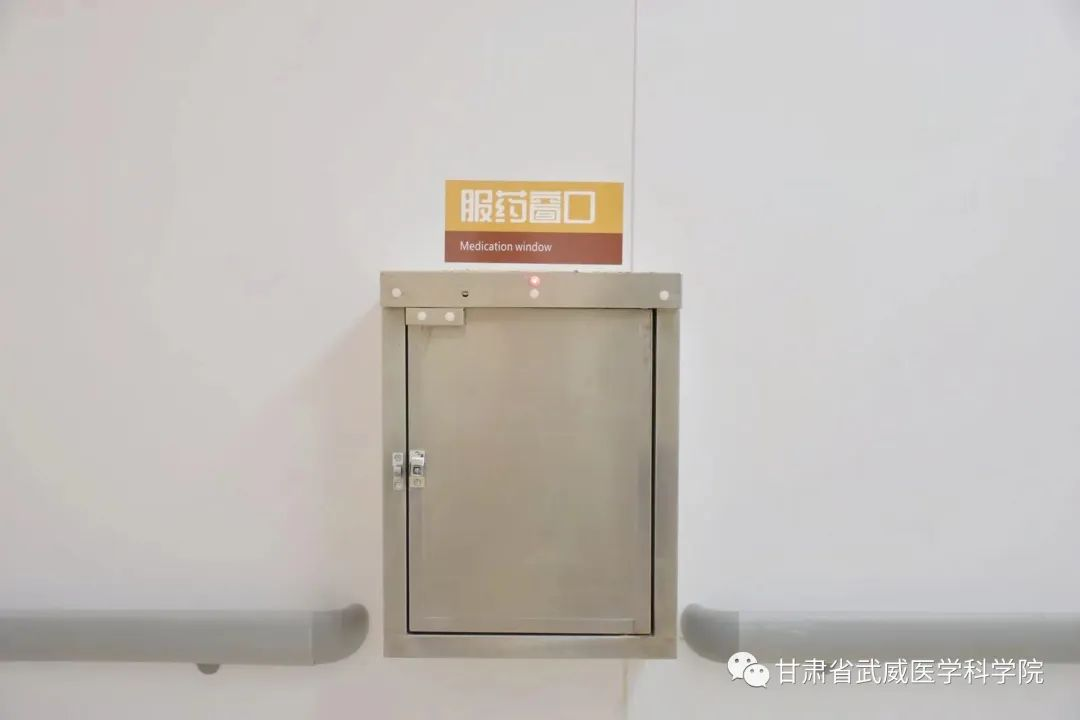
I-131 Medication Administration Window
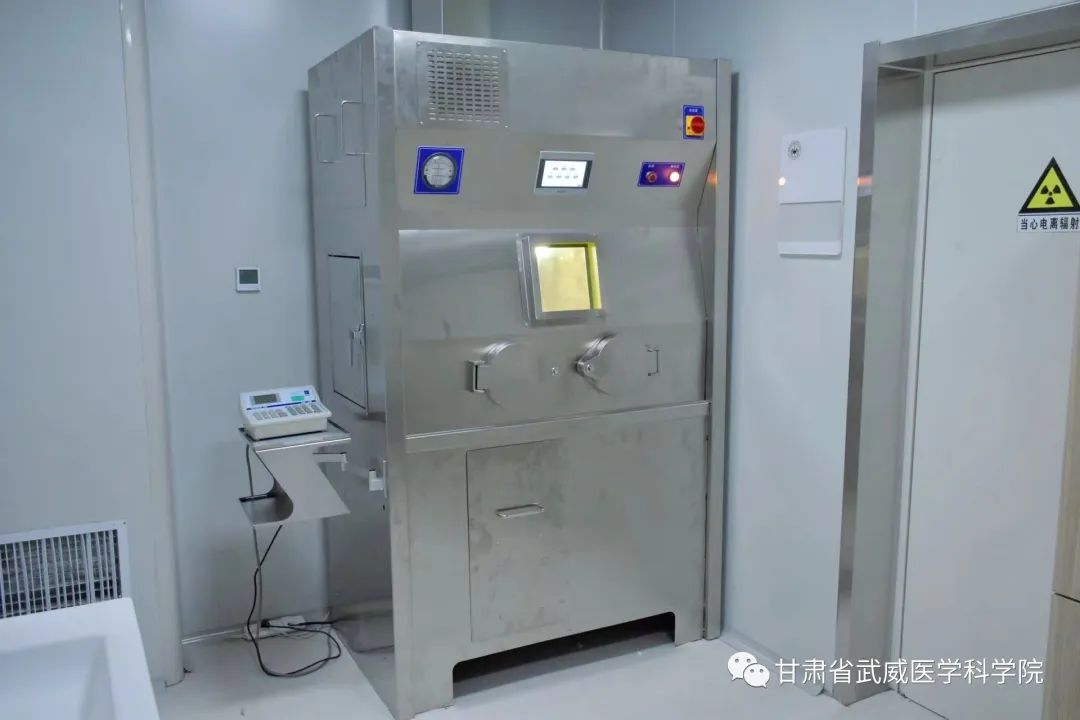
Drug Dispensing System
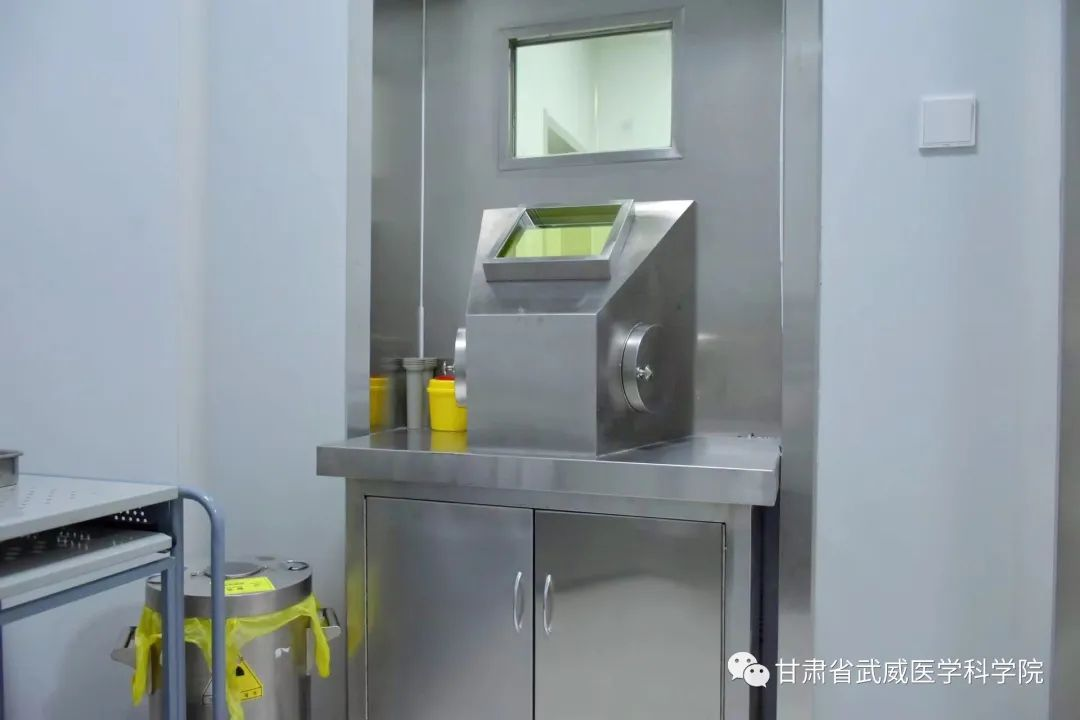
Drug Injection Area
II. Diagnostic Projects Offered by the Department
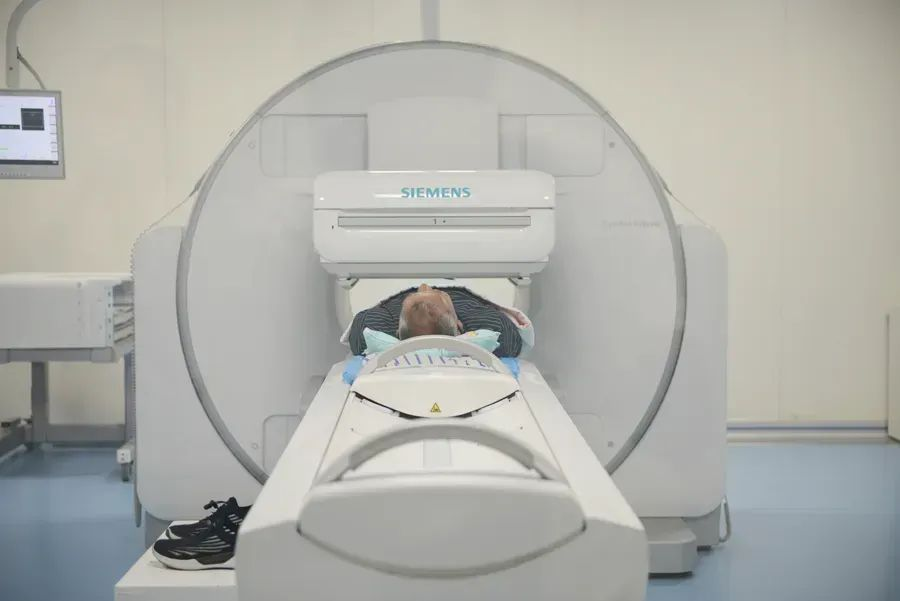
Integrating imaging technologies for precise insights, safeguarding your health diagnosis. SPECT (Single Photon Emission Computed Tomography) uses radionuclide-labeled tracers to detect single photons emitted in the body, reflecting the functional metabolism of tissues and organs. CT (Computed Tomography), based on X-ray tomographic scanning, clearly shows anatomical details like the morphology and density of human tissues. SPECT/CT perfectly combines these two powerful technologies, integrating functional-metabolic and anatomical imaging—like equipping doctors with a "keen eye" to visualize both the structure and function of internal organs, leaving no disease undetected.
1. 99mTc-MDP SPECT/CT Whole-Body Bone Imaging
Precisely locates tumor metastatic lesions for tumor staging, efficacy evaluation, and treatment planning guidance.
2. SPECT/CT Whole-Body Iodine-131 Imaging
Exploring the body to track diseases with precision, illuminating the beacon of health to reveal hidden abnormalities. This imaging assesses thyroid function and detects metastatic lesions or other abnormalities, akin to following a "light" to uncover "treasures" or "risks" within the body. Based on whole-body iodine-131 imaging, personalized treatment plans are crafted, guiding subsequent therapy like a guiding light.
3. 99mTc-MIBI SPECT/CT Myocardial Perfusion Imaging
Insights into the myocardium, a "lens" for heart health. This technology clearly reveals myocardial function and blood flow perfusion, providing critical evidence for early diagnosis, condition assessment, and treatment planning of heart diseases.
4. 99mTc-DTPA SPECT/CT Renal Dynamic Imaging
A "window to renal function" that precisely unravels the mysteries of the kidneys, protecting urological health. It visually analyzes renal blood flow perfusion, glomerular filtration, tubular secretion, and urinary tract patency, helping doctors comprehensively evaluate renal physiology and detect abnormalities.
5. SPECT/CT Thyroid Imaging
An "imaging eye" for thyroid and endocrine health, presenting thyroid status with precision to safeguard your endocrine system. It clearly shows the thyroid’s morphology, function, and pathological changes, providing a solid basis for diagnosing, treating, and monitoring thyroid diseases.
6. SPECT/CT Parathyroid Imaging
Decoding the "health code" of the parathyroid glands, unlocking their mysteries to maintain calcium balance and health. This imaging reveals the location, morphology, size, and function of the parathyroid glands, like creating a "health map" to help doctors identify potential lesions.
7. SPECT/CT Salivary Gland Imaging
Unlocking the "imaging code" of salivary gland health, exploring their mysteries to protect oral health. It visually assesses the morphology, location, function, and excretory duct patency of salivary glands, assisting doctors in evaluating salivary gland health and identifying issues.
Department Head: Tao Xuemei
Professional Title: Associate Chief Physician
Specialties: Thyroid diseases, various radionuclide diagnosis and treatment
Clinic Locations:
Room 223, 2nd Floor, Outpatient Building, Main Campus
Room 212, Outpatient Building, Heavy Ion Campus
Contact: +86 6989036 +86 6989078