Metamorphosis of Hope: A Breast Cancer Patient's Healing Diary
Breaking the Cocoon, Reborn in Hope:
A Breast Cancer Patient's Herbal Compress Diary – Where Wounds Blossom into Hope
— Ms. Wen’s "Healing Pact" with Compound Chlorhexidine
The Scorched Summer
Ms. Wen would never forget that sweltering afternoon. By the third week of radiotherapy for breast cancer, the skin on her left chest wall had turned into something resembling sun-scorched tree bark—red, swollen, ulcerated, oozing fluid. The slightest touch sent searing pain shooting through her nerves. In the mirror, the jagged, gaping wounds stared back at her like cruel fissures. Even the friction of her nightgown drew thin streaks of blood, making her hold her breath with every movement. "It felt like being thrown into a furnace, then doused with ice water," she recalled, curled up on the hospital bed as silent tears splashed onto the back of her hand. When Nurse Liang pushed open the door, she found Ms. Wen trembling as she peeled off the gauze stuck to her wounds. The sight of the raw, mangled flesh made her gasp. "Sister Wen, try this," she said, holding up a bottle of pale-green medicinal solution. The gauze, soaked in it, carried a cool hint of mint. "This is compound chlorhexidine wet compress—it kills bacteria and lets the wound 'breathe.'" Those first 20 minutes of treatment became Ms. Wen’s countdown to rebirth. The moment the medicated gauze touched her skin, the burning pain dissipated like a mountain breeze sweeping through. The 0.12% chlorhexidine acted like a precision "bacterial hunter," piercing through the biofilm on her ulcerated skin and dismantling Staphylococcus aureus cell walls (data from the Chinese Journal of Infection Control: 92.5% bacteriostatic rate). Meanwhile, metronidazole infiltrated deeper anaerobic bacterial strongholds, sabotaging their DNA replication. As the clock ticked, Ms. Wen marveled at the shift from scorching agony to soothing relief—a microscopic battleground where inflammatory cytokines like IL-6 and TNF-α were being suppressed.
Science Insight: The Gentle Power of Compound Chlorhexidine
1. Precision Bacteriostasis, Zero Harm to Host Cells
Chlorhexidine's cationic properties enable strong binding with negatively charged bacterial membranes, disrupting osmotic pressure to induce lethality while remaining inert to human cells (selective antimicrobial mechanism).
2. Moist Wound Healing, Preventing Secondary Trauma
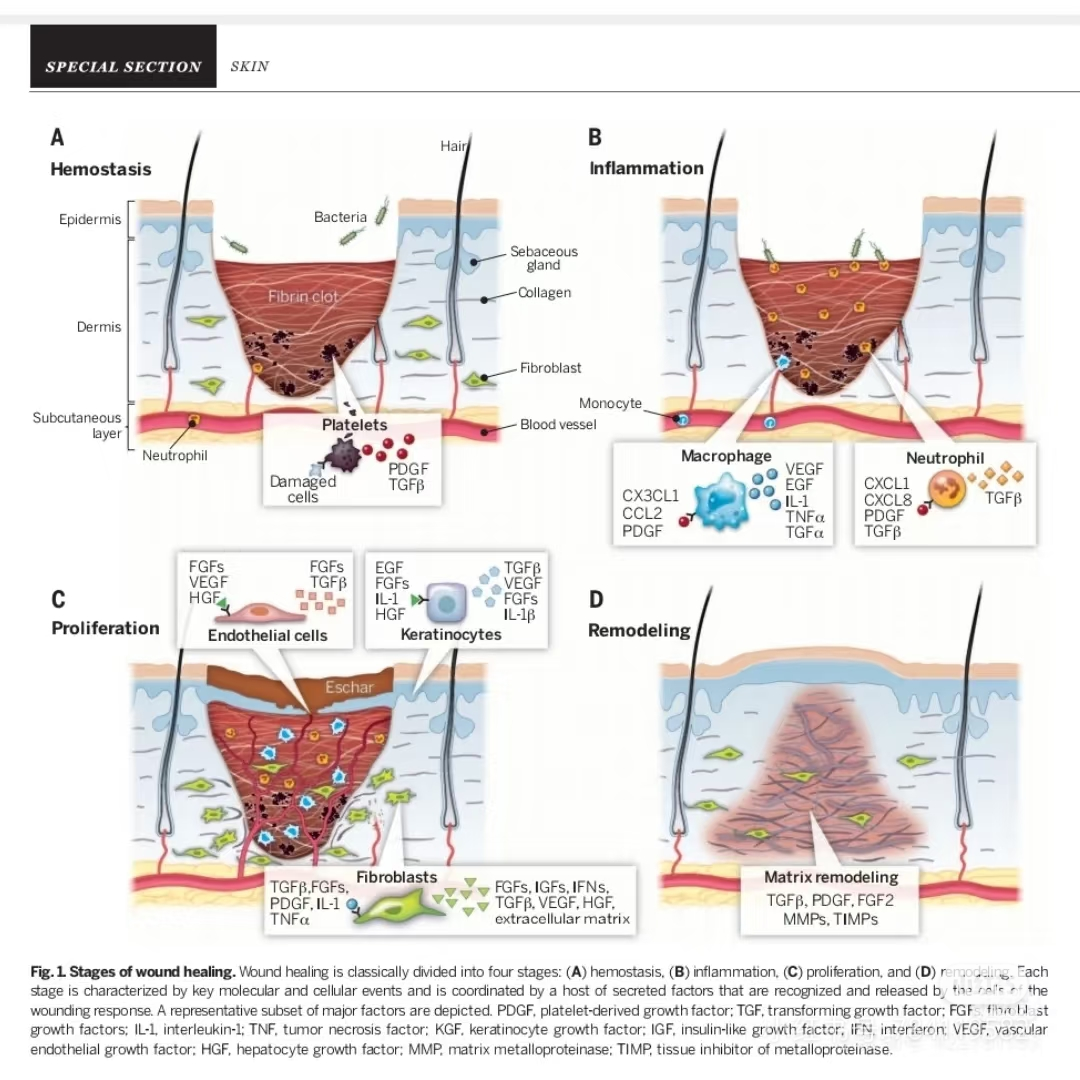
Unlike traditional dry healing that damages nascent tissue through scab formation, moist environments preserve fibrin activity, accelerating healing by 30% (Study published in Wound Repair and Regeneration).
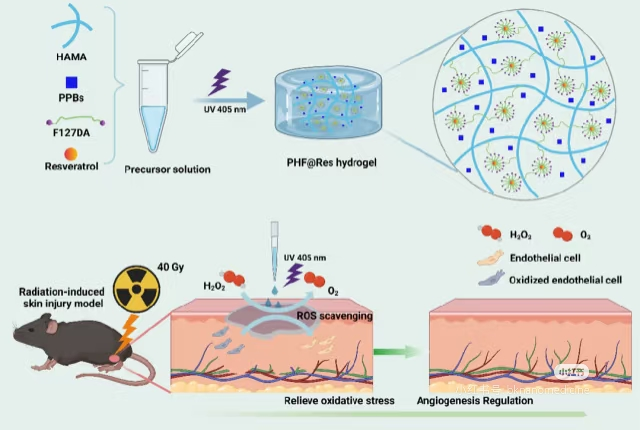
3. The "Butterfly Effect" of Holistic Healing
With her pain alleviated, Ms. Wen’s anxiety scale score dropped by 50%, while her social engagement rate surged to 70%—proof that nursing care goes beyond skin repair to restoring the dignity of life.

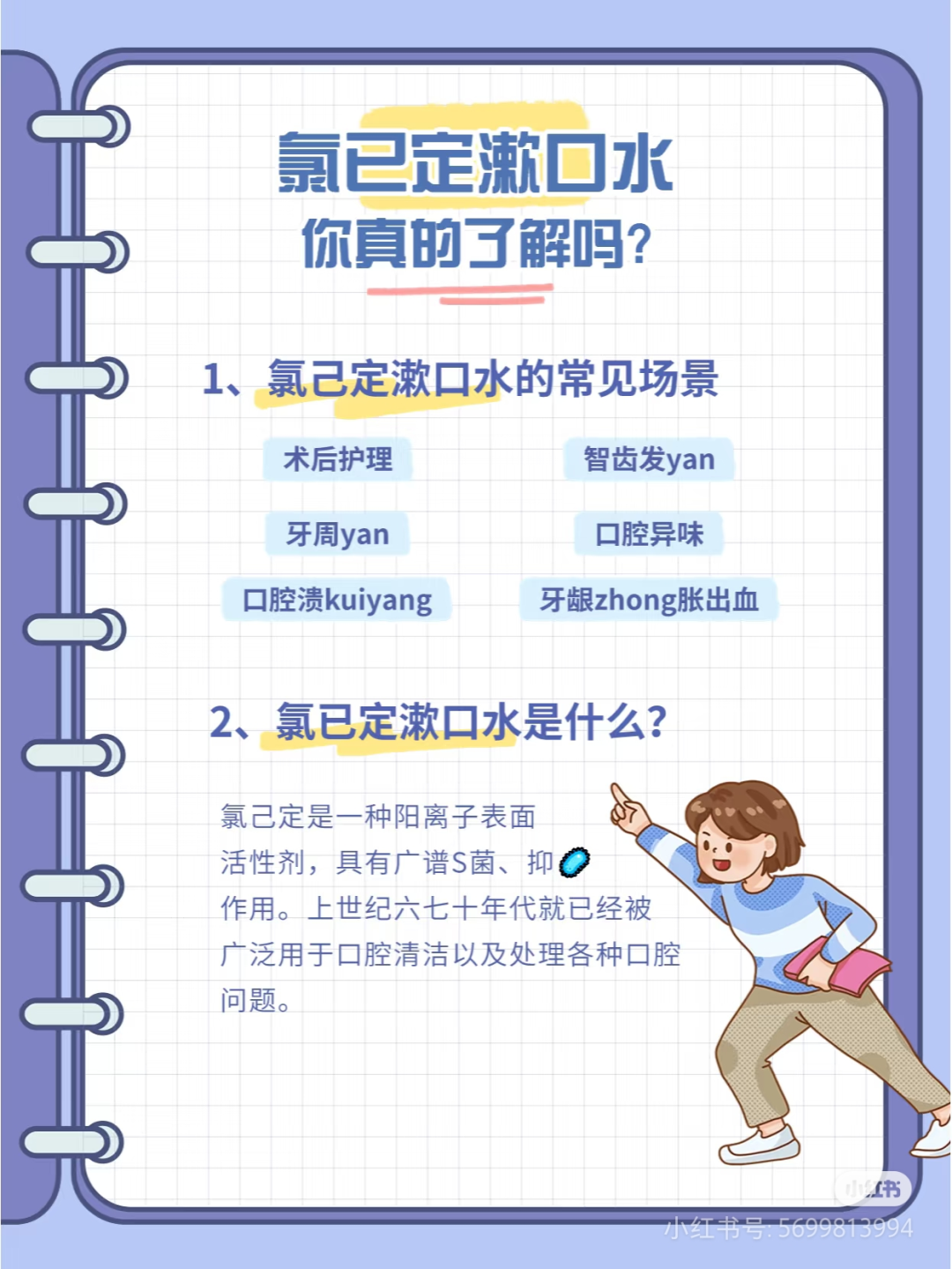
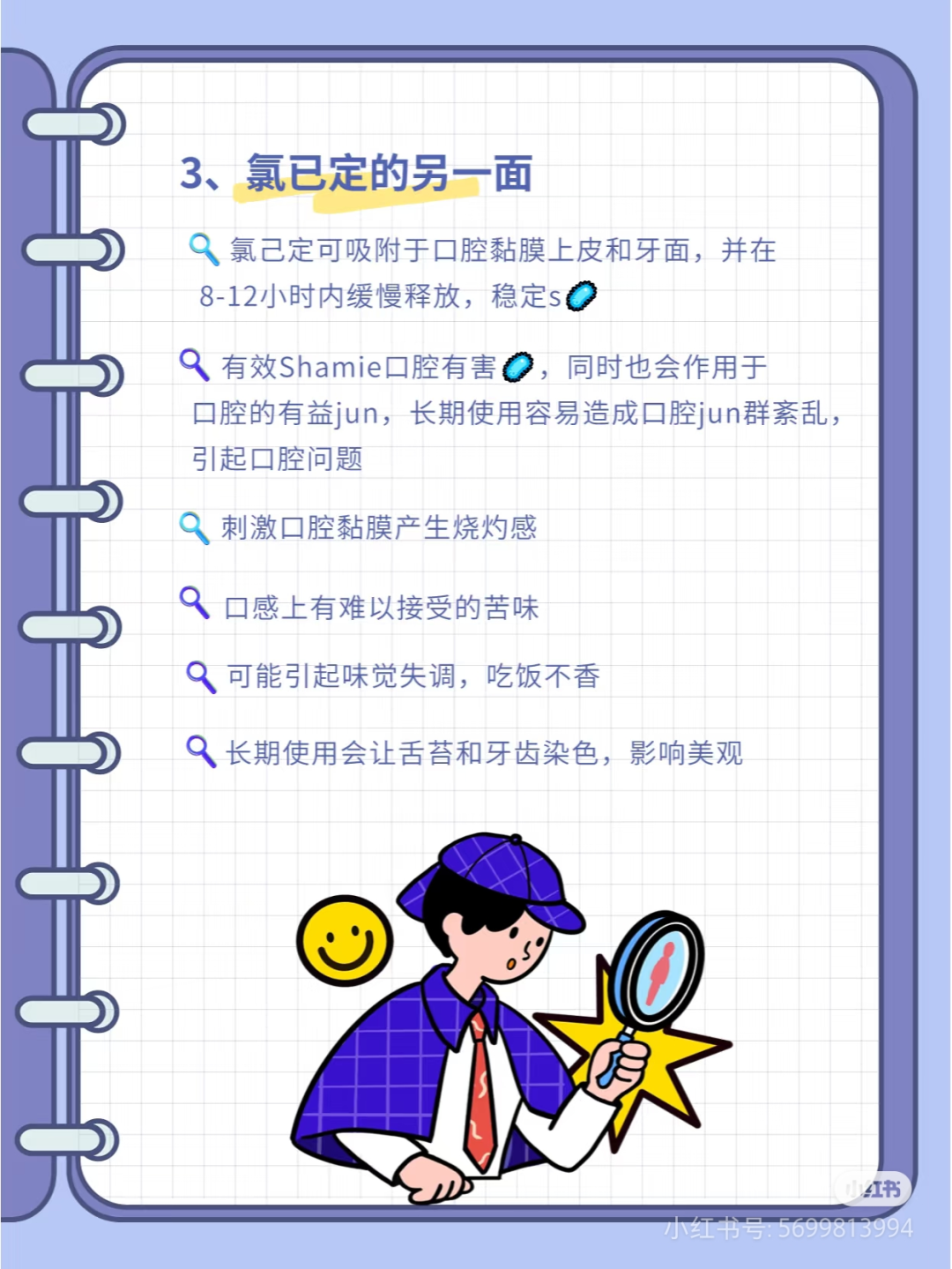
On the day of discharge, Ms. Wen placed the remaining solution bottles into her handbag. "It made me believe that medicine's compassion outlasts disease," she said, standing in the sunlit hospital corridor where her healing skin gleamed with a pearlescent sheen. Now serving as a "wound care mentor" in breast cancer support groups, she captions each photo-demonstration of her compress routine with a handwritten note: "Pain cracks open a crevice — that's where the light enters."
Appeal
Ms. Wen’s story is not unique. According to the Chinese Guidelines for Postoperative Breast Cancer Care, scientific wet compress therapy can increase the healing rate of radiation dermatitis to 89%. Please share this article—let more people struggling in darkness know: Even when wounds run deep, we can still cultivate spring. May every scar ultimately become a badge of life.
Wet compress doesn’t seal the wound—it creates a moist ‘greenhouse’. The glycerin in the solution forms a hydration-locking film, maintaining 30%-50% humidity and allowing epithelial cells to creep along the wound edges like spring vines (moist wound healing theory: cell migration speed increases by 40%). On the seventh day, Ms. Wen saw pink, newborn skin beneath the scab for the first time—resembling the first bloom of cherry blossoms in her daughter’s coloring book.
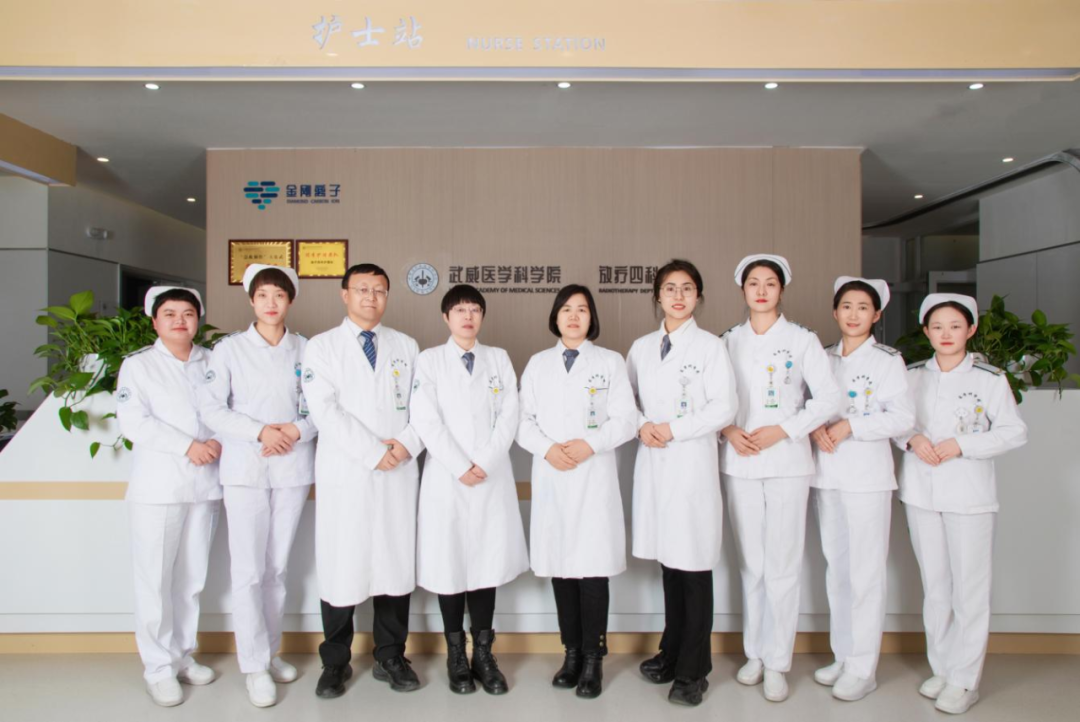
Introduction to Department of Radiation Oncology IV
The department of Radiation Oncology IV i mainly photon and carbon ion therapy for two major malignant tumors of gynecology and breast, including cervical cancer, endometrial cancer, vaginal cancer, vulvar cancer, ovarian cancer and breast cancer, with radical radiotherapy, preoperative neoadjuvant radiotherapy, postoperative adjuvant radiotherapy, chemotherapy, immunotherapy, targeted therapy, endocrine therapy, and a combination of the above treatments. There are 13 medical staff in the department, including 2 associate senior titles, 1 attending physician and 3 resident physicians. The staff of the department have successively studied in Tianjin Provincial Cancer Hospital, Beijing Cancer Hospital, Beijing 301 Hospital, Peking University Third Hospital, Shanghai Proton and Heavy Ion Hospital, and Sichuan Provincial Cancer Hospital.
Dr. Dang Youquan, Deputy Chief Physician and Director of the Department, has dedicated 24 years to radiation oncology, with advanced training at several nationally renowned tertiary hospitals in China. She specializes in radiotherapy and comprehensive treatment for gynecological and breast cancers, with extensive clinical expertise.
Current Professional Affiliations:
Committee Member, Ion Radiotherapy Branch, China Medical Equipment Association
Executive Council Member, Western Oncology Specialty Alliance
Standing Committee Member, Brachytherapy Committee, Gansu Anti-Cancer Association
Committee Member, Radiation Oncology Committee, Gansu Geriatrics Society
Committee Member, Oncology Nutrition Branch, Gansu Nutrition Society
Adjunct Faculty, Wuwei Vocational College
Our department has established long-term collaborations with internationally renowned experts for clinical guidance and academic exchange:Prof. Jörg Hauffe (Munich Proton Therapy Center, Germany), Prof. Hirohiko Tsujii (Pioneer of Heavy Ion Radiotherapy, Japan), Prof. Yee-Min Jen (Former Chairman, Taiwan Radiation Oncology Committee). We maintain ongoing clinical and research partnerships under the guidance of: Prof. Liu Zi (Chair, Gynecologic Oncology Committee, First Affiliated Hospital of Xi'an Jiaotong University), Prof. Li Sha (Chief Radiation Oncologist, 940th Hospital of PLA Joint Logistics Support Force). Research Achievements: completed 5 provincial/municipal research projects, published 10+ peer-reviewed papers, obtained 3 invention patents.
Our department is equipped to perform all advanced radiotherapy techniques currently available domestically and internationally, including:heavy ion radiotherapy, Image-guided radiotherapy (IGRT), Intensity-modulated radiotherapy (IMRT), Stereotactic radiotherapy, 3D conformal intensity-modulated radiotherapy. We specialize in cutting-edge technologies such as: Image-guided intensity-modulated radiotherapy (IGRT), Volumetric modulated arc therapy (VMAT/RapidArc), 4D dynamic radiotherapy, Stereotactic radiosurgery/radiotherapy (SRS/SBRT), 3D conformal radiotherapy (3DCRT), Image-guided 3D after loading brachytherapy, 3D printing-guided interstitial brachytherapy, Bladder volumetry-guided precision radiotherapy for gynecologic tumors, Preoperative and postoperative radiotherapy, these advanced technologies are systematically integrated with: surgery, chemotherapy, hyperthermia, molecular targeted therapy, immunotherapy, traditional Chinese medicine, this comprehensive multidisciplinary approach to cancer treatment has demonstrated: proven clinical efficacy over years of practice, widespread recognition from: the medical community, society at large, our patients, key Features of Our Treatment Model: incorporates globally recognized best practices, delivers optimal therapeutic outcomes, represents the most effective integrated cancer treatment paradigm.
Carbon-Ion Therapy for Gynecologic & Breast Cancersd