Skin Care Essentials During Radiation Therapy for Breast Cancer Patients
Skin Care Essentials During Radiation Therapy for Breast Cancer Patients

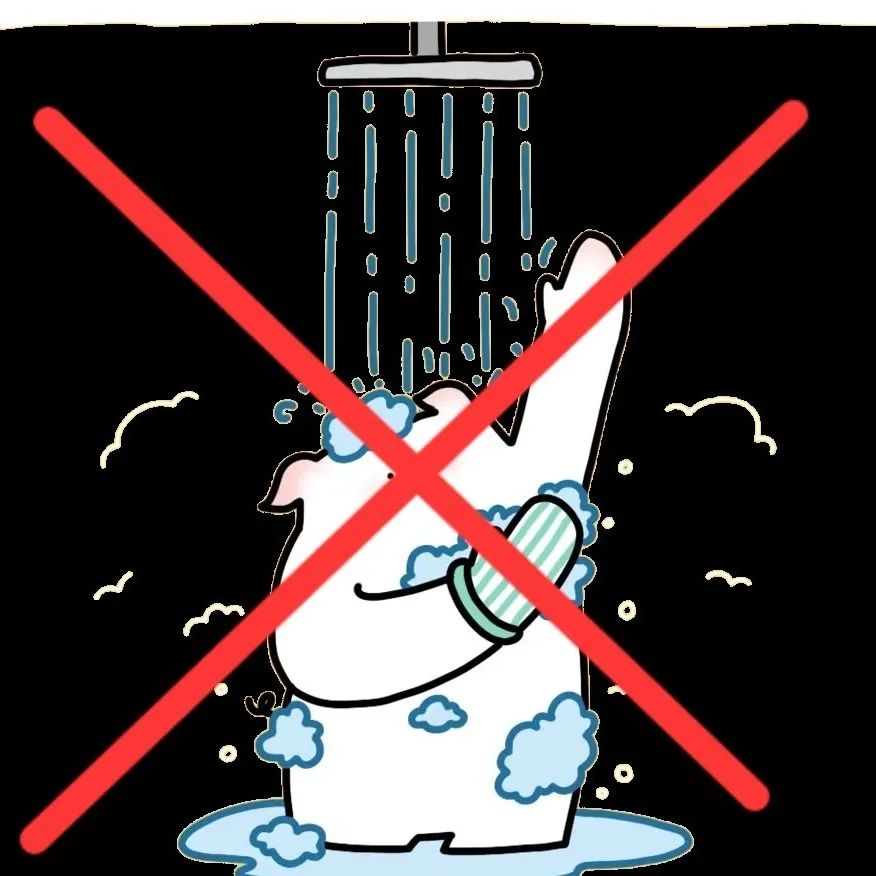
Gentle cleansing
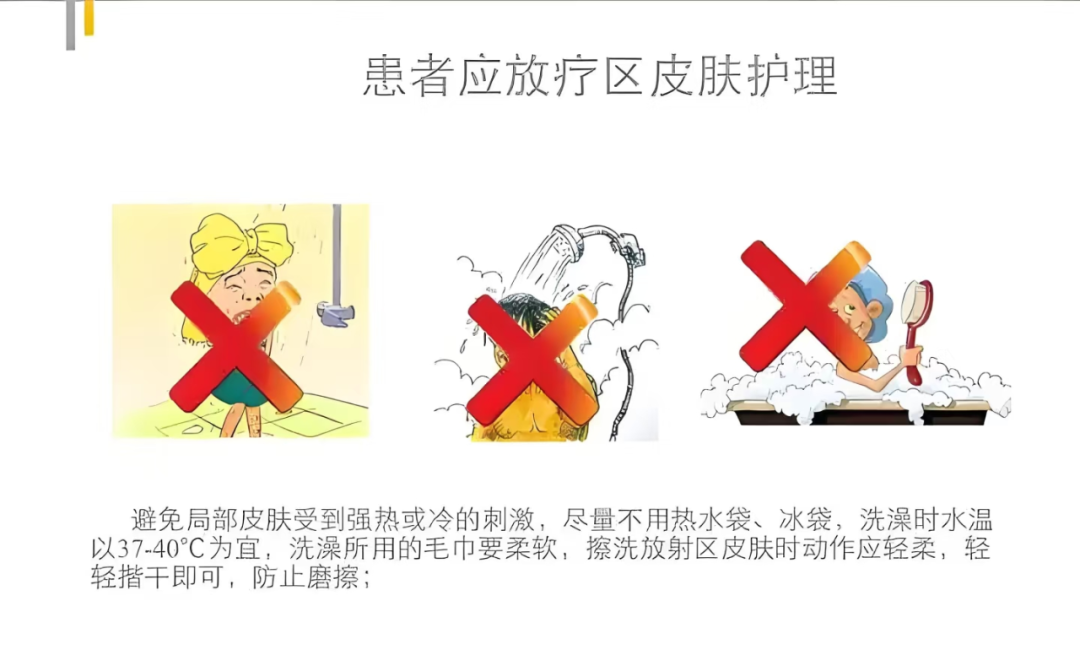
Gently rinse the irradiated area with lukewarm water (35-40°C), avoiding rubbing.
Use a soap-free and fragrance-free cleansers (e.g., medical-grade mild cleansers).
Avoid scrubbing tools like bath towels or exfoliating products; pat dry with a soft towel instead.
Moisturizing and repairing
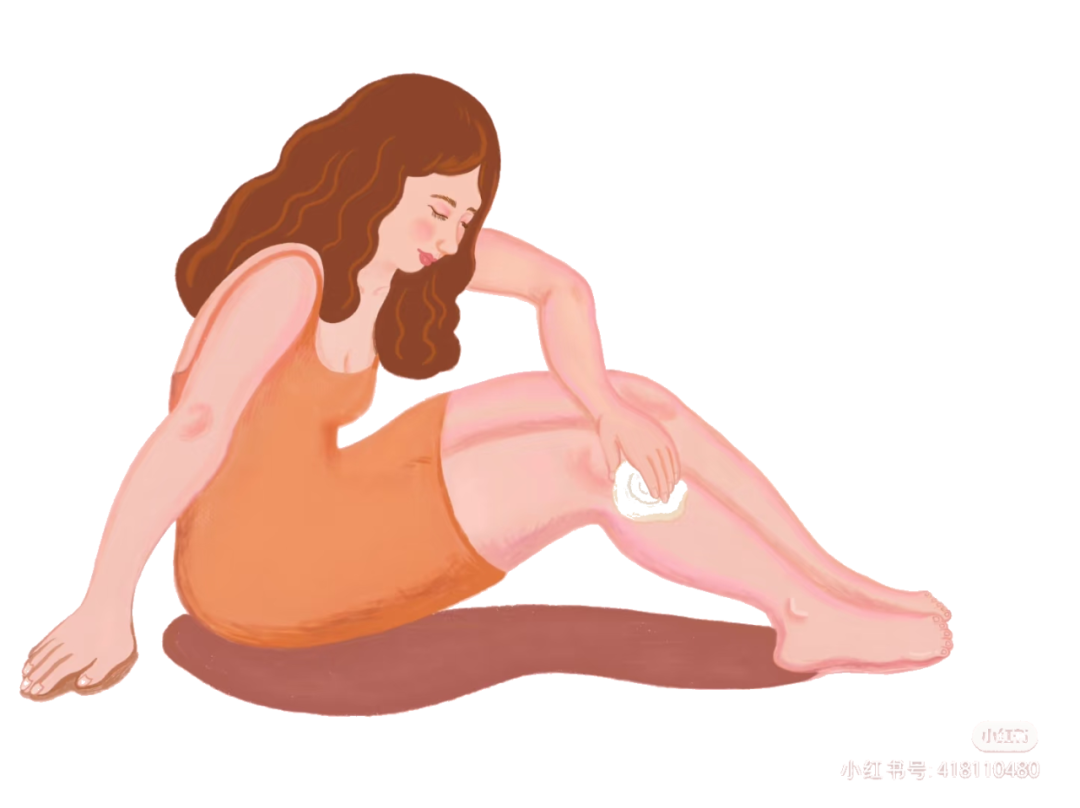
Apply moisturizer within 1 hour after radiotherapy to lock in moisture.
Select medical-grade moisturizers free of alcohol and fragrances (e.g., formulations containing aloe vera, hyaluronic acid, or urea).
Apply 2-3 times daily using a thin layer gently pressed until absorbed, avoiding product accumulation.

Avoid irritation
Clothing: Wear loose-fitting cotton underwear to avoid friction from underwire bras or tight garments.
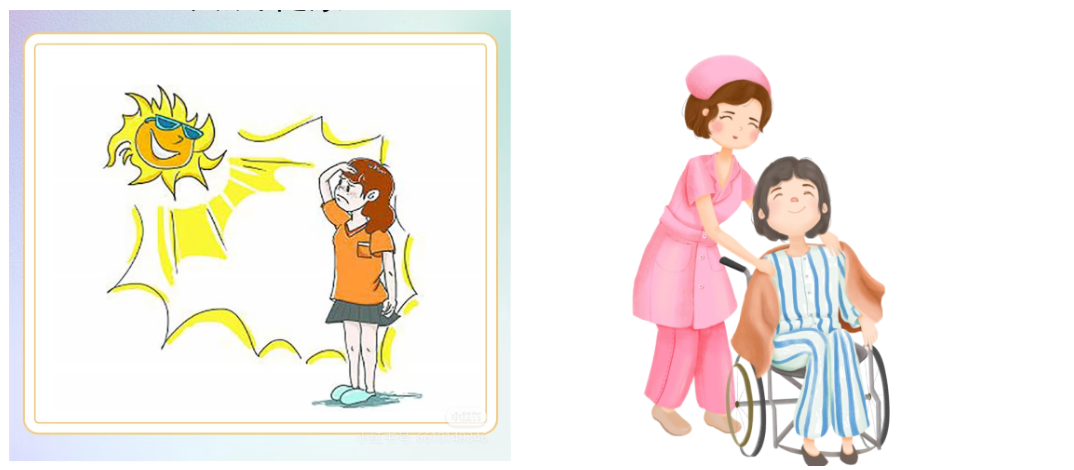
Sun Protection: Shield irradiated areas from sun exposure using clothing coverage or physical sunscreen when outdoors.
Prohibited: Avoid perfumes, alcohol-based wipes, and ointments containing metallic ingredients.

Contraindications and common misconceptions
Prohibited behaviors: Self-use of hormone ointments, applying warm compresses, and shaving hair in the irradiated area.
Common misconceptions: the more severe the skin reaction, the better the curative effect, apply with breast milk, rice washing water and other home remedies, wipe the radiotherapy marker line.

Long-term care after radiotherapy
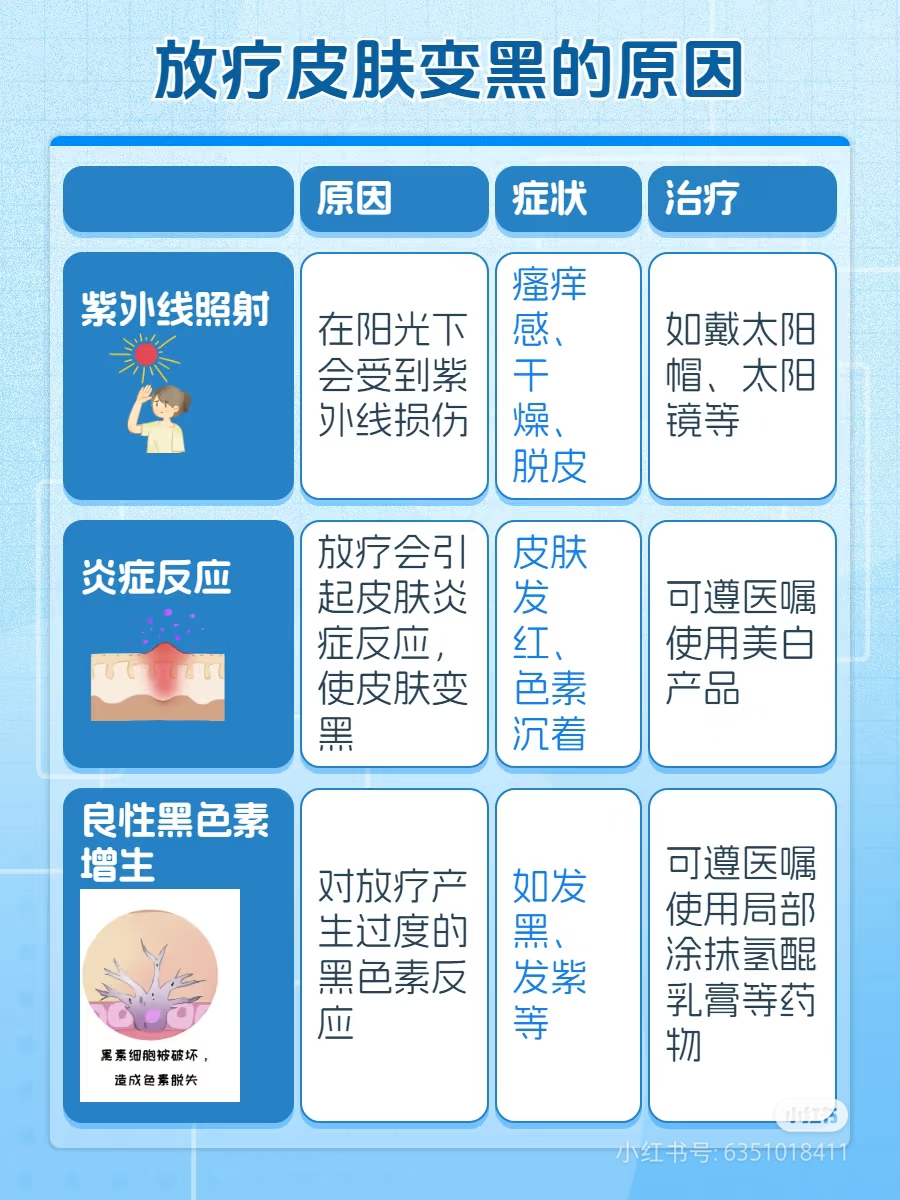
Convalescence (1-2 months after radiotherapy): Skin may remain dry and pigmented, continue to moisturize and avoid sun exposure.
Scar management: If fibrotic induration develops, consult your doctor for silicone gel or ultrasound treatment.
Regular follow-up: monitor skin recovery and be alert for rare long-term reactions (e.g., telangiectasia).

When to see a doctor right away
The presence of:
Enlargement of the skin ulceration and increased exudate.
Pain is severe or accompanied by fever.
Redness and swelling worsen after the blister ruptures.
What is the key to preventing skin damage?
1. Technical optimization; 2. Gentle cleansing + moisturizing; 3. Reduce friction/irritation; 4. Individualized pharmacological intervention.
In summary, patients need to communicate closely with the radiation therapy team to manage early skin reactions in a timely manner to avoid progression to severe injury.
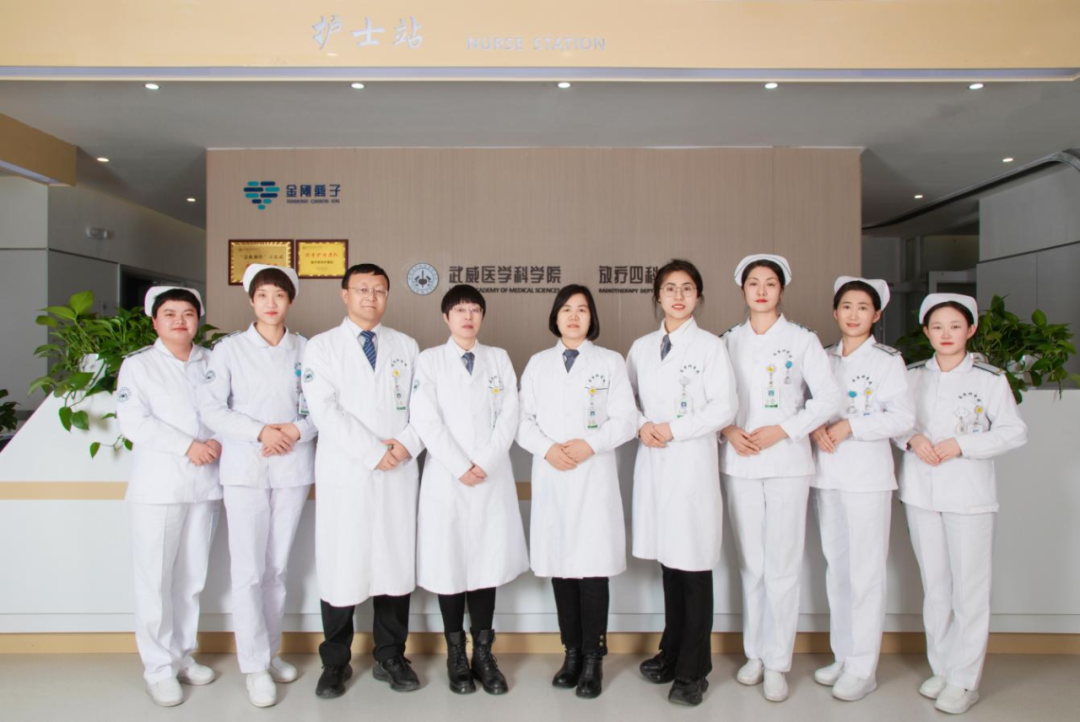
Introduction to the Fourth Department of Radiotherapy
The Fourth Department of Radiotherapy mainly provides photon and carbon ion therapy for two major malignant tumors in gynecology and breast, namely cervical cancer, endometrial cancer, vaginal cancer, vulvar cancer, ovarian cancer and breast cancer. Treatment methods include radical radiotherapy, preoperative neoadjuvant radiotherapy, postoperative adjuvant radiotherapy, chemotherapy, immunotherapy, targeted therapy, endocrine therapy, and combinations of the above treatments.
There are 13 medical staff members in the department, including 2 with associate senior titles, 1 attending physician and 3 resident physicians. The staff of the department have successively studied in Tianjin Provincial Cancer Hospital, Beijing Cancer Hospital, Beijing 301 Hospital, Peking University Third Hospital, Shanghai Proton and Heavy Ion Hospital, and Sichuan Provincial Cancer Hospital.
Dr. Dang Youquan, Associate Chief Physician and Director of the Department, has been engaged in radiation oncology for 24 years. She completed advanced training at several nationally renowned tertiary hospitals and specializes in radiotherapy and comprehensive treatment for gynecological and breast tumors. Her current academic roles include:
- Committee Member of the Ion Radiotherapy Branch, China Medical Equipment Association
- Standing Council Member of the Western Oncology Specialist Alliance
- Standing Committee Member of the Brachytherapy Committee, Gansu Anti-Cancer Association
- Committee Member of the Radiation Oncology Branch, Gansu Geriatrics Society
- Committee Member of the Oncology Nutrition Branch, Gansu Nutrition Society
- Part-time Lecturer at Wuwei Vocational College
The department has established long-term collaborations with internationally renowned experts, such as Prof. Jörg Hauffe from the Munich Proton Therapy Center (RPTC), Germany, Prof. Hirohiko Tsujii, globally recognized as the "pioneer of heavy-ion cancer therapy" from Japan's QST Hospital (formerly the National Institute of Radiological Sciences), and Prof. Yi-Min Jen, former Chairman of the Radiotherapy Committee of the Taiwan Society for Therapeutic Radiology and Oncology. Under the guidance of domestic authorities, including Prof. Liu Zi, Chair of the Gynecologic Oncology Committee at Xi'an Jiaotong University First Affiliated Hospital, and Prof. Li Sha, Chief Radiation Oncologist at the 940th Hospital of the PLA Joint Logistics Support Force.
The department has achieved remarkable academic results, including the completion of 5 provincial and municipal research projects, the publication of over 10 peer-reviewed papers in domestic and international journals, and the acquisition of 3 invention patents for radiotherapy innovations.
The department currently offers advanced radiotherapy technologies practiced globally, including heavy-ion radiotherapy, image-guided intensity-modulated radiotherapy (IGRT), intensity-modulated conformal radiotherapy (IMRT), stereotactic radiotherapy (SRS/SBRT), three-dimensional conformal radiotherapy (3DCRT), volumetric modulated arc therapy (VMAT/Rapid Arc), four-dimensional adaptive radiotherapy, image-guided 3D brachytherapy, 3D-printed template-guided interstitial brachytherapy, bladder volume monitoring-guided gynecologic radiotherapy, and preoperative/postoperative radiotherapy. These technologies are integrated with surgery, chemotherapy, hyperthermia, molecular targeted therapy, immunotherapy, and traditional Chinese medicine, thus forming a comprehensive cancer treatment model. Over years of practice, this evidence-based multimodal approach has demonstrated remarkable efficacy, earning widespread recognition from patients, peers, and the broader community.
Gynecology and heavy ion therapy for breast malignant tumors