Why Do Some Patients Have Intact Skin While Others Develop Ulcers After Breast Cancer Radiotherapy?
Why Do Some Patients Have Intact Skin While Others Develop Ulcers After Breast Cancer Radiotherapy?
The Key Differences Explained
Breast cancer patients often face concerns about radiation-induced skin damage. Here’s a detailed breakdown:
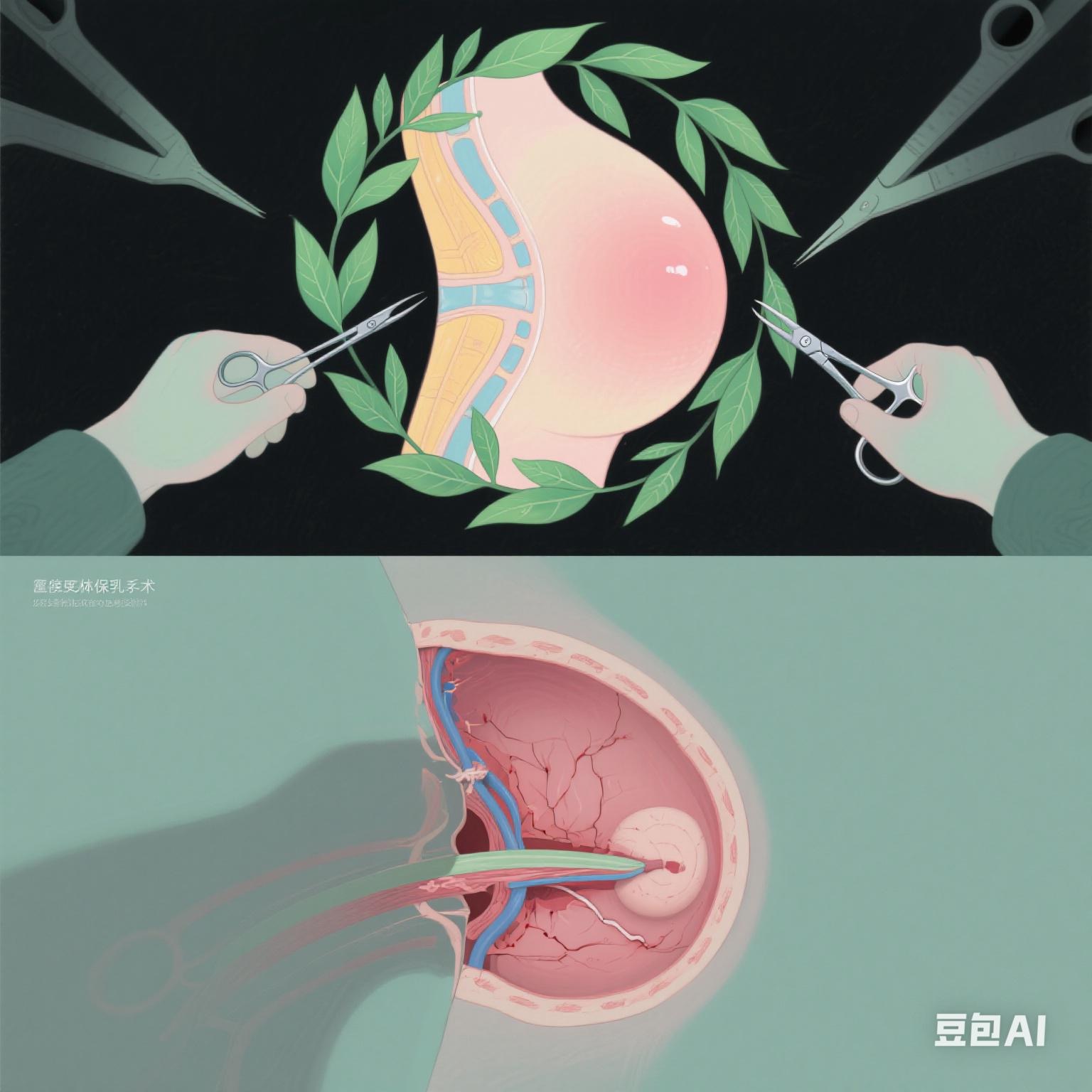
1.Incidence of Skin Damage: Modified Radical Mastectomy vs. Breast-Conserving Surgery:
● Modified Radical Mastectomy:
Overall skin damage: 30%-70%
Severe damage: 5%-15%
● Breast-Conserving Surgery:
Overall skin damage: 20%-30%
Severe damage:2%-8%
Why the Difference?
Modified radical mastectomy removes the breast and some axillary lymph nodes, exposing a larger radiation field (chest wall, supraclavicular area, axilla). This increases radiation exposure and skin reactions.
2. Pre-Radiotherapy Prevention Measures
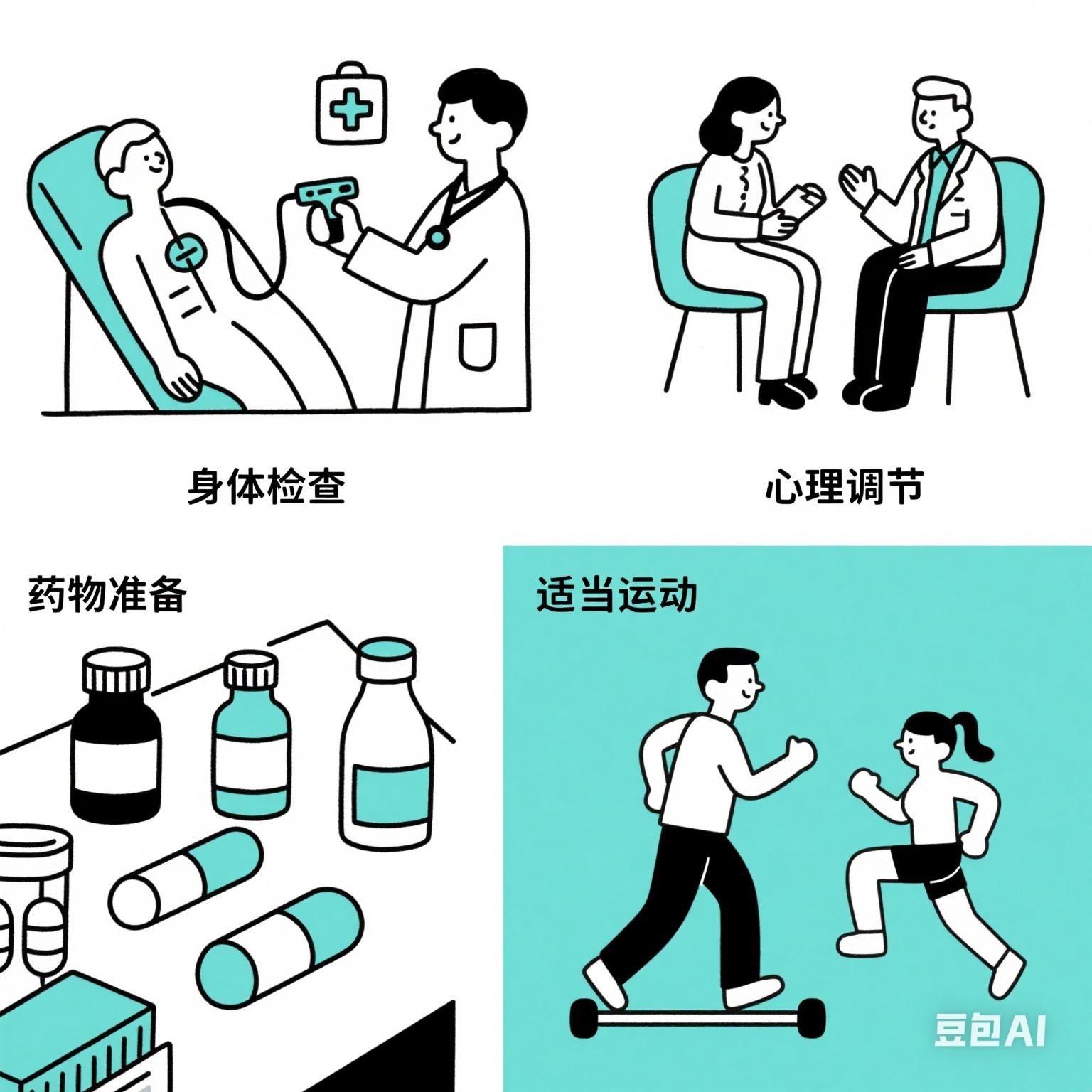
● Skin Assessment & Preparation:
○ Pre-radiotherapy skin evaluation by physicians (check for inflammation, infection, scars).
○ Skin care: Keep clean and dry; Avoid irritating products (alcohol, fragrances, alpha hydroxy acids).
● Lifestyle Adjustments:
○ Quit smoking: Smoking impairs healing and increases radiation dermatitis risk.
○ Weight management: Obese patients (especially with large breasts/folded skin) should avoid friction.
3. Skin Care During Radiotherapy
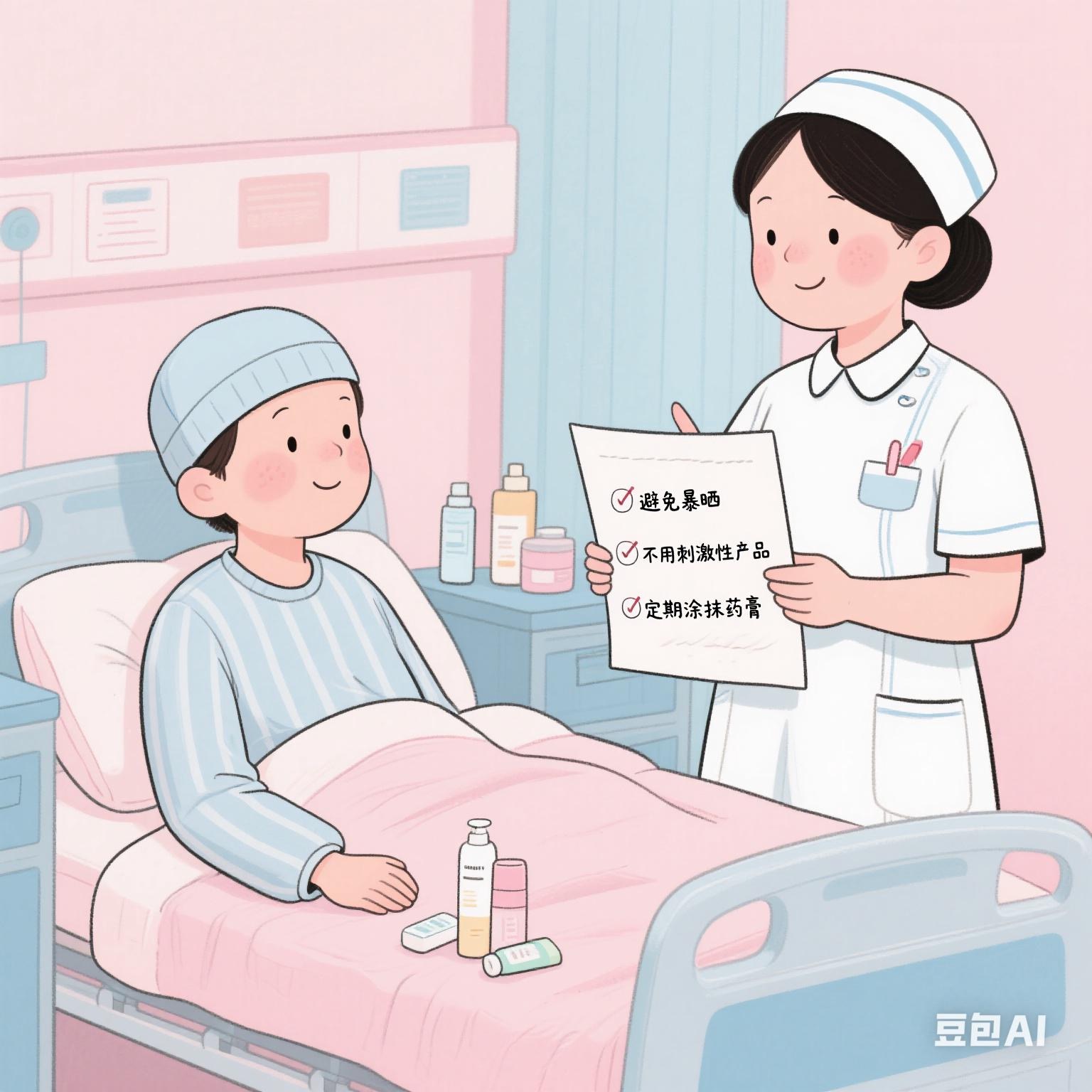
● Daily Cleaning & Moisturizing:
○ Cleanse: Gently wash the irradiated area with lukewarm water; avoid scrubbing or rough towels.
○ Moisturize: Apply fragrance-free lotions (e.g., urea, hyaluronic acid, aloe vera) 1 hour post-radiotherapy, 2-3 times daily.
○ Avoid: Alcohol-based, fragranced, or metal-containing (e.g., aluminum) products.
● Reduce Friction & Irritation:
○ Wear loose cotton underwear; avoid tight clothing or underwire bras.
○ Avoid adhesives (e.g., medical tape) or heat compresses on irradiated skin.
○ Use sunscreen ( ≥30) and protective clothing to avoid UV exposure.
4. Can Medications Prevent Skin Damage?
● Topical Agents:
○ Bregman® (Recombinant Human Epidermal Growth Factor Gel)
○ Biyanfen® (Triethanolamine Lotion)
● Usage Timing:
○ General Recommendation: Apply the medication as prescribed 1-2 days before radiotherapy to establish a protective skin barrier and enhance tissue repair capacity.
○ Example: Begin application 1-2 days prior to radiotherapy.
● Application Method:
○ Application: Evenly spread the medication over the irradiated skin area.
○ Massage: Gently massage until fully absorbed.
○ Frequency: Apply 2-3 times daily, with the exact dosage and schedule determined by your physician.

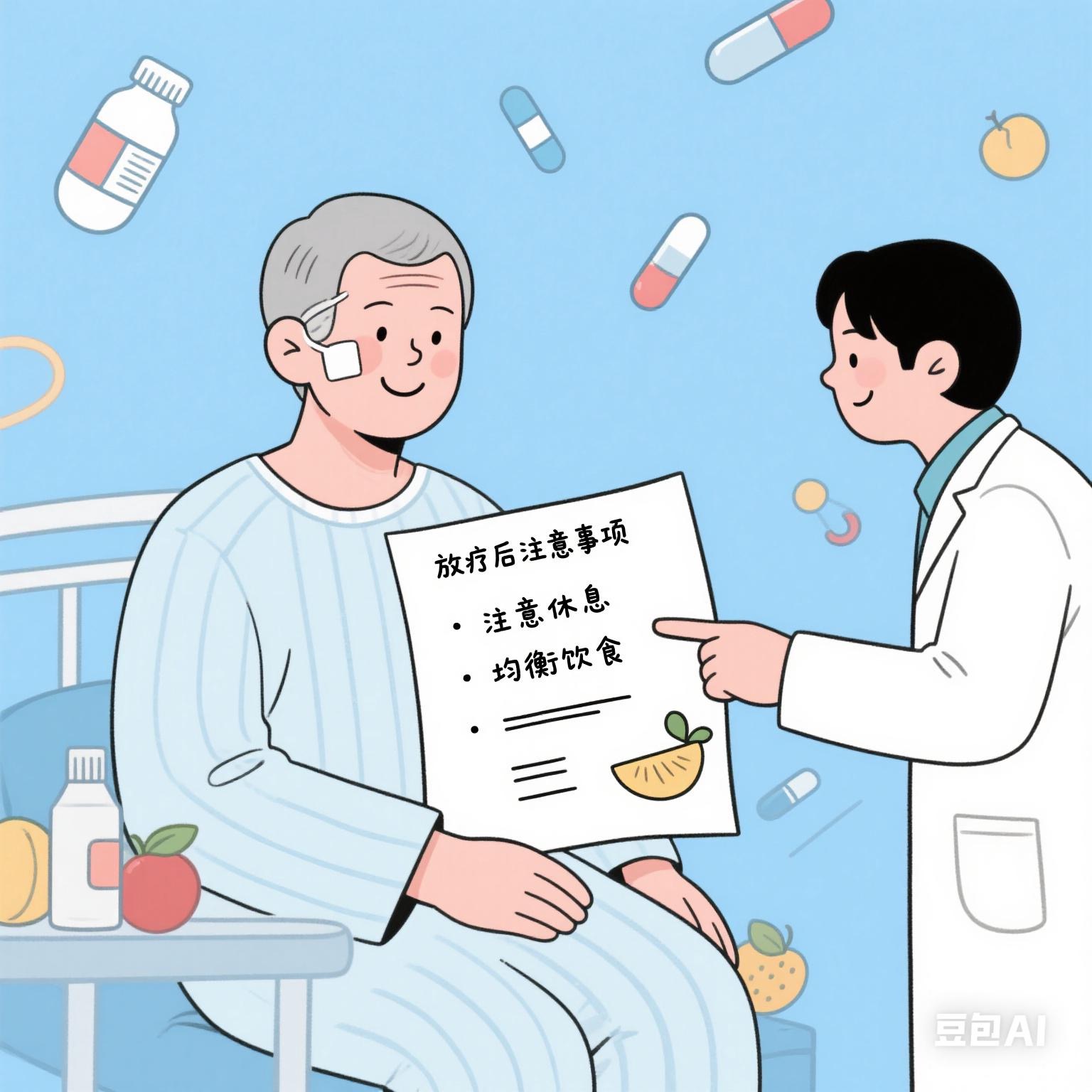
5. Post-Radiotherapy Care
● Chronic Damage Prevention:
○ Moisturize for ≥6 months to prevent dryness and fibrosis.
○ Regularly massage the area (e.g., vitamin E oil) to improve circulation and elasticity.
● Sun Protection & Avoidance:
○ Lifelong UV protection (SPF ≥30, physical barriers) for irradiated skin.
○ Avoid saunas, hot springs, and extreme heat to reduce capillary dilation.
● Lifestyle Interventions:
○ Nutrition: High-protein diet, supplement with vitamins C/E and zinc.
○ Quit smoking/alcohol to lower chronic inflammation risks.
6. High-Risk Groups Requiring Extra Caution
● Chemotherapy patients (anthracyclines, taxanes): Monitor skin reactions closely.
● Diabetic/immunosuppressed patients: Strict glycemic control to prevent infections.
● Broken skin: Apply topical antibiotics (e.g., mupirocin) promptly.
7. Key Strategies to Prevent Skin Damage
● Technical optimization (precise radiation targeting).
● Gentle cleansing + moisturizing.
● Minimize friction/irritation.
● Personalized pharmacological interventions.
Final Note: Patients must communicate closely with their radiation oncology team to address early skin reactions and prevent progression to severe damage.
Department of Radiation Oncology IV Overview
The Department of Radiation Oncology IV specializes in photon and carbon ion therapy for gynecological and breast malignancies, including cervical cancer, endometrial cancer, vaginal cancer, vulvar cancer, ovarian cancer, and breast cancer. Our treatment modalities encompass radical radiotherapy, neoadjuvant radiotherapy, adjuvant radiotherapy, chemotherapy, immunotherapy, targeted therapy, endocrine therapy, and comprehensive multimodal approaches.
The department comprises 13 medical professionals, including: 2 Associate Chief Physicians; 1 Attending Physician; 3 Resident Physicians.
Our team has received advanced training at leading institutions such as: Tianjin Cancer Hospital, Peking University Cancer Hospital, PLA General Hospital 301, Peking University Third Hospital, Shanghai Proton and Heavy Ion Center, Sichuan Cancer Hospital
Chief of Department: Dang Youquan, Associate Chief Physician, With 24 years of experience in radiation oncology, Dr. Dang has undergone specialized training at renowned tertiary hospitals nationwide. She is an expert in radiation therapy and multidisciplinary management of gynecological and breast cancers. Her professional affiliations include:
● Member, China Medical Equipment Ion Radiation Therapy Branch
● Executive Director, Western Tumor Specialty Alliance
● Standing Committee Member, Gansu Anti-Cancer Association Brachytherapy Committee
● Committee Member, Gansu Geriatric Medical Association Radiation Oncology Branch
● Committee Member, Gansu Nutrition Society Tumor Nutrition Branch
● Part-time Lecturer, Wuwei Vocational College

Dang Youquan,the director of the Department of Radiation Oncology IV
Collaborative Leadership:
● International Advisors:
○ Prof. Jörg Hauffe (Director, Munich Proton and Heavy Ion Center, Germany)
○ Prof. Hiroyuki Tsujii ("Father of Heavy Ion Tumor Therapy," Japan)
○ Prof. Yee-Min Jen (Former Chair, Taiwan Radiation Oncology Association)
● Local Collaborators:
○ Prof. Liu Zi (Chair, Gynecologic Oncology Committee, Xi’an Jiaotong University First Affiliated Hospital)
○ Prof. Li Sha (Chief Radiation Oncologist, PLA Joint Logistics Support Force 940 Hospital)
Clinical and Research Achievements:
● Completed 5 provincial/municipal research projects and published 10+ peer-reviewed papers.
● Secured 3 invention patents for radiation oncology technologies.
● Advanced Treatment Technologies:
○ Photon/Carbon Ion Therapies:
○ Intensity-Modulated Radiation Therapy (IMRT)
○ Volumetric Modulated Arc Therapy (VMAT/RapidArc)
○ Stereotactic Radiosurgery (SRS) & Stereotactic Body Radiotherapy (SBRT)
○ Image-Guided Radiation Therapy (IGRT)
○ Three-Dimensional Conformal Radiation Therapy (3DCRT)
○ 3D-Printed Interstitial Brachytherapy
○ Cystometry-Guided Precision Radiotherapy for Gynecologic Tumors
Multidisciplinary Integration:
Combined with surgery, chemotherapy, hyperthermia, molecular-targeted therapy, immunotherapy, and traditional Chinese medicine.
Clinical Impact:
Our evidence-based, multidisciplinary approach has achieved exceptional therapeutic outcomes, earning widespread recognition from patients, peers, and healthcare institutions.
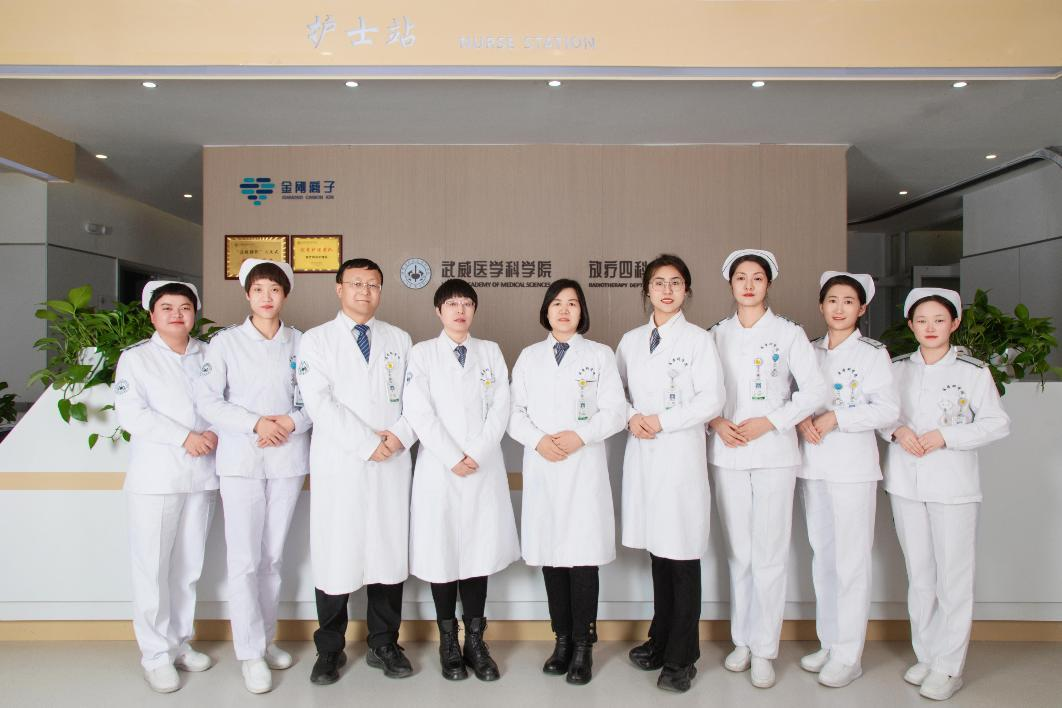
Specialized Department for Heavy Ion Therapy of Gynecological & Breast Malignant Tumors

Scan the code and contact us!