Y‑90 Breakthrough: Two Liver Cancer Procedures Completed in One Day
Another Breakthrough in Y‑90 Therapy | Our Hospital Successfully Completes Two Y‑90 Resin Microsphere Liver Cancer Procedures on the Same Day
On September 23, the multidisciplinary MDT team — comprising the Department of Nuclear Medicine, the Hepatobiliary Center, and the Interventional Catheterization Laboratory at Gansu Wuwei Cancer Hospital — achieved another clinical milestone by successfully performing two Y‑90 resin microsphere precision treatments for liver cancer. One case was a complex liver cancer patient referred from The First Hospital of Lanzhou University, while the other was a case independently evaluated and treated by our hospital. The successful completion of both procedures on the same day marks the full maturation and routine clinical implementation of our hospital's Y‑90 precision liver cancer treatment technology. Our hospital now not only possesses the proven capability to independently perform cutting‑edge precision internal radiation therapy for liver cancer, but can also leverage its core technical advantages to accept complex cases from within the province and engage in cross‑institutional collaboration — providing solid technical support for peer hospitals in Gansu and formally establishing itself as a benchmark core center for precision internal radiation therapy for liver cancer in Northwest China.
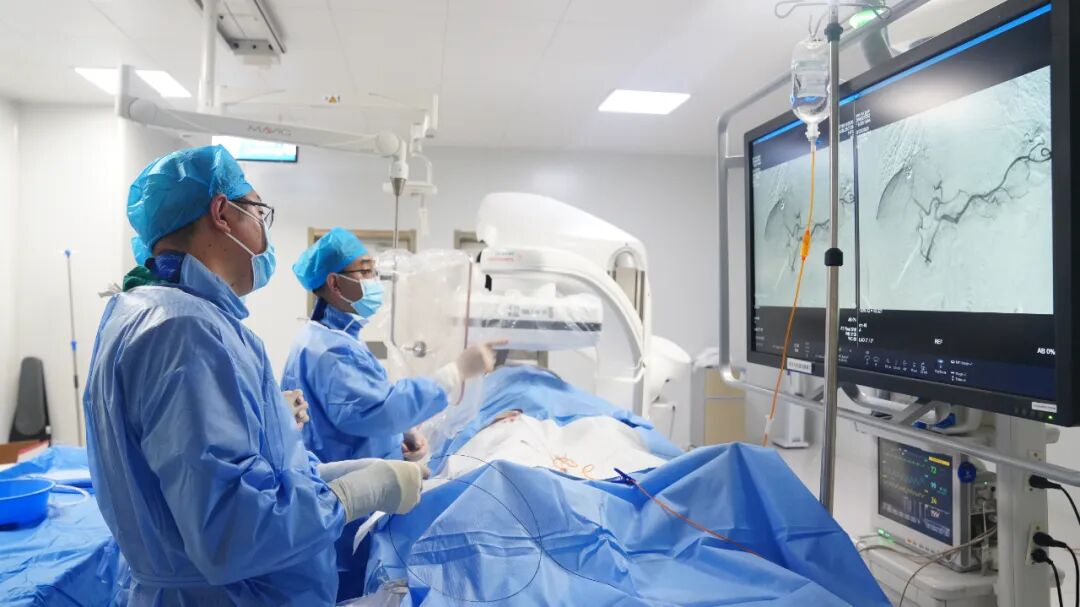
Both patients treated this time had intermediate‑to‑advanced liver cancer that was not amenable to conventional surgery, characterized by complex conditions, highly invasive lesions, and significant treatment challenges. Traditional surgery and conventional chemoradiotherapy offer limited benefit for such patients, with extremely high intraoperative and postoperative risks, making it difficult to achieve satisfactory outcomes. For the complex case referred from The First Hospital of Lanzhou University, our hospital's MDT team coordinated in advance with two‑way consultation, systematically reviewing the patient's prior medical history, tumor size, lesion location, baseline physical condition, and various laboratory and imaging data — comprehensively assessing the condition, precisely mitigating clinical risks, and tailoring a safe and feasible treatment plan. For the patient independently admitted by our hospital, the team conducted a comprehensive and systematic evaluation, integrating tumor progression, physical tolerance, and individual patient characteristics to develop a precise, individualized Y‑90 resin microsphere treatment plan for each patient — maximizing the opportunity for optimal treatment outcomes.
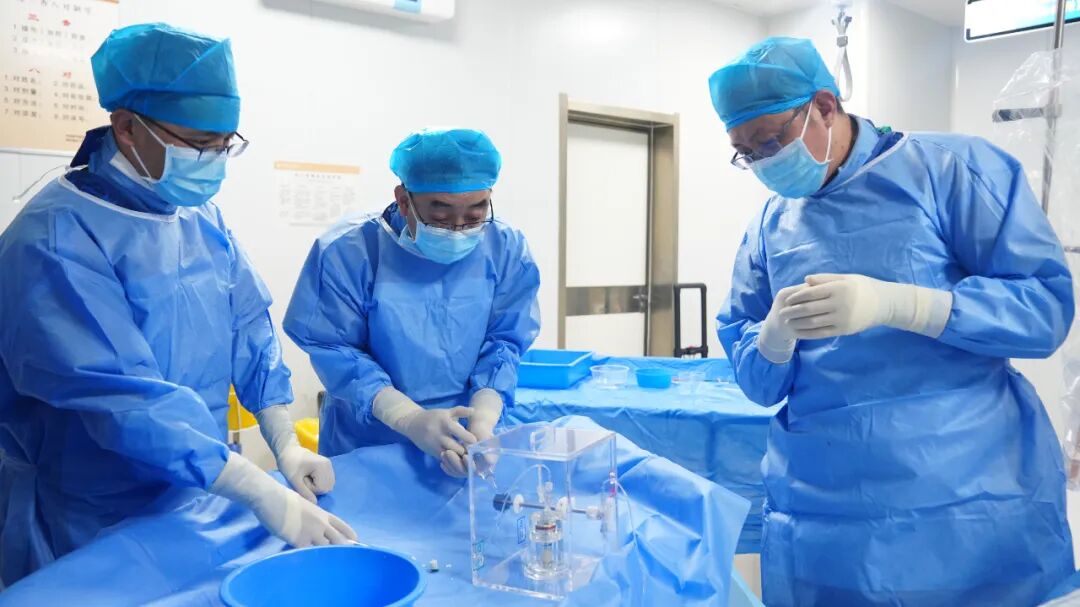
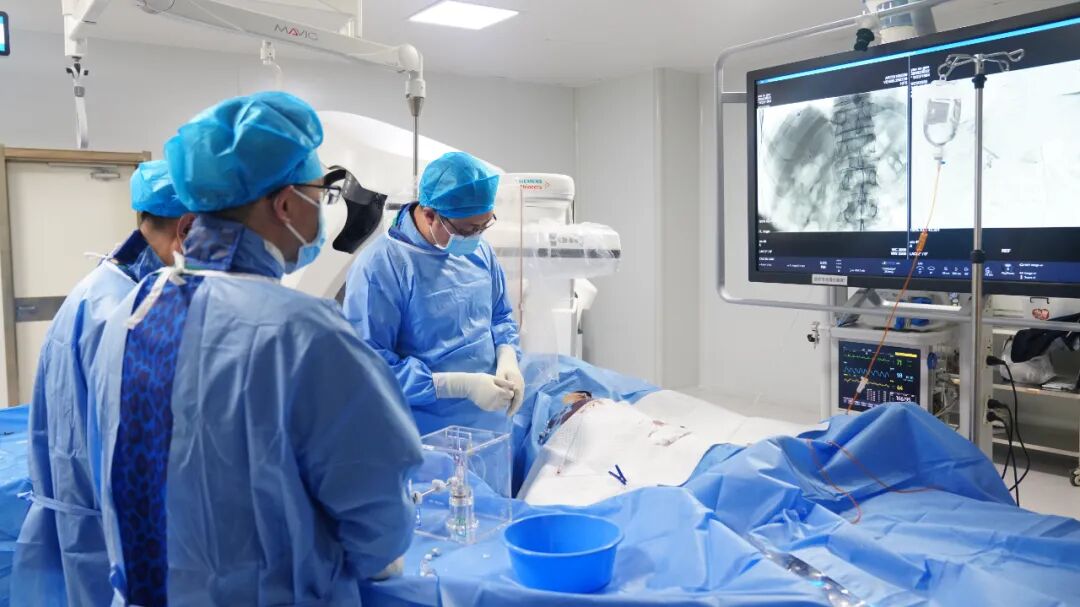
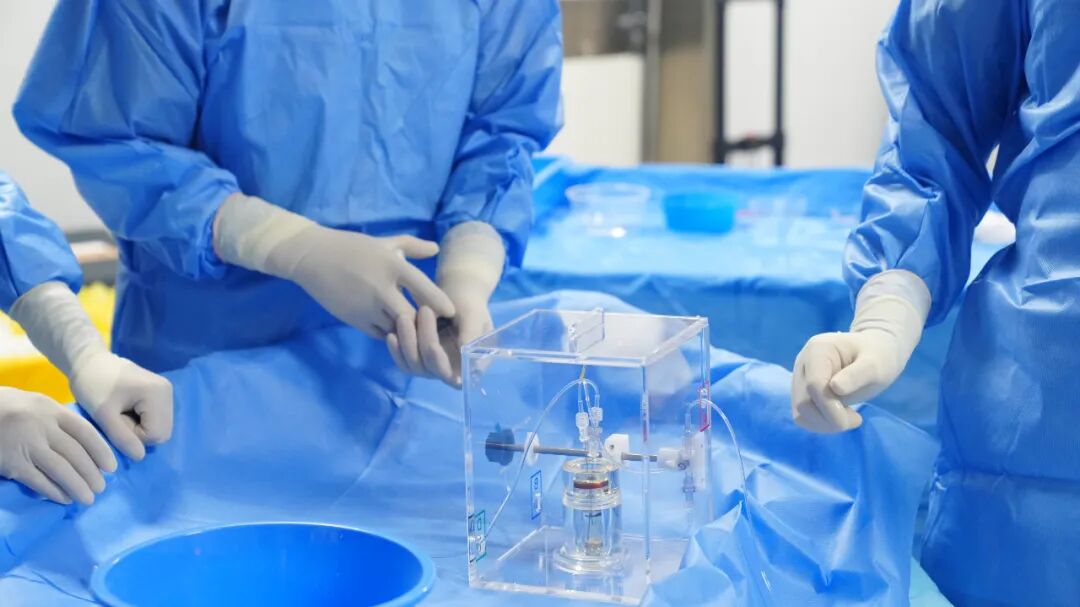
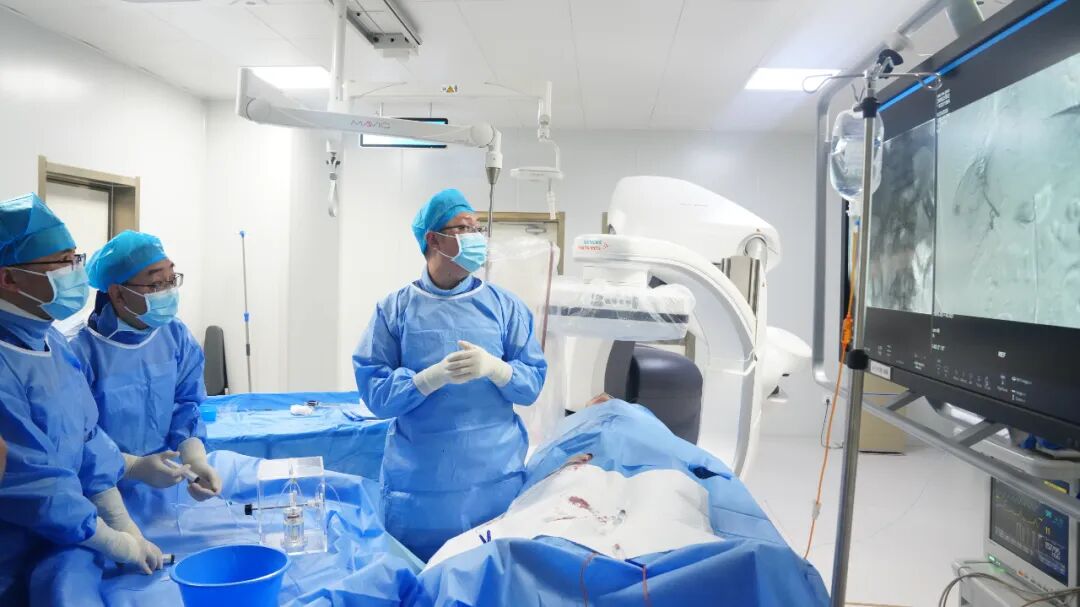
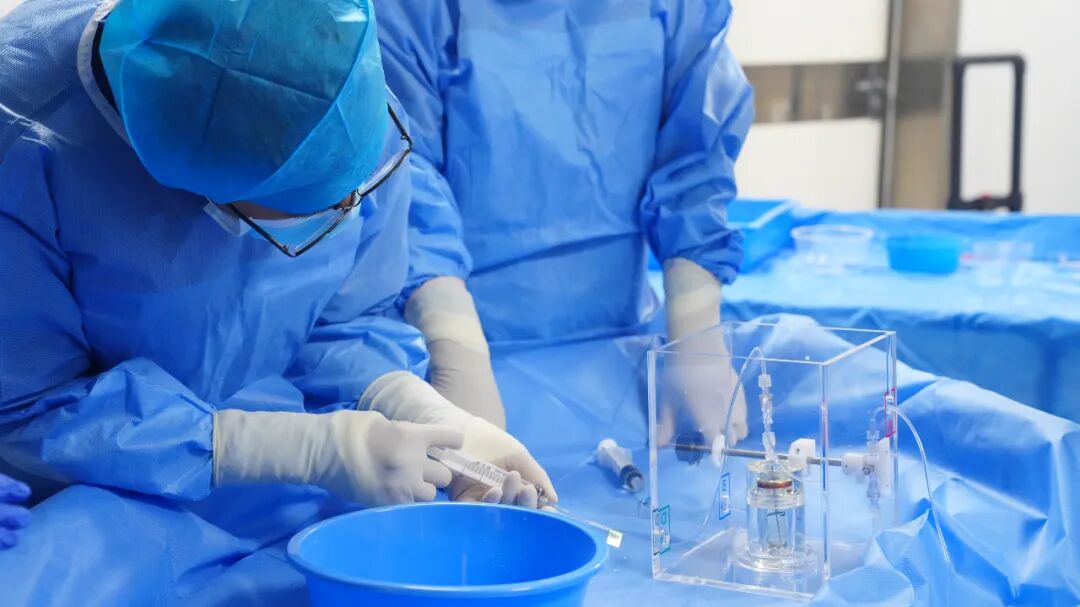
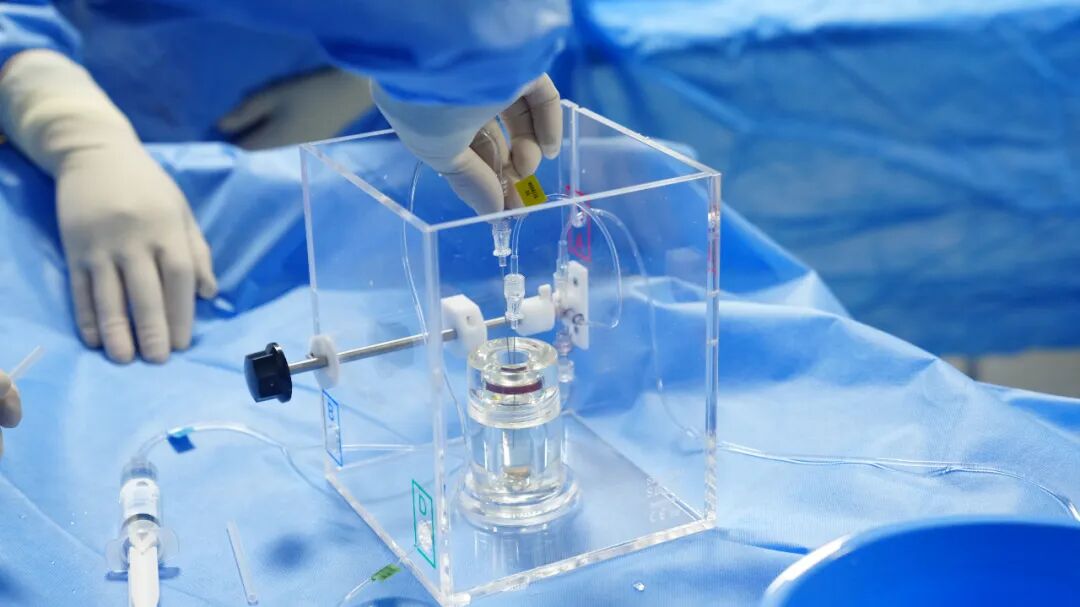
Both procedures were successfully completed under high‑precision minimally invasive guidance using digital subtraction angiography (DSA). Director Liang Chunhui, who has extensive experience and refined skills in hepatobiliary tumor interventional diagnosis and treatment, led a multidisciplinary expert team from the Department of Nuclear Medicine to precisely locate the tumor‑feeding arteries. Through meticulous femoral artery puncture to establish the procedural access, millions of resin microspheres loaded with high‑purity radioactive nuclides were precisely delivered to the core region of the tumor lesions. Y‑90 resin microspheres are hailed as an "invisible precision scalpel within the body." They firmly adhere and deposit uniformly within the tumor tissue, continuously emitting high‑energy beta radiation. With an ultra‑short precise radiation radius of 2.5 mm, this technology can precisely encircle and completely destroy all cancer cells, achieving full‑coverage precision treatment of the tumor lesion while precisely avoiding surrounding normal liver tissue and adjacent organs-maximally preserving normal liver physiological function. This decisively addresses the industry pain points of traditional liver cancer treatment: "killing the enemy while harming oneself, insufficient precision, limited treatment scope, and significant side effects."
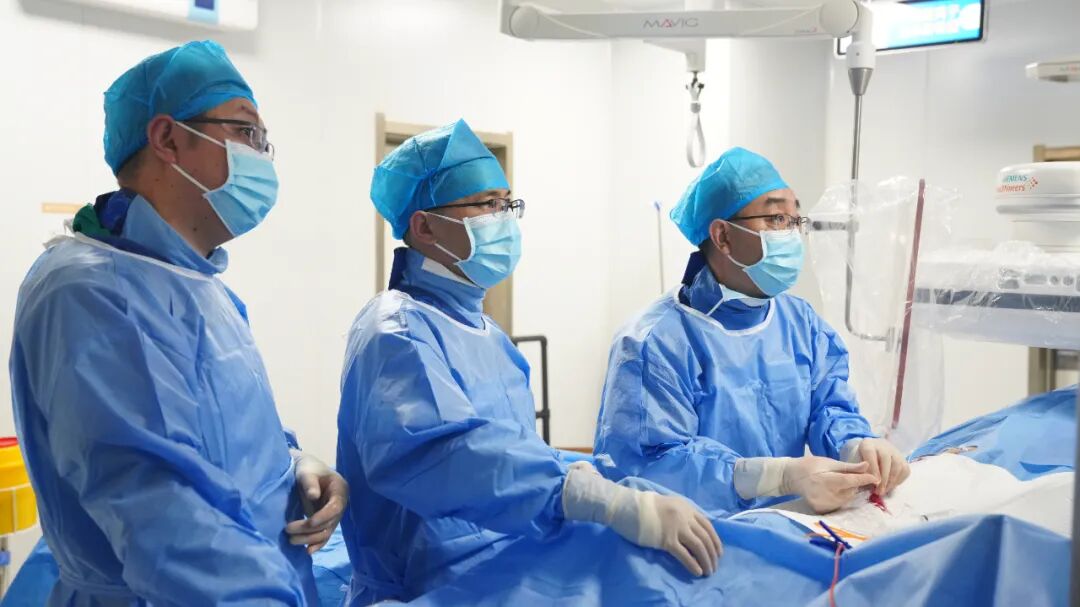
Compared with traditional treatment modalities, Y‑90 resin microsphere interventional therapy offers notable advantages: ultra‑minimally invasive, one‑time curative treatment, minimal trauma, rapid postoperative recovery, mild toxic side effects, and fewer complications. Both procedures proceeded smoothly and in an orderly manner, with stable intraoperative vital signs and good postoperative status. This technology is precisely suited for various intermediate‑to‑advanced unresectable liver cancers, colorectal cancer liver metastases, cases with portal vein tumor thrombus, and complex liver tumors that have failed traditional treatment or recurred after surgery. It can rapidly reduce tumor volume and promote tumor downstaging, restoring the possibility of curative surgical resection for intermediate‑to‑advanced liver cancer patients who had lost conventional surgical opportunities — effectively prolonging survival and significantly improving postoperative quality of life.
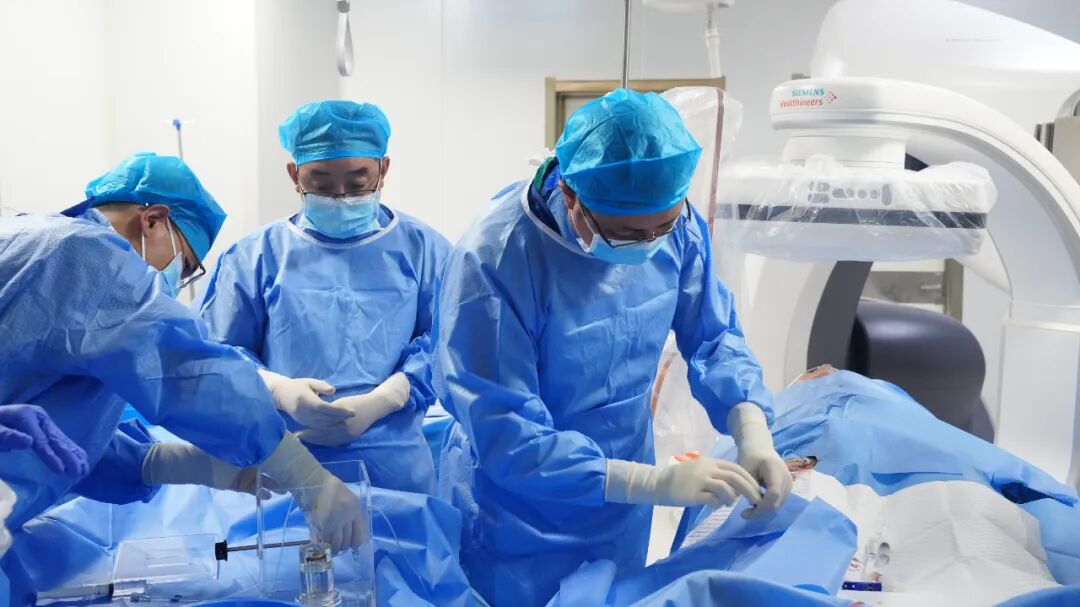
Our Hepatobiliary Center is a key distinctive specialty at our hospital, long dedicated to the standardized, refined, and individualized comprehensive diagnosis and treatment of various benign and malignant hepatobiliary tumors and complex liver diseases. Leveraging a mature and comprehensive MDT multidisciplinary diagnosis and treatment system, the department integrates cutting‑edge technologies including surgery, interventional therapy, precision radiotherapy, and targeted immunotherapy. It focuses on tackling complex and difficult hepatobiliary tumor cases such as intermediate‑to‑advanced liver cancer, metastatic liver cancer, and portal vein tumor thrombus. The department excels at developing optimal individualized treatment plans for complex cases without conventional surgical options or with limited treatment alternatives, serving as a core specialty force in precision hepatobiliary tumor diagnosis and treatment and complex case management in Northwest China.
Established in 1983, our Department of Nuclear Medicine has deep disciplinary heritage and long‑standing technical accumulation. It is the only medical institution in Gansu Province equipped with two PET‑CT scanners. The department possesses high‑end PET‑CT, SPECT/CT, and an in‑house radiopharmaceutical preparation platform, establishing a complete and standardized nuclear medicine molecular imaging diagnostic system. It can perform whole‑body early tumor screening, tumor staging and differentiation, treatment efficacy evaluation, and early diagnosis of complex multisystem diseases — providing solid imaging diagnostic support for cancer treatment.
To date, the department has maturely implemented over ten cutting‑edge core diagnostic and therapeutic technologies, including ⁹⁰Y (yttrium‑90) resin microsphere interventional therapy, ¹²⁵I (iodine‑125) seed implantation, and targeted radionuclide therapy, benefiting cancer patients within and beyond the province. The hospital has successively completed the first domestically produced Y‑90 microsphere treatment in the Gansu‑Qinghai‑Ningxia‑Xinjiang region and the first ²²³Ra (radium‑223) targeted therapy in Gansu Province. Additional cutting‑edge radionuclide therapies including ¹⁷⁷Lu (lutetium‑177), ²²⁵Ac (actinium‑225), and ²¹¹At (astatine‑211) are soon to be introduced, continuously leading Gansu's tumor radionuclide therapy into the ranks of the nation's most advanced.
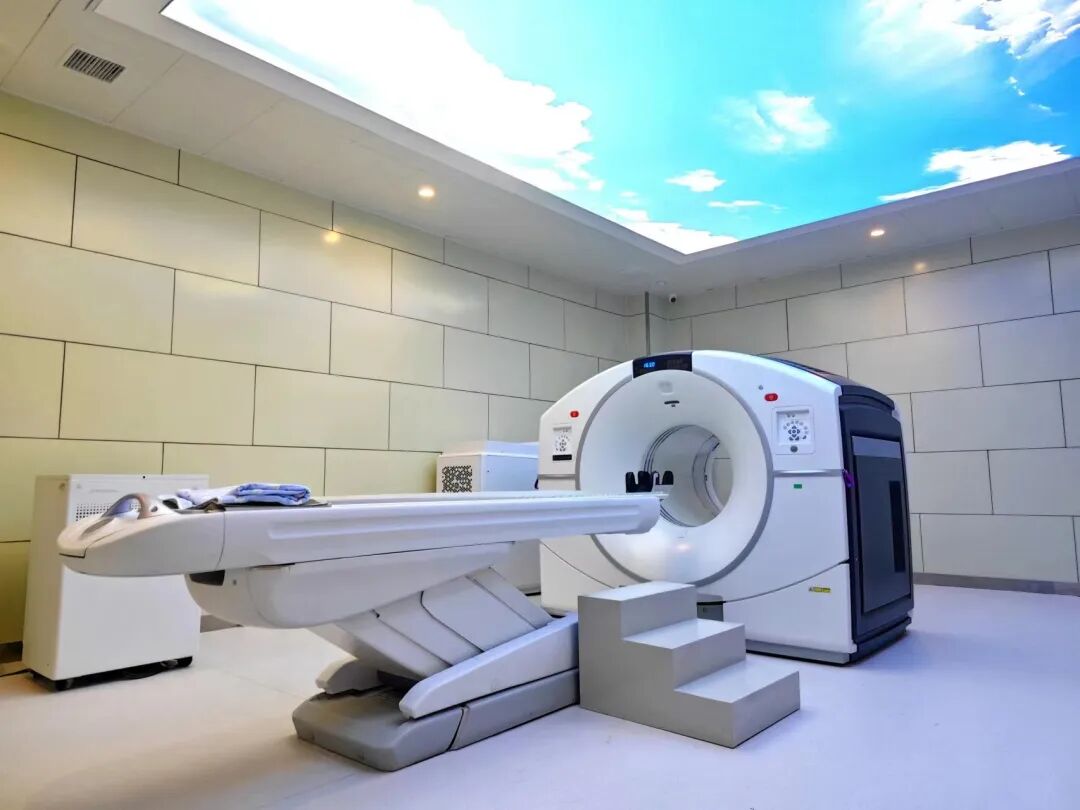
PET/CT
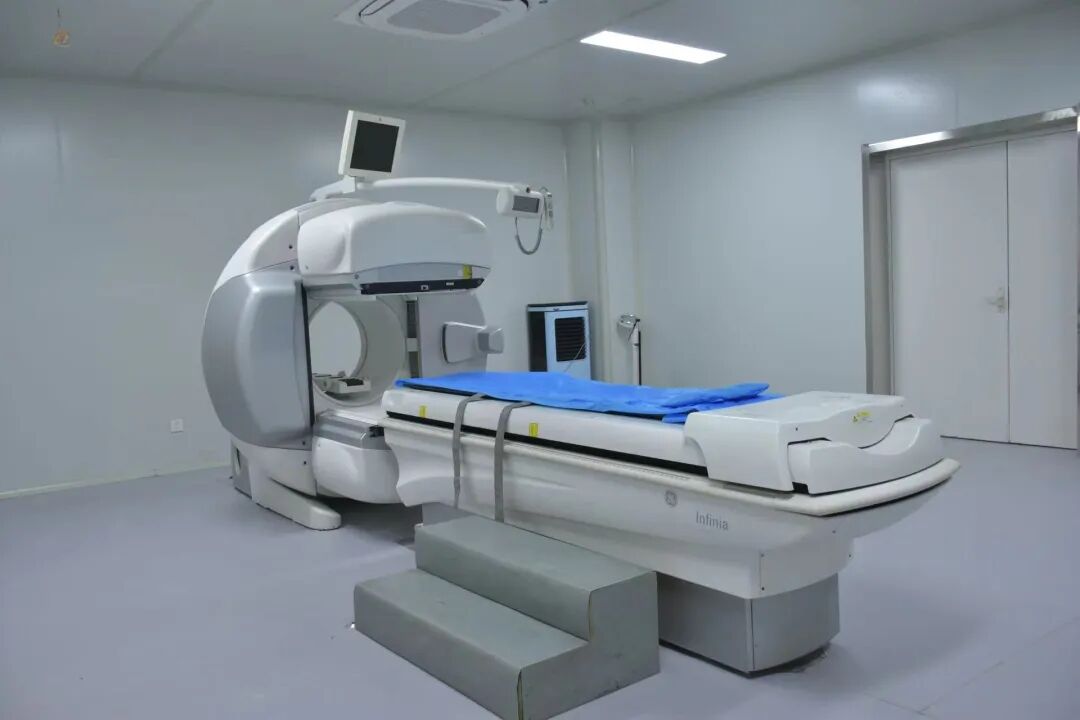
SPECT/CT
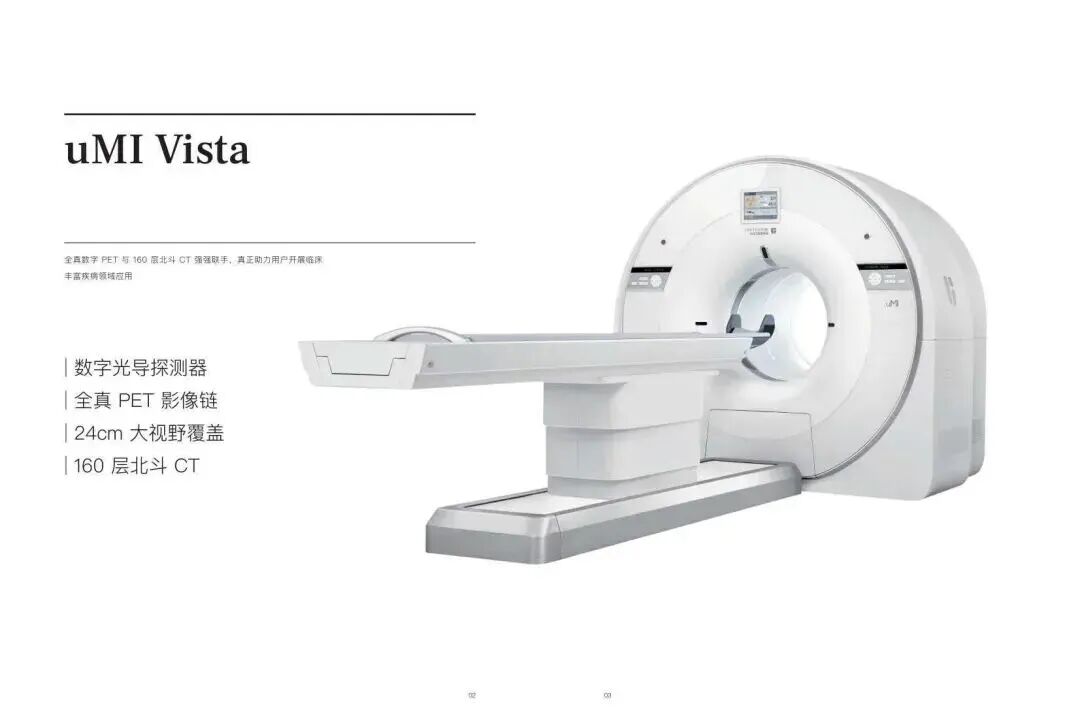
uMI Vista
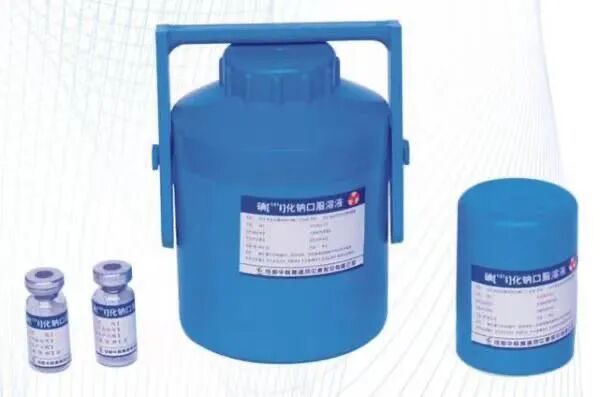
¹³¹I Therapy for Hyperthyroidism and Differentiated Thyroid Cancer
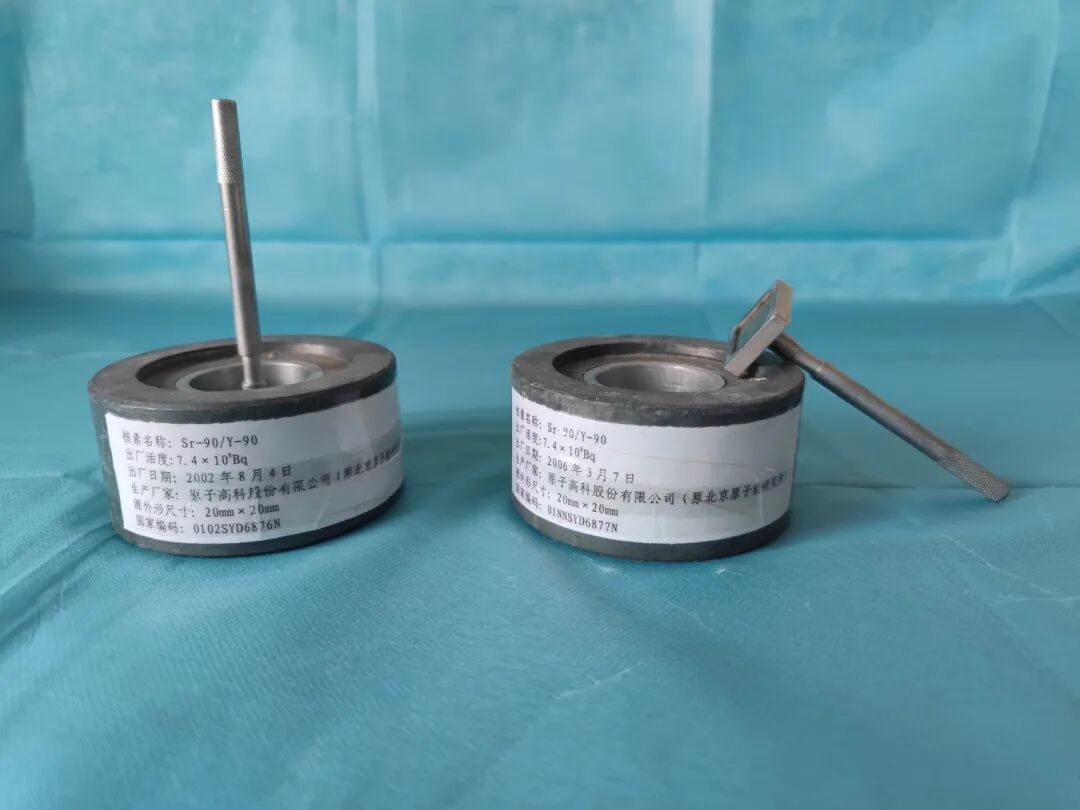
⁹⁰Sr‑⁹⁰Y Radionuclide Applicator Therapy
⁸⁹Sr Therapy for Bone Metastases
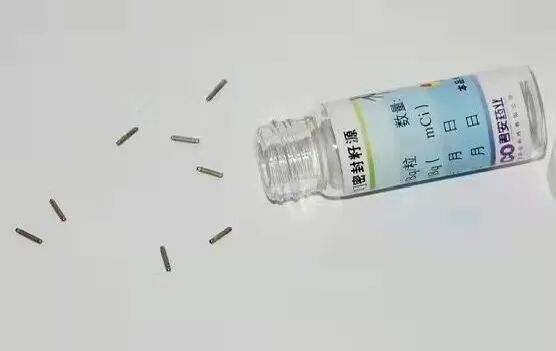
¹²⁵I Seed Implantation Therapy
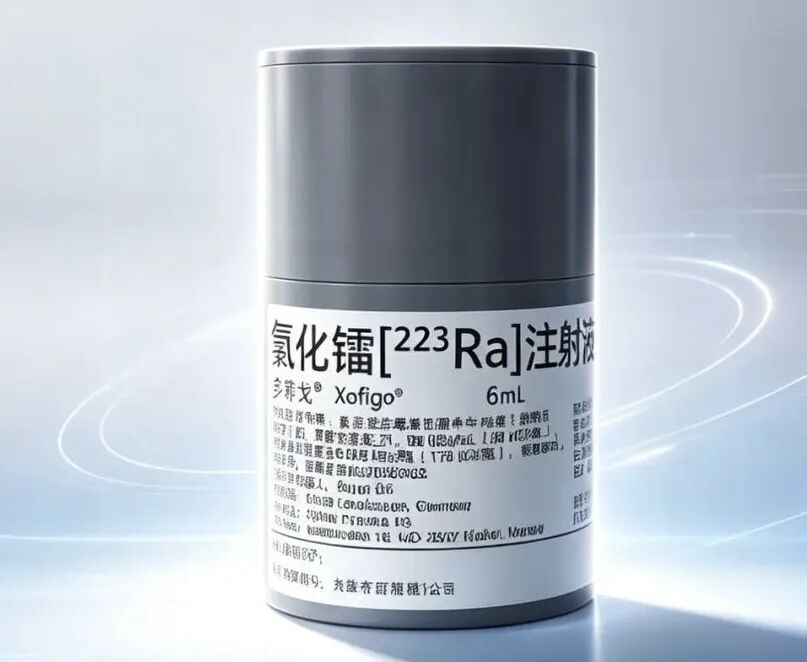
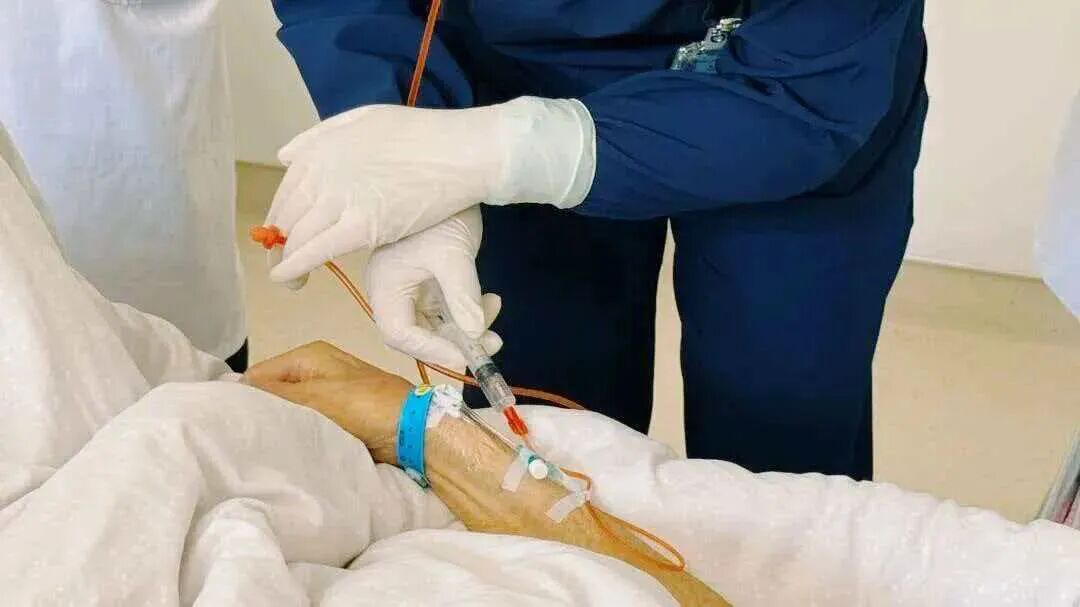
²²³Ra Radionuclide Targeted Therapy
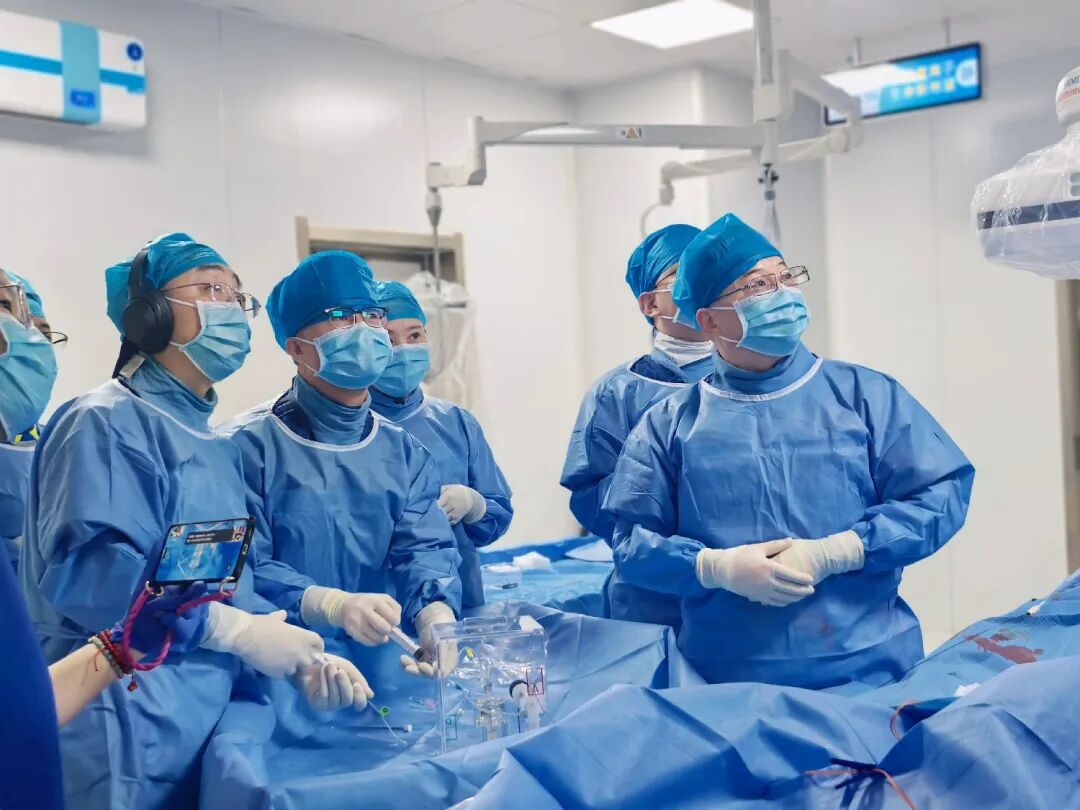
⁹⁰Y Resin Microsphere Interventional Therapy
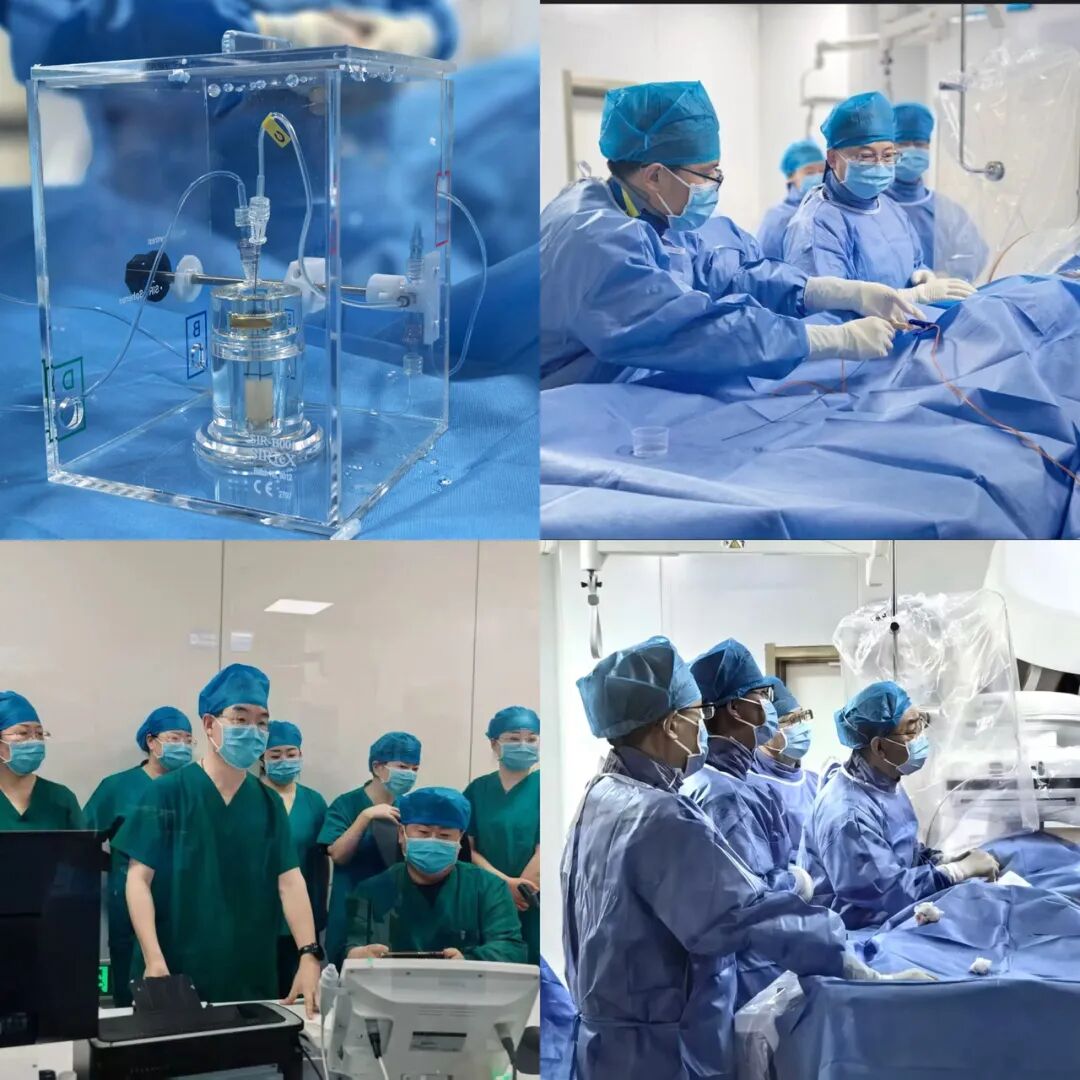
The successful performance of these two Y‑90 resin microsphere procedures provides strong evidence of the mature, stable, and excellent multidisciplinary collaborative capabilities of our hospital's Department of Nuclear Medicine and Hepatobiliary Center. It also comprehensively demonstrates the hospital's independent diagnostic and treatment capabilities, regional outreach capacity, and cross‑institutional collaboration empowerment. From independently conquering the first Y‑90 core technology in Northwest China to achieving routine independent treatment and accepting complex case referrals from provincial tertiary hospitals, this fully highlights our hospital's leading position and regional radiating advantages in the field of precision radionuclide therapy for tumors in Northwest China.
Looking ahead, Gansu Wuwei Cancer Hospital will continue to deepen its engagement in the frontier field of precision radionuclide therapy for tumors, fully leveraging its nuclear medicine specialty characteristics and technical advantages, and continuously refining core technologies such as Y‑90 resin microspheres and precision particle radiotherapy. The hospital will continuously optimize and strengthen its multidisciplinary collaborative diagnosis and treatment model and complex case management capabilities. On the basis of consistently providing high‑quality, refined diagnostic and treatment services for our own patients, we will further deepen regional medical collaboration and give full play to the radiating and leading role of a regional cancer diagnosis and treatment center — contributing to the homogenized, high‑quality development of cancer diagnosis and treatment services within the province and across Northwest China. The hospital will continue to tackle complex tumors with top‑tier nuclear medicine technology, safeguard public life and health with the responsibility of dedicated healers, and fully promote the steady advancement of cancer prevention and treatment in Northwest China and nationwide to a new stage of high‑quality development.
Writer: Duan Shengyu
First Review: Ma Shuqian
Second Review: Guo Yishan
Third Review: Cai Qinghua