A Healer Devoted to Gansu – President Wang Junjie's Ward Rounds and Consultations at Lanzhou Campus
A Healer Devoted to Gansu – President Wang Junjie's Ward Rounds and Consultations at Lanzhou Campus
In Lanzhou, the Golden City, along the banks of the Yellow River, autumn is quietly deepening. Within the radiotherapy wards of the Lanzhou Campus of Gansu Wuwei Cancer Hospital, a calm and unassuming expert moves between patient rooms, carefully examining each hospitalized patient. He is Professor Wang Junjie, Chair of the Chinese Society of Radiation Oncology and President of the Lanzhou Campus of Gansu Wuwei Cancer Hospital.
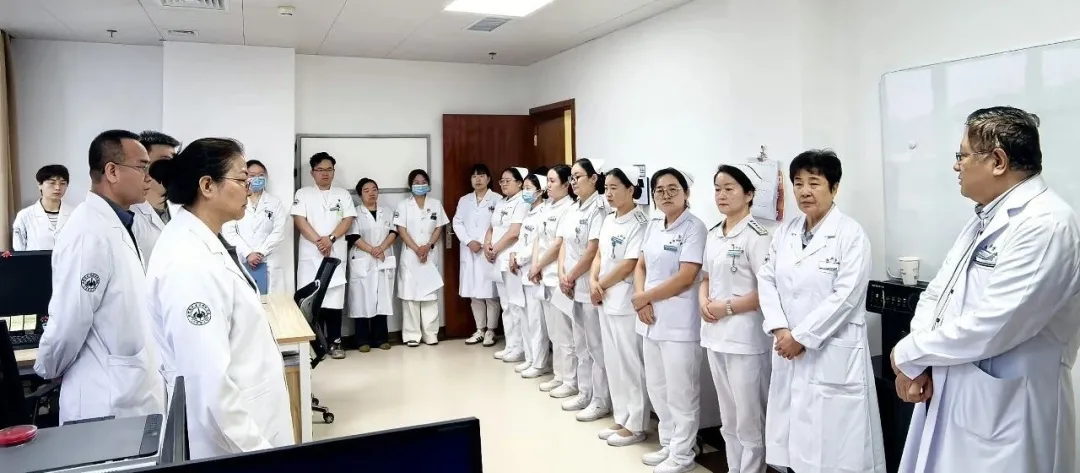
With more than thirty years of dedication to the field of radiation oncology, Professor Wang Junjie has developed profound expertise in precision radiotherapy and radioactive seed implantation, and stands as a leading authority in brachytherapy and smart radiotherapy in China. Since the official launch of the Lanzhou Campus of Gansu Wuwei Cancer Hospital, he has rooted himself in the campus, overseeing discipline development and routinely conducting outpatient consultations, teaching ward rounds, and multidisciplinary consultations for complex cases — enabling people in Northwest China to access top‑tier cancer care without leaving their home region. For him, safeguarding the health of cancer patients in the Northwest has long been a weighty responsibility and mission.
01. Uphold the original aspiration of medical practitioners in every subtle detail
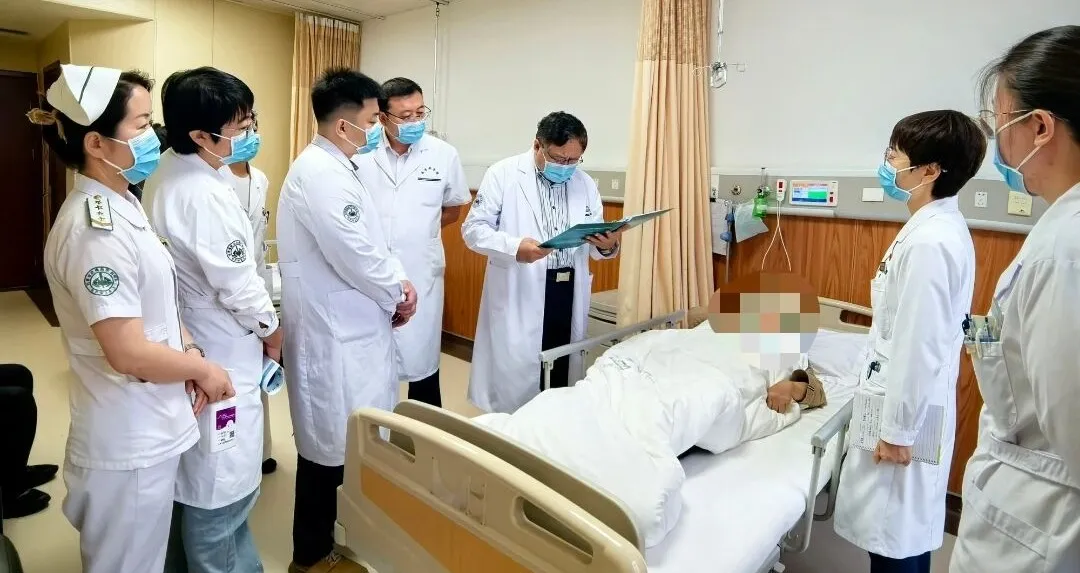
President Wang Junjie's teaching ward rounds are both rigorous and compassionate. Before each round begins, he gathers with the attending physicians to systematically review cases, carefully examining patient imaging, heavy ion radiotherapy plans, dose distribution maps, and laboratory reports. Only after gaining a comprehensive understanding of treatment progress, adverse reactions, and physical tolerance does he lead the department's physicians and nursing team into the wards for bedside rounds.
At the bedside of a pancreatic cancer patient who had undergone heavy ion therapy, President Wang leaned in to inquire about the patient's diet, abdominal pain, and gastrointestinal reactions. He carefully assessed the patient's general condition and cross‑referenced abdominal imaging to verify tumor regression and the radiation dose to surrounding normal tissues, including the gastrointestinal tract and kidneys. He instructed the attending physician: "After heavy ion therapy for pancreatic cancer, close attention must be paid to gastrointestinal mucosal reactions. Monitor abdominal pain, nausea, and diarrhea closely, ensure adequate nutritional support, and dynamically adjust symptomatic management based on the patient's tolerance." Then, in a gentle tone, he reassured the patient: "The tumor control trend is favorable. Make sure to eat well, build up your strength, and keep cooperating with follow‑up treatment." Hearing this, the patient's eyes reflected a renewed confidence in fighting the disease.
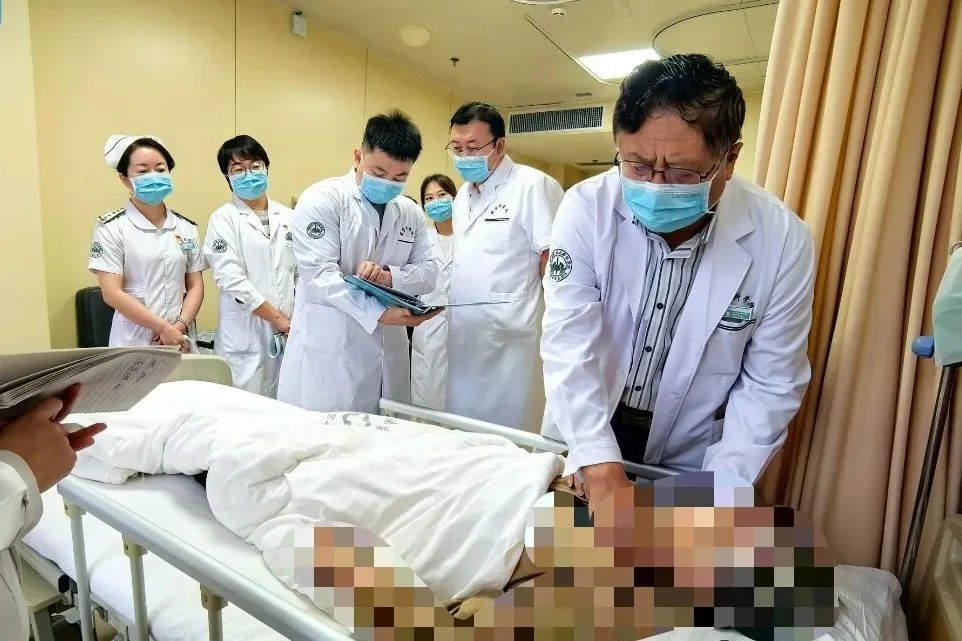
From rigorous verification of target volume doses to meticulous bedside interviews and physical examinations, from careful refinement of treatment plans to reminders about nursing and nutritional details, President Wang Junjie's ward rounds consistently adhere to an evidence‑based approach, placing the patient's safety and experience above all else — embodying the patient‑centered philosophy of care in every detail.
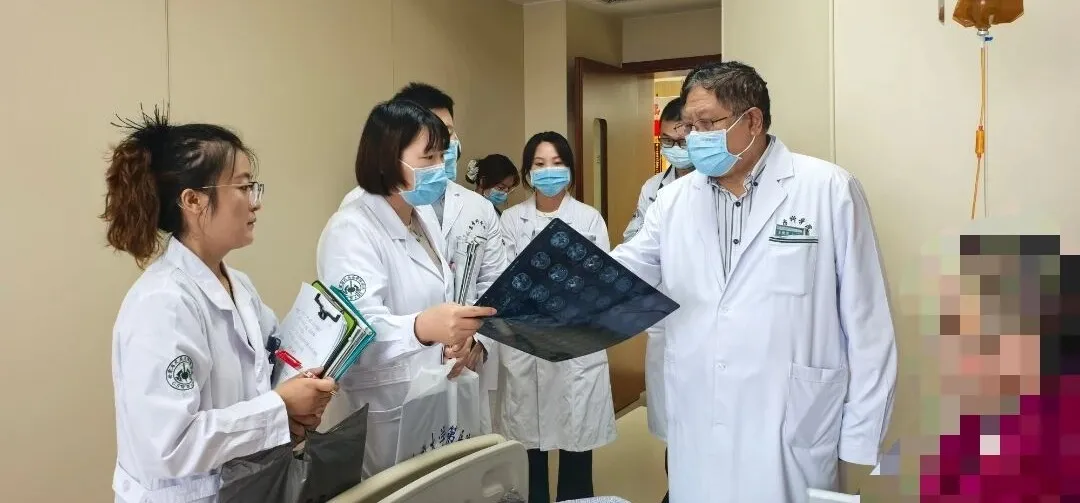
02. Multidisciplinary consultation enables treatment plans to combine precision with compassion
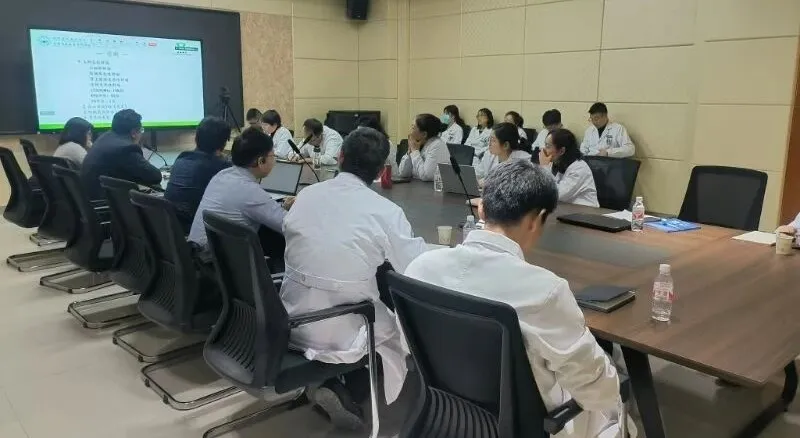
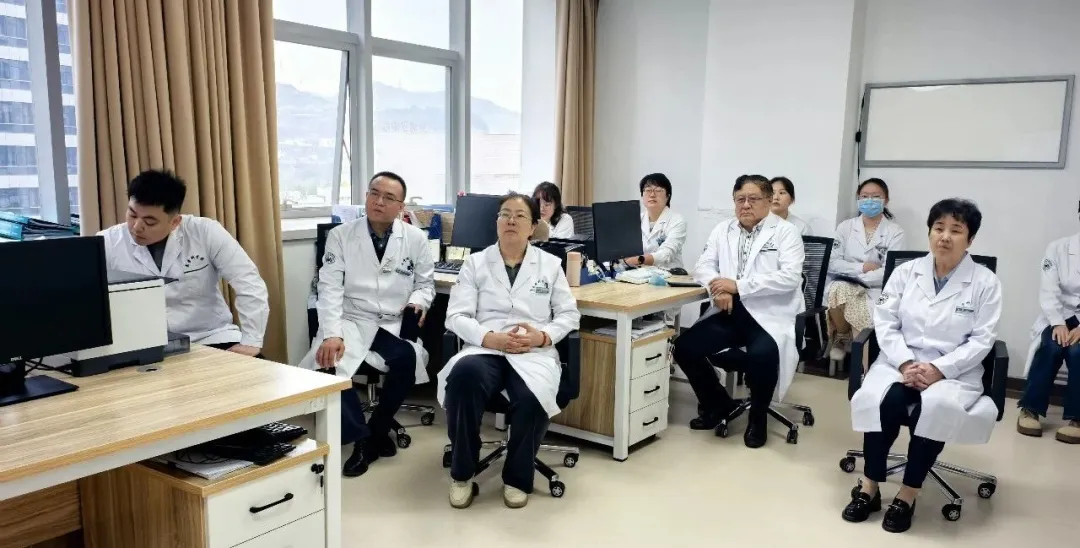
For a group of complex tumor cases with multiple underlying conditions, President Wang Junjie led a multidisciplinary MDT consultation involving the Departments of Radiation Oncology, Medical Oncology, Surgical Oncology–Minimally Invasive Intervention, Radiology, Gastroenterology–Oncology Rehabilitation, Radiation Physics, and Radiotherapy Technology.
In the consultation room, experts from each discipline offered their perspectives on pathological classification, imaging assessment, systemic disease status, pharmacotherapy, and nutritional status. President Wang listened carefully to each expert's input and, drawing on the characteristics of heavy ion therapy and the latest domestic and international clinical evidence, comprehensively considered each patient's age, baseline health, and prior treatment history. He refined and optimized treatment plans, balancing local tumor control with systemic comprehensive treatment, and developed individualized, integrated care strategies for complex cases — ensuring that every plan reflected both professional precision and humanistic warmth.
During the outpatient consultation session, patients streamed into the clinic with thick stacks of medical records. President Wang patiently listened to each patient's illness journey, carefully reviewed imaging reports and prior treatment records, explained their conditions in accessible terms, and objectively analyzed the pros and cons of different treatment modalities — including heavy ion therapy, targeted therapy, immunotherapy, and seed implantation. He clearly communicated expected outcomes and potential risks, clarified follow‑up care pathways, and provided psychological support to help patients set aside their anxieties. Many patients from out of town were able to receive national‑level expert advice locally in Lanzhou, without having to travel all the way to Beijing.
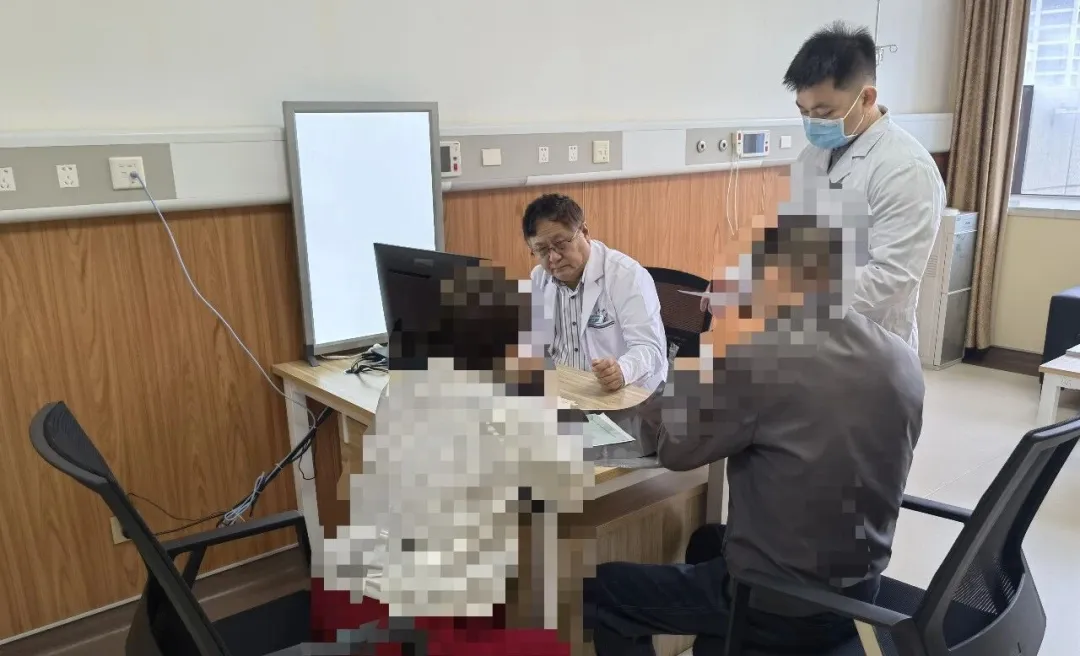
As a leading authority in radiation oncology in China, he has brought cutting‑edge technologies and advanced diagnostic concepts to the banks of the Yellow River. He is dedicated both to resolving complex clinical challenges at the bedside and to cultivating a strong local talent pool — embodying through action the founding mission of the Lanzhou Campus of Gansu Wuwei Cancer Hospital: "Gathering world‑leading technologies to benefit cancer patients everywhere."
The Yellow River flows on, and a compassionate heart perseveres. The story of President Wang Junjie and the Lanzhou Campus of Gansu Wuwei Cancer Hospital continues.
Writer: Liu Qiong
First Review: Liu Qiong
Second Review: Guo Yishan
Third Review: Cai Qinghua