Drills for Preparedness: Gansu Wuwei Cancer Hospital Successfully Conducts Flood Rescue Simulation
Drills for Preparedness: Gansu Wuwei Cancer Hospital Successfully Conducts Flood Rescue Simulation
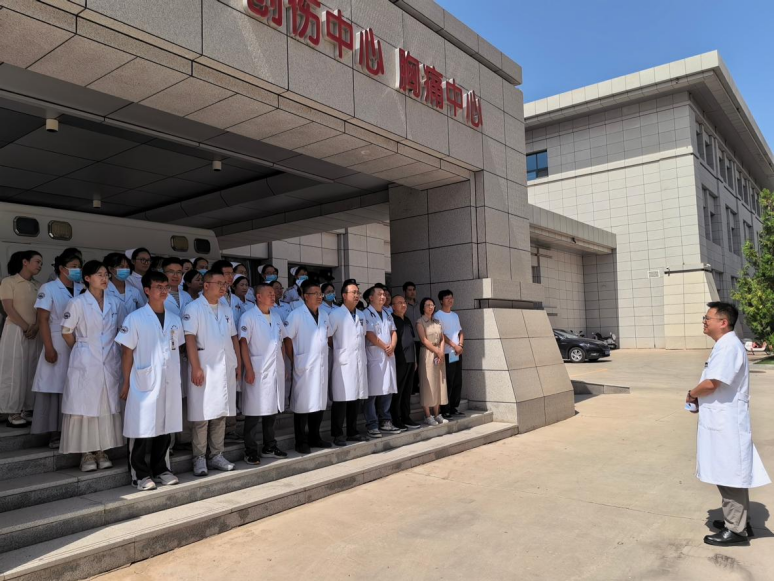
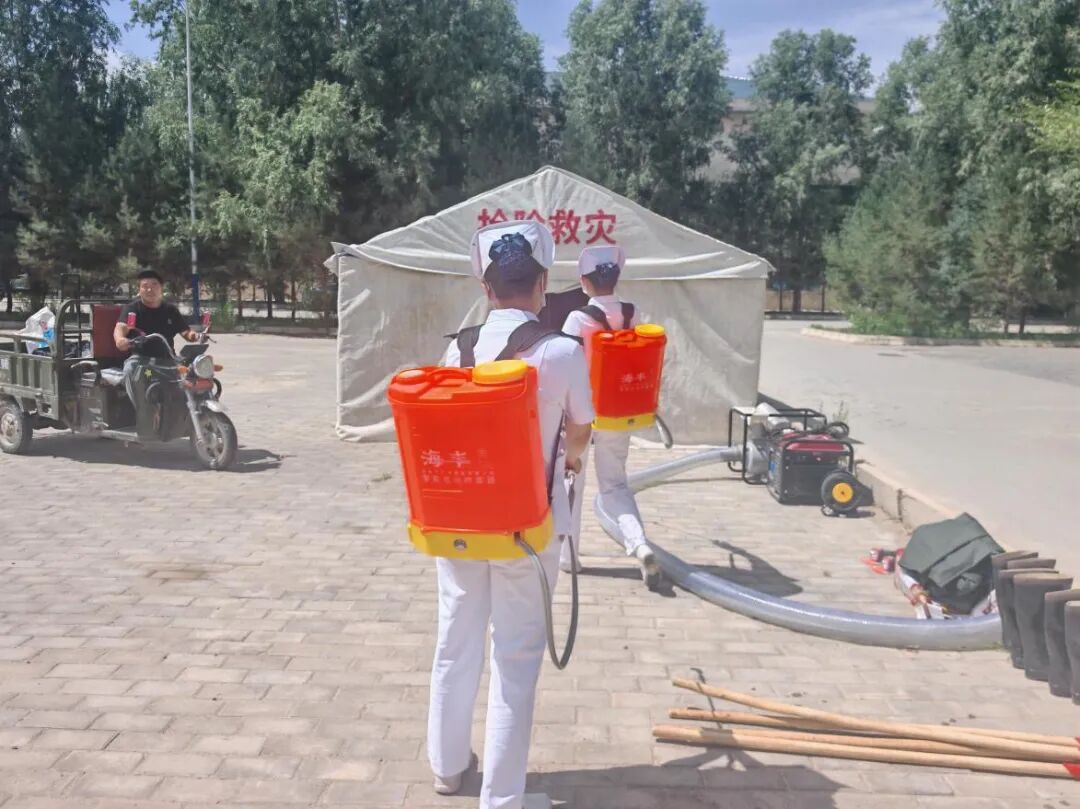
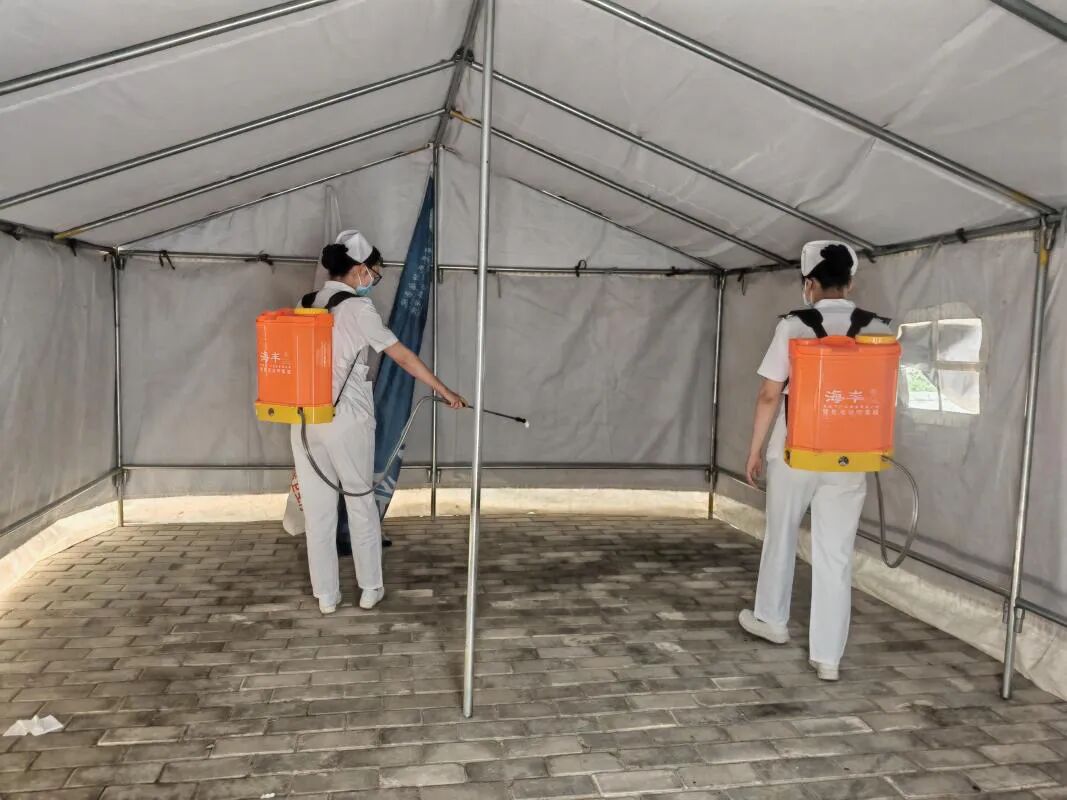
To implement directives on flood-season safety and emergency medical response, Gansu Wuwei Cancer Hospital staged a comprehensive flood rescue drill on the afternoon of July 20. Led by Vice President Nie Peng as Incident Commander and organized by the Medical Affairs Department, the exercise mobilized personnel from the Emergency Department, clinical units, logistics, infection control, and security teams in front of the Heavy Ion Emergency Department.
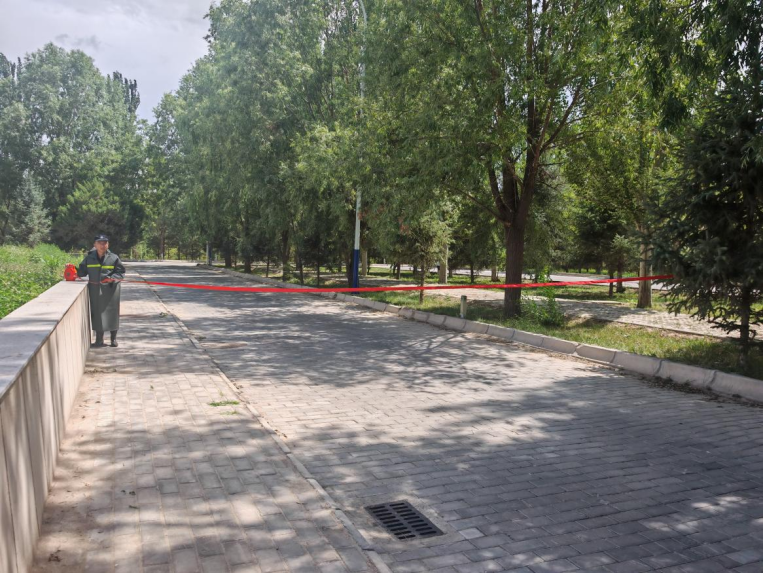
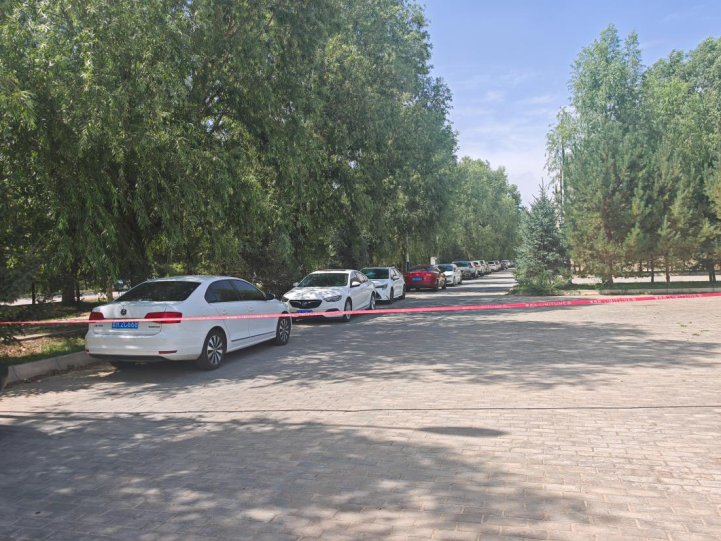
With flood readiness being a critical priority, the simulation tested responses to a scenario involving sudden heavy rainfall. The drill focused on severe waterlogging near the west entrance of the Emergency Department and surrounding low-lying areas, which posed risks to personnel safety and facility integrity. Upon receiving the alert, the on-duty coordinator reported immediately, triggering the hospital’s emergency flood protocol.
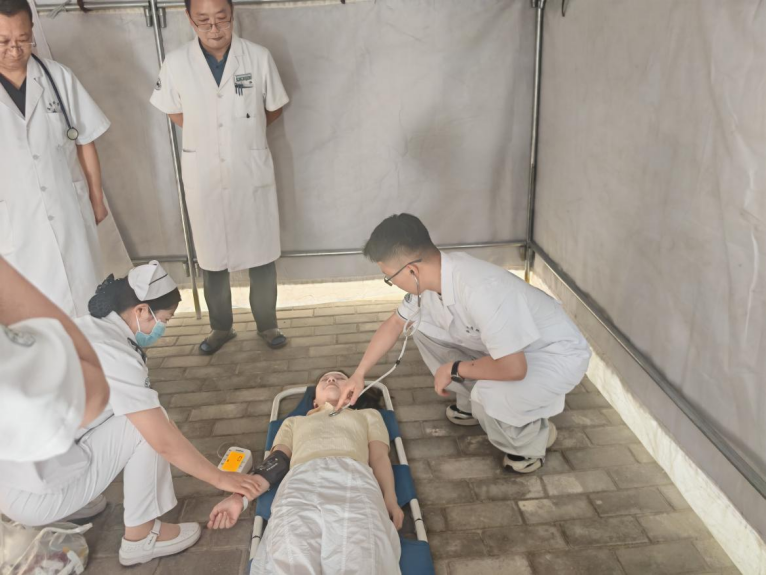
The rapid-response team deployed swiftly, using sandbags, water barriers, and pumps to secure perimeters, seal entry points, and clear drainage blockages. Simultaneously, medical teams stood ready to treat potential casualties such as fall or drowning victims. The drill proceeded seamlessly through all phases—early warning, risk assessment, resource deployment, water control, site protection, and emergency standby—demonstrating standardized procedures and quick mobilization.
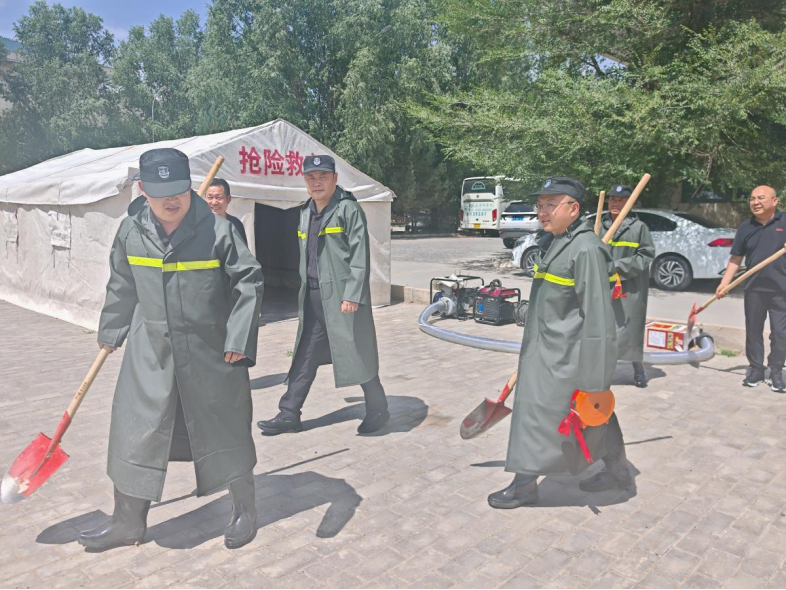
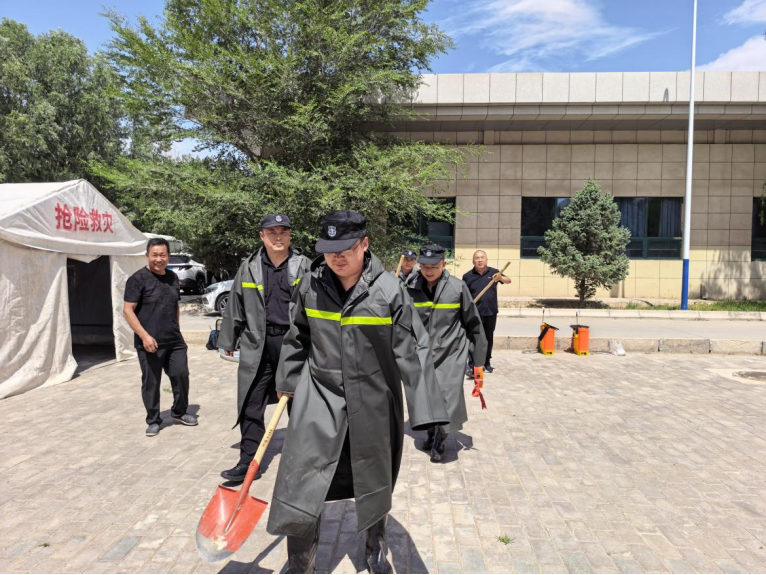
In his post-drill review, Vice President Nie Peng commended the exercise for its realism and organizational rigor, noting it effectively validated the emergency plan and strengthened cross-departmental coordination. He also highlighted areas for improvement: some staff required further training on equipment handling; interdepartmental communication needed streamlining; and risk awareness regarding vulnerable zones—particularly low-lying areas, electrical rooms, and the Heavy Ion Treatment Zone—must be heightened.
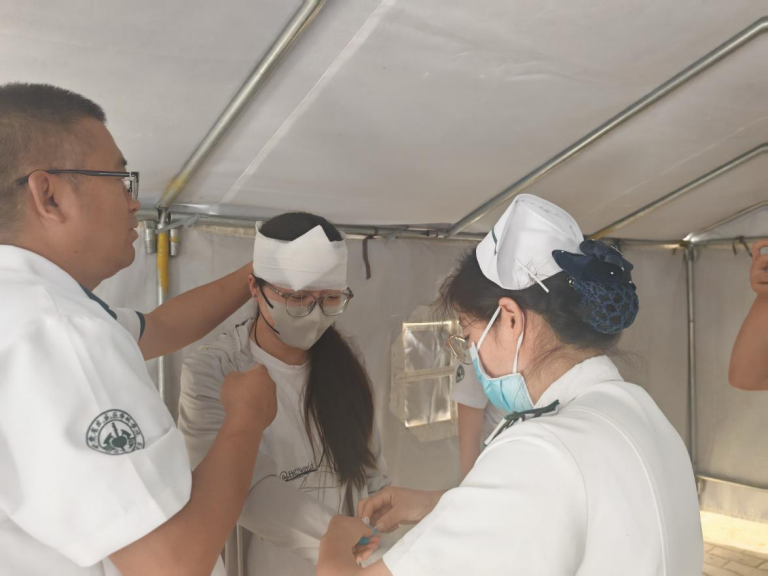
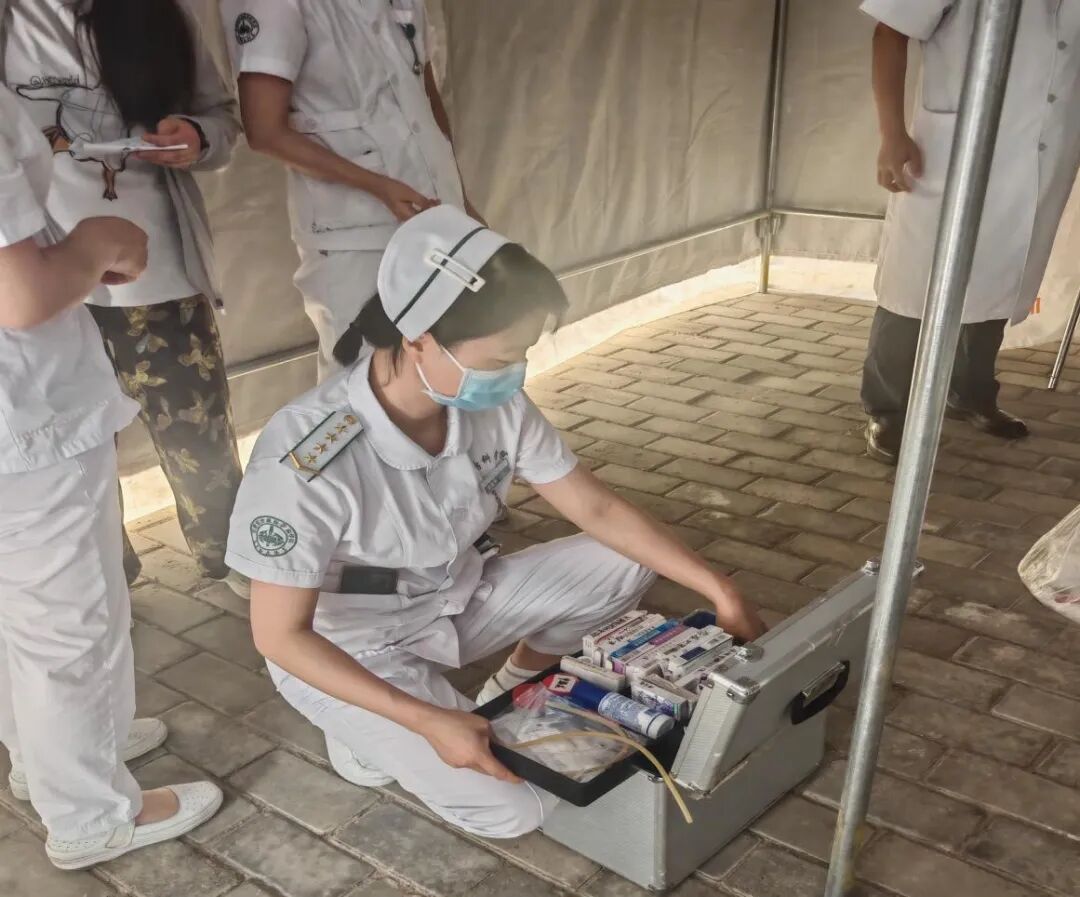
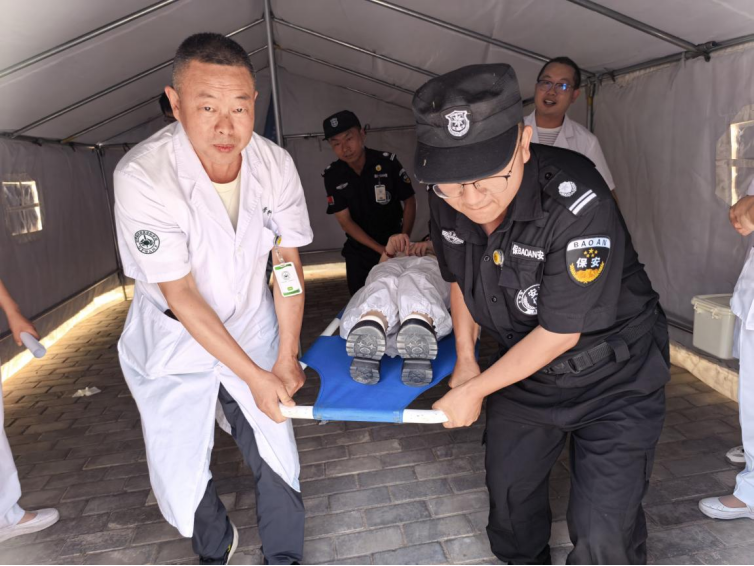
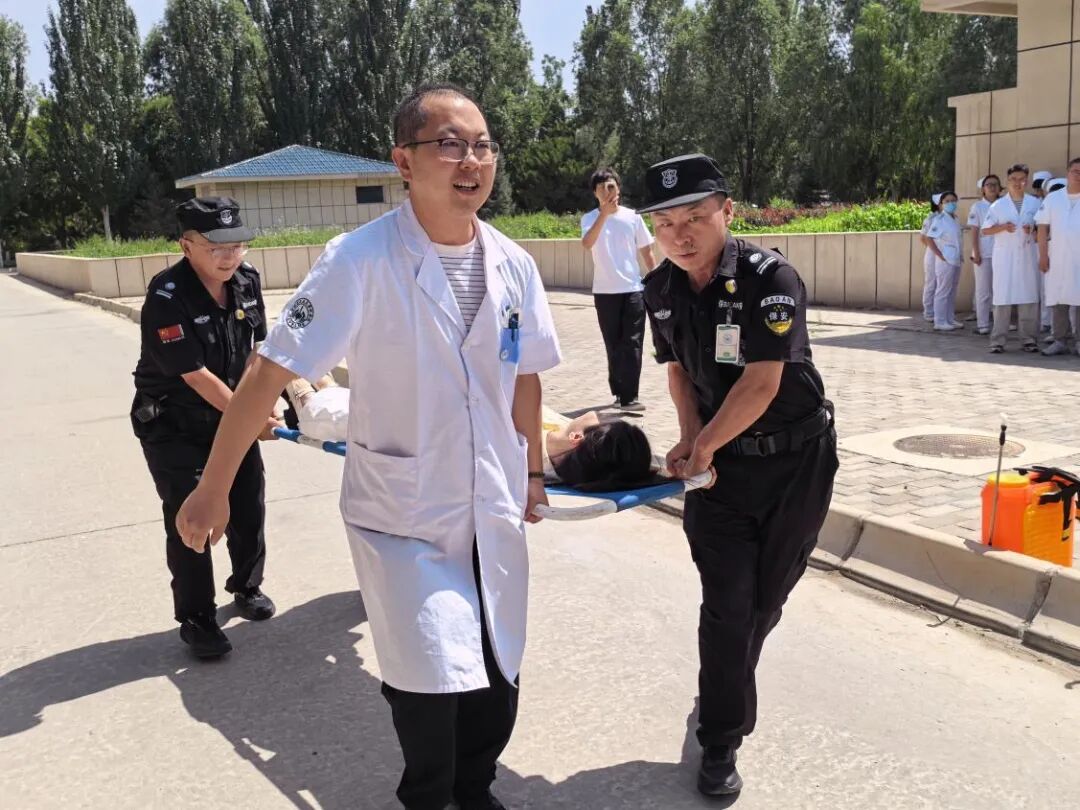
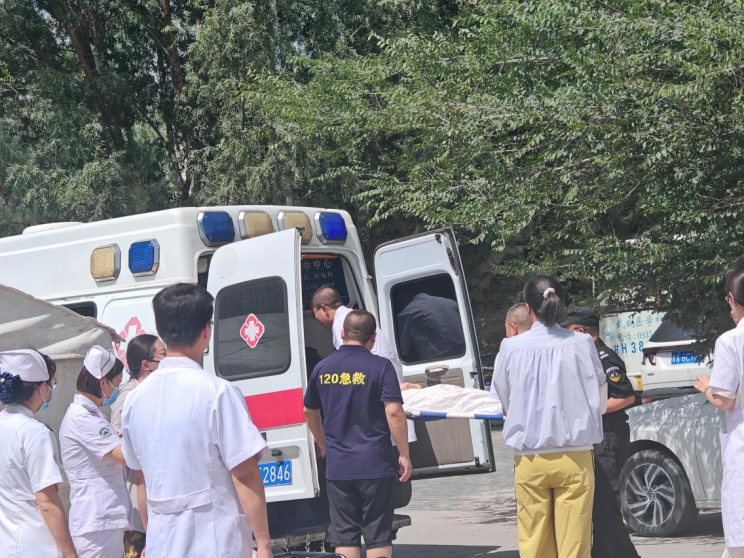
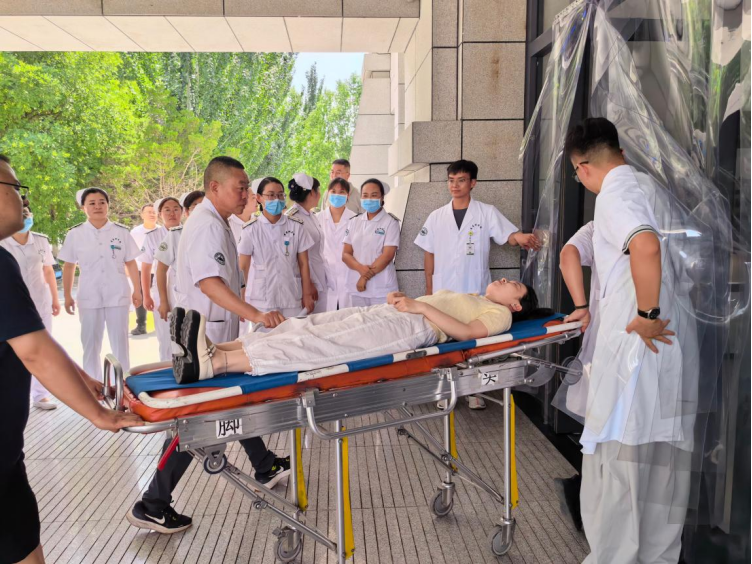
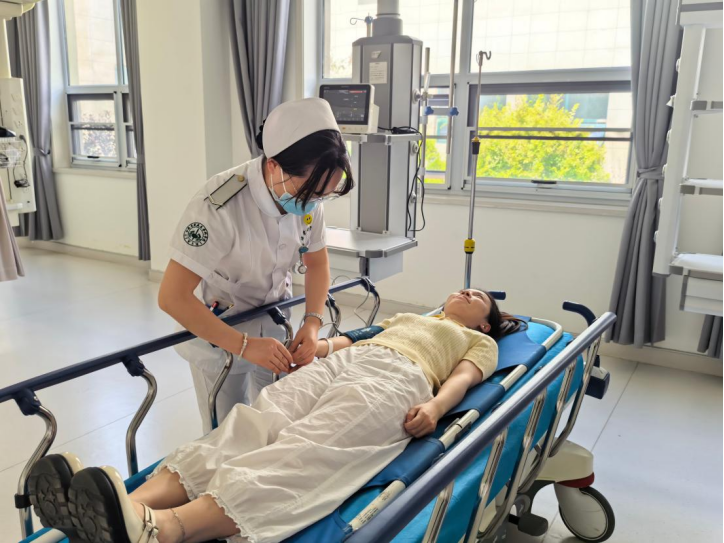
Vice President Nie outlined four key directives moving forward: First, maintain a high alert mindset, rejecting complacency. Second, conduct regular hands-on training to ensure all personnel master protocols and equipment use. Third, increase inspection frequency for critical infrastructure—drainage systems, utilities, storage areas—and address hazards promptly through a dynamic checklist system. Fourth, refine the emergency plan with clearer roles, optimized workflows, adequate supplies, and robust on-call mechanisms to bolster overall disaster resilience and ensure uninterrupted Heavy Ion treatment operations.
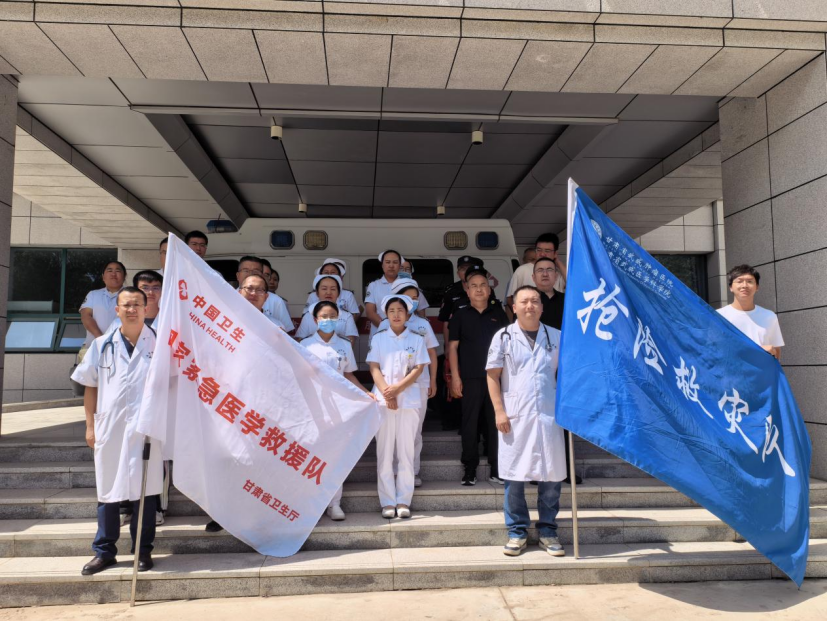
This drill has standardized flood-emergency procedures while reinforcing safety awareness and teamwork across the hospital. Going forward, the institution will continue to prioritize flood-season safety through regular drills and inspections, strengthening its protective network to safeguard patients, staff, and operations.
Writer: Liu Yanan, Yang Yang
First Review: Ma Shuqian
Second Review: Guo Yishan
Third Review: Cai Qinghua