New Procedure: Blood Cell Apheresis Now Available for Blood Disorders
New Procedure: Hematology/Oncology Department Introduces Blood Cell Apheresis for Proliferative and Neoplastic Blood Disorders
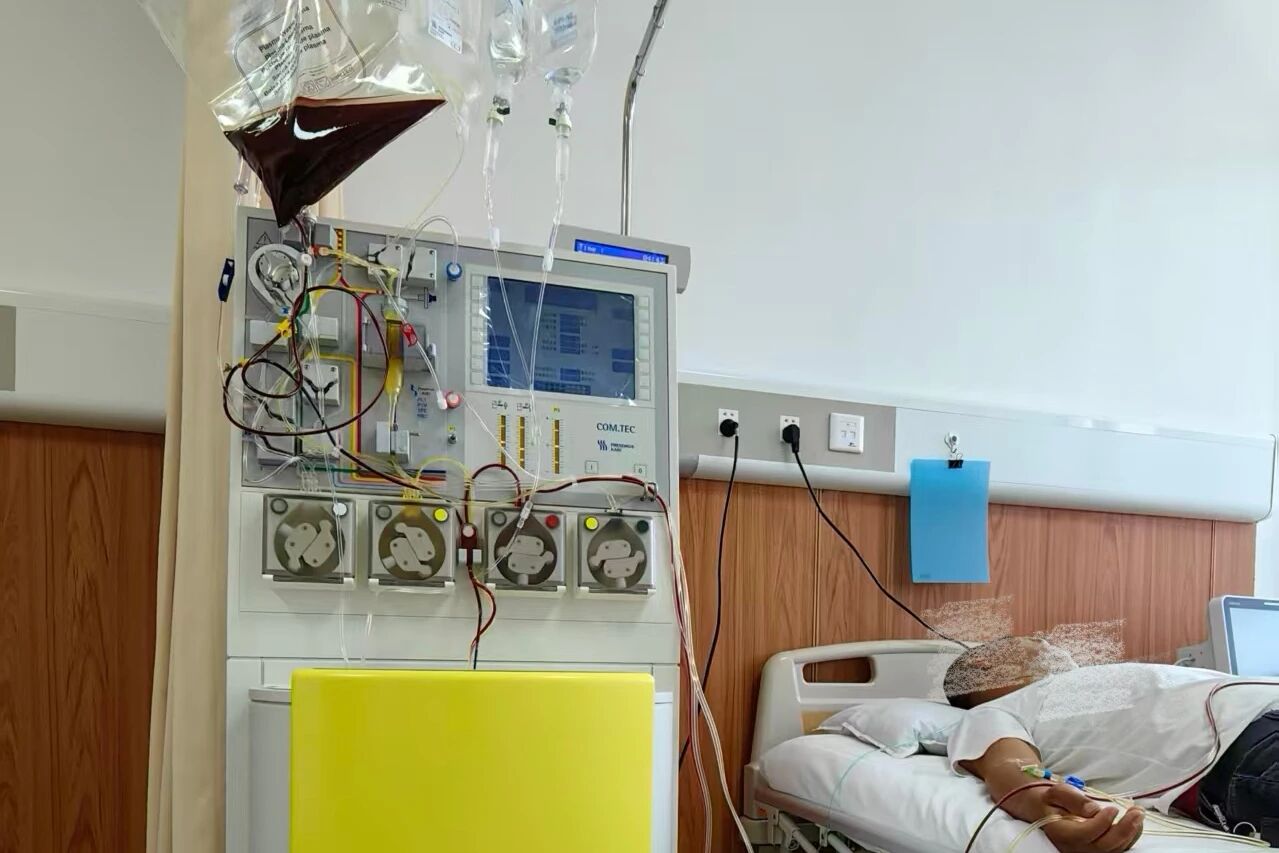
On June 29, 2026, the Department of Medical Oncology/Hematology at the Lanzhou Campus of Gansu Wuwei Cancer Hospital (Lanzhou Heavy Ion Center) used a newly acquired German‑made FRESENIUS KABI‑9008021/COM.TEC blood purification and separation system (a blood cell separator and apheresis device) to perform erythrocyte (red blood cell) apheresis (removal) on a patient diagnosed with polycythemia vera (PV), characterized by elevated red blood cell counts and high hemoglobin levels. This procedure rapidly reduced the patient's high tumor burden. The patient's clinical symptoms — including chest tightness, chest pain, dizziness, headache, and dyspnea — improved significantly, and cyanosis of the lips and facial purplish discoloration were notably alleviated.
The procedure helped avoid the occurrence of tumor lysis syndrome during chemotherapy and also reduced the risk of serious complications such as sudden hyperviscosity‑related thromboembolic events, acute cardiovascular and cerebrovascular diseases, sudden cardiac death, acute respiratory distress syndrome (ARDS), and disseminated intravascular coagulation (DIC). This allowed the patient to safely transition to the next phase of consolidation therapy.
I. Clinical Applications of Blood Cell Apheresis (Indications)
Blood cell apheresis is based on the principles of "gravitational hemotherapy" and serves as an emergency intervention for patients with hyperleukocytic leukemia and myeloproliferative blood malignancies. It represents a clinical application of surgical‑style intervention in hematology.
1. Correction of Abnormal Blood Components
- Hyperleukocytosis in acute or chronic leukemia
- Essential thrombocythemia (ET)
- Post‑surgical reactive thrombocytosis (e.g., after splenectomy)
- Polycythemia vera (PV)
- High‑altitude compensatory erythrocytosis
- Red blood cell disorders (e.g., malaria‑related or sickle cell disease)
- Secondary hyperleukocytosis in malignant tumors (leukemoid reaction)
2. Hematopoietic Stem Cell Collection
- Collection of CD34+ cells from peripheral blood for autologous or allogeneic hematopoietic stem cell transplantation.
- Conditions treated include: Hodgkin and non‑Hodgkin lymphoma (HL, NHL), acute/chronic lymphoblastic leukemia (ALL), acute non‑lymphoblastic leukemia (ANLL), multiple myeloma (MM), aplastic anemia (AA), paroxysmal nocturnal hemoglobinuria (PNH), myelodysplastic syndromes (MDS), myeloproliferative neoplasms (MPN), and other hematologic malignancies — for either autologous stem cell transplantation (ASCT) or allogeneic hematopoietic stem cell transplantation (Allo‑ASCT).
3. Immune Cell Collection
- Cell collection for CAR‑T cell‑based biological therapy in hematologic malignancies.
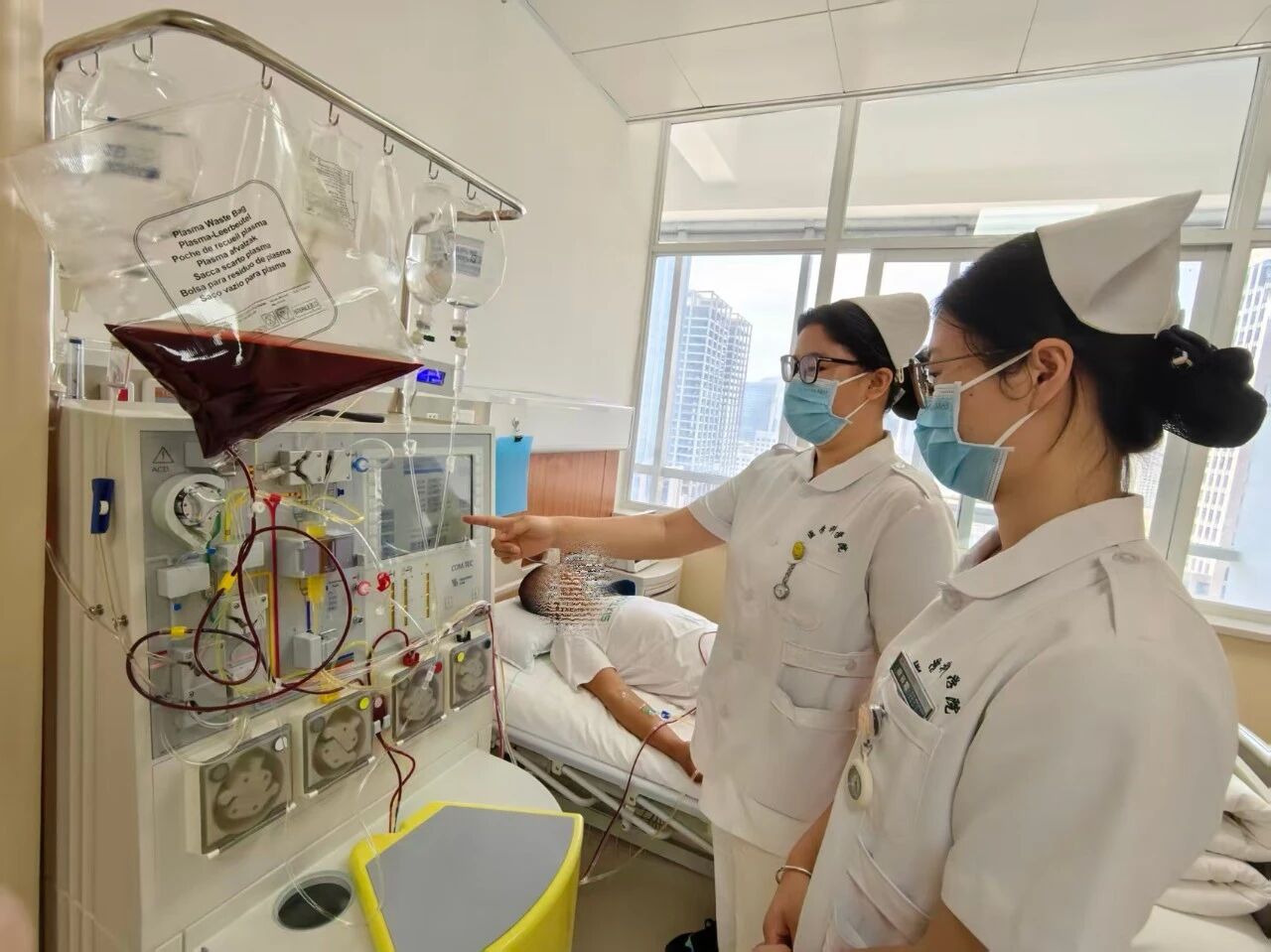
4. Plasma Exchange / Adsorption
This technique is used for symptomatic treatment of various blood disorders and other conditions:
- Hematologic and neoplastic diseases: Thrombotic thrombocytopenic purpura (TTP), immune thrombocytopenia (ITP), autoimmune hemolytic anemia (AIHA), transplantation‑related high antibody titers, cytokine release syndrome (CRS) following CAR‑T therapy, hyperviscosity syndrome, multiple myeloma, primary macroglobulinemia, heavy chain disease (for removal of abnormally proliferating monoclonal immunoglobulins), and others.
- Exogenous toxin poisoning: Pesticide poisoning, insect venom, snake venom, etc.
- Renal failure toxin removal: Removal of various uremic toxins.
- Hepatic failure toxin removal: Removal of liver failure‑related toxins, endotoxins, bilirubin, hyperbilirubinemia, and hyperlipidemia.
- Rheumatic and autoimmune diseases: Systemic lupus erythematosus (SLE), vasculitis, Sjögren's syndrome, dermatomyositis, pemphigus, scleroderma, psoriasis.
- Neurological disorders: Guillain‑Barré syndrome, myasthenia gravis.
- Pre‑organ transplantation: Preparation before organ transplantation.
5. Platelet‑Rich Plasma (PRP) Collection
Used for osteoarthritis and to promote rapid wound healing, with applications including:
- Bone and cartilage defect repair
- Prevention of bone infection
- Acute and chronic sports injuries
- Acute wounds
- Chronic, non‑healing wounds
- Fat liquefaction of skin
- Oral and dental surgical procedures
- Burn wounds and non‑healing pressure ulcers
- Fat grafting
- Skin tissue regeneration
6. Double‑Filtration Plasmapheresis for Metabolic Syndrome – Hyperlipidemia
Performed as a blood purification / lipid apheresis treatment to remove excess lipids from the blood.
II. Historical Background of Blood Cell Apheresis in the Department of Medical Oncology/Hematology
The Department of Medical Oncology/Hematology at our hospital was established in May 2025. The department director and chief expert, Professor Pan Ming (Chief Physician, Level 1), has been involved in clinical research on leukapheresis, erythrocytapheresis, and plateletpheresis for the treatment of hyperleukocytic leukemia, polycythemia vera, and essential thrombocythemia since 2005. At that time, in collaboration with the Wuwei Central Blood Station, he used an American Baxter CS‑3000 Plus blood cell separator to perform therapeutic cytapheresis, advancing clinical practice, research, and teaching. The research project "Leukapheresis Combined with Traditional Chinese Medicine, Chemotherapy, and Intrathecal Injection (Four‑Pronged Approach) for the Treatment of Hyperleukocytic Leukemia and Related Studies," which he led as the primary investigator, received the First‑Prize Award for Scientific and Technological Progress from Wuwei City in 2006 [2006‑J1‑04‑R01] and the Third‑Prize Award for Medical Science and Technology from Gansu Province in the same year [2006‑3‑26/1].
In June 2026, with strong support from the hospital leadership for the newly established disciplines at the Lanzhou Heavy Ion Center, a new German‑made FRESENIUS KABI‑9008021/COM.TEC blood purification and separation system (blood cell separator and apheresis device) was acquired. The introduction of this new equipment will expand the clinical applications of cytapheresis in new areas, benefiting a wider range of patients with hematologic and oncologic diseases and supporting the high‑quality development of the Department of Medical Oncology/Hematology. It will also enhance the hospital's overall research capacity, laboratory medicine, pharmacy, and teaching, while promoting the advancement and continued growth of related clinical disciplines.
Department of Medical Oncology / Hematology
Department Introduction
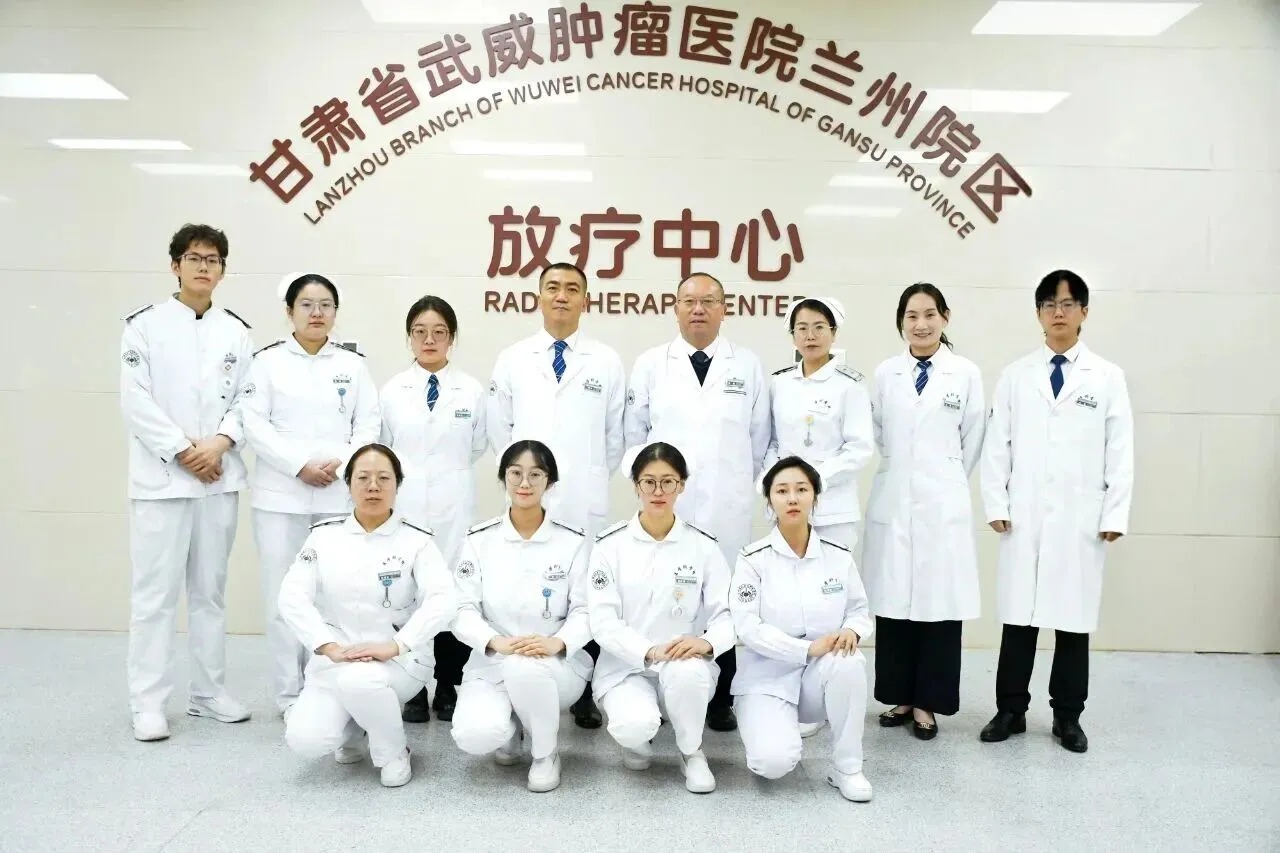
The Department of Medical Oncology / Hematology at the Lanzhou Campus of Gansu Wuwei Cancer Hospital was established in May 2025 as a regional specialty department. The department features a well-structured professional team, mature diagnostic and treatment techniques, and comprehensive equipment. It includes a specialized inpatient ward, outpatient clinic, and a Hematology Center Laboratory. The inpatient unit is equipped with 30 fixed beds, one cell apheresis treatment bed, and two Class 100 laminar flow beds. The department specializes in the precise diagnosis and treatment of hematologic diseases such as leukemia, lymphoma, and multiple myeloma, as well as solid tumors including lung cancer, gastric cancer, colorectal cancer, and breast cancer. It excels in the management of refractory and relapsed cases and the treatment of complications arising from radiotherapy and chemotherapy. Leveraging MICM-based precise diagnostics, personalized treatment plans, and laminar flow wards, the department provides refined medical care and comprehensive, full-cycle health support to safeguard the health of the regional population.
Physician Team
The department is led by Professor Pan Ming, a First‑Grade Chief Physician and Chief Expert. The medical team consists of 12 healthcare professionals, including 1 chief physician, 1 associate chief physician, 1 attending physician, and 3 resident physicians (among whom 1 holds a Ph.D. and 3 hold master’s degrees), along with 6 charge nurses and registered nurses. The team has a well-structured talent echelon with solid professional expertise. With extensive clinical experience in the field of oncology and hematology, the team skillfully applies cutting-edge techniques such as chemotherapy, targeted therapy, immunotherapy, and integrated traditional Chinese and Western medicine to precisely diagnose and treat various benign and malignant tumors and hematologic disorders. With rigorous medical skill, they customize individualized treatment plans for each patient, safeguarding their health.
Treatment Philosophy
Patient-centered, precision‑focused, and efficacy‑driven. The department places equal emphasis on professional diagnosis/treatment and humanistic care. Relying on advanced technology and standardized practices, it provides every patient with individualized, refined, and compassionate medical services, dedicating responsibility and expertise to protecting patients’ lives and health.
Medical Resources
The Hematology Center Laboratory provides same‑day diagnostic services through bone marrow cell morphology analysis and also offers MICM‑based precision typing technologies including bone marrow pathology, flow cytometry, chromosome analysis, and mutation gene testing. The inpatient unit is equipped with standardized laminar flow wards, providing a safe and clean environment for high‑dose chemotherapy and hematopoietic stem cell transplantation. The department routinely performs cutting-edge procedures such as blood cell separation apheresis, plasma exchange, and adult unrelated cord blood hematopoietic stem cell transplantation. With advanced equipment and comprehensive technical capabilities, the department provides solid hardware and technical support for precise diagnosis and treatment as well as the management of severe and complex conditions.
Address: 11th Floor, Inpatient Building, Lanzhou Campus of Gansu Wuwei Cancer Hospital (No. 100 Yanbei Road, Chengguan District, Lanzhou City)
Contact Numbers:
Physicians’ Office: 0931-2169583
Nursing Station: 0931-2169535
Gansu Wuwei Cancer Hospital Lanzhou Campus
Consultation hotline: Director Li: 166 0931 3666 /Teacher Yan: 176 9325 0603
Writer:Pan Ming
First Review:Du Xiaoting
Second Review:Guo Yishan
Final Review:Cai Qinghua