Heavy Ion Therapy: A New Cancer Treatment – Highlights from Three Southwest China Conferences
Heavy Ion Therapy: A New Cancer Treatment – Highlights from Three Southwest China Conferences
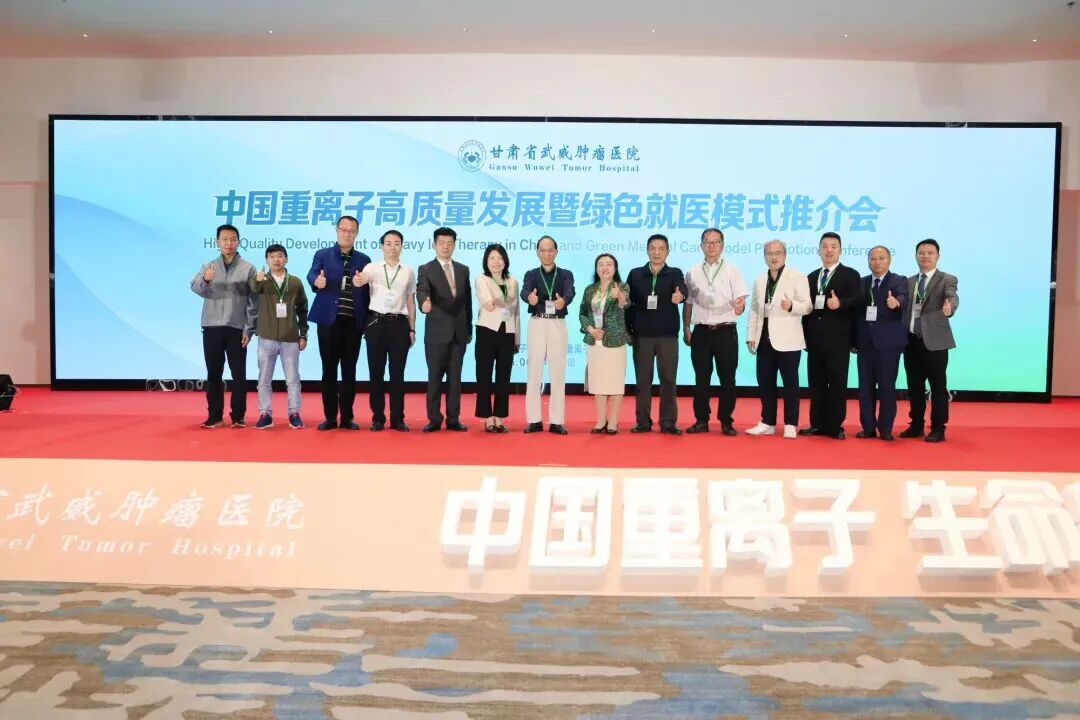
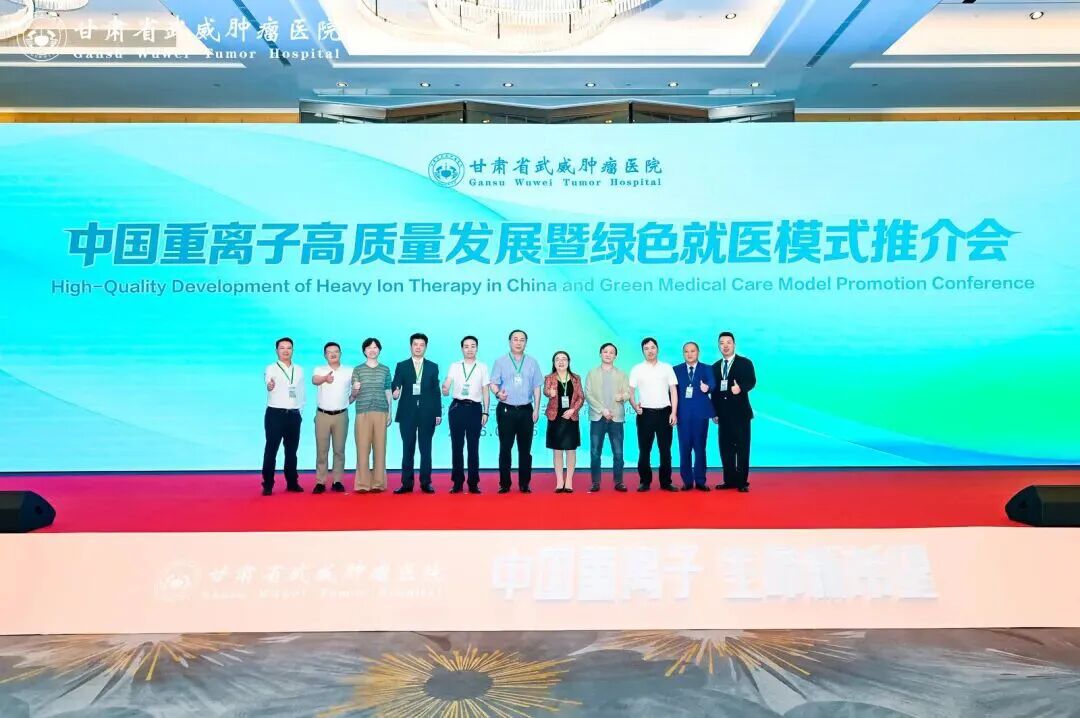
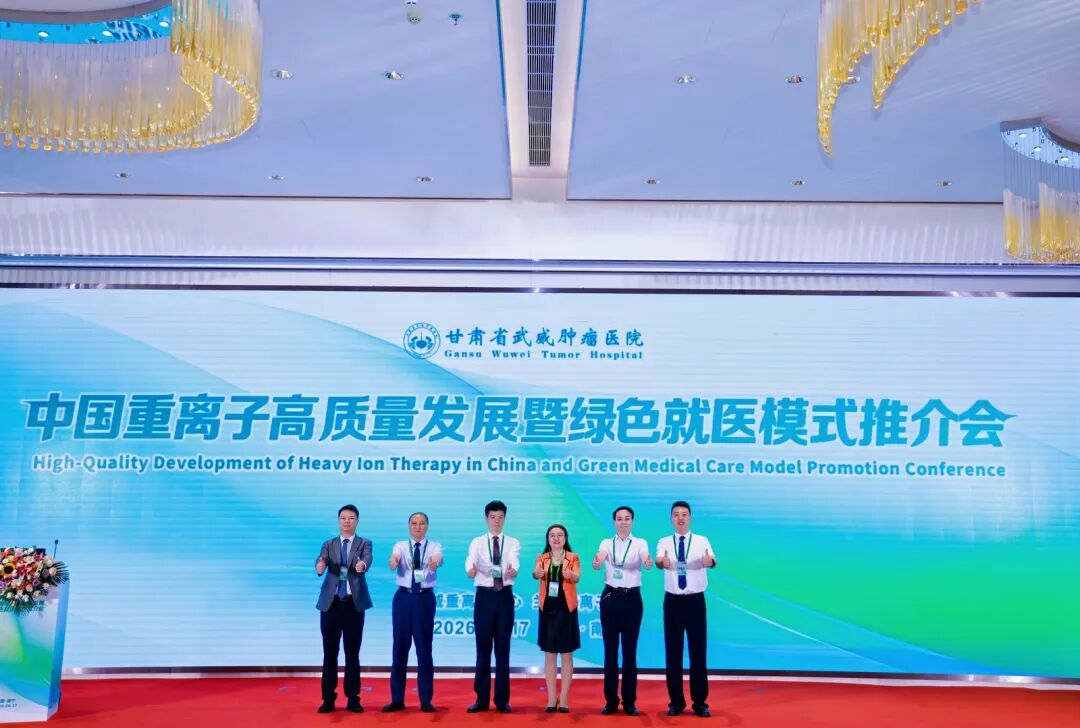
In June, the landscape of Southwest China is lush with emerald mountains and thriving life. A beam of light — born at the foot of the Qilian Mountains — traveled more than two thousand kilometers, from the desert of the Hexi Corridor to the peaks of Yunnan, the heart of Guizhou, and the rivers and hills of Guangxi. From June 14 to 17, the "Conference on High‑Quality Development of China's Heavy Ion Technology and Promotion of a Green Access Model," hosted by Gansu Wuwei Cancer Hospital, was held successively in three major cities in the Southwest — Kunming, Guiyang, and Nanning — igniting a wave of excitement across the Yunnan‑Guizhou Plateau and the Guangxi region about this great national instrument and the hope it brings for life.
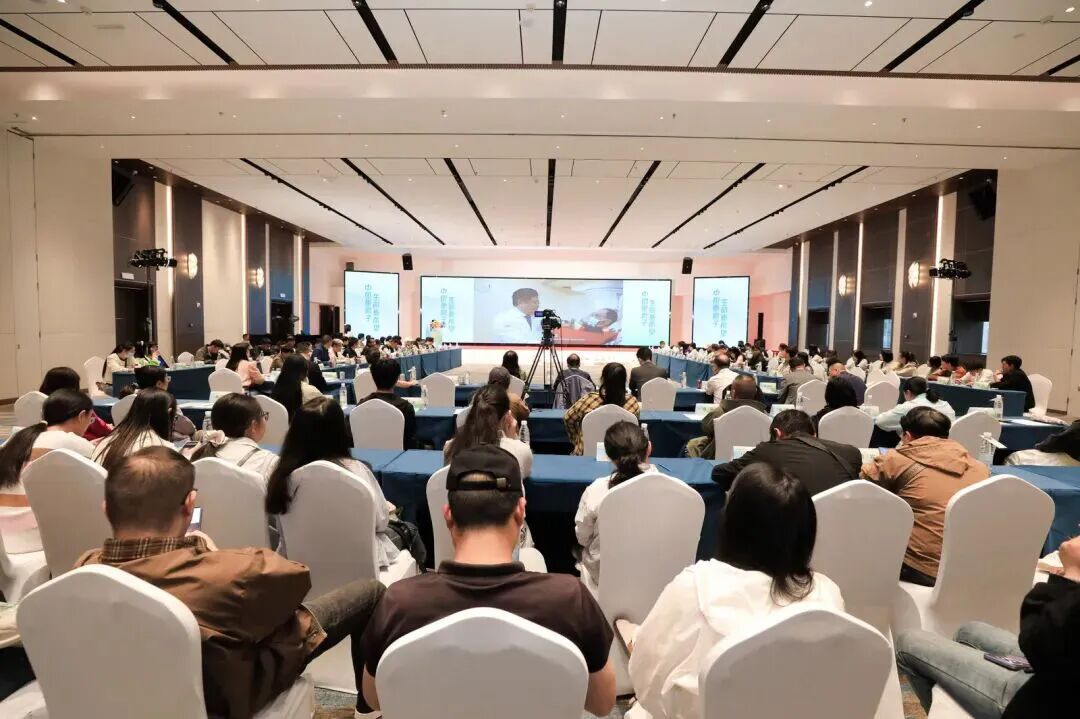
Kunming, Yunnan
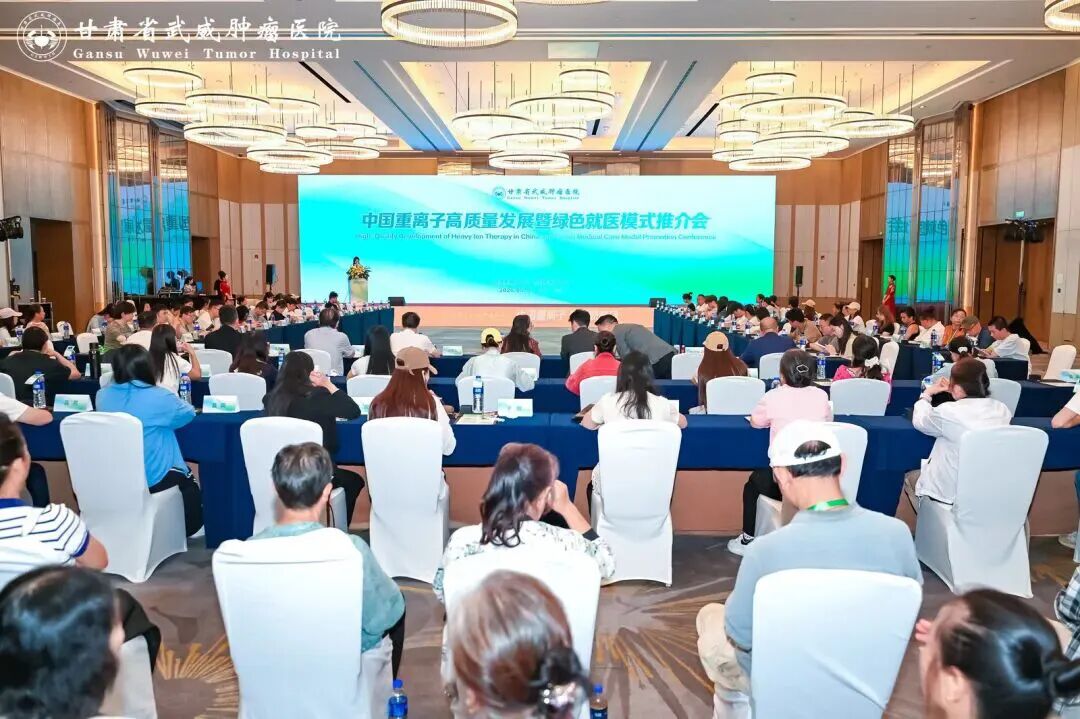
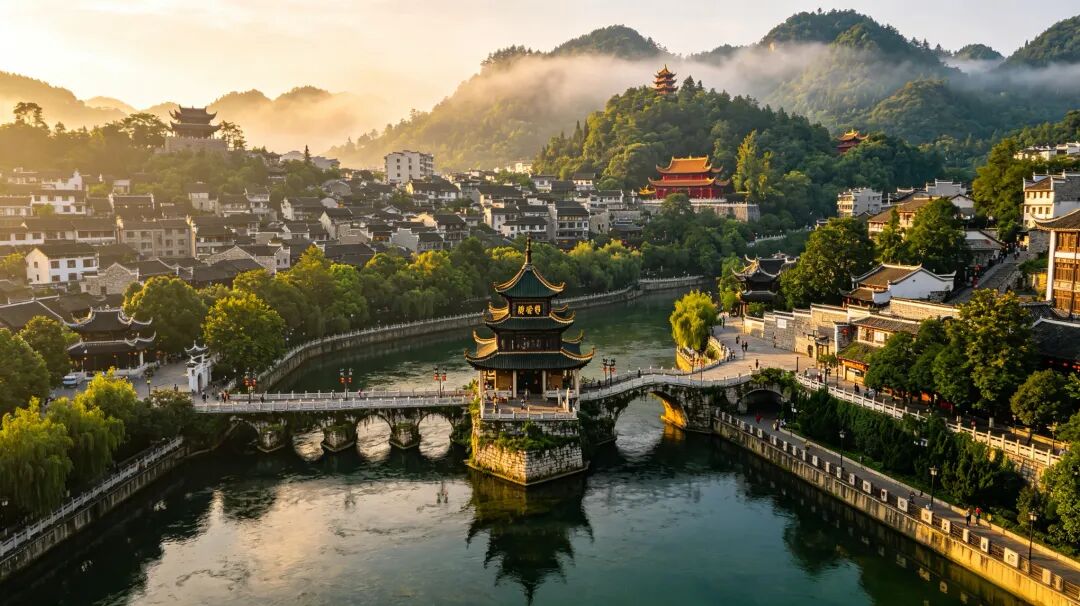
Guiyang, Guizhou
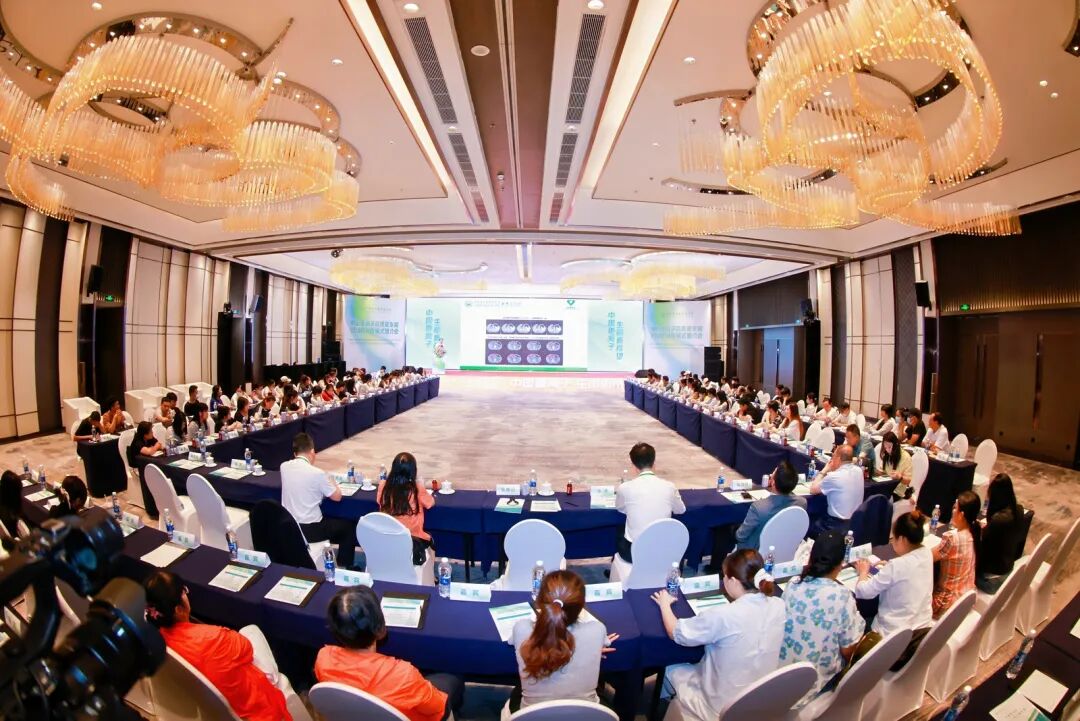
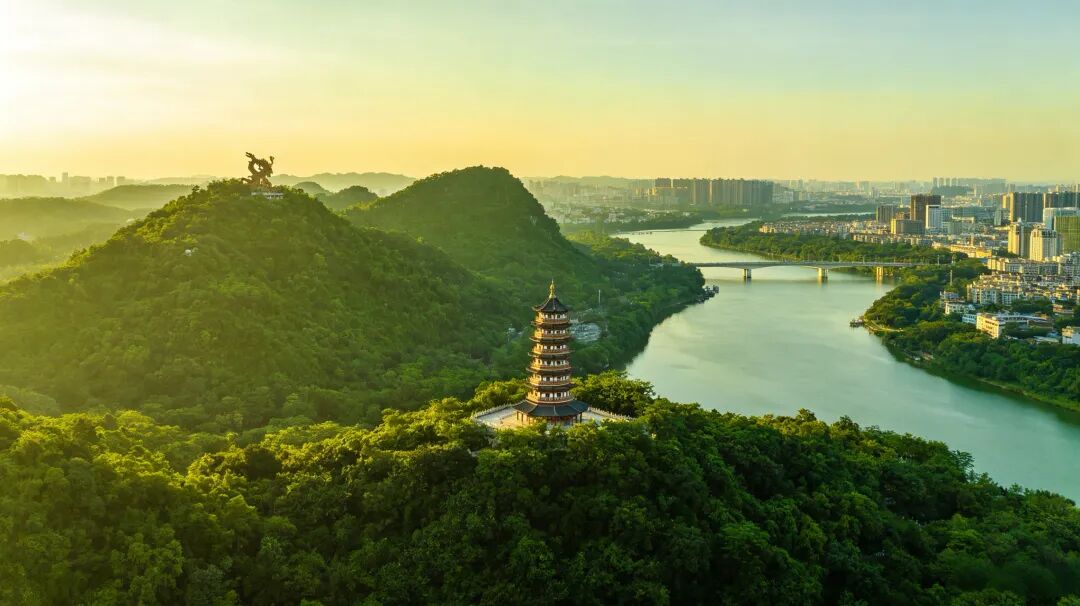
Nanning, Guangxi
What exactly is heavy ion therapy
In simple terms, heavy ion therapy accelerates carbon ions to 70% of the speed of light. As they pass through the body, they cause almost no damage to the tissues along the way. Only when they reach the depth of the tumor do they release all their energy in an instant — like a "smart missile" that precisely destroys cancer cells while leaving surrounding healthy tissue virtually unharmed. Its biological effectiveness is two to five times greater than that of conventional X‑rays, with a targeting accuracy of less than one millimeter.
This technology was long monopolized by Japan and Germany, with imported equipment costing over 2 billion RMB — putting it far out of reach for ordinary patients. In 2019, that changed when China's first heavy ion therapy system with complete independent intellectual property rights was developed in Wuwei, Gansu.
Over the past six years, Gansu Wuwei Cancer Hospital has become the only medical institution in the world operating two heavy ion therapy systems simultaneously, built on this domestically developed technology. The Wuwei and Lanzhou centers together have completed more than 3,000 treatments, covering patients from all provinces across China and attracting patients from over a dozen countries.
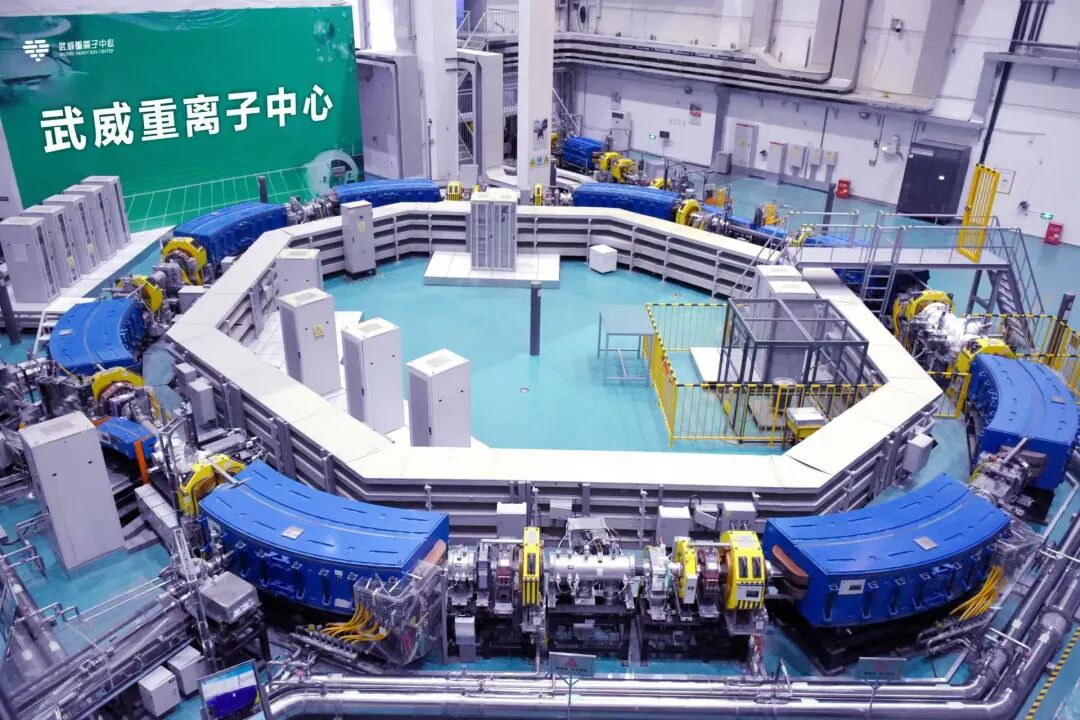
Wuwei Heavy Ion Accelerator
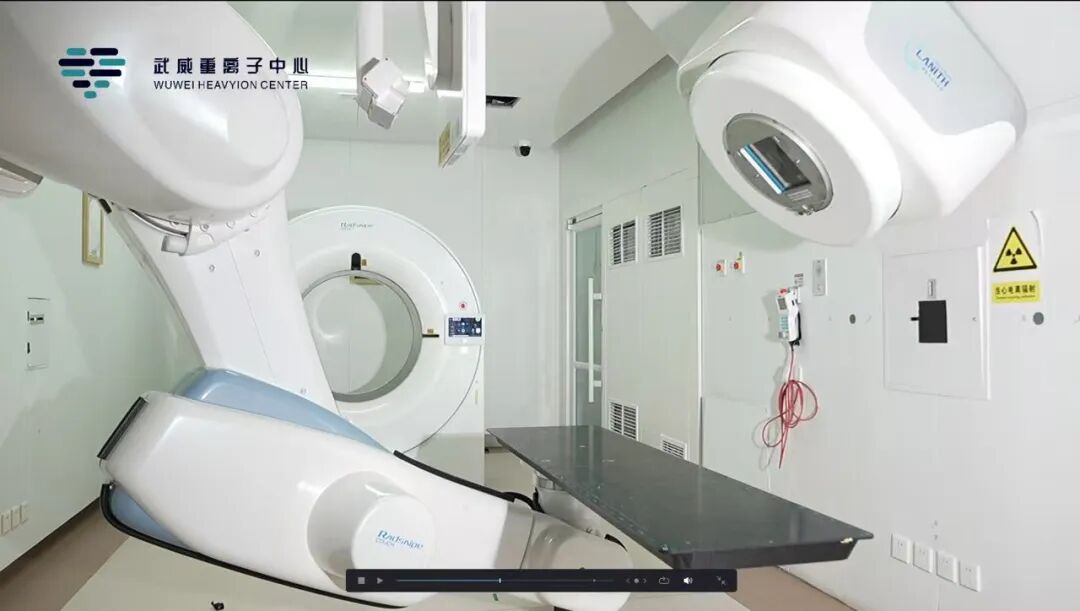
Heavy Ion Treatment Cabin
Kunming: The City of Spring Welcomes the "Spring Breeze" of Heavy Ions
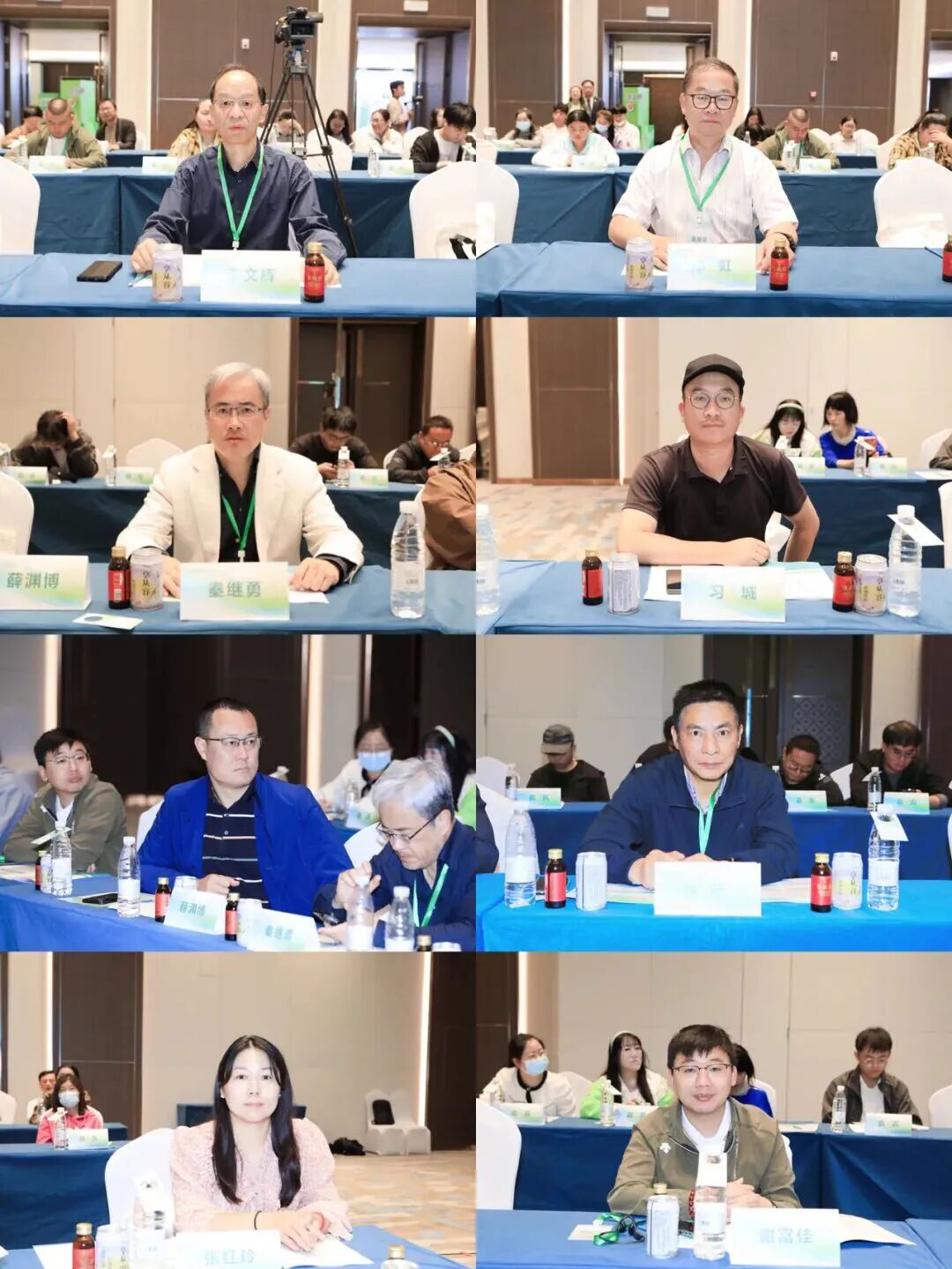
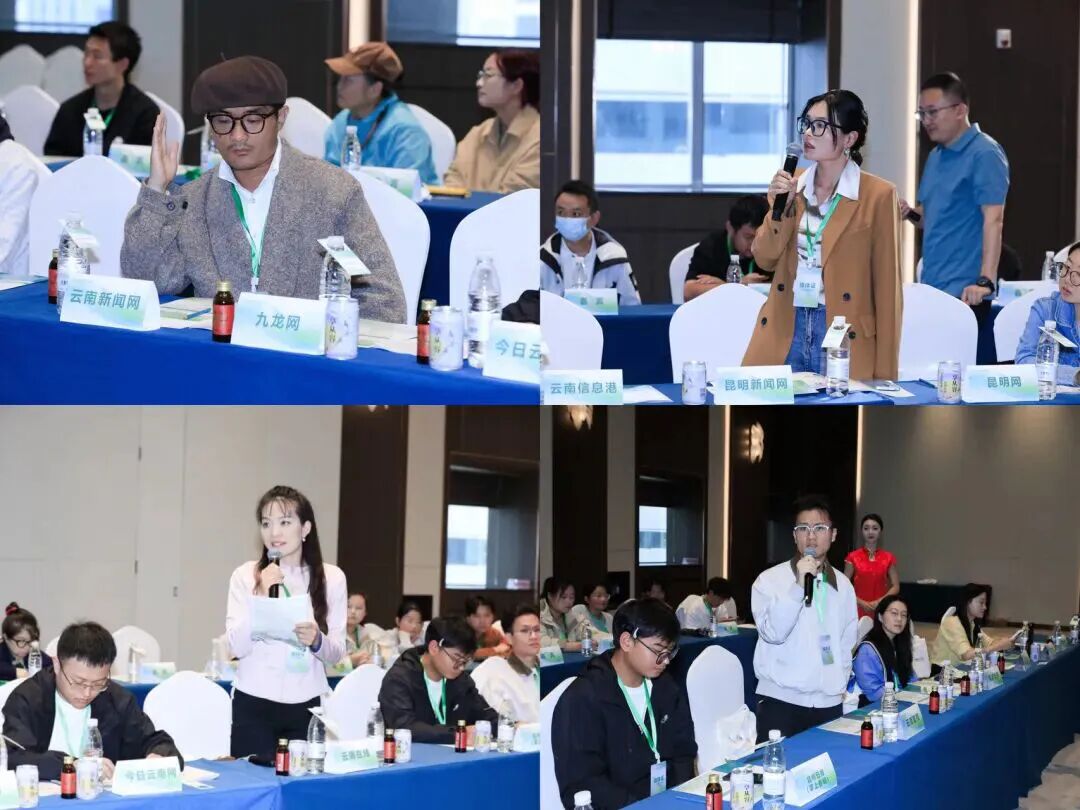
On June 14, the first session of the promotion conference opened in Kunming. Experts, scholars, and media professionals from major hospitals across Yunnan Province gathered at the venue. Zhang Yanshan, Vice President of Gansu Wuwei Cancer Hospital, delivered a keynote report titled "Clinical Application of China's First Heavy Ion System for Cancer Treatment," systematically presenting the technical principles and clinical outcomes of domestically produced heavy ion therapy.
Chen Weizuo, Director of the Third Department of Radiotherapy at Gansu Wuwei Cancer Hospital, answered the question "What makes heavy ions so powerful?" with a set of data: the relative biological effectiveness of conventional photons is 1.0, while that of carbon ions reaches 3.5 to 4.0 — meaning that at the same dose, heavy ions are three to four times more effective at killing cancer cells. In terms of treatment workflow, each session typically takes about 20 to 40 minutes in the treatment room, with the actual irradiation lasting only 3 to 5 minutes. For certain tumors — such as lung cancer and liver cancer — ultra‑short treatment courses of 1 to 2 days are possible.
A gentle breeze passed through the venue in the Spring City, carrying away doubts and leaving behind confidence.

Guiyang: Green Medical Services, Making Technology Accessible to All
On June 16, the conference moved to Guiyang. With its rolling mountains and rugged terrain, seeking care outside the province has long been a difficult journey for residents of Guizhou. The Guiyang session focused on the "green access model" for medical care.
To help reduce the financial burden on patients, Gansu Wuwei Cancer Hospital has developed an integrated "medical + insurance + aviation" support system. In partnership with China Life Insurance, the hospital offers a "million‑level medical insurance package plus a green access channel for heavy ion therapy," providing up to 5.55 million RMB in coverage and one‑stop reimbursement services. In collaboration with China Southern Airlines, the hospital has also created a dedicated green‑access air service to address transportation challenges for patients traveling across regions. Affordable pricing is applied consistently — the initial treatment costs 49,500 RMB, with a cap of 198,000 RMB for a full course, making heavy ion therapy, once costing over one million RMB, now truly accessible to ordinary families.
Nanning: For the Future, Extend Life
On June 17, under a gentle rain, Nanning – the final stop of the Southwest tour – welcomed the closing session. This gateway city to ASEAN was the perfect place to wrap up the tour.
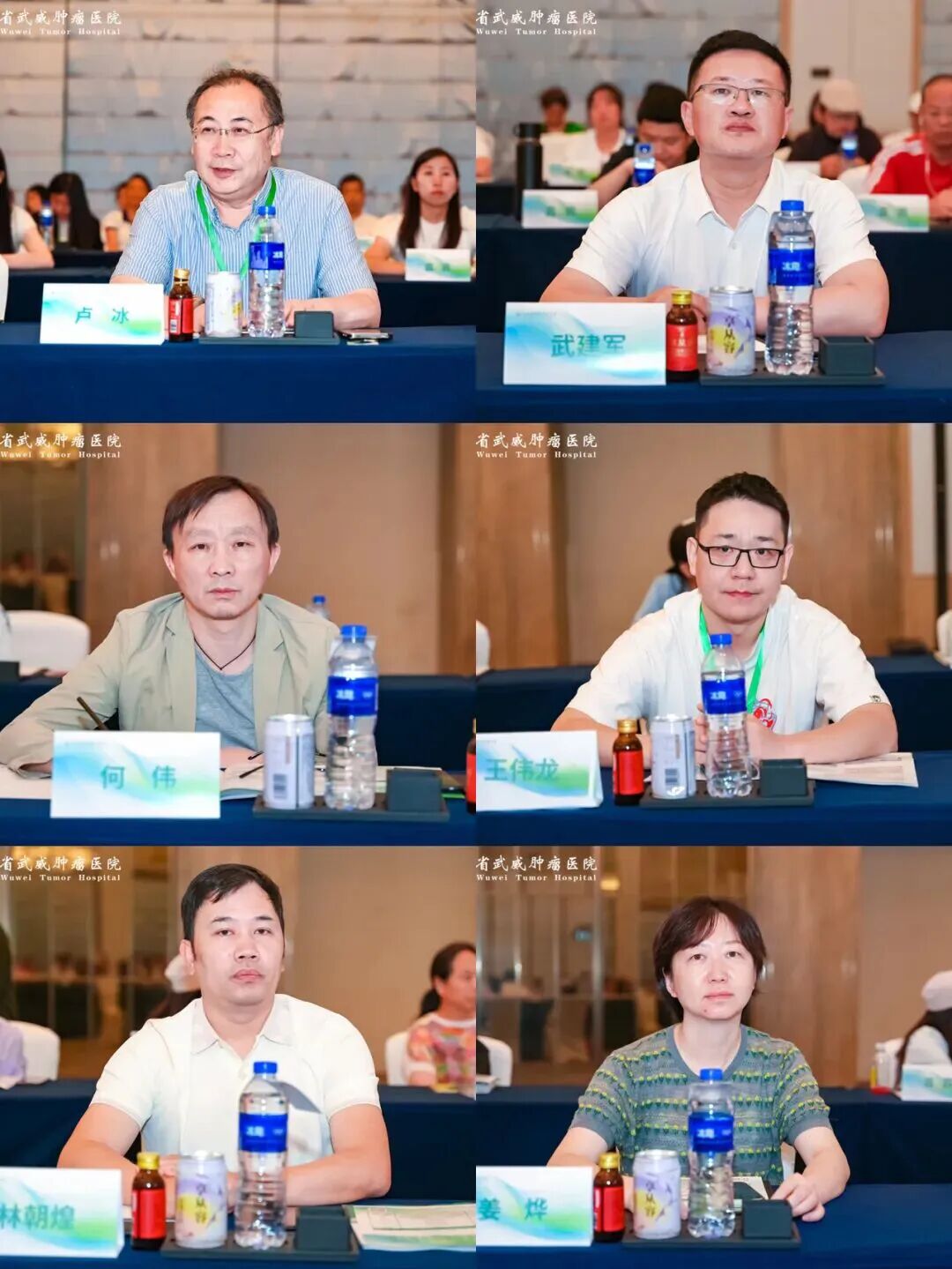
The venue was filled to capacity, with experts and scholars from major hospitals across Guangxi, family members of patients who had traveled specifically for the event, and journalists from multiple media outlets. On the large screen, footage of the domestically produced heavy ion accelerator in operation left every person in the room in awe of this great national instrument.
Looking ahead, China's heavy ion program is accelerating. Its future development will focus on two main directions. First, device miniaturization – the next‑generation system will be only 40% of the current size, significantly reducing both construction and operating costs. Second, the evolution of future medicine – advancing the integration of heavy ion therapy with targeted therapy and immunotherapy to create a comprehensive, whole‑life‑cycle treatment system. At the national level, during the 14th Five‑Year Plan period, China is planning to install 41 heavy ion and proton therapy devices, with the total eventually exceeding 60. Between 2025 and 2026, new domestically built heavy ion centers in Zhejiang, Wuhan, Fujian, and other regions will begin opening.
Treatment may end, but recovery is just beginning. Gansu Wuwei Cancer Hospital has pioneered a "heavy ion therapy + whole‑life‑cycle physical and mental health management" model. Its rehabilitation department integrates psychological support, social support, and spiritual care, offering services such as music therapy, sleep management, and cognitive rehabilitation, alongside instruction in traditional wellness practices like Baduanjin and Yijinjing. Rooted in the TCM principles of strengthening the body's vital energy and consolidating its foundation, the hospital provides a comprehensive support system that addresses both physical and mental well‑being, from treatment through recovery.
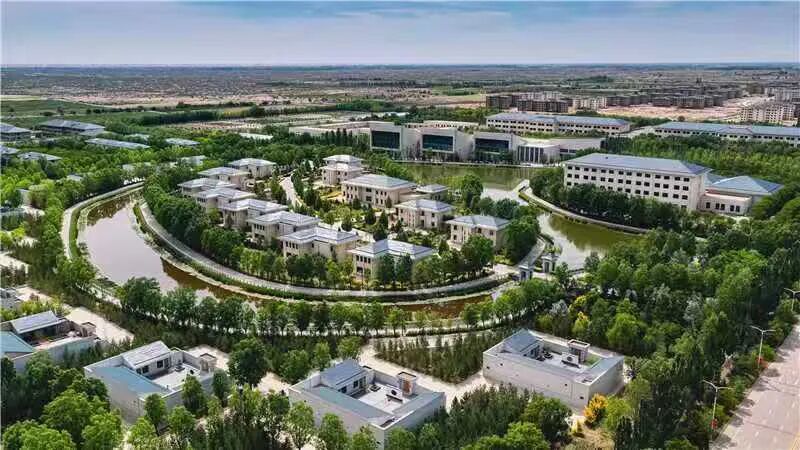
Bird's-eye View of Wuwei Heavy Ion Center
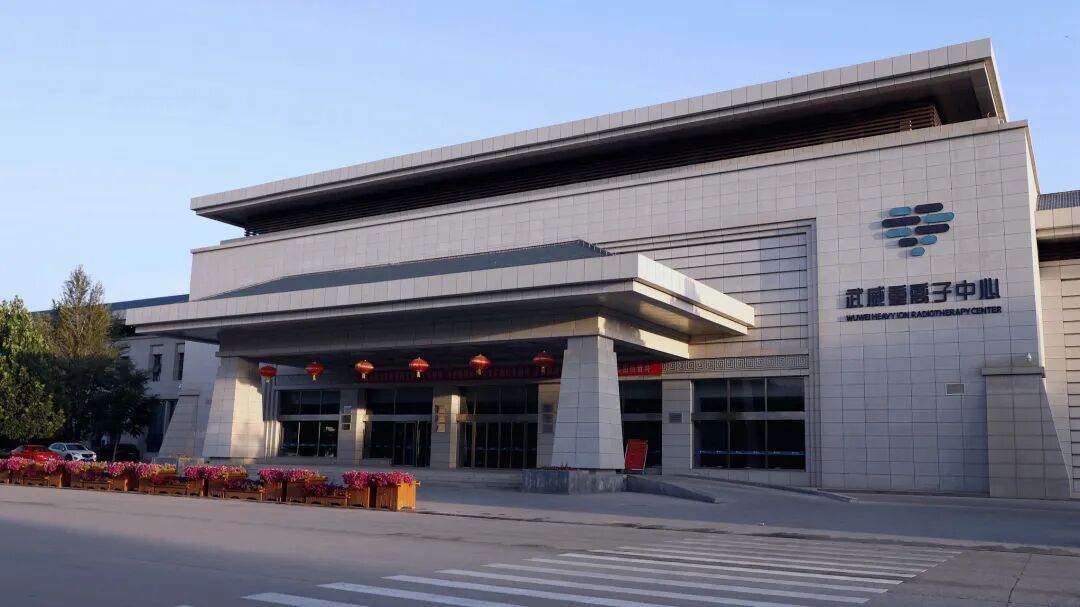
Main Building of Heavy Ion Center
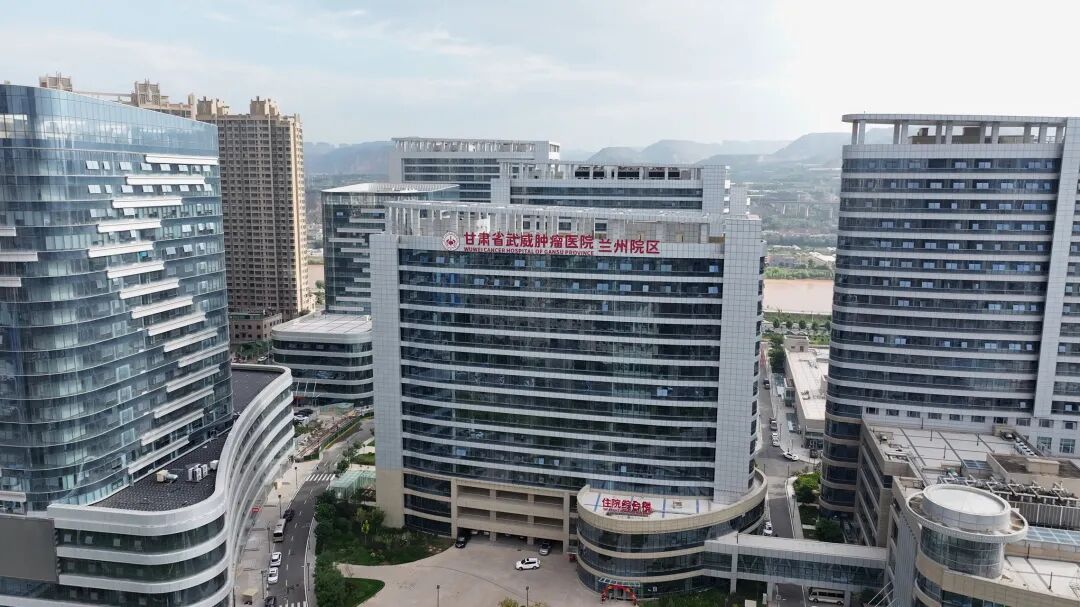
Lanzhou Heavy Ion Center
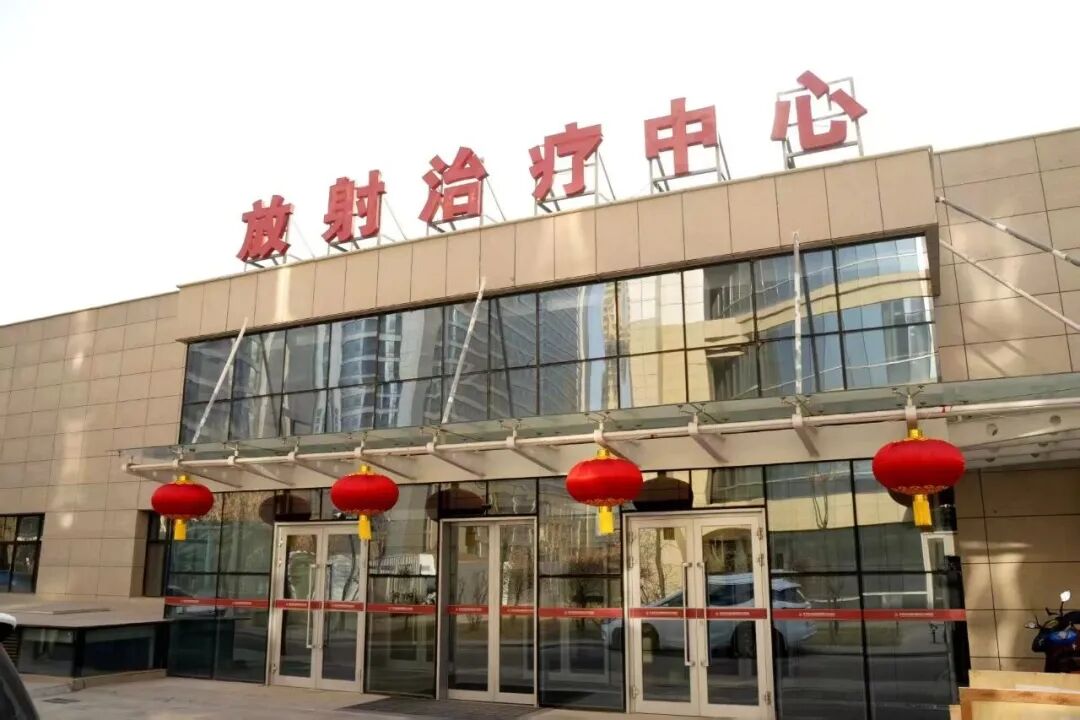
Radiotherapy Center
Four days, three cities – from the Spring City to the Forest City to the Green City. This tour across Southwest China helped more people truly understand what the word "heavy ion" means for the first time – not just a physics term, but the stories of joy and rebirth in over 3,000 families. From the snowy peaks of the Qilian Mountains to the Yunnan‑Guizhou Plateau, China's heavy ions have crossed not only geographic distances but also the emotional distance from despair to hope for countless patients.
Ensuring that no waiting heart is left alone, and that every life has the chance to meet hope again – that is the warmest meaning of this great national instrument.
Meeting Highlights
Written by: Guo Yishan
First Review: Duan Shengyu
Second Review: Guo Yishan
Third Review: Cai Qinghua