The national weight - loss guide features an authoritative, region - specific diet
Abnormal weight raises the risk of serious issues like hypertension, diabetes, heart and brain diseases, fatty liver disease, and even some cancers.
Individuals with excessively large waist circumferences may be overweight and are at risk of developing chronic conditions. Such health concerns necessitate the involvement of professional physicians and specialized medical institutions for proper management.
Yesterday (the 9th), at a press conference of the third session of the 14th National People's Congress, Lei Haichao, director of the National Health Commission, said that the country will continue to promote the "Year of Weight Management" campaign and popularize healthy lifestyles.
The Weight Management Guidelines (2024 Edition) issued by China's National Health Commission predicts that, if not effectively controlled, by 2030, 70.5% of Chinese adults and 31.8% of children will be overweight or obese.
What weight status means real overweight/obesity?
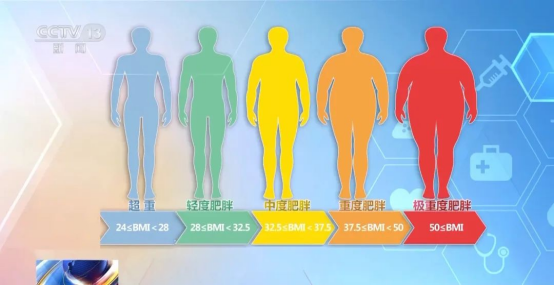
Multiple factors influence overweight and obesity, including genetics, diet, physical activity, lifestyle, and social changes. Body Mass Index (BMI) is the standard for measuring body fatness.
- BMI = weight (kg) / height (m)²
- A healthy BMI for Chinese adults is between 18.5 and 24.
- BMI between 24 and 28 means overweight.
- BMI of 28 or above indicates obesity, which is further categorized into mild, moderate, severe, and extreme obesity.
How to eat healthily when losing weight?
The National Health Commission released the "Dietary Guidelines for Adult Obesity (2024 Edition)" to offer science-based weight-loss advice.
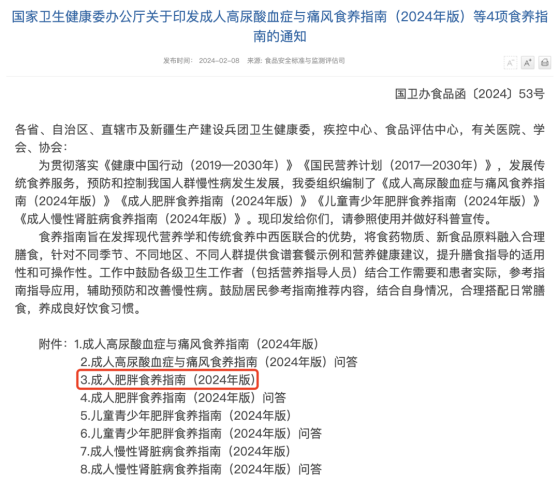
Notably, this menu offers region-specific recipes from across China, each annotated with "total energy" details. Foods to choose:
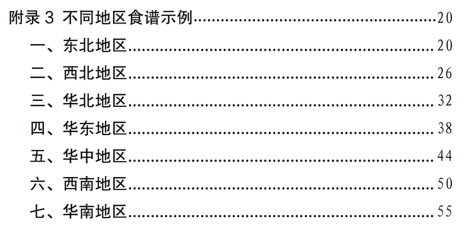
Foods to choose first:
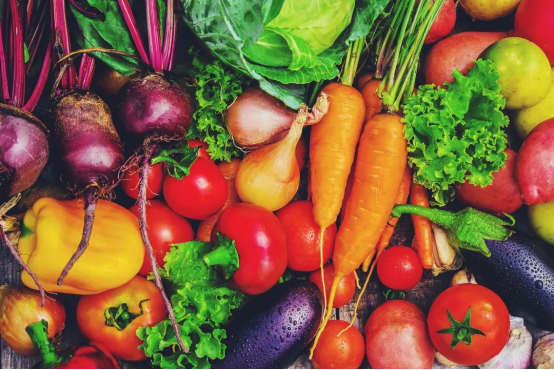
- Make whole grains the main staple, add more coarse grains, and cut down on refined rice and flour.
- Eat plenty of fresh fruits and vegetables, but reduce intake of high-sugar fruits and high-starch vegetables.
- Opt for low-fat foods like lean meat, skinless chicken breast, and fish and shrimp.
- Choose low-fat or fat-free dairy.
Foods to eat less :
- During weight loss, one should eat less fried foods, sugary baked pastries, candies, fatty meats, and other high-energy foods.(high-energy foods provide over 400kcal/100g).
- Opt for a light diet with less than 5g of salt, 20-25g of cooking oil, and under 25g of added sugar daily.
- Limit alcohol strictly. Alcohol yields about 7kcal per gram, more than carbs and proteins.
Daily food intake recommendations:
Controlling total energy intake and maintaining a balanced diet are crucial for weight management. To control total energy intake:
- Reduce daily energy intake by an average of30%-50% or 500-1,000kcal.
-Or follow a restricted-energy balanced diet: 1,200-1,500kcal/day for men and 1,000-1,200kcal/day for women.
- Reduce daily energy intake by an average of 30% - 50% or 500 - 1,000kcal. Men: 1,200 - 1,500kcal/day; Women: 1,000 - 1,200kcal/day.
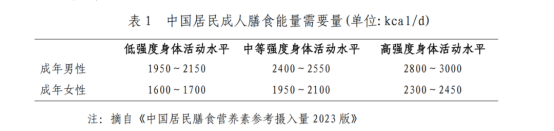
- Adjust based on basal metabolic rate and activity level. For weight loss, take 85% and 80% of the required energy for overweight and obese individuals, ensuring intake is above basal metabolic rate.
- Calculate ideal daily energy: (height in cm - 105 = ideal weight in kg) × energy coefficient (15 - 35kcal/kg, varying by activity level).
Four tips for scientific weight loss
The "Dietary Guidelines for Adult Obesity (2024 Edition)" advises:
Macronutrient energy ratios should be: fat 20%-30%, protein 15%-20%, and carbohydrates 50%-60%. The breakfast-lunch-dinner energy ratio should be 3:4:3.
Eat meals at the same time each day in fixed quantities.
You should prioritize breakfast, avoid skipping meals, and don't eat dinner too late. It's suggested to have dinner between 5 and 7 PM. After dinner, you shouldn't eat anything else, but you can drink water.
Avoid snacks and sugary drinks.
Whether at home or eating out, they should strive to eat in moderation, scientific collocation, not overeating, control eating snacks and drinks at will, and avoid late night snacks.
Chew food slowly and thoroughly.
Eating the same food at a slow pace can help reduce total food intake and slow down the speed of eating, which can increase the sense of fullness and reduce hunger.
Change the order of eating to vegetables, then meat, then carbs.
Eating according to the order of "vegetables, meat and staple food" helps to reduce the intake of high-energy foods.
Besides diet, here are some weight - loss tips:
Sleep
Staying up late, not sleeping enough, and having an irregular schedule can disrupt hormones and fat metabolism, leading to "overwork weight gain." Obese individuals should follow their circadian rhythm and aim for around 7 hours of sleep daily.
Moderate exercise
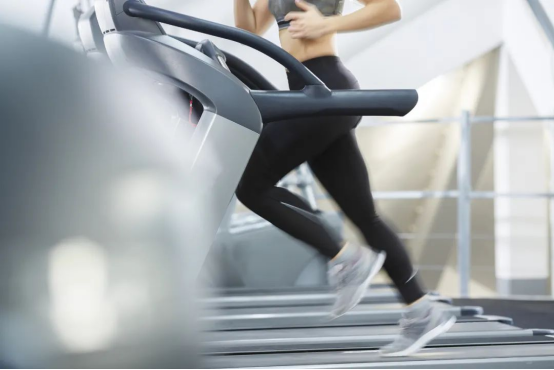
Physical inactivity and a sedentary lifestyle are key causes of obesity. For obese individuals, weight - loss exercise should focus on moderate - to low - intensity aerobic exercise, supplemented by resistance training. Aim for 150 - 300 minutes of exercise per week. Do moderate - intensity aerobic exercise 5 - 7 days a week, at least every other day. Do resistance training 2 - 3 days a week, once every other day, for 10 - 20 minutes each time. Try to burn 2,000kcal or more through exercise each week.
Sitting less
Limit screen time and sitting to under 2 - 4 hours daily. Take a 3 - 5 minute break every hour if sedentary.
Warm reminder:
Lose weight gradually.
Aim to lose 5% - 10% of your current weight within six months.
A reasonable weight loss rate is 2 - 4 kg per month.