PET-CT for Cancer: How Accurate Is It? Does High Metabolism Mean Cancer?"
In simple terms, PET-CT detects tumors by leveraging the high metabolic activity of cancerous lesions, where a radioactive tracer accumulates intensely in malignant tissues. Compared to traditional imaging techniques, PET-CT offers advantages such as higher sensitivity, superior resolution, and clearer images. A key benefit is its ability to capture full-body images in a single scan, providing a comprehensive view of the patient’s overall condition. But how accurate is PET-CT for cancer detection? Does high metabolic activity always indicate cancer?

PET-CT is a whole-body imaging technique that uses the radiopharmaceutical 18F-FDG (fluorodeoxyglucose), which exhibits high sensitivity to cancer cells, enabling rapid detection of malignancies. Additionally, it can identify metastatic lesions in soft tissues, organs, and bones throughout the body, making it invaluable for tumor staging. Whether used for cancer diagnosis or routine health screenings, PET-CT provides comprehensive and detailed information about the patient's condition.
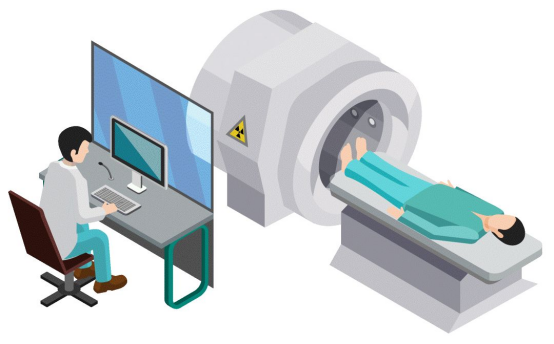
The key advantage of PET-CT lies in its superior capability for cancer screening, which fundamentally differentiates it from conventional health checkups. For instance, brain tumors may not initially present symptoms like neuralgia, headaches, or vomiting, while abdominal tumors often remain undetected in routine ultrasound examinations due to their concealed anatomical locations—especially in asymptomatic individuals without compressive manifestations. PET-CT overcomes these limitations with precision. Unlike other imaging modalities, it enables whole-body tomographic imaging in a single scan, providing unparalleled diagnostic clarity for early-stage malignancies.
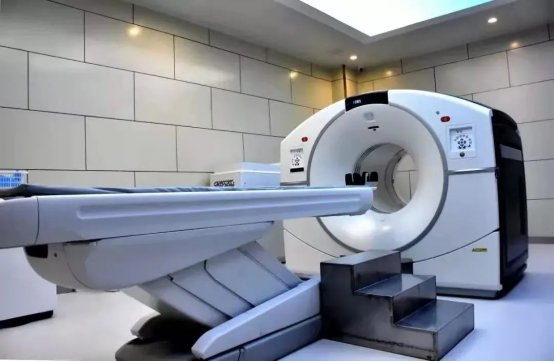
While both benign tumors and inflammatory conditions also exhibit elevated metabolic activity, PET-CT differentiates them through quantitative analysis of tracer uptake. Malignant, benign, and inflammatory lesions demonstrate distinct patterns of radiopharmaceutical absorption: higher-grade malignancies typically show significantly greater uptake. Clinically, this is evaluated using standardized metrics, with an SUV (Standardized Uptake Value) threshold of 2.5 often serving as a diagnostic benchmark—values exceeding 2.5 strongly suggest malignancy. Thus, high metabolic activity on PET-CT does not definitively indicate tumor; final determination requires careful assessment of both uptake intensity and anatomical context.
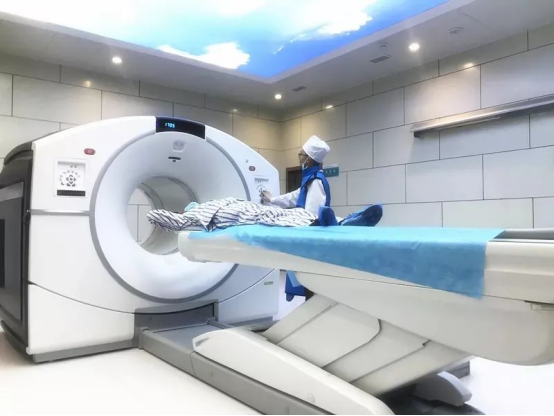
The PET-CT Center at Gansu Wuwei Medical Science Academy Cancer Hospital has introduced the GE Discovery 710 Clarity Super-Iterative PET-CT—China's most advanced 256-ring LBS crystal PET/128-slice spiral CT system. As the fourth PET-CT in Gansu Province and the only one in prefecture-level hospitals across the province, this cutting-edge device leads global trends in PET-CT technology, offering significantly enhanced sensitivity and specificity compared to conventional systems.
Key technological breakthroughs include:
Ultra-high spatial resolution (1.8mm): Detects sub-centimeter lesions with unprecedented precision.
Rapid whole-body scanning: Reduces examination time by 40% while lowering radiation exposure.
Super-iterative reconstruction: Delivers diagnostic accuracy meeting EANM (European Association of Nuclear Medicine) guidelines.
The center operates a state-of-the-art radiopharmacy equipped with a medical cyclotron capable of producing multiple diagnostic tracers (11C, 13N, 18F) tailored to various pathologies. All radiopharmaceuticals exceed Chinese Pharmacopoeia standards, achieving >99% radiochemical purity comparable to global benchmarks. As Gansu's only dual-tracer PET-CT facility (simultaneous 11C/18F imaging), it provides molecular-level diagnostic insights for precision oncology.
Address: PET-CT Center, Heavy Ion Campus, Wuwei Academy of Medical Sciences.