Bubble Test: Tracking "Bubbles" in the Heart
01 Bubble Test: Tracking "Bubbles" in the Heart
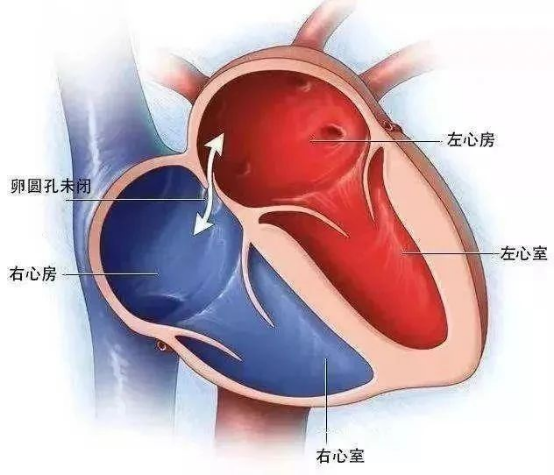
The Bubble Test, formally called Contrast-Enhanced Transcranial Doppler (C-TCD), involves injecting a saline solution containing microbubbles into a patient’s cubital vein. The patient is instructed to hold their breath or cough while a TCD emboli detection system monitors the movement of these microbubbles. Normally, bubbles are absorbed in the pulmonary circulation, and no microemboli are detected. However, if a patent foramen ovale (PFO) exists, bubbles bypass the lungs, traveling from the right atrium to the left atrium and into cerebral circulation. Ultrasound captures these signals.

Principle: Saline is agitated to create microbubbles → Injected intravenously → Ultrasound tracks bubble pathways.
Key Objective: Detect right-to-left cardiac shunts (e.g., PFO). Such shunts may allow venous clots or gas to bypass the lungs, increasing risks of stroke or migraines. TCD’s high sensitivity, non-invasive nature, and repeatability make it a gold standard for shunt screening, aiding precise diagnosis and personalized treatment.
02 Who Needs a Bubble Test?
Unexplained stroke/transient ischemic attack (TIA) (especially in young patients)
Refractory migraines (particularly with aura)
Unexplained syncope or dizziness (to rule out cardiac abnormalities)
Divers/astronauts (assessing decompression sickness risk)
Routine PFO screening
Post-PFO closure follow-up
03 Contraindications
Severe cardiac, pulmonary, hepatic, or renal dysfunction.
Severe cyanosis with large intracardiac shunts, severe pulmonary hypertension, advanced emphysema, or coronary syndrome.
Recent abdominal surgery or pregnancy.
Children under 3 years old.
04 Procedure
Safe and painless, completed in 10 minutes:
1、Patient lies supine for 1 minute.
2、Dual-channel/depth TCD monitoring detects bilateral middle cerebral artery (MCA) flow signals (40-65 mm depth). Adjust settings for optimal signal clarity.
3、Establish cubital venous access with a Y-type catheter. Prepare agitated saline (rapidly inject 20 times between syringes).
4、Rapidly inject the agitated saline as a bolus (3-5 seconds) while starting a timer.
5、Observe and record blood flow/embolic signals for 20 seconds.
6、Patient rests for 2 minutes.
7、Repeat steps 4-5.
8、Reinject agitated saline and instruct the patient to perform a Valsalva maneuver 5 seconds post-injection.
9、Monitor and record signals for 25 seconds.
10、Patient rests for 2 minutes.
11、Repeat steps 8-9.
Notes:
No fasting required; avoid strenuous exercise beforehand.
Apply pressure to the injection site for 3-5 minutes post-test. Minor dizziness may occur but resolves with rest.
05 Results: Is Your Heart "Leaking"?
Negative (Normal): Bubbles confined to the right heart; no abnormal pathways.
Positive (Abnormal): Bubbles detected in the left heart, indicating right-to-left shunt (e.g., PFO, pulmonary arteriovenous fistula).
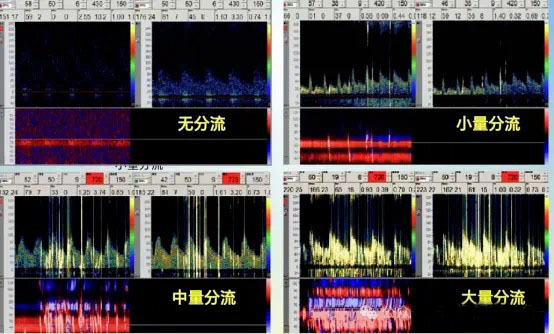
Diagnostic Grading (4-level scale):
No shunt: 0 microbubbles
Minor shunt: 1-10 microbubbles
Moderate shunt: 11-25 microbubbles
Large shunt: >25 microbubbles (>60 or "shower/curtain" patterns indicate severe shunting).
Follow-up: Positive results warrant transesophageal echocardiography (TEE) or cardiac CT to quantify shunts. Treatment (e.g., closure) depends on symptoms and shunt severity.
06 FAQs
Q: Is the Bubble Test risky?
A: Microbubbles are non-toxic and harmless. The test is extremely safe.
Q: Does every PFO require treatment?
A: Not necessarily. Asymptomatic small shunts may only need monitoring.
Final Note:
A "tiny hole" in the heart could be a major health threat! If you or family members suffer unexplained headaches or stroke-like symptoms, consult a cardiologist about the Bubble Test. Share this knowledge—empower others to safeguard their health!
Pricing: 158 RMB/person
Transcranial Color Doppler Ultrasound: 56 RMB
Ultrasound-Guided Clinical Procedure: 102 RMB
100ml saline (self-provided)
Locations:
Central Campus: Room 428, Cardiocerebral Function Examination Dept., 4F Outpatient Building, Wuwei Tumor Hospital.
Tel: 0935-6988551
Heavy Ion Campus: Room E303, 3F Outpatient Building, Wuwei Tumor Hospital.
Tel: 0935-6989085