
Flu Season is Here! A Complete Guide the Whole Family Can Use
Flu Season is Here! Prevention + Treatment + Care: A Complete Guide the Whole Family Can Use
To help you navigate flu season wisely and steer clear of common pitfalls, we’re breaking down everything you need to know about prevention, treatment, and care for influenza A—all in one go. Whether you're protecting yourself or caring for loved ones, this guide has got you covered.
I. understand: What exactly is influenza A?
Many people confuse the flu with the common cold, but there are significant differences between the two. Influenza A, also known as the H1N1 flu, is an acute respiratory infection caused by the influenza A virus. This virus is highly contagious and can even be transmitted between humans, pigs, and birds.

II. When influenza A hits, the body will send these signals
After contracting the flu, the body often responds with early "warning signs." Common symptoms include:
General discomfort: Fever (typically high), headache, extreme fatigue, muscle aches, leaving one feeling completely drained.
Respiratory symptoms: Sore throat, nasal congestion, runny nose, and cough.
Gastrointestinal issues: Some may experience diarrhea and vomiting, especially children.
It’s important to note: In rare cases, symptoms can worsen rapidly, leading to persistent high fever, difficulty breathing, palpitations, and potentially serious complications such as myocarditis, pneumonia, or encephalitis—which can be life-threatening. If any of these severe signs appear, seek medical attention immediately!
III. who is susceptible to getting infected? How does the virus spread?
1. Who Is Most Vulnerable?
While no one is naturally immune to the influenza A virus, certain groups are more susceptible to infection and at higher risk of severe illness: the elderly, pregnant women, young children, individuals with weak constitutions, and those with chronic underlying conditions, weakened immune systems, or sedentary lifestyles.
Special attention should be given to children, as pediatric cases are common and more likely to progress to severe illness, with no significant gender difference. Additionally, immunity against the same virus strain after infection is short-lived, meaning reinfection is possible.
2. How Does It Spread?
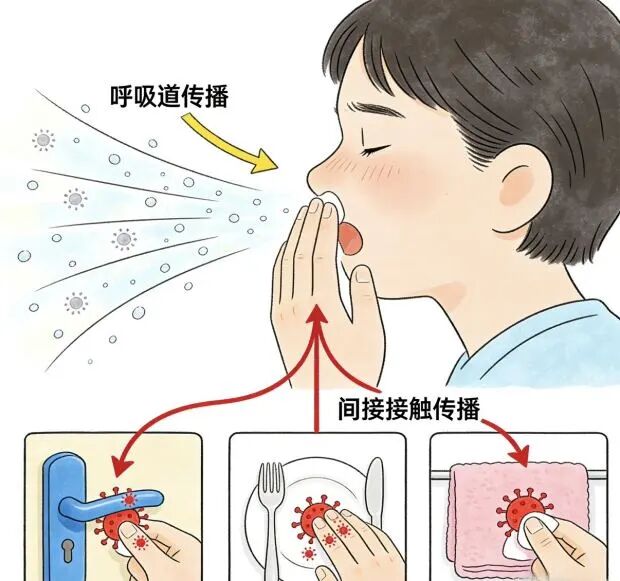
For about five days after infection, the influenza A virus is present in the patient’s nasal discharge, saliva, and phlegm. The contagious period lasts roughly one week, with transmission peaking in the first 2–3 days after symptoms appear. The virus primarily spreads in two ways:
- Respiratory transmission: When an infected person talks, coughs, or sneezes, the virus spreads through droplets or saliva in the air, potentially infecting others who inhale them.
- Indirect contact transmission: The virus can linger on contaminated clothing, utensils, towels, or other objects. Touching these items and then touching the eyes, nose, or mouth, or consuming contaminated food, may also lead to infection.
IV. suspecting influenza A infection? Get confirmed this way
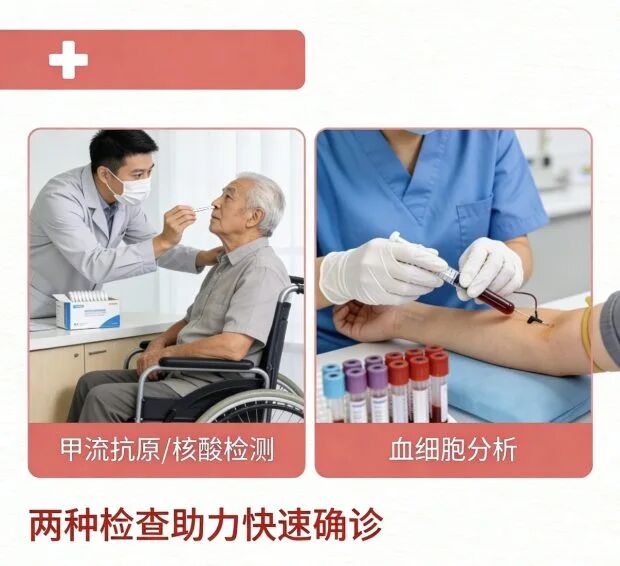
If you experience the symptoms mentioned above and suspect that you or a family member has been infected with influenza A, the following tests are typically conducted at the hospital:
Influenza A Antigen/Nucleic Acid Test:
A healthcare professional will collect a sample using a nasal or throat swab. A positive test result confirms an influenza A infection.
Complete Blood Count (CBC):
A blood test is performed to analyze the levels of white blood cells and lymphocytes. This helps determine whether a bacterial infection is also present, aiding the doctor in developing an appropriate treatment plan.
V. There is a patient at home? This is how disinfection works effectively
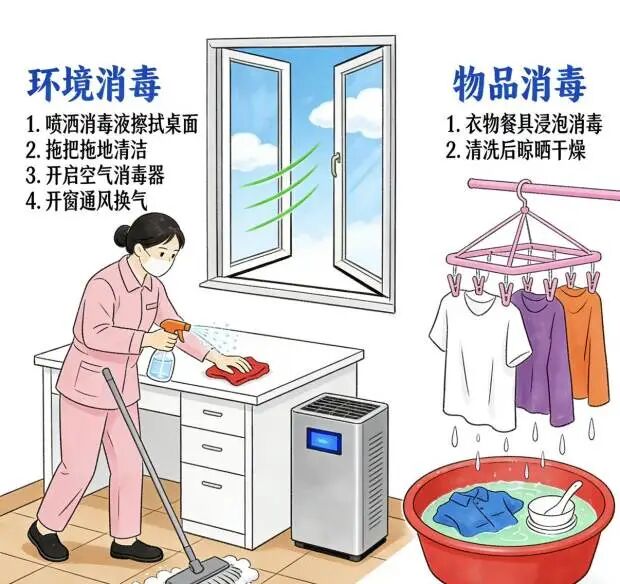
The influenza A virus is susceptible to disinfectants. Using the right methods can effectively kill the virus and prevent cross-infection. Here’s how to do it:
Environmental Disinfection:
Use chlorine-based disinfectant to mop floors and wipe down furniture. Air disinfectors can also be used to sanitize rooms. After disinfection, make sure to open windows for ventilation.
Item Disinfection:
Clothing, bed sheets, quilt covers, tableware, towels, and other items used by the patient should first be soaked in chlorine-based disinfectant for half an hour, then washed and dried thoroughly.
VI. unfortunately infected with influenza A? Treat it like this to recover quickly
Don’t worry too much—most people with influenza A experience mild symptoms and can recover quickly with home isolation and symptom-based treatment. Management can be approached in two ways depending on the severity:
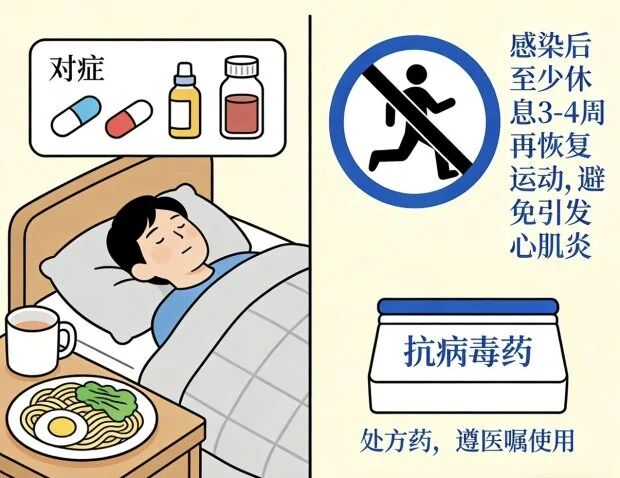
1. For Mild Cases, Home Care Is Sufficient:
Focus on symptom relief and rest:
- Fever and muscle aches: Use acetaminophen or ibuprofen.
- Cough with phlegm: Consider ambroxol or bromhexine.
- Dry cough: Dextromethorphan may help.
- Nasal congestion, runny nose, or sneezing: Options include chlorpheniramine or loratadine.
Additionally, ensure plenty of rest, avoid staying up late, drink warm fluids, eat light and nutritious meals, and monitor symptoms closely.
2. For Severe Cases, Timely Antiviral Medication Is Key:
If symptoms are severe—such as persistent high fever or difficulty breathing—seek medical attention early and start antiviral treatment as soon as possible. Ideally, antivirals should be taken within 48 hours of symptom onset, with the best results seen when started within 36 hours. Common antiviral medications include oseltamivir, peramivir, and baloxavir marboxil.
Important Note: Oseltamivir and baloxavir marboxil are prescription-only medications and **must be taken under a doctor’s guidance—never self-medicate!** If a bacterial infection is also present, your doctor may prescribe antibiotics.
A Crucial Reminder: Avoid Exercise Too Soon After Infection
It’s risky to resume physical activity as soon as you start feeling better. Viruses like influenza A, influenza B, or COVID-19 can affect vital organs such as the heart and lungs.
The right approach is to prioritize rest during the acute phase of infection. Gradually reintroduce exercise only after at least 3–4 weeks. This significantly reduces the risk of viral myocarditis or pneumonia—don’t take chances with your health!
VII. Most Critical: Prevent Like This to Stay Away from Influenza A
Prevention is always better than cure. By focusing on these four key measures, you can significantly reduce the risk of infection:
1. Prioritize Daily Protection:
Dress appropriately for changing weather, especially in autumn and winter. Stay physically active to boost your immune system. Ensure regular ventilation at home and in the workplace. Maintain a balanced diet rich in fruits and vegetables, and drink plenty of water. Wash your hands thoroughly with soap or hand sanitizer under running water—don’t cut corners.
2. Practice Good Respiratory Hygiene:
Always cover your mouth and nose with a tissue or towel when coughing or sneezing—avoid spreading droplets toward others. Try not to touch your eyes, nose, or mouth with unwashed hands to prevent contact transmission. Get enough sleep, avoid excessive fatigue, and keep your immunity strong.
3. Avoid Crowded Spaces:
Minimize close contact with people showing flu-like symptoms. During peak flu season, steer clear of crowded or poorly ventilated places such as malls, amusement parks, and cinemas. Wear a mask properly when visiting hospitals, supermarkets, or similar settings. If you are infected with influenza A, stay home to isolate—do not go to work or school while sick to prevent spreading the virus.
4. Get Vaccinated—The Most Effective Defense:
For the most reliable protection, get the flu vaccine! It’s recommended to get vaccinated each autumn, especially for high-risk groups such as the elderly, young children, and people with chronic illnesses. Vaccination greatly lowers the risk of infection, and even if you do get sick, symptoms are likely to be milder and less likely to progress to severe illness.

In fact, influenza A is not as scary as it might seem. By understanding it well and taking proper precautions, we can effectively manage and respond to it. As autumn and winter mark the peak flu season, I hope everyone will prioritize personal protection and safeguard the health of themselves and their families. If you found this guide helpful, feel free to share it with those around you! Let’s build a strong defense together and stay safe throughout the flu season.