
Don't Be Afraid of Cervical HPV Infection, We Have Ways to Treat It
Don't Be Afraid of Cervical HPV Infection, We Have Ways to Treat It
I. First, Ease Your Anxiety: High-Risk HPV Infection ≠ Cervical Cancer
First and foremost, it's essential to understand a core fact: the vast majority of high-risk cervical HPV infections are temporary. The human immune system is the "natural enemy" of HPV. Approximately 80% of infections are cleared by the body's own immunity within 1-2 years without causing lesions . High-risk HPV represents a "higher carcinogenic risk," not a guarantee that infection will lead to cervical cancer. The progression from infection to cervical intraepithelial neoplasia (CIN), and further to invasive cervical cancer, typically takes a long time, providing ample opportunity for intervention and blocking.
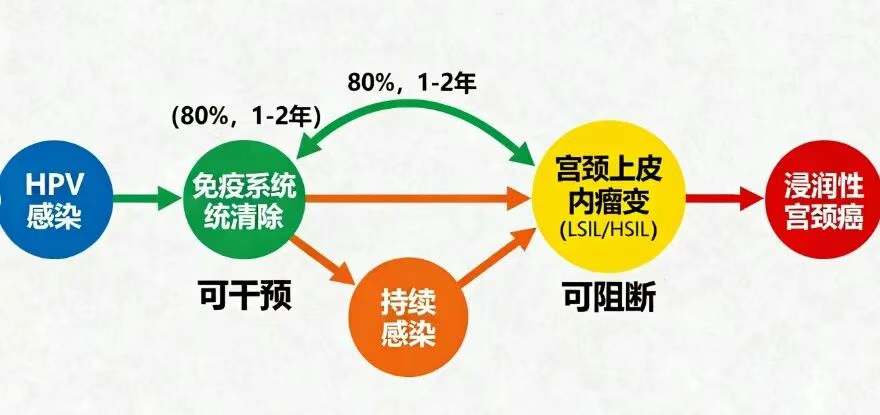
There's no need to panic after infection. An HPV infection simply means the cervix has been invaded by the human papillomavirus. As long as it is detected through timely check-ups and managed scientifically, adverse outcomes can be completely avoided . Clinical data show that the incidence of cervical cancer in individuals with high-risk HPV infection under standardized management can be reduced to a very low level.
II. Scientific Treatment and Intervention: Targeted Solutions for Different Situations
Personalized plans are developed based on the HPV type, cervical cytology (TCT) results, and the presence of symptoms (e.g., contact bleeding). The core principles are "clearing the virus, blocking lesions, and regular monitoring" .
1. Immunomodulatory Therapy: Helping the Body "Win the Fight Against the Virus"
This is the core intervention method when there are no obvious lesions, aiming to promote viral clearance by enhancing local or systemic immunity.
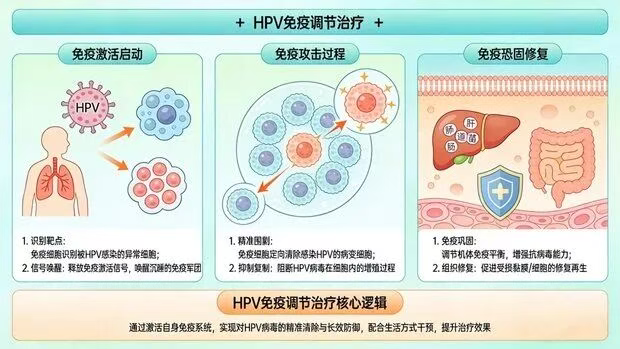
Local Medication: Commonly used topical agents like interferon preparations . These can improve the local microenvironment of the cervix and activate immune cells to recognize and clear the virus. They should be used standardized, typically in courses of 3 months. During medication, avoid sexual intercourse and pay attention to personal hygiene.
Systemic Regulation: Regular routine (avoid staying up late, ensure 7-8 hours of sleep), balanced diet (increase intake of high-quality protein, Vitamin C, zinc, such as lean meat, fish, vegetables, fruits, nuts), moderate exercise (aerobic exercise more than 3 times per week, 30 minutes each time), while avoiding behaviors that lower immunity like smoking and excessive alcohol consumption. These seemingly simple habits are actually key to boosting immunity.
2. Lesion Removal: Targeting Existing Cervical Lesions
- If TCT indicates squamous intraepithelial lesions (LSIL/HSIL) or colposcopy with biopsy confirms precancerous lesions, physical therapy or surgical excision is needed to remove the lesional tissue and clear the virus infected in the cervical epithelium .
- Physical Therapy: Suitable for low-grade lesions (LSIL), including laser, microwave, cryotherapy, etc. . These methods destroy lesional tissue with minimal trauma and quick recovery. Post-procedure wound care is important to avoid infection.
- Surgical Treatment: Suitable for high-grade lesions (HSIL), commonly using cervical conization (cold knife conization, LEEP procedure) . This precisely removes the diseased cervical tissue, and the postoperative specimen requires further pathological examination to ensure clear margins (no residual lesion). Such surgery can effectively block the progression to cervical cancer. Follow-up examinations as directed by the doctor are essential after surgery.
3. Regular Monitoring: Managing Cervical Health Throughout the Process
Regardless of treatment, regular follow-up is paramount to promptly understand whether the virus has been cleared and if there are new infections or lesions on the cervix .
Follow-up Frequency: If high-risk HPV is detected for the first time and TCT is normal, recheck every 6-12 months . If there was a previous lesion, check every 3-6 months for the first 2 years after surgery. If no abnormalities are found after 2 years, screening can be resumed.
Follow-up Items: HPV genotyping test (to clarify if the virus is persistently infected and if the type has changed) + TCT (to assess if cervical cells are normal) + HPV E6/E7 mRNA test if necessary, and another colposcopy with biopsy if needed.
- III. Additional Reminders: Prevention is as Important as Treatment
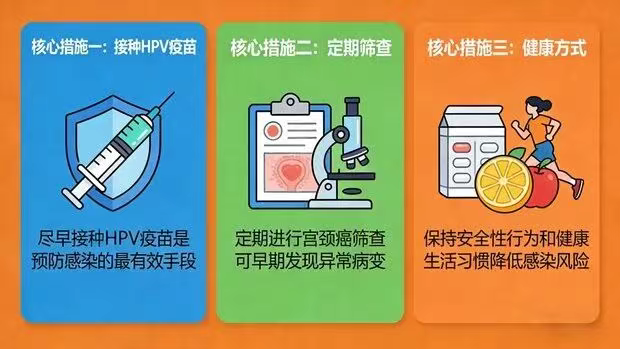
- Get Vaccinated: Even if already infected with a certain HPV type, vaccination can still prevent infection from other high-risk types, reducing the risk of re-infection. It is suitable for women aged 9-45.
- Practice Safe Sex: Using condoms can reduce HPV cross-infection. Avoid having multiple sexual partners.
- Avoid Overtreatment: Individuals who are simply HPV positive with normal TCT and no symptoms do not need blind medication or surgery . Overtreatment may damage cervical function. Simply enhancing immunity and regular monitoring are sufficient.
IV. Focused Ultrasound (Haijixing) Treatment
1. An Optimized and Upgraded Solution for Cervical and Vulvar Physical Therapy
It represents an advanced approach compared to traditional physical therapies such as laser or cryotherapy. This method handles cervical lesion tissues more precisely and gently, while assisting in clearing local HPV virus and minimizing damage to normal cervical structures.
2. Core Principles of Haijixing in Treating Cervical Lesions
The treatment is grounded in the dual logic of "destroying lesion tissue + improving the local microenvironment," aligning with the core principles of immunomodulation and lesion clearance discussed earlier.
Precise Ablation of Lesion Tissue: Utilizes gentle ultrasonic energy to disrupt the DNA structure of lesion cells, causing necrosis and shedding, thereby avoiding injury to surrounding normal cervical mucosa (resulting in a smaller thermal damage range compared to traditional laser).
Assisted Clearance of HPV Virus: As lesion tissues shed post-treatment, attached HPV viruses are eliminated simultaneously. The mild local repair response activates cervical immune cells, indirectly enhancing the clearance of residual viruses, complementing the "immunomodulation therapy" mentioned previously.
Promotion of Cervical Repair: After treatment, the cervical wound naturally forms a scab and heals, generating new healthy mucosa, restoring normal physiological function, and reducing recurrence risks.
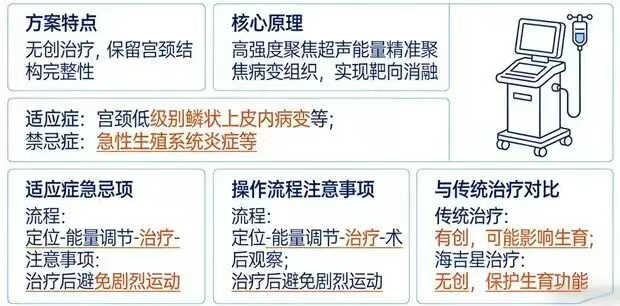
3. Indications and Contraindications for Focused Ultrasound (Haijixing) Treatment
Indications: Cervical cytology (TCT) indicating low-grade squamous intraepithelial lesion (LSIL), with colposcopy biopsy ruling out moderate or severe lesions. Recurrent cervical inflammation unresponsive to treatment, combined with high-risk HPV infection (e.g., types 6, 11, 16, 18), and poor outcomes from immunomodulation therapy. Cervical columnar ectropion with contact bleeding, requiring local repair after excluding malignant lesions.
Contraindications: Moderate to severe cervical lesions (HSIL), which necessitate complete excision via cervical conization (cold knife/LEEP). Diagnosed cervical cancer or suspected invasive cancer, requiring standard oncology care (e.g., surgery, radiotherapy/chemotherapy). Acute cervicitis or pelvic inflammatory disease during flare-ups; inflammation must be controlled before evaluating suitability for local therapy. Pregnancy; treatment is avoided to prevent fetal impact, with reassessment postpartum.
4. Operational Procedures and Precautions for Focused Ultrasound (Haijixing) Treatment
Procedure (Outpatient-Based, No Hospitalization Required): Preoperative Preparation: Conduct HPV genotyping, TCT, and colposcopy biopsy to confirm treatment eligibility; avoid menstruation, and refrain from sexual intercourse, vaginal medication/douching for 3 days prior. Treatment Process: The physician locates the lesion area via colposcopy, apposes the Haijixing treatment head precisely to the site, and activates energy delivery. Each session lasts 5–10 minutes, potentially causing mild warmth (alleviable with local anesthesia). Postoperative Recovery: A thin scab forms on the cervix; slight vaginal discharge (light yellow) or minimal bleeding may occur for 1–2 weeks, which is normal. Complete healing takes 6–8 weeks, during which sexual intercourse, tub baths, and strenuous exercise are prohibited.
Precautions: Postoperative Review: Follow the earlier; reassess HPV and TCT at 3 months post-treatment to evaluate viral clearance and cervical cell normalization. Persisting HPV positivity or abnormalities warrant adjusted plans (e.g., retreatment or alternative interventions). Combined Interventions: Haijixing addresses local lesions only; postoperative "systemic conditioning" (regular routine, balanced diet, moderate exercise) remains essential to boost immunity and prevent HPV reinfection.
5. Advantage Comparison with Traditional Physical Therapy (Laser/Cryotherapy)
Haijixing Treatment: Precisely targets lesion tissue with minimal damage to normal tissue. Reduced discharge and bleeding; faster recovery. Suitable for women with fertility requirements. Integrates immunomodulation, yielding a lower recurrence rate (approximately 5%–8%).
Traditional Laser/Cryotherapy: Broader thermal/cold damage range, potentially affecting cervical elasticity. Higher discharge volume and bleeding risk; prolonged recovery. Appropriate for those without fertility concerns. Recurrence rate after standalone treatment is about 10%–15%.
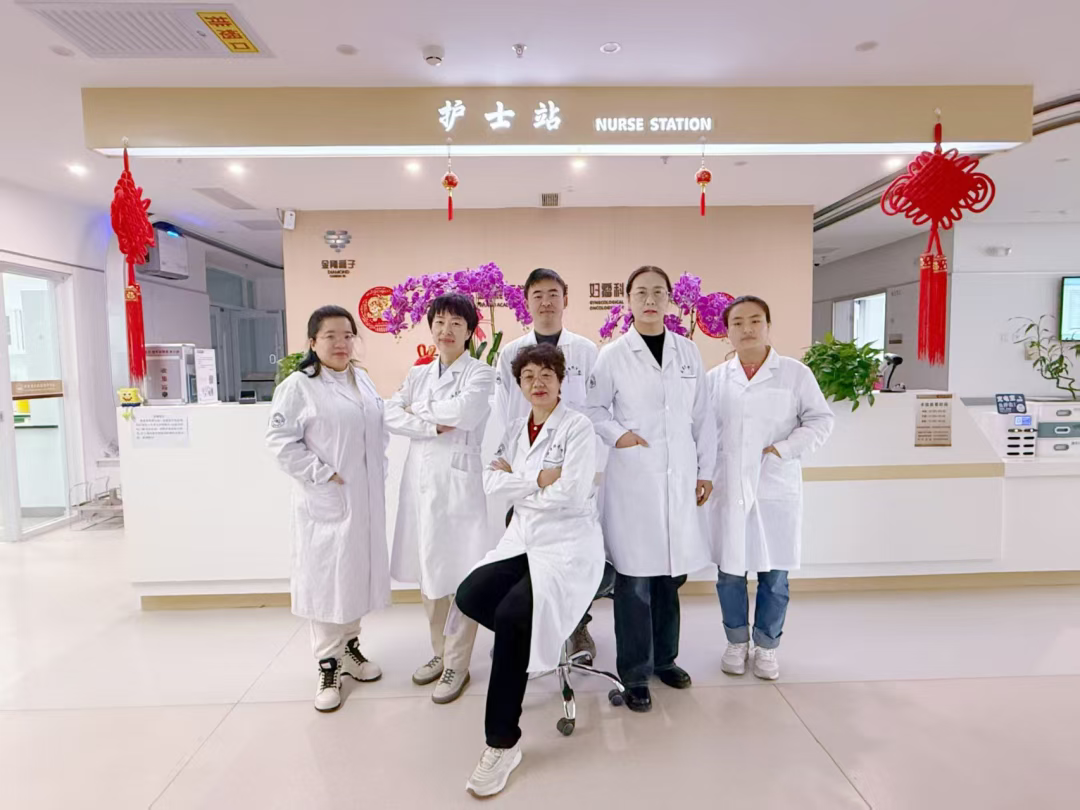
Introduction to the Department of Gynecologic Oncology
The Department of Gynecologic Oncology is a key discipline in Wuwei City, recognized as an outstanding municipal-level team. Its medical standards lead the city and rank among the top in the province. The department attends to approximately 6,000 outpatient visits and performs over 500 surgeries annually. The hospital is equipped with advanced technologies for cervical cancer screening, including HPV genotyping and liquid-based thin-layer cytology, HPV E6/E7 mRNA testing, precise molecular typing and genetic testing for malignant tumors. It also boasts high-resolution diagnostic equipment such as CT, MRI, PET-CT, and color Doppler ultrasound, alongside high-definition laparoscopy, robotic surgical systems, Olympus advanced hysteroscopic examination and treatment systems, high-definition digital electronic colposcopes, LEEP knives, focused ultrasound (Haijixing) therapeutic apparatus, laser and microwave therapy equipment. These resources provide a comprehensive foundation for the diagnosis and treatment of gynecological and gynecologic oncological diseases.
The department diagnoses and treats a wide range of conditions, including cervical cancer, endometrial cancer, ovarian/fallopian tube cancer, vulvar cancer, uterine sarcoma, uterine fibroids, endometriosis, adenomyosis, benign ovarian tumors, uterine/vaginal prolapse, stress urinary incontinence, hydatidiform mole/malignant mole/choriocarcinoma, precancerous lesions of the cervix/vagina/vulva, pelvic and abdominal tuberculosis, acute and chronic pelvic inflammatory disease, ectopic pregnancy, infertility, menstrual disorders, dysmenorrhea, vulvar leukoplakia, inflammations of the vulva/vagina/cervix/endometrium, and perimenopausal syndrome.
Surgical procedures performed include laparoscopic radical surgery for early-stage cervical cancer and open radical extensive hysterectomy, laparoscopic/open radical surgery for endometrial cancer, comprehensive staging surgery for ovarian cancer, radical vulvectomy, radical surgery for uterine sarcoma, and robot-assisted gynecologic tumor resection. Other procedures encompass cervical conization, repair surgery for vaginal uterine prolapse, perineoplasty, myomectomy or total hysterectomy via abdomen or laparoscopy, excision of benign ovarian tumors, and various hysteroscopic surgeries such as routine examinations, removal of endometrial polyps, submucous myomas, uterine septa, and intrauterine foreign bodies, as well as lysis of intrauterine adhesions.
A leading specialty and primary development direction of the department in Wuwei City is its integrated, full-cycle service for gynecologic malignancies. This includes the screening and treatment of precancerous lesions and early cancers of the cervix, endometrium, vagina, vulva, and other reproductive organs; precision diagnosis at the molecular level for malignant tumors; standardized surgery; intravenous/intraperitoneal perfusion chemotherapy; targeted and immunotherapy; and long-term follow-up.
Gynecologic Oncology Outpatient Addresses:
- Central Campus of Gansu Wuwei Academy of Medical and Science: Room 213, 2nd Floor, Outpatient Building
- Heavy Ion Campus of Gansu Wuwei Academy of Medical and Science: Room 228, 2nd Floor, Outpatient Building
- Inpatient Department Address:
- Heavy Ion Campus of Gansu Wuwei Academy of Medical and Science: 2nd Floor, Building 6
- Telephone: +86 18393932593, 0935-6989604, 6989603