Chinese Heavy Ion Clinical Practice Special Report Enters University of Science and Technology
Chinese Heavy Ion Clinical Practice Special Report Enters University of Science and Technology of China
Gansu Wuwei Medical Science Research Institute, November 9, 2024, 16:18, Gansu, China
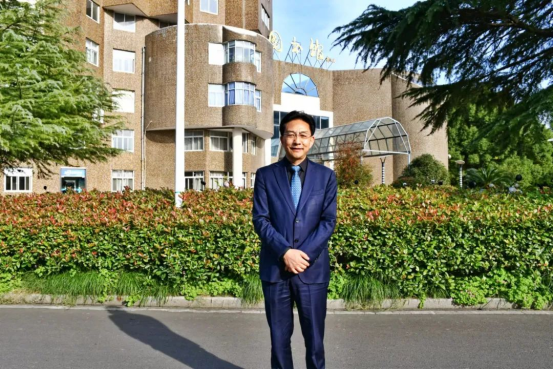
-----Professor Ye Yancheng from Gansu Wuwei Cancer Hospital was invited to give a special lecture at the "Wang Ganchang Lecture Hall" of University of Science and Technology of China.
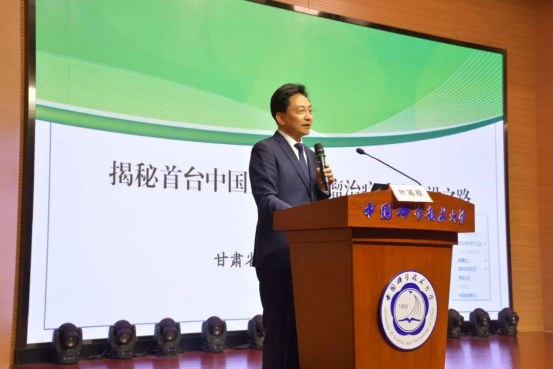
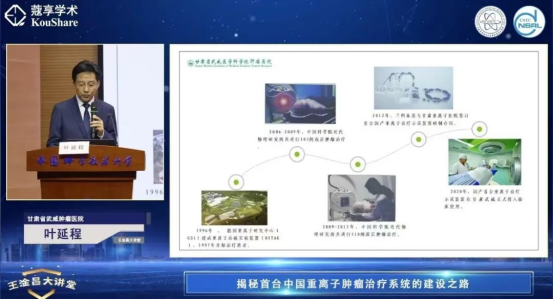
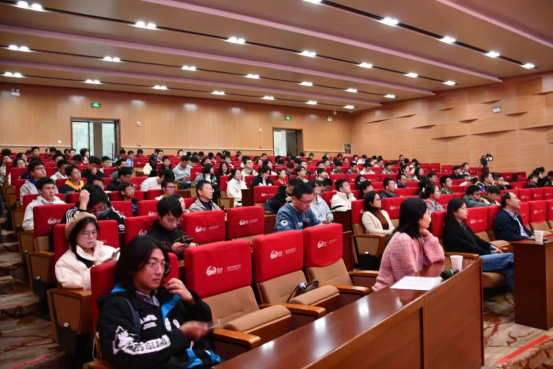
On November 9, 2024, the "Wang Ganchang Lecture Hall" hosted by the School of Nuclear Science and Technology at the University of Science and Technology of China, along with the National Synchrotron Radiation Laboratory, was held at the Waterfront Lecture Hall in the East Campus of the University of Science and Technology of China. Professor Ye Yancheng, Director of Gansu Wuwei Cancer Hospital, was invited to give a fascinating presentation titled "Unveiling the Construction Journey of the First Heavy Ion Tumor Treatment System in China." The event was chaired by Academician Feng Donglai, Executive Dean of the School of Nuclear Science and Technology, with hundreds of students and faculty members in attendance.
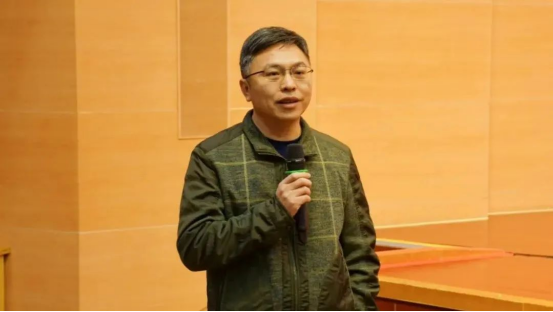
Academician Feng Donglai, Executive Dean of the School of Nuclear Science and Technology, presided over.
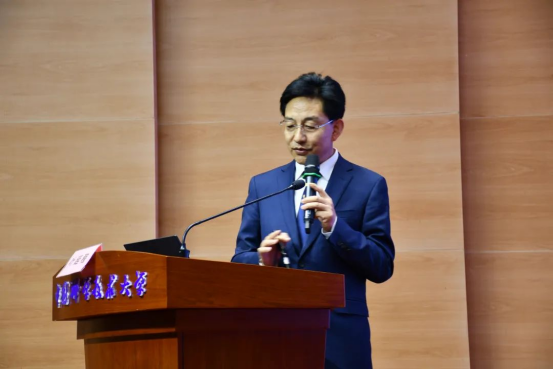
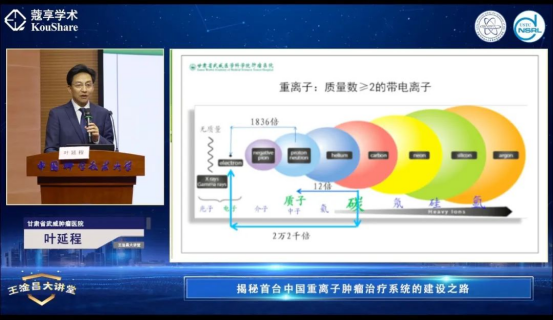
Professor Ye Yancheng gave a special presentation titled "Unveiling the Construction Journey of the First Heavy Ion Tumor Treatment System in China."
Wang Ganchang, a renowned nuclear physicist and academician of the Chinese Academy of Sciences, was one of the key scientific and technological leaders in China's nuclear weapons development. He was a pioneer in nuclear weapons research and testing, and played a guiding and participatory role in the development of China's atomic and hydrogen bombs during his tenure in nuclear weapons development. The "Wang Ganchang Lecture Hall" serves as an important academic exchange platform in the field of nuclear science and technology, inviting renowned experts and scholars from both domestic and international backgrounds to give special lectures. The lectures cover topics such as accelerator science, plasma physics, nuclear energy science and engineering, nuclear technology and applications, providing insights into the development of these fields. Distinguished academicians such as Academician Zhao Zhentang from the Shanghai Advanced Research Institute of the Chinese Academy of Sciences, Academician Luo Qi from the Chinese Academy of Engineering, Academician He Xiantu from the Chinese Academy of Engineering, and Academician Cai Ronggen from the Chinese Academy of Sciences have all given lectures at this lecture hall.
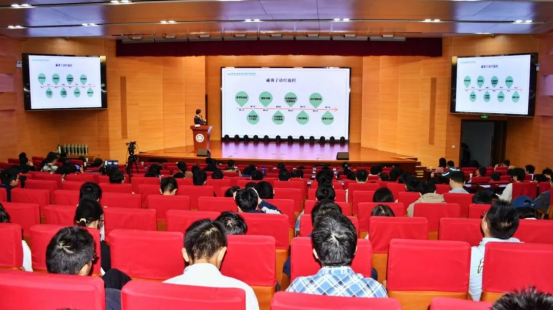
During the presentation, Professor Ye Yancheng shared in detail the numerous challenges and relentless efforts encountered by the hospital in the construction process of the heavy ion system, as well as the valuable experiences and remarkable achievements in clinical applications. Through vivid examples and comprehensive data, he demonstrated to the attendees the precision, effectiveness, and safety of the heavy ion treatment system in cancer therapy. This presentation provided important references and insights to further advance the development of heavy ion technology in the field of oncology.
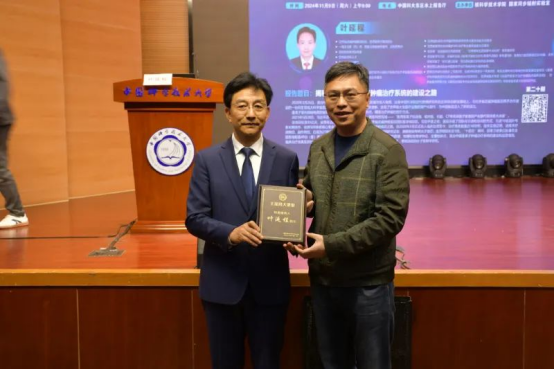
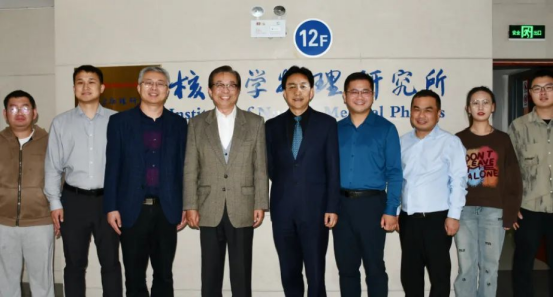
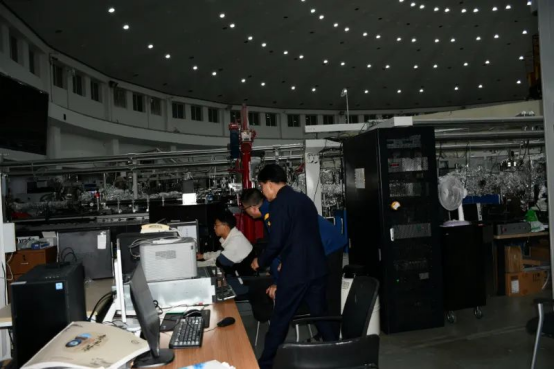
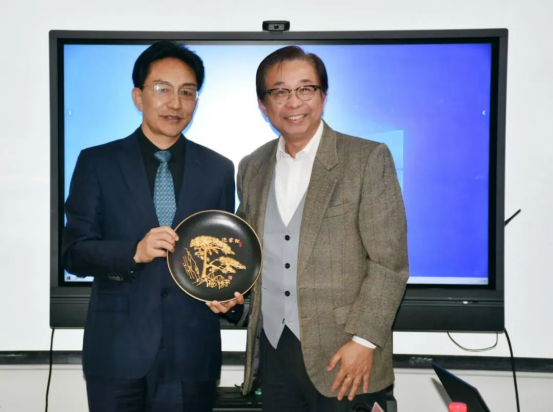
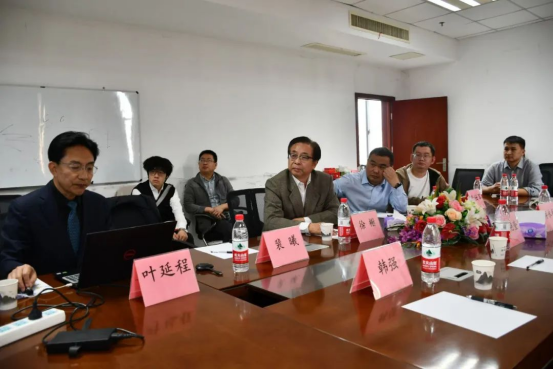
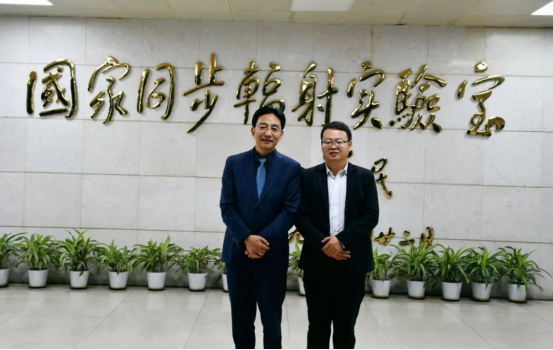
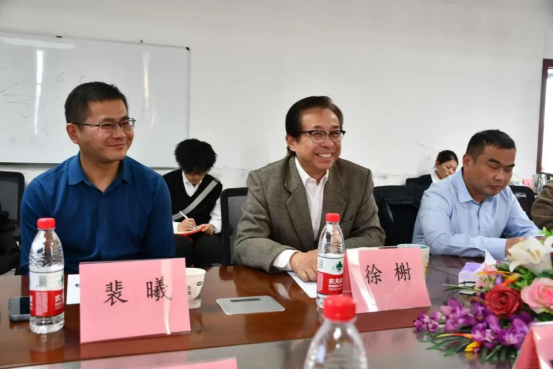
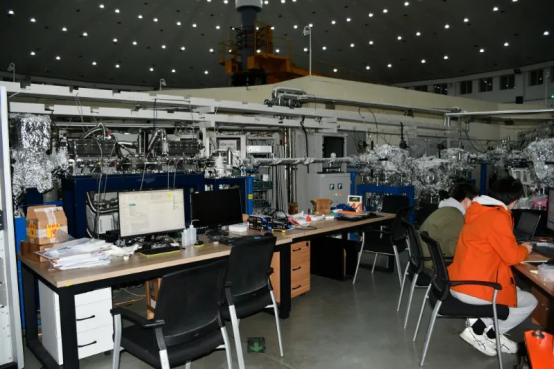
On November 8th, Director Ye Yancheng, along with Professor Xu Xie, Director of the Institute of Nuclear Medicine Physics at the University of Science and Technology of China, and their team, held a discussion at the conference room of the Science and Technology Experimental Building in the West Campus of USTC. The discussion focused on the application prospects of nuclear medicine in cancer diagnosis and treatment, as well as collaboration models. They also visited the synchrotron light source at the National Synchrotron Radiation Laboratory.
Heavy ion therapy is the most advanced cancer treatment technology in the world in the 21st century, suitable for over 50 types of solid tumors in the body, such as gliomas, lung cancer, liver cancer, and pancreatic cancer, for patients who are not suitable or unwilling to undergo surgical resection. It can also be used for patients with tumors that have been ineffective with traditional methods, with significant advantages such as minimal side effects, significant efficacy, and no apparent pain. Since its official clinical application in March 2020, the Wuwei Heavy Ion Center has treated nearly 1600 patients, including patients from all provinces and cities in China, as well as from countries such as Taiwan, Hong Kong, Macao, Belgium, and Australia.
This presentation not only showcased China's innovation and progress in the field of heavy ion therapy but also demonstrated the relentless efforts of Chinese scientists and healthcare workers in promoting medical technological innovation. In the future, the hospital will actively strengthen comprehensive cooperation with the School of Nuclear Science and Technology at the University of Science and Technology of China and the National Synchrotron Radiation Laboratory to achieve more breakthroughs in the field of nuclear medicine, injecting new vitality into the development and application of nuclear science and technology in China.