Authoritative Dietary Guidelines: Eating Healthy Is Really This Simple
Authoritative Dietary Guidelines: Eating Healthy Is Really This Simple
"Doctor, my blood pressure is high again. Is the medicine not working?" Aunt Li, 55 years old, looked worriedly at her medical report. The doctor shook his head after reviewing her diet record: "The problem isn't the medicine, it's the salt jar and the braised pork on your dining table." Does this scenario sound familiar? We often place our hopes for health on medication, overlooking the most fundamental aspect—"eating." In truth, a reasonable diet isn't about strict dieting or calculating to the last decimal point; it's about integrating science into the daily routine of our three meals. Today, let's break down the "Dietary Guidelines for Chinese Residents" into practical, home-style wisdom you can use immediately.

I. Remember 8 Core Principles: Eating Right Matters More Than Eating Expensive
The core of the dietary guidelines released by the Chinese Nutrition Society is these 8 principles. Don't be intimidated; each one holds a key to reducing your risk of illness.
1.Food Variety: Aim for 12 types daily, 25 types weekly "I just eat rice and vegetables every day, isn't that healthy enough?" Wrong! No single food provides all the nutrients we need. But don't worry, it's easier than you think—a bowl of multigrain porridge for breakfast (rice + beans + dates = 3 types), one meat dish, one vegetable dish, and a staple for lunch (meat + vegetable + rice = 3 types), plus a soup and a cold dish for dinner, easily meeting the target of 12 types a day.
2.Balance Eating and Physical Activity: Good Health Isn't Just About DietWeight management boils down to "energy balance." If you think you have no time for exercise, just 30 minutes of moderate-intensity activity, 5 days a week, is sufficient—a brisk walk after dinner, playing shuttlecock with the kids on weekends, or even moving more while doing chores can help burn extra calories. Remember to get up and move for 5 minutes after every hour of sitting.
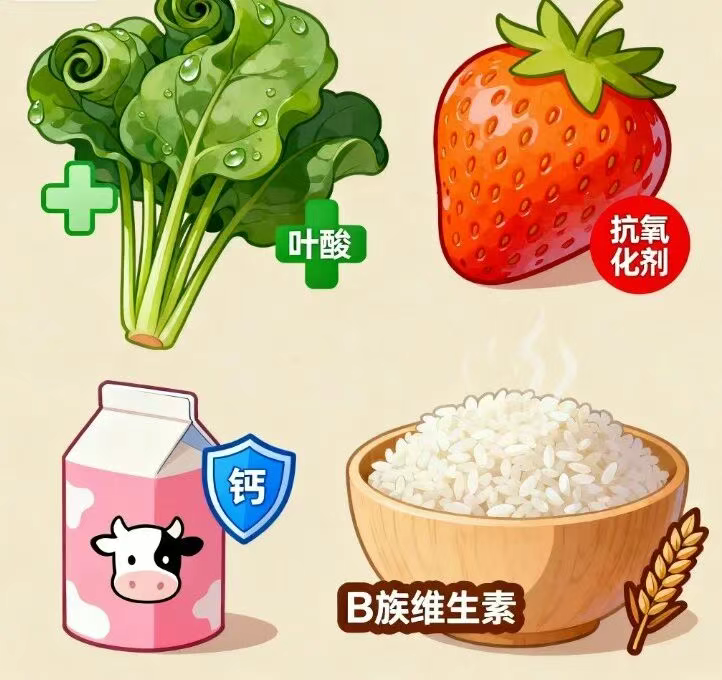
3.Eat More of These "Gold Standard Foods": Vegetables, Fruits, Dairy, Whole Grains, SoybeansThese foods are natural "nutritional supplements," each with its own strengths:
• Vegetables: Have them with every meal, aiming for 300-500 grams daily (about two handfuls). Dark-colored vegetables (spinach, broccoli, purple cabbage) should make up half, as they are richer in vitamins910.•Fruits: 1-2 servings daily (200-350 grams). Don't replace whole fruit with juice—juicing removes dietary fiber and causes a quicker blood sugar spike.
• Dairy: A glass of milk or yogurt daily (300-500 ml) is an excellent choice for calcium, especially important for the elderly and children910.
• Whole Grains: Substitute oats, brown rice, or quinoa for one-third of your refined grains (like white rice). They are higher in dietary fiber, keep you full longer, and help with weight control.
4.Choose Quality Protein Wisely: Prioritize Fish, Poultry, Eggs; Red Meat in ModerationProtein is the body's "building material," but the wrong choices can harm your health. Remember this order: Fish > Poultry > Eggs > Lean Meat. Eat fish twice a week (totaling 300-500g), one egg daily (the yolk is highly nutritious, don't discard it!), and limit fatty meat and processed meats like sausages and cured meats.
5.Less Salt, Less Oil, Limit Sugar: Beware of These "Hidden Hazards"High blood pressure and diabetes are often linked to excessive salt, oil, and sugar intake—precisely Aunt Li's issue. Remember these numbers910:
• Salt: No more than 5 grams per day (about one beer bottle cap's worth). Soy sauce, oyster sauce, and pickles contain "hidden salt." Use less salt when cooking; adding a sprinkle just before serving can enhance flavor.
• Oil: 25-30 grams daily (2-3 tablespoons). Opt for steaming, boiling, or cold-tossed dishes more often; pan-fry and deep-fry less. A measured oil spoon in the kitchen helps.
• Sugar: No more than 25 grams daily (6 teaspoons). Sugar-sweetened beverages are a major source—a single bottle of cola can exceed the limit. Water or light tea are healthier choices.
• Alcohol: Pregnant women and children should avoid alcohol. Adults should limit daily alcohol intake to no more than 15 grams (roughly a small glass of wine).
6.Eat Regularly & Hydrate Adequately: Don't Neglect the BasicsSkipping breakfast or drinking only when thirsty are bad habits that undermine health. Always eat breakfast to kickstart your metabolism. Drink 1500-1700 ml (7-8 cups) of water throughout the day; don't wait until you're thirsty. Plain water and light tea are best.
7.Choose Wisely, Read Labels: Check the Nutrition Facts When ShoppingWhen buying packaged foods, don't just check the expiry date; always glance at the nutrition label—high sodium content (e.g., over 600mg per 100g) can easily lead to excess. Avoid products where added sugars are listed among the first few ingredients. Prioritize fresh ingredients and avoid wild animals.
8.Use Serving Chopsticks/Share Meals: Hygienic, Portion-Controlled, and Reduces WasteUse serving chopsticks and spoons during shared meals. This helps prevent the spread of bacteria like H. pylori and avoids unintentional overeating. Prepare meals according to need, store leftovers properly, and avoid waste.
II. Two Practical Tools: Even Beginners Can Plate Perfectly
Worried about remembering the principles? These two "visual tools" make it easy to see how to eat.

1.The Balanced Diet Pagoda: Your Daily Intake GuideThink of it like building a house. The pagoda has layers, from bottom to top79:
• Base (Energy Foundation): Grains & Tubers: 200-300g (e.g., a bowl of rice + a sweet potato).
• Second Layer (Vitamin Warehouse): Vegetables: 300-500g + Fruits: 200-350g.
• Third Layer (Protein Core): Poultry/Meat: 40-75g + Fish/Shrimp: 40-75g + 1 Egg.
• Fourth Layer (Nutrition Boost): Milk/Dairy: 300-500ml + Soybeans/Nuts: 25-35g.
• Top (Strictly Limit): Oil: 25-30g + Salt: <5g.
2.My Plate: How to Build Each Meal When plating your meal, visualize your plate divided:
• Half the space for vegetables (leafy greens, with colorful veggies).
• One quarter for quality protein (fish, chicken breast, tofu, etc.).
• One quarter for whole grains (brown rice, oats).•Add a glass of milk or yogurt on the side. Perfect!
III. Tailored Advice for Different Groups
1.Different family members have different needs. Keep this tailored advice handy

Infants & Young Children: Exclusive breastfeeding for the first 6 months. Start iron-fortified rice cereal and liver puree at 6 months to prevent deficiency.
• Children & Adolescents: A glass of milk daily. Eat more eggs and fish/shrimp. Limit spicy strips and sugary drinks to support growth.
• Pregnant/Breastfeeding Women: Eat more lean meat, animal liver, and dark green vegetables for iron and folic acid. Eating liver 1-2 times weekly (20-50g each time) is beneficial.
• Older Adults: Cook food until soft (e.g., porridge, tender tofu). Ensure adequate quality protein daily to prevent muscle loss.
• People with Chronic Conditions: Strict salt control for hypertension; controlled staple food intake for diabetes. Always follow doctor's advice for a customized diet plan.
IV. 4 Final Tips for Building Healthy Eating Habits habits
• Shift Your Mindset: Move from "eating until full" to "eating for nutrition." Flavor is important, but health is paramount.
• Consistency is Key: Don't expect results from three days of healthy eating. Stick with it for three months, and you'll notice a difference in your complexion and energy.
• Enjoy the Process: Learn to make steamed fish, cold-tossed salads. Enjoy meals with family. Health can be delicious.
• Don't Believe Quick Fixes: Avoid being misled by "fad diets" or "miracle health secrets." Scientific eating is the true foundation.