Tobacco Use Disorder Is an Addictive Disease
Tobacco Use Disorder Is an Addictive Disease
Quitting Smoking Is Not Just a Test of Willpower! The Truths Most People Miss.
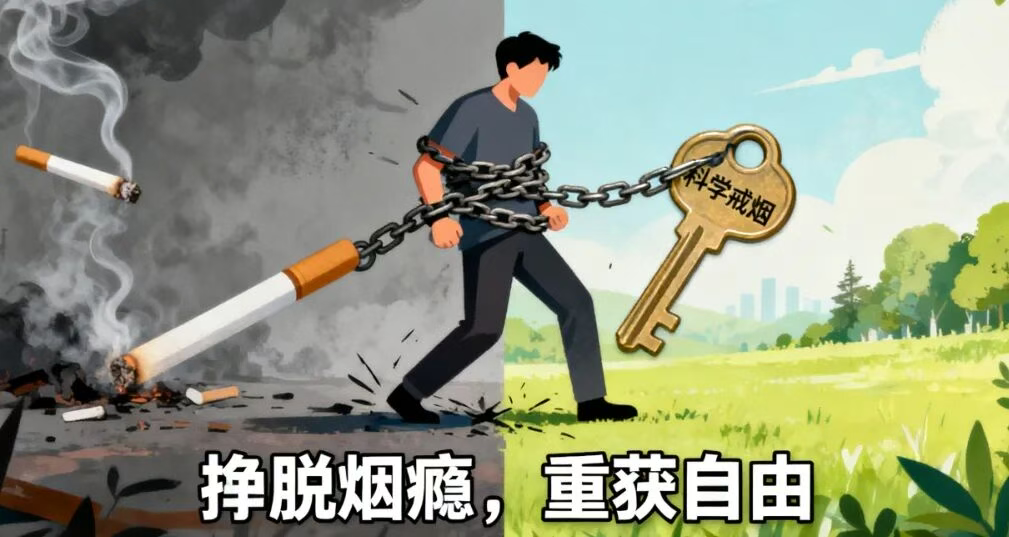
Have you ever thought, "I've relapsed, so I'm a hopeless case," or "I don't need help to quit"? These are widespread myths about smoking cessation. Today, we're setting the record straight with 4 key truths that can completely change your approach to quitting.
1. The Key Mindset Shift: Treat the Disease, Don't Just Fight the Craving.
If you think quitting is just about willpower, think again. It's a treated medical condition. The WHO defines tobacco addiction as a disease. Nicotine hijacks your brain's reward system. Over time, your brain gets hardwired to need cigarettes, sending a powerful "smoke now!" signal as strong as hunger or thirst. You can't just "tough out" this rewired brain circuitry. Trying to do so often triggers tough withdrawal symptoms like irritability and insomnia, making quitting harder. Seeing it as treating a disease is your first step to success.
2.Leverage Professional Aid: Make a Cessation Clinic Your Shortcut to Success

The success rate of quitting "cold turkey" on your own is less than 5%. However, with professional support, the success rate can increase by 3 to 5 times. A smoking cessation clinic is your dedicated ally in this journey.
Our cessation clinics provide core support in three key areas:
Personalized Assessment: Doctors will conduct a detailed review of your smoking history (e.g., number of cigarettes per day, years smoked) and overall health (including existing conditions) to determine the severity of your nicotine dependence.
Tailored Treatment Plans: Moving beyond a one-size-fits-all approach, they create a comprehensive, individualized plan for you. This can combine counseling, behavioral interventions, and, when necessary, medically supervised and safe medication.
Continuous Support & Follow-up: From your first quit day through long-term relapse prevention, clinicians provide ongoing guidance. They help you manage withdrawal symptoms and navigate triggering situations (like after meals or during stress), supporting you until you are completely free from addiction.
3. Scientific Cessation: 3 Methods More Effective Than "White-Knuckling It"
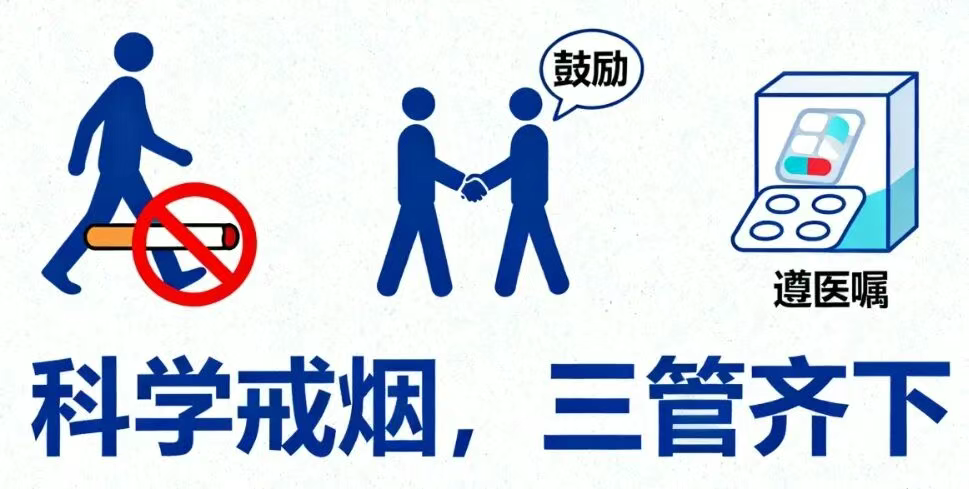
Effective quitting is a process of gradually breaking dependence through proven scientific methods, not just abruptly stopping through willpower alone. Here are three common and effective approaches:
Behavioral Interventions: Change habits and routines linked to smoking. For example, take a walk after meals instead of having a cigarette, chew sugar-free gum, or avoid spending time alone with friends who smoke.
Psychological Support: Encouragement from family and friends is vital. Joining a support group to share experiences and strategies with others on the same journey can also significantly help manage the anxiety of quitting.
Pharmacological Aids: For people with moderate to severe nicotine addiction, doctors can prescribe medications (such as Nicotine Replacement Therapy) to ease withdrawal symptoms and reduce relapse rates. These should only be used under medical guidance and not be purchased independently.
4. Key Reminder: Don't Confuse "Quitting's Effects" with the Real Danger – Which is "Not Quitting"
Some people claim that "quitting smoking leads to weight gain or illness." In reality, these are not "harms of quitting," but rather the body's normal adjustments:
•A slight weight gain after quitting often occurs because senses of taste and smell improve, leading to a better appetite. This can be managed with a balanced diet and moderate exercise.
•Some individuals may experience temporary coughing with more phlegm. This is actually a sign of the lungs clearing out accumulated tar and toxins—a positive signal of recovery.
The real danger is continuing to smoke. Long-term smoking leads to lung cancer, chronic bronchitis, hypertension, coronary heart disease, and also exposes family members to secondhand smoke, increasing children's risk of respiratory illnesses.
•The later you quit, the more severe the damage to your body.
•The earlier you quit, the faster your health recovers.•Quitting before age 30 can allow your life expectancy to approach that of a non-smoker.•Even quitting at age 50 can cut your risk of dying from smoking-related cancers in half.
Quitting smoking is not about "enduring solitary hardship." It's about having professional support to help you complete the journey. If you or a loved one is struggling with tobacco dependence, take action starting today:
- Our Hospital's Smoking Cessation Clinic
- Address: Room 309, 3rd Floor, Outpatient Department, Main Hospital of Gansu Wuwei Cancer Hospital
Department of Respiratory and Critical Care Medicine II, Gansu Wuwei Cancer Hospital
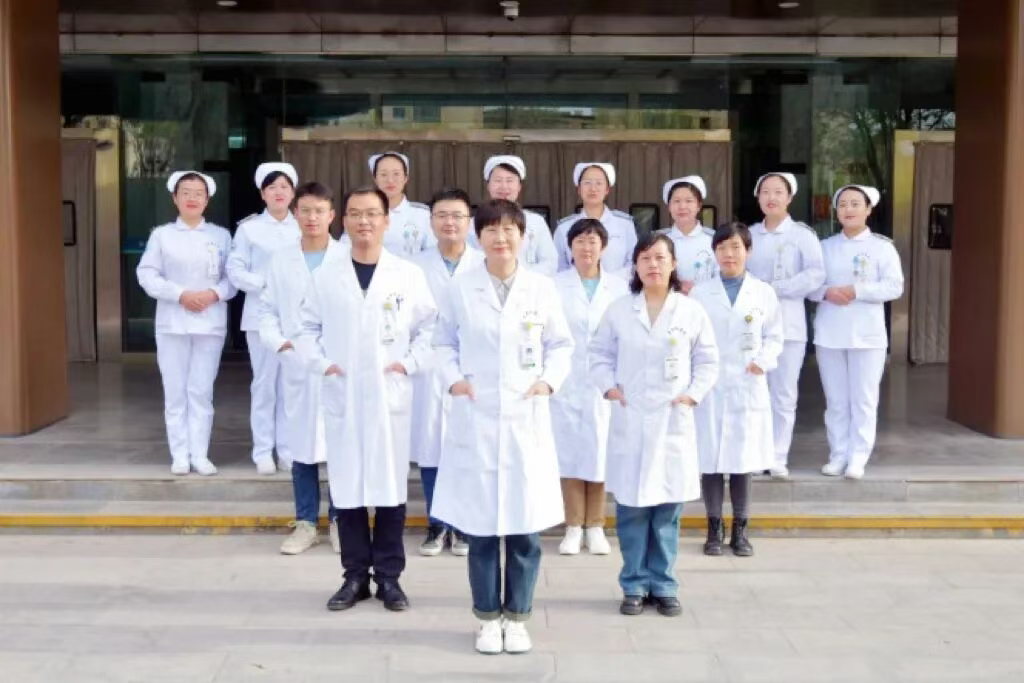
The Department of Respiratory and Critical Care Medicine II at Gansu Wuwei Cancer Hospital is a provincial-level key discipline integrating clinical practice, teaching, and research. It is a nationally certified PCCM (Pulmonary and Critical Care Medicine) unit for tertiary hospitals, and also serves as an early diagnosis and treatment center for lung cancer and pulmonary nodules under the China Lung Cancer Alliance.
The department currently has 20 healthcare professionals, including:
•1 Chief Physician
•1 Associate Chief Physician
•2 Associate Chief Nurses
•3 Attending Physicians
•2 Resident PhysiciansAmong them, 3 hold Master's degrees.
The department manages inpatient wards, outpatient clinics, and performs diagnostic and therapeutic procedures via respiratory endoscopy. It has implemented numerous modern diagnostic and treatment technologies, achieving leading provincial and advanced national standards in its level of care.
Scope of Services:
The department diagnoses and treats a wide range of conditions, including:
•Chronic Bronchitis
•Lung Infections
•Chronic Obstructive Pulmonary Disease (COPD)
•Chronic Cor Pulmonale
•Bronchial Asthma
•Bronchiectasis
•Pulmonary Embolism
•Pneumothorax
•Pleural Effusion
•Respiratory Failure
•Hemoptysis
•Malignant Lung Tumors
Advanced Technologies:
The department utilizes advanced diagnostic and therapeutic techniques, such as:
•Painless Electronic Bronchoscopy
•Endobronchial Ultrasound (EBUS)-Guided Diagnosis and Therapy
•Rigid Bronchoscopy
•Medical Thoracoscopy
•CT-Guided Percutaneous Biopsy
•Radiofrequency Ablation
•Radioactive Seed Implantation (Brachytherapy)
•Genetic Testing and Molecular Diagnosis
•Artificial Intelligence (AI) Analysis for Pulmonary Nodules
Location:
Central Campus, Gansu Wuwei Medical Science Academy
- (Department of Respiratory and Critical Care Medicine II: Outpatient Room 309, 5th Floor, Inpatient Building)
Preliminary Review: Zhang Jie
Final Review: Ma Shuqian