Unbearable Fatigue – Cancer-Related Fatigue
Unbearable Fatigue – Cancer-Related Fatigue
There is a group of people whose weariness and drowsiness cannot be relieved by sleeping or resting. It is not that they want to be lazy, but that they are truly unable to do as they wish. This group consists of cancer patients, and this sense of powerlessness is often caused by the cancer itself or related treatments, and cannot be alleviated through rest or sleep.
What is "Cancer-Related Fatigue"?
Cancer-related fatigue, also known as cancer-associated fatigue, is a distressing, persistent subjective feeling of physical, emotional, and/or cognitive tiredness or sense of energy exhaustion caused by the tumor or anti-tumor treatment, which interferes with daily life and functioning.
The Hazards of "Cancer-Related Fatigue"
The hazards of cancer-related fatigue include decreased physical function, worsened psychological state, reduced quality of life, weakened treatment tolerance, and increased risk of disease progression, among others. Cancer-related fatigue can cause severe physical exhaustion in patients, making daily activities such as walking and climbing stairs extremely difficult. Patients suffering long-term from cancer-related fatigue are prone to anxiety and cannot rest peacefully to recuperate. Due to the persistent feeling of fatigue, patients cannot participate normally in social activities, impacting interpersonal relationships. Cancer-related fatigue can make it difficult for patients' bodies to withstand the side effects of treatment, forcing them to interrupt or adjust treatment plans, which affects therapeutic outcomes. Fatigue leads to impaired immune function, increasing the risk of disease progression and recurrence.
Intervention Measures for "Cancer-Related Fatigue"
- Non-Pharmacological Interventions:
(1) Health Education: Medical staff need to educate patients and their families about cancer-related fatigue, encourage patients to actively participate in self-management, and improve their coping abilities.
(2) Physical Exercise: Aerobic exercise can relieve muscle tension and mental depression, and improve cardiopulmonary function.
(3) Psychological Support: Alleviate negative emotions such as anxiety and depression through psychological counseling, cognitive behavioral therapy, etc., to enhance treatment confidence.
(4) Sleep Therapy: Maintain regular sleep patterns, avoid using electronic devices before bed, and create a quiet sleep environment. Drinking warm milk can aid sleep; avoid staying up late.
(5) Nutritional Management: A diet high in protein and vitamins (such as fish soup, hawthorn, tomatoes) helps improve appetite and nutritional status. If necessary, eat small, frequent meals or receive intravenous nutritional supplementation.
Pharmacological Interventions:
(1) Western Medicine Treatment:① Correcting Anemia: Ferrous sulfate, Erythropoietin.② Antidepressants/Anti-anxiety: Sertraline, Fluoxetine.③ Correcting Metabolic Disorders or Endocrine Abnormalities: Electrolyte supplements (e.g., Potassium chloride), Thyroid hormone replacement drugs (e.g., Levothyroxine).④ Treating Chronic Inflammation or Cachexia: Corticosteroids (e.g., Dexamethasone, short-term use), Progestins (e.g., Megestrol acetate).
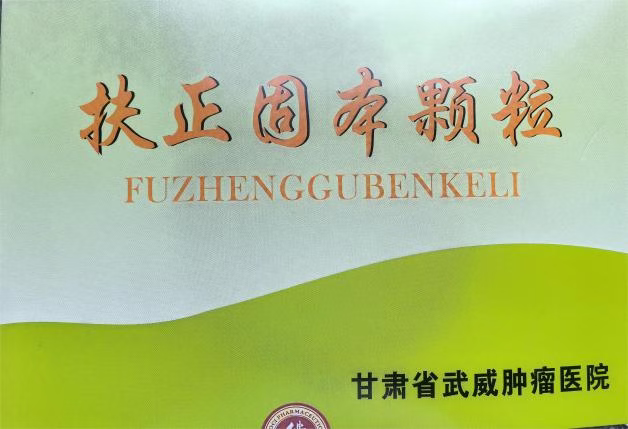
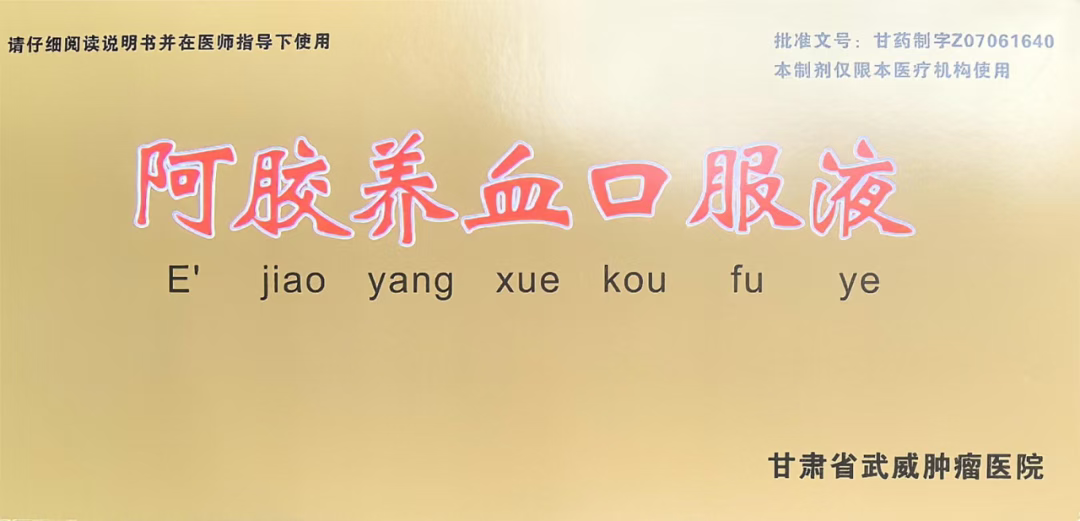
(2) Traditional Chinese Medicine Treatment: Select appropriate TCM formulas based on pattern differentiation.① Qi and Blood Deficiency Pattern: Symptoms: Mental fatigue, lack of strength, shortness of breath, reluctance to speak, pale or sallow complexion, dizziness, blurred vision, palpitations, insomnia, poor memory, pale lips and nails, pale tongue with tender texture, weak or thin pulse. Treatment Method: Boost qi and nourish blood, support the healthy qi and tonify deficiency. Prescription: Modified Guipi Tang; Chinese Patent Medicines: Shengxuebao Mixture, Compound Ejiao Jiang, Ejiao Yangxue Oral Liquid.② Qi and Yin Deficiency Pattern: Symptoms: Mental fatigue, lack of strength, shortness of breath, reluctance to speak, palpitations, heart palpitations, sweating upon slight activity, accompanied by dry throat and mouth, tidal fever, night sweats, scanty dark urine, dry stools, tender red tongue with tooth marks on the edges, scant dry tongue coating, thin weak pulse, etc. Treatment Method: Boost qi and nourish yin, support the healthy qi and consolidate the root. Prescription: Shenqi Dihuang Tang; Chinese Patent Medicine: Zhenqi Fuzheng Oral Liquid.③ Spleen and Kidney Yang Deficiency Pattern: Symptoms: Mental fatigue, lack of strength, shortness of breath, reluctance to speak, soreness and weakness in the lower back, cold pain in the umbilical and abdominal area relieved by warmth, chronic diarrhea or early morning diarrhea, undigested food in stool, edema, oliguria, pale swollen tongue, white slippery coating, slow weak pulse, etc. Treatment Method: Warm yang and fortify the spleen, tonify the kidney and support the healthy qi. Prescription: Modified Guben Peiyuan Fang; Chinese Patent Medicines: Fuzheng Guben Granules, Bawei Shenqi Wan.④ Lung and Spleen Qi Deficiency Pattern: Symptoms: Mental fatigue, lack of strength, poor appetite, abdominal distension, loose stools, persistent cough, shortness of breath, expectoration of clear thin phlegm, low voice, reluctance to speak, mental fatigue, lack of strength, pale complexion, pale tongue, white slippery coating, weak pulse, etc. Treatment Method: Boost qi and fortify the spleen, protect the lung and tonify deficiency. Prescription: Modified Shenling Baizhu San; Chinese Patent Medicine: Shenling Baizhu San.⑤ Kidney Deficiency & Healthy Qi Impairment, Stagnant Toxin & Stasis Pattern: Symptoms: Mental fatigue, lack of strength, pain and discomfort from nodules and accumulations, soreness and weakness in the lower back and knees, dizziness, tinnitus, spontaneous sweating, night sweats, irritability, insomnia, poor memory, etc., pale red or dull purple tongue with petechiae, thin white or scant coating, thin rapid or deep stringlike pulse. Treatment Method: Tonify the kidney and support the healthy qi, dispel stasis and dissipate masses, resolve toxin and relieve pain. Recommended Prescription: Modified Yishen Gukang Fang; Chinese Patent Medicines: Yishen Qutong Granules, Dahuang Zhechong Wan.
Introduction to Integrated Chinese & Western Medicine Department / TCM Oncology Specialty
The Integrated Chinese and Western Medicine Department of Gansu Wuwei Cancer Hospital is a key TCM specialty and an advantageous TCM specialty in Wuwei City. The TCM Oncology Specialty is the largest TCM oncology specialty in Wuwei City. The department has 5 TCM characteristic outpatient clinics and 1 inpatient ward. The department currently has 20 medical staff, including 1 chief physician, 2 associate chief physicians, 4 attending physicians, 1 resident physician, 3 master's degree holders, 1 renowned TCM physician of Wuwei City, and 8 direct disciples of Professor Pei Zhengxue, a renowned integrated Chinese and Western medicine expert and nationally famous veteran TCM practitioner; 12 nursing staff. The department focuses on the integrated Chinese and Western medicine treatment of tumors, spleen and stomach diseases, rheumatic immune diseases, skin diseases, and neck, shoulder, back, and leg pain, among others. Adhering to the concept of integrated Chinese and Western medicine in treating tumors, the department applies the systematic health management system of "Comprehensive Rehabilitation Management for Tumor Patients Throughout the Entire Life Cycle". It leverages the advantages of TCM in reducing toxicity and enhancing efficacy throughout the entire process of treatment, including pre- and post-surgery, heavy ion therapy, radiotherapy, chemotherapy, targeted therapy, and immunotherapy, to maximize the improvement of patients' quality of life, prolong survival, and reduce the risk of recurrence and metastasis. The TCM appropriate techniques carried out by the department include acupuncture, electroacupuncture, wax therapy, moxibustion, long snake moxibustion, indirect moxibustion, herbal fumigation and washing, cupping, guasha, external high-frequency thermotherapy, cervical and lumbar traction, tuina massage, acupoint catgut embedding, acupoint application, acupoint injection, ear apex bloodletting, auricular acupressure, block therapy, foot baths, bloodletting therapy, Sanfu Application, and Sanjiu Application therapies. To facilitate patient visits, our department's outpatient clinics and inpatient wards operate year-round without closure. If you experience any discomfort, you can come to our department for consultation.
Location for Consultation: Room 306, Outpatient Building, or 2nd Floor, TCM Building, Gansu Wuwei Cancer Hospital (Main Campus).