
There is a type of "fever" that could be the first warning sign of a hematologic malignancy! Don't just treat it as a common cold!
Dear fellow "fever enthusiasts," today we're not talking about music, but a kind of "heat" that requires high vigilance – the kind that comes back again and again, is unexplained, and just won't leave you alone. I am a hematologist, dealing with the body's core "transportation system" – the blood. Today, I want to remind you: fever isn't always the "patent" of the common cold; sometimes, it can be the first "warning messenger" sent by the "mastermind" behind the scenes – hematologic malignancies!
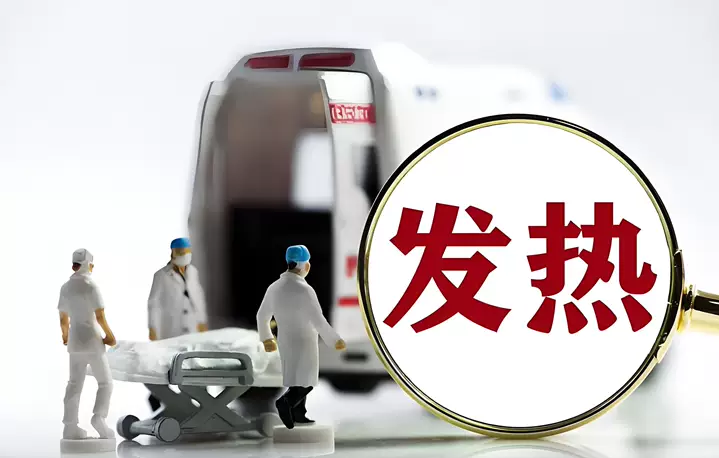
Fever is actually the body's "signal fire beacon."
Normally, when we have a fever, it's our immune system "mobilizing troops" to fight off invading viruses or bacteria. It's like lighting the beacon fire when enemies approach the border; the army gathers, fights a tough battle, the fever breaks, and peace is restored.
But the fever caused by hematologic malignancies (such as leukemia, lymphoma, myeloma, hemophagocytic syndrome) is a bit different. It's more like:
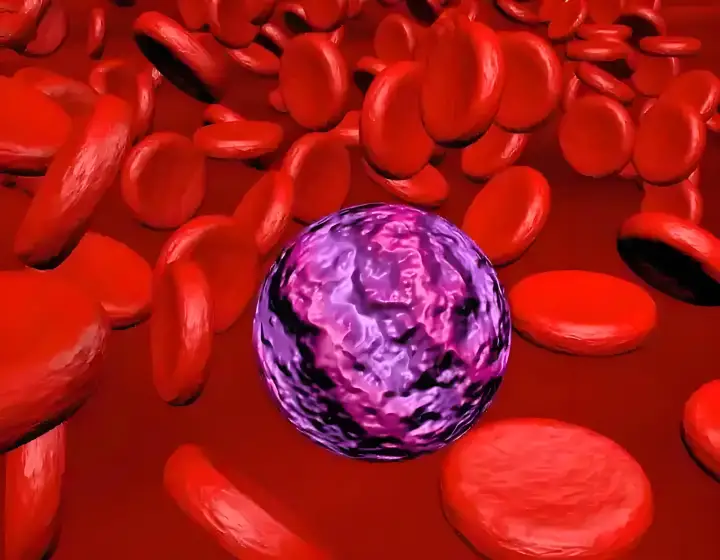
01 The "Rebellion in the Palace" Type (Leukemia):
Inside your bone marrow, the "blood-forming palace," which should be producing mature, useful white blood cell "imperial guards," a group of immature "rebel tumor cells" multiplies uncontrollably, crowding out the living space of normal cells. This leads to a sharp decrease in the number of true "imperial guards" (normal white blood cells), leaving the national defense weak. At this point, any external bacteria or virus can invade easily, causing infection and fever. What's more, those "rebels" themselves sometimes release pyrogenic substances, directly "lighting the signal fire" – this is called "tumor fever."
02 The "Spy Organization" Type (Lymphoma):
The lymphatic system is our body's "patrol and security system." Lymphoma cells are like "spies" lurking everywhere. They gather to form masses and also "cause trouble," secreting various cytokines that directly raise the body's central temperature set point, causing persistent fever. This kind of fever often comes and goes unpredictably, with no clear pattern.
So, what kind of fever should set off the alarm?
Of course, 99% of fevers are still due to common infections. But if your fever or that of a family member follows the following "plot," it's worth coming to our hematology department for an "investigation":
• The "Stubborn and Persistent" Type: Fever comes and goes repeatedly for over two weeks. Antibiotics and antiviral drugs don't work well, like a piece of tough, chewy gum you can't get rid of.
• The "Elusive" Type: No clear source of infection can be found. You're not coughing or have a runny nose (lungs are fine), no diarrhea (digestive system is fine), no frequent or urgent urination (urinary system is fine), but you're burning up for no apparent reason.
• The "Combo Service" Type: The fever comes with other suspicious symptoms, such as:
Night sweats: Drenching your pajamas and sheets at night, not just simple "feeling hot."
Unexplained weight loss: Weight "plummets" without dieting.
Persistent fatigue: Feeling completely drained, with fatigue that just won't go away.
Swollen lymph nodes: Painless "small lumps" appear in the neck, armpits, or groin.
Bleeding tendency: Easily developing bruises, bleeding gums, or nosebleeds.
Doctor, what should I do?
Don't panic! If you notice the above, the correct steps are:

Don't Play "Doctor Yourself": Don't immediately start taking antibiotics or fever reducers on your own. This is like turning off the fire alarm when your house is on fire – pure self-deception.
Find the Right "Scouts": First, go to a regular hospital's internal medicine or general practice department for the most basic, yet crucial test – a complete blood count (CBC). This report, in the eyes of us hematologists, is like "internal intelligence," capable of detecting abnormalities in white blood cells, red blood cells, and platelets right away.
Trust the "Professional Detectives": If the CBC suggests abnormalities, or if the symptoms are very typical, the doctor will recommend you report to our hematology department. We might initiate more in-depth "investigation procedures," such as bone marrow aspiration, lymph node biopsy, etc., to finally identify the "culprit."
In summary: Fever is the body's alarm. We shouldn't ignore any "false alarm." Especially when this alarm becomes strange, persistent, and accompanied by other suspicious signals, please remember that besides the respiratory department and infectious disease department, there's also a place called hematology that specializes in handling this kind of "difficult and mysterious fever."
Remember: The vast majority of fevers are false alarms, but maintaining this vigilance is like buying "great value insurance" for our own health!
Important Reminder
Don't be afraid of bone marrow aspiration and biopsy! This is a routine examination method for clinically suspected hematologic and lymphatic system diseases. It's just like when you have a cough, fever, and get pneumonia; the doctor uses a stethoscope and then asks you to get an X-ray, or even a CT or MRI scan. Hematology specialists are skilled, safe, and the procedure carries no risk! After the procedure, patients can get up and move around immediately, with no functional limitations or impact on mobility!
Oncology/Hematology Department
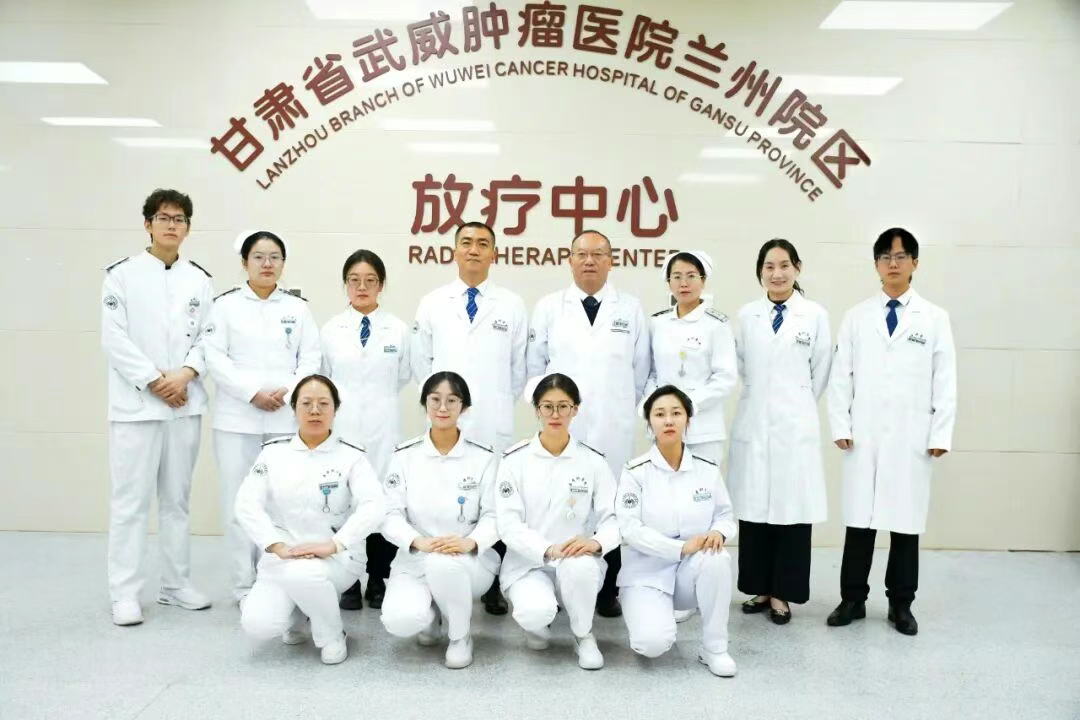
Professional Team
The department has an elite team of professional medical staff. Among the medical team, specially appointed experts Professor Bai Hai and Professor Pan Ming are both chief physicians and enjoy high reputations in the field. They possess profound academic knowledge and extensive clinical experience, providing a solid guarantee for the department's diagnostic and treatment standards. Simultaneously, the department is equipped with a complete and rational talent team, and continuously improves and refines its talent cultivation mechanisms to ensure high-quality, multi-level medical services for patients. The nursing team, with a high sense of responsibility and professional nursing skills, provides comprehensive and meticulous care for patients, ensuring their comfort and safety during treatment.
Scope of Diagnosis and Treatment
The department focuses on the precise diagnosis and treatment of various benign and malignant diseases of the hematopoietic system and solid tumors. It holds significant advantages particularly in handling refractory and relapsed hematologic diseases and solid tumor diseases. Key areas include hematopoietic system diseases such as leukemia, lymphoma, multiple myeloma, various types of anemia, etc., as well as medical oncology treatment for common solid tumors like lung cancer, gastric cancer, colorectal cancer, breast cancer, etc. Whether for common diseases or complex conditions, the department can provide accurate diagnosis and effective treatment plans leveraging professional medical technology and rich clinical experience.
Diagnostic and Treatment Technologies
• Diversified Treatment Methods: The department adopts internationally advanced treatment concepts and methods. Treatment modalities encompass chemotherapy, targeted therapy, immunotherapy, endocrine therapy, supportive care, cell therapy, and integrated traditional Chinese and Western medicine. Based on the patient's condition and physical state, personalized comprehensive treatment plans are developed to achieve the best therapeutic outcomes.
• Precise Diagnostic Techniques: Relying on the advanced MICM typing technologies of the Hematology Center Laboratory – including bone marrow morphology, bone marrow pathology, flow cytometry, and genetic testing – the department can perform precise diagnosis and typing of hematopoietic system diseases, providing a scientific basis for formulating personalized diagnosis and treatment plans. Through these advanced technologies, the patient's condition can be understood more accurately, enabling precise treatment and improving therapeutic efficacy.
• Laminar Airflow Ward Assurance: The department is equipped with laminar airflow wards, providing a safe and comfortable treatment environment for patients requiring high-level infection control, such as those undergoing high-dose chemotherapy or hematopoietic stem cell transplantation. These wards utilize advanced air purification technology to effectively reduce infection risks, offering strong support for patient treatment.