
Popular Science on Severe Conditions: Acute Severe Pancreatitis
Popular Science on Severe Conditions: Acute Severe Pancreatitis
Food lovers, feast enthusiasts.
Gaining a few pounds during the holidays, drinking, skewers, and hotpot.
The Spring Festival is approaching, and indulgence is almost inevitable.

But what if you end up with Acute Severe Pancreatitis?
Don’t worry, let me explain step by step...
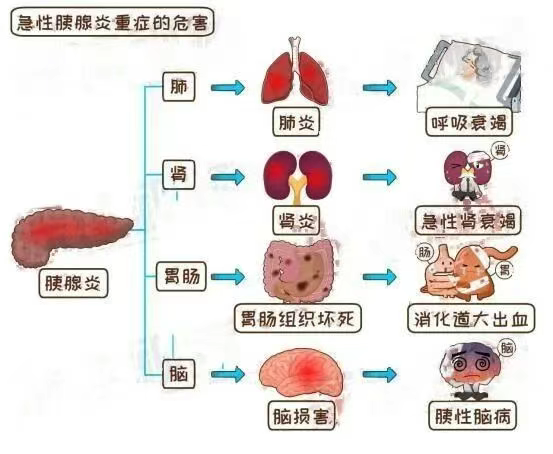
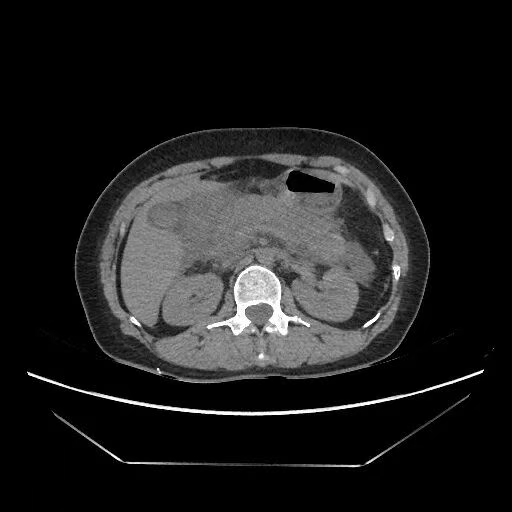
Acute pancreatitis is a disease primarily characterized by chemical inflammation due to the activation of pancreatic digestive enzymes within the pancreas, leading to self-digestion of the organ. Acute severe pancreatitis is often accompanied by organ dysfunction or local complications such as necrosis, abscess, or pseudocyst formation. If organ dysfunction persists despite medical treatment within 72 hours of onset, it may be considered fulminant pancreatitis, which has a high mortality rate.
Pancreatitis is mostly triggered by overeating, excessive alcohol consumption, pancreatic duct obstruction, gallstones, biliary tract infections, surgery, or trauma. Poorly controlled long-term hyperlipidemia and hypertension can also induce pancreatitis.
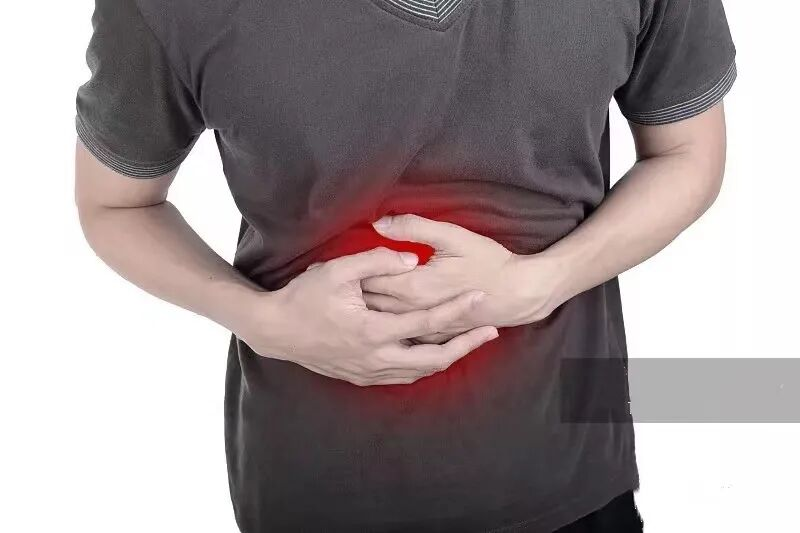
The typical symptoms of acute pancreatitis include acute, persistent, severe upper abdominal pain that often radiates to the back, accompanied by abdominal distension, nausea, and vomiting. The pain does not alleviate after vomiting. Some patients may show signs of shock, such as tachycardia, low blood pressure, and reduced urine output. Severe dehydration or elderly patients may experience altered mental status.
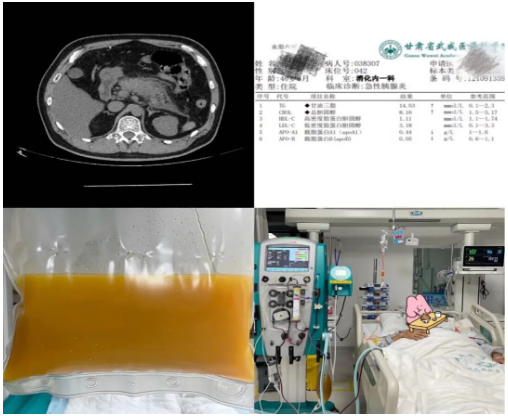
Case 1: Xie, male, 40 years old, height 170 cm, weight 80 kg. Admitted to the emergency department with abdominal pain for 7 hours after alcohol consumption and intake of greasy food. After completing relevant tests and examinations, the current diagnosis is "Hyperlipidemic Acute Pancreatitis". The patient's condition improved after 3 days of comprehensive treatment in the Intensive Care Unit (ICU) and was then transferred to the Gastroenterology Department for continued treatment.
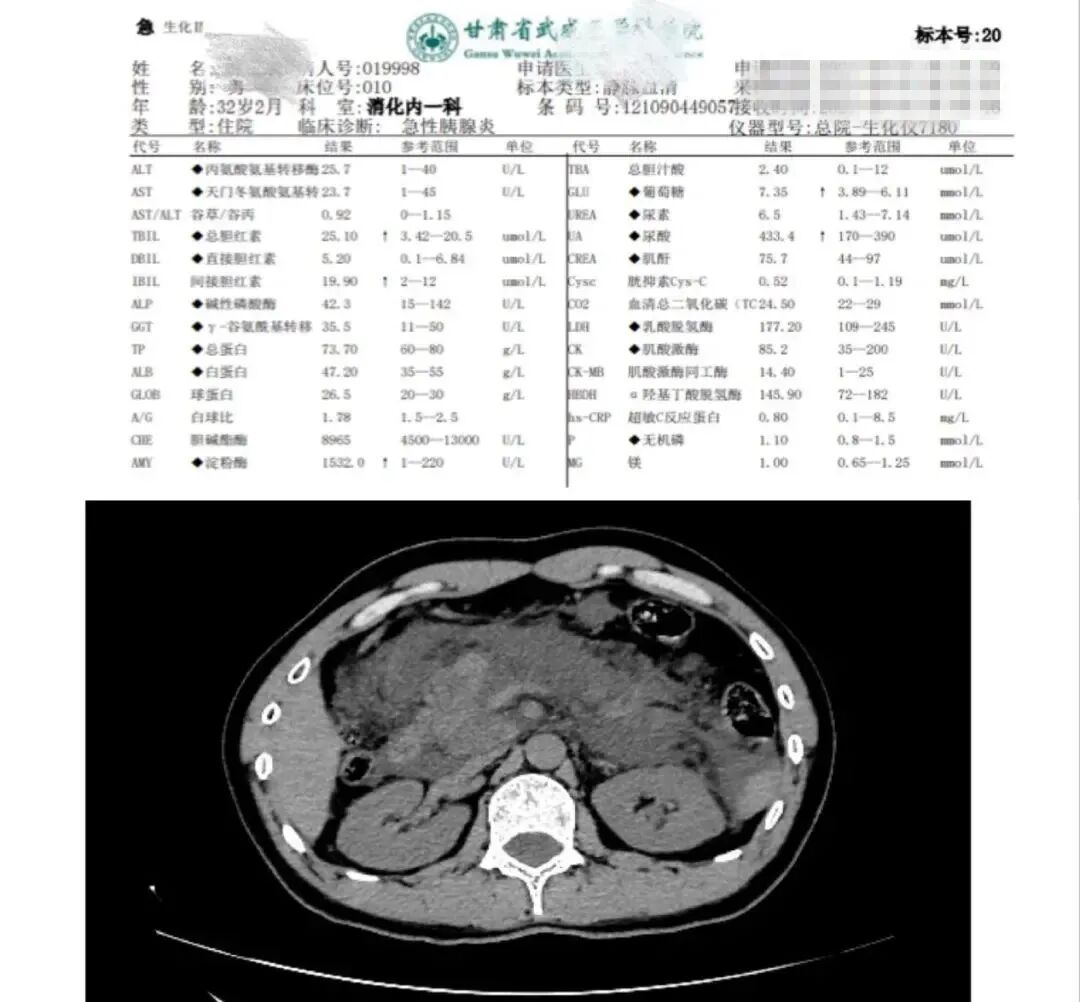
Case 2: Yao, male, 32 years old, height 170 cm, weight 58 kg. This is the fourth episode of pancreatitis after alcohol consumption. After completing relevant tests and examinations, the patient was admitted with a diagnosis of "Alcoholic Acute Pancreatitis". After initial treatment, symptoms worsened, leading to transfer to the ICU. The patient's condition showed significant improvement after 2 days of comprehensive treatment in the ICU, and was subsequently transferred to the Gastroenterology Department for continued care.
Case 3: Tian, female, 37 years old, height 160 cm, weight 60 kg. Experienced abdominal pain after binge eating and drinking. Symptoms significantly worsened after 2 days of treatment at a local community clinic, accompanied by signs of shock such as cold limbs and lethargy. The patient presented to the emergency department of our hospital's Minimally Invasive Surgery Department. After completing relevant tests and examinations, the patient was diagnosed with "Acute Severe Pancreatitis, Distributive Shock". The patient was transferred to the ICU for comprehensive treatment. After 5 days, the patient's condition improved, and they were transferred back to the Minimally Invasive Surgery Department for continued treatment.
So, how can Acute Pancreatitis be prevented?
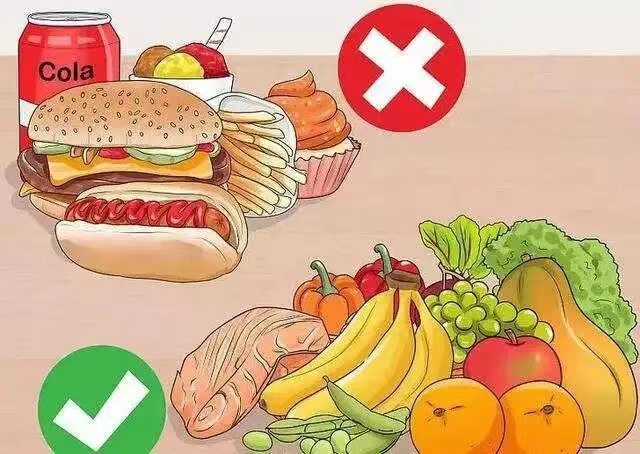
1.Develop good lifestyle habits: eat regularly, include plenty of fruits and vegetables in your diet, and avoid binge eating or drinking.

2.If you have gallstones, regular ultrasound check-ups are necessary for monitoring, and early intervention may be required.
3.Individuals with hyperlipidemia should have their lipid levels checked regularly, actively use medications to control lipid levels as advised by a doctor, engage in regular physical exercise, and maintain a reasonable diet.
4.Obese individuals should aim to lose weight appropriately, exercise regularly, maintain a balanced diet with mindful eating, stay active, and opt for lighter meals.
5.Avoid pancreatic trauma.
6.Furthermore, factors such as infections, diabetes, emotions, and certain medications can also potentially trigger pancreatitis. Therefore, maintaining a positive mood and boosting your physical fitness can also contribute to prevention.

Contact Us
• Consultation Phone: Director Wang Yi (13679360665)
• Hospital Address: Intensive Care Unit (ICU), 12th Floor, Inpatient Department, Wuwei Medical College Cancer Hospital