These Groups Are Being "Targeted" by Varicose Veins, Prevention Can Help Avoid the Pitfall
These Groups Are Being "Targeted" by Varicose Veins, Prevention Can Help Avoid the Pitfall
When it comes to varicose veins, many people's first reaction is that they affect the appearance of the legs, but overlook the health risks behind them. In severe cases, they can even lead to ulcers and blood clots. What deserves more attention is that varicose veins do not occur "randomly"; rather, they have a "particular preference" for specific groups of people. The core cause of varicose veins is long-term excessively high pressure in the lower limb veins, which leads to damage to the venous valves and obstructed blood return. The following types of people, due to physiological characteristics or lifestyle habits, are more likely to develop abnormal venous pressure and become "high-risk groups" for the disease:
1.People who stand for long periods: The "continuous pressure-bearing group" for lower limb veins
Occupational groups such as teachers, traffic police, shopping mall guides, hairdressers, and restaurant waitstaff need to stand for several hours or even longer every day. Affected by gravity, blood in the lower limb veins continuously pools downward, just like "water constantly impacting a dam." Over time, the venous wall gradually loses elasticity and becomes weak, and the venous valves also become damaged due to sustained high pressure, ultimately leading to blood vessel expansion and twisting, forming visible "worm-like veins."
According to clinical data, the prevalence of varicose veins among people who stand for long periods is 3 to 4 times that of the general population.
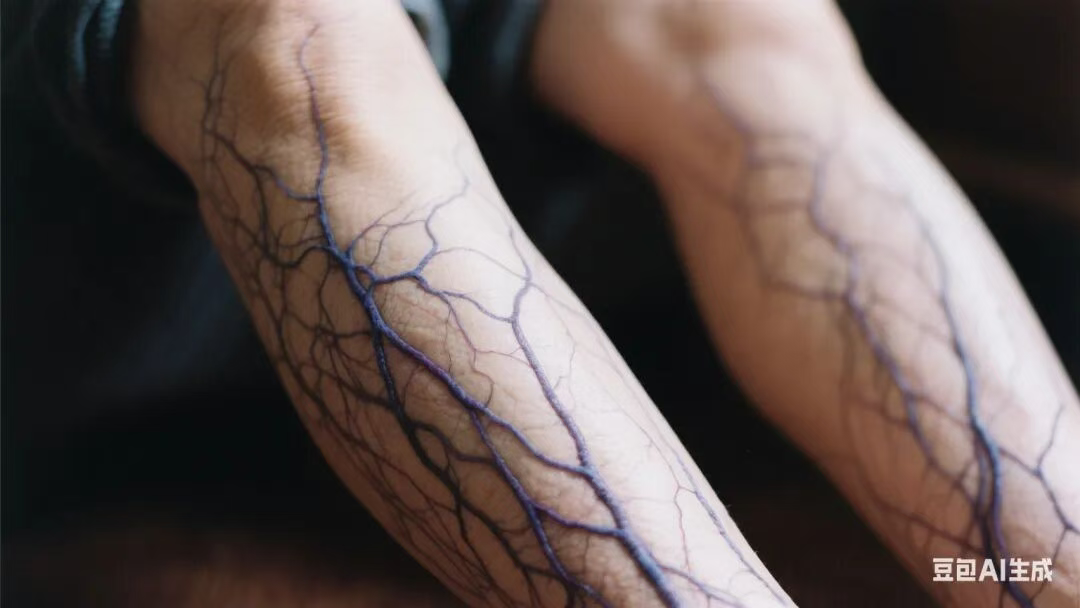
2.People who sit for long periods without moving: The "passive stagnation group" for venous return
"Prolonged sitters" such as programmers, long-distance drivers, and office white-collar workers may seem to be "effortless," but actually harbor hidden risks. The leg muscles are known as the "second heart of the human body," helping blood return to the heart through contraction and relaxation. However, sitting for long periods keeps the leg muscles in a relaxed state, causing the "muscle pump" function to fail. Blood flow slows down and pools in the lower limb veins, venous pressure gradually increases, and also induce vascular lesions.
Special attention should be paid: if you have the habit of crossing your legs when sitting for long periods, it will further compress the lower limb veins and accelerate the occurrence of varicose veins.

3.Women during specific periods: The "dual challengers" of hormones and anatomy
Pregnant women: After pregnancy, elevated levels of estrogen and progesterone in the body relax the venous walls and reduce their elasticity. At the same time, as the fetus grows, the uterus gradually compresses the veins within the pelvis, obstructing blood return from the lower limbs—just like "a river channel being blocked, forcing water to overflow outward." This ultimately leads to dilation of the lower limb veins. Approximately 30% to 50% of women during pregnancy will experience varicose veins to varying degrees.
Menopausal women: After entering menopause, women's estrogen levels decrease significantly, the elasticity of blood vessel walls further weakens, and the function of venous valves also declines accordingly. The risk of developing the disease is significantly higher than in younger years.
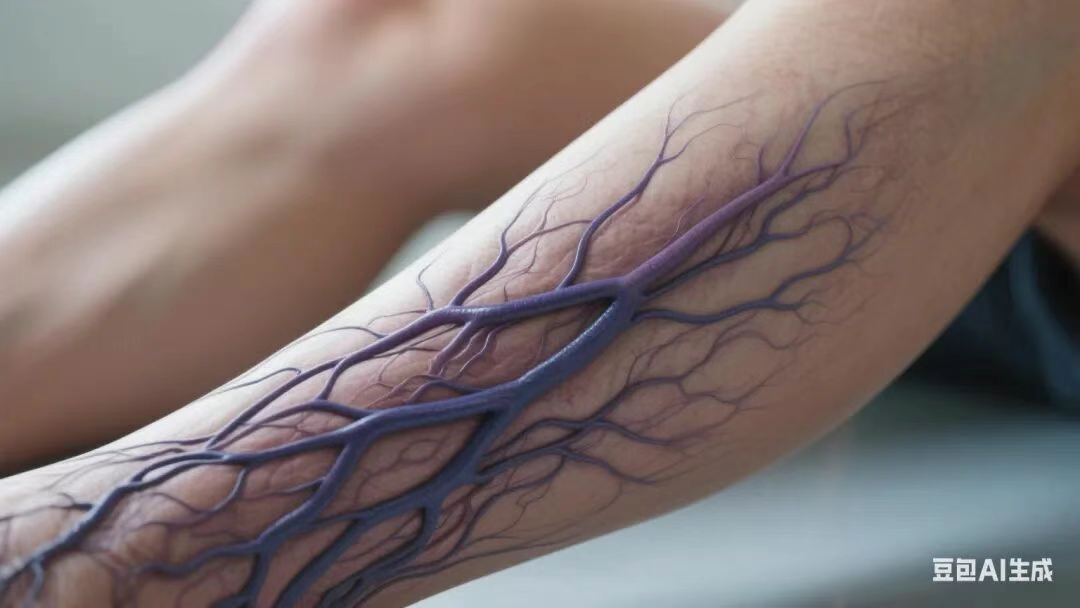
4.Overweight Individuals: The "Extra Load Bearers" of Lower Limb VesselsThe lower limbs of obese individuals need to support greater body weight, which is equivalent to applying "continuous pressure" on the lower limb veins. Long-term excessive load can lead to damage to the venous walls and dysfunction of the valves. At the same time, fat accumulation may compress the lower limb blood vessels, further impairing blood return. Under these dual effects, the probability of developing varicose veins significantly increases.

5.Elderly Individuals: The "Natural Decline Group" in Vascular FunctionAs age increases, the walls of blood vessels gradually thin and lose elasticity, while venous valves also experience functional decline due to aging—much like "an aging valve that doesn’t close tightly." This makes blood prone to reflux and stagnation. As a result, the elderly are a high-risk group for varicose veins, with a prevalence rate of over 20% among those aged 60 and above.
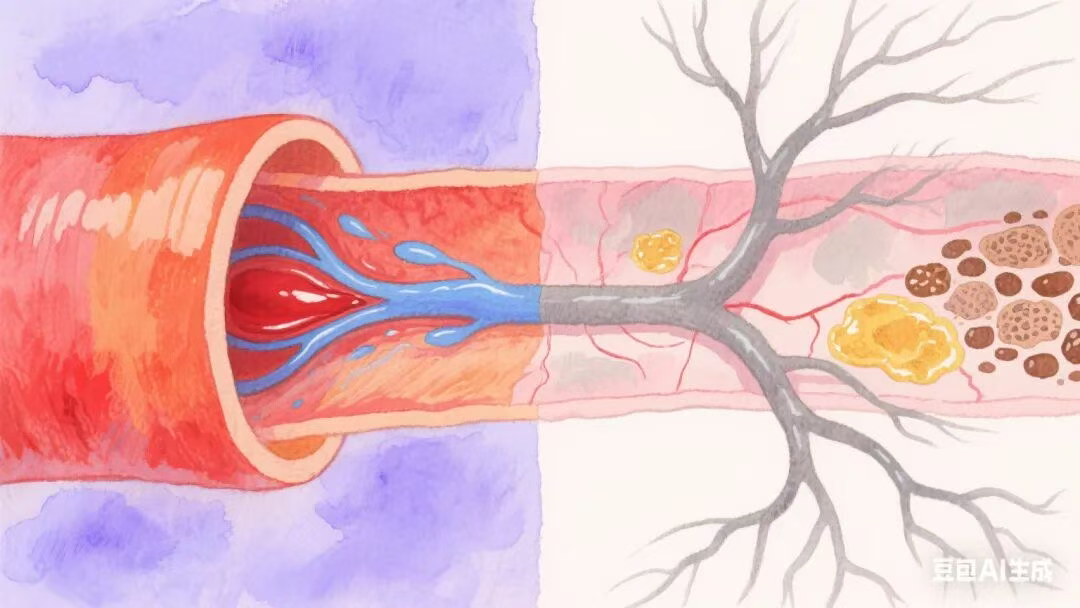
6.Those with a Family Genetic History: The "Inherently Susceptible Group" at the Genetic Level Varicose veins have a significant hereditary tendency. If one parent has varicose veins, the risk for their children is twice as high as that of the general population. If both parents are affected, the risk for their children can increase to four times. This is because genetics may lead to inherently weak venous wall development and valve dysfunction, making such individuals more prone to vascular issues even under similar lifestyle conditions.
Follow These 4 Tips to Stay Away from Varicose Veins
If you belong to any of the above high-risk groups, there is no need to be overly anxious. Varicose veins are a preventable and manageable condition. If you fall into one of these "high-risk target" groups for varicose veins, be sure to take preventive measures early to effectively reduce the risk of developing the condition.
1.Scientifically Wearing Medical Compression StockingsFor people who stand or sit for long periods, medical compression stockings (worn during the day and removed at night) with appropriate pressure and proper fit for their leg measurements can be used under a doctor's guidance. Compression stockings help promote blood return in the lower limb veins and reduce venous pressure through gradient pressure12.
2.Avoiding "Prolonged Sitting" and Taking Regular Activity BreaksWhen standing or sitting for long periods: every 30-60 minutes, perform heel raises (repeat 10-15 times) or walk around for 2-3 minutes to contract leg muscles and promote blood return; perform "ankle pumping exercises" (pull toes toward the body, then relax, repeat 20 times), and avoid crossing legs678.
3.Controlling Weight and Maintaining Moderate ExerciseControl weight through a reasonable diet and regular exercise to reduce the burden on the lower limbs; recommended activities include swimming, brisk walking, and cycling. Swimming allows the lower limbs to be free from gravity's effects, effectively promoting venous circulation; brisk walking and cycling can exercise leg muscles, enhance the "muscle pump" function, and aid blood return91011.
4.Daily Habits to "Protect the Legs"When resting, elevate the legs above heart level (e.g., by placing a pillow under the feet, about 30 cm high) for 15-20 minutes each time, 2-3 times a day, to help relieve venous pressure; avoid wearing overly tight pants or socks to prevent compressing lower limb blood vessels; do not soak feet in hot water.
Preliminary Review: Zhang Lihong Final Review: Zhang Jie