
Not Just a Common Skin Condition: Varicose Veins as One of the Root Causes of Eczema and Itching
Not Just a Common Skin Condition: Varicose Veins as One of the Root Causes of Eczema and Itching
A 58-year-old retired saleswoman, Aunt Zhang, has had varicose veins in her right leg for 10 years. In recent years, she has frequently developed large patches of redness and small papules on the inner side of her calf, along with intense itching. She often scratches her skin until it breaks at night. She has applied various anti-itch creams on her own, but the effect has become increasingly poor, and her skin has instead become rough and thickened. What is causing this condition?
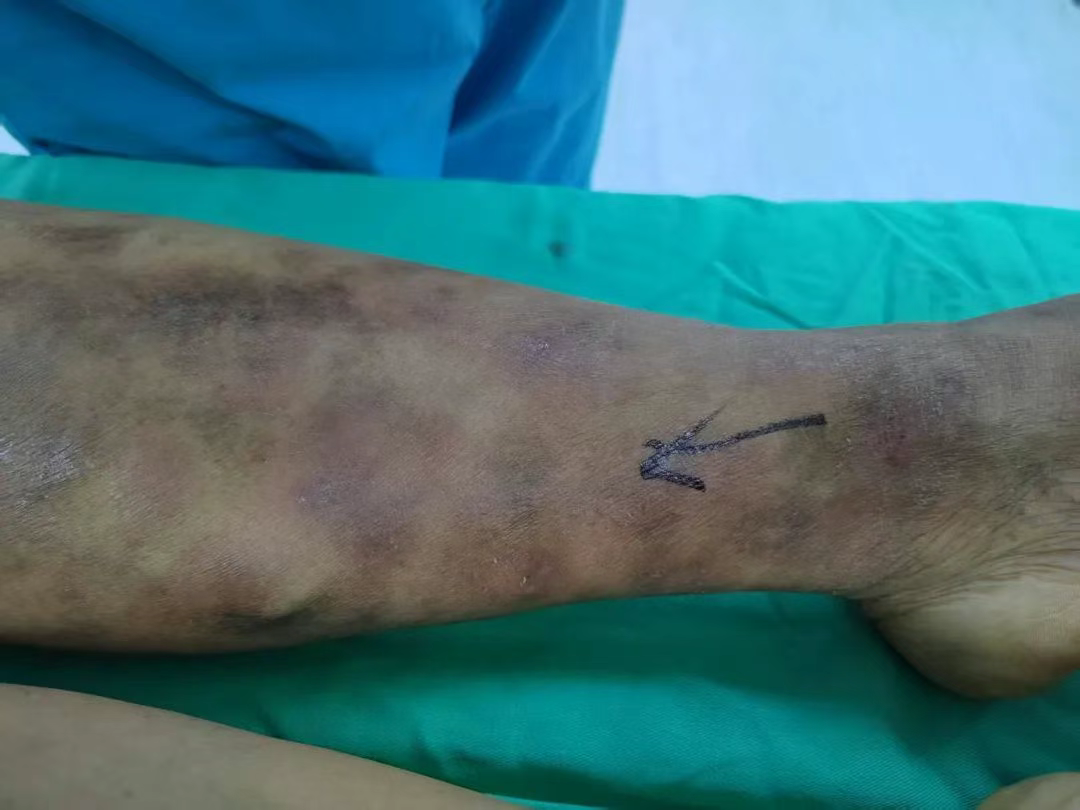
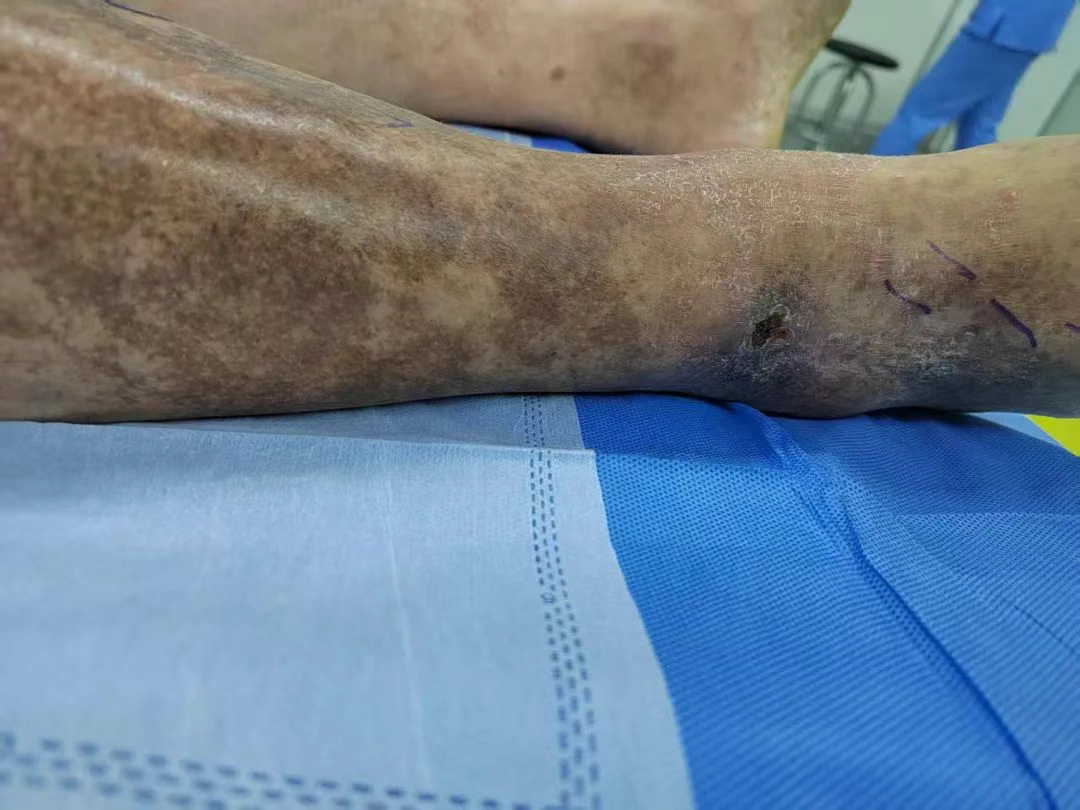
The root cause of eczema and itching lies in the veins — not in a common skin condition. It is caused by venous stasis eczema, a type of eczema resulting from varicose veins.
When blood stagnates in the lower limbs over a long period, it impairs microcirculation in the skin, preventing metabolic waste from being cleared efficiently. At the same time, the skin’s barrier function becomes compromised, making it more vulnerable to external irritants. As a result, symptoms such as redness, papules, blisters, and intense itching may appear. Patients may scratch uncontrollably, leading to skin breakage and even infection.
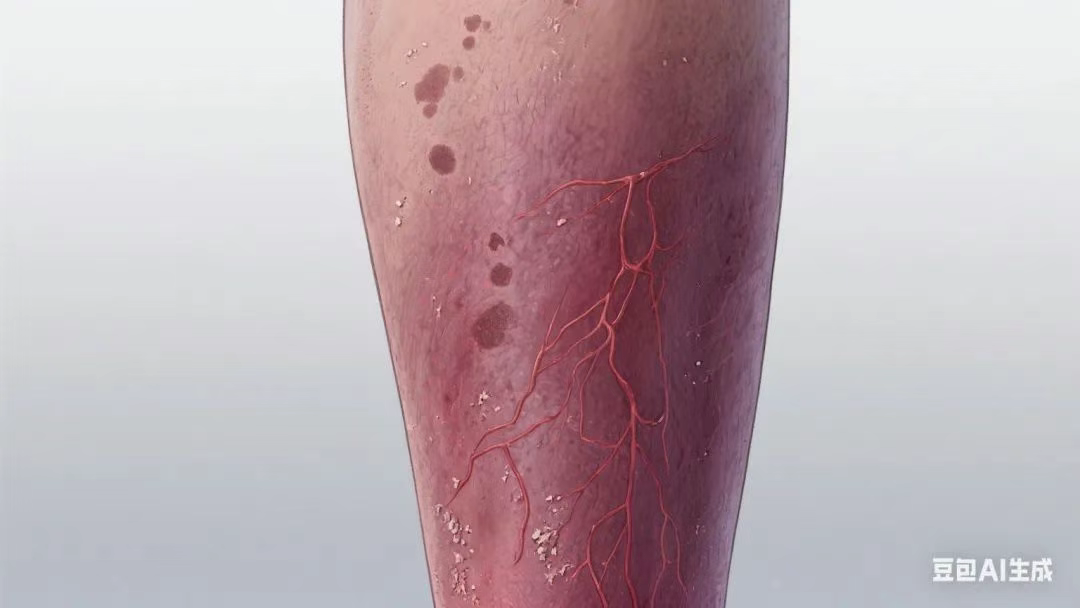
This type of eczema is quite stubborn. Simply using anti-itch creams can only provide temporary relief; the root cause — the varicose veins — must be addressed.
In daily life, avoid washing the affected area with hot water or scratching excessively. Wear loose, breathable pants to reduce friction. Additionally, wearing compression stockings and using venoactive medications can help improve local circulation.
If the eczema recurs frequently, it is advisable to seek minimally invasive surgical treatment as early as possible.
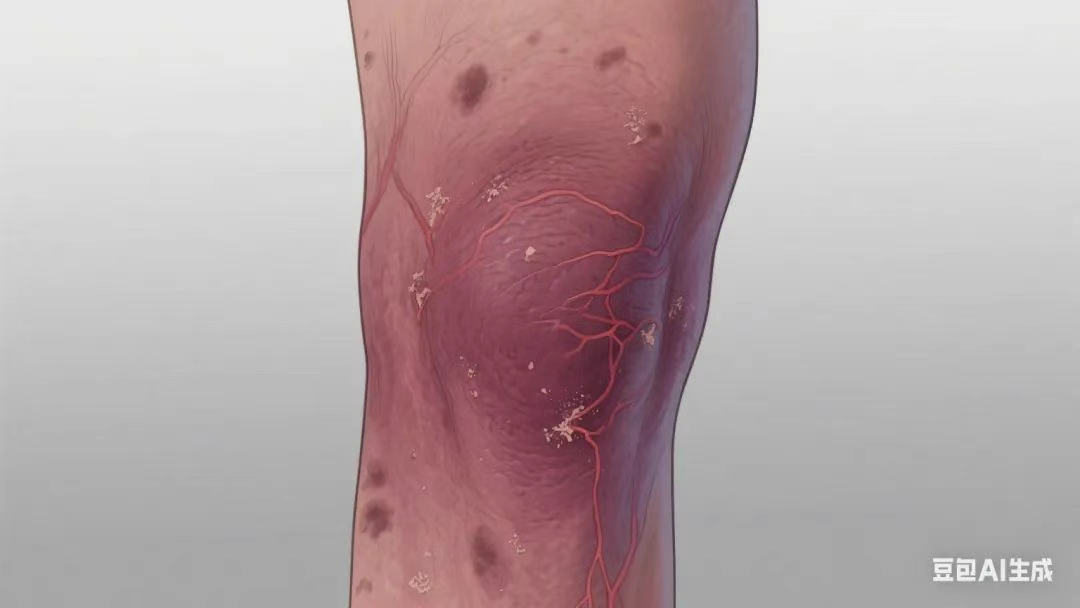
After seeking medical treatment, Aunt Zhang was diagnosed with "venous eczema (eczema associated with venous insufficiency)." A stepwise treatment plan was formulated as follows:
Basic Nursing Interventions
- Avoid washing the right leg with hot water (water temperature not exceeding 37°C). Instead, use lukewarm water for cleansing and apply a medical moisturizer (containing ceramide) afterward to repair the skin barrier.
- Wear loose, cotton trousers to reduce friction.
- Elevate the feet with a 30 cm high pillow while sleeping to promote blood return.
Medication for Symptom Control
- Acute phase: Short-term use of a mild topical corticosteroid (e.g., desonide cream), applied twice daily in a thin layer to the affected areas, for no more than 2 weeks, to quickly relieve redness and itching.
- Severe itching: Take an oral antihistamine once nightly to prevent scratching and skin damage.
- Improve circulation: Simultaneously take venoactive drugs to reduce venous stasis and minimize skin irritation at its source.
Etiology-Based Treatment
After controlling the eczema, Aunt Zhang underwent a lower limb venous ultrasound, which revealed severe reflux in the great saphenous vein. The doctor recommended minimally invasive microwave ablation.
Prevention of Recurrence
- After surgery, continue wearing Class II compression stockings during the day (remove at night), especially when standing or walking for extended periods.
- Take a 30-minute walk three times a week to enhance the calf muscle pump function.
- Attend regular follow-ups. If mild itching occurs, promptly apply moisturizer to prevent worsening of the eczema.
After six months of treatment, Aunt Zhang’s eczema did not recur, and her leg skin gradually recovered.

