What will happen if this "eating passage" goes wrong?
What will happen if this "eating passage" goes wrong?
Esophageal cancer is one of the common malignant tumors of the digestive system globally, especially with a relatively high incidence rate in Asian and African regions. Currently, esophageal cancer has become the sixth most frequently diagnosed cancer in the world, and its mortality rate ranks fourth. In China, the incidence of esophageal cancer account for up to 50% of the global total, which means that half of the world's esophageal cancer cases are in China! Within China, two-thirds of the cases occur in the Taihang Mountain region spanning Henan, Shanxi, and Hebei provinces.
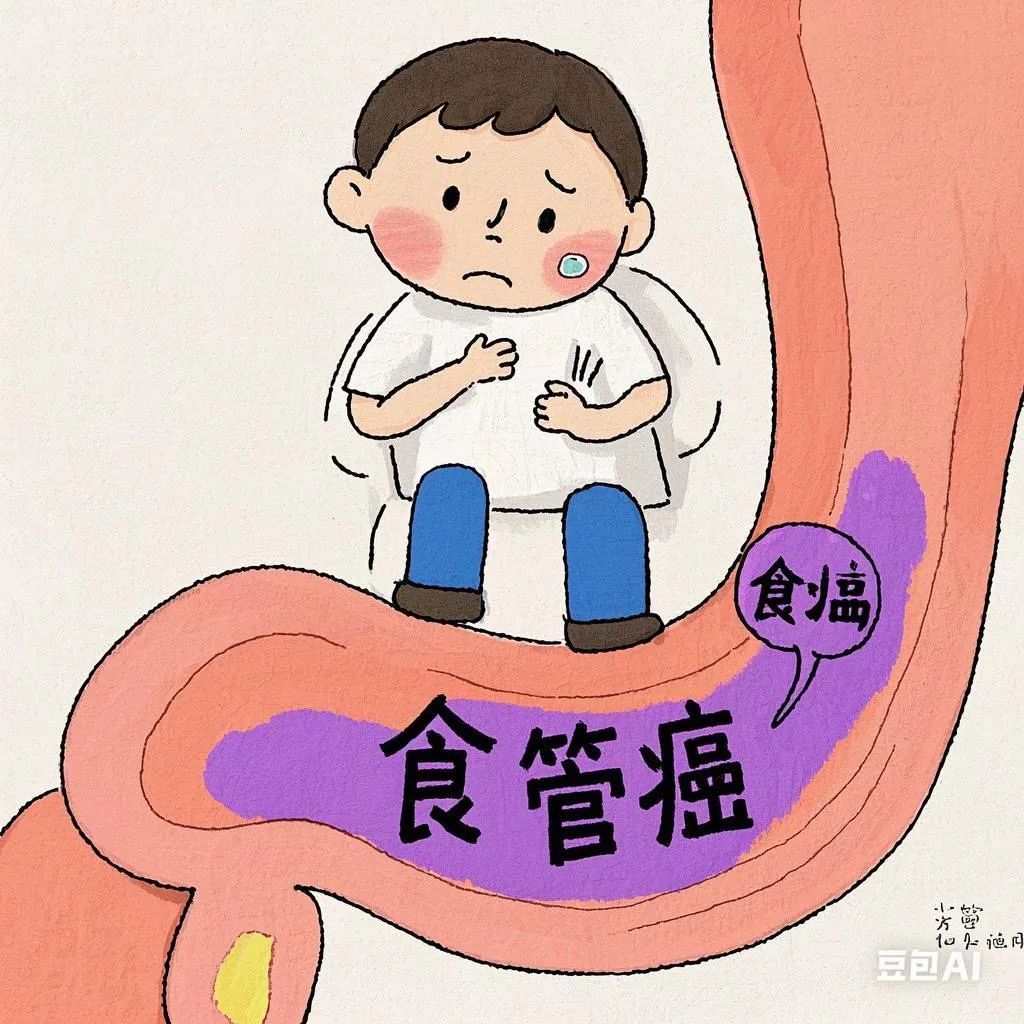
Esophageal cancer is usually classified into two types: squamous cell carcinoma and adenocarcinoma. In China, squamous cell carcinoma accounts for more than 90% of esophageal cancer cases, often occurring in the middle and lower segments of the esophagus. It is mainly related to smoking, excessive alcohol consumption, and poor eating habits. Adenocarcinoma, on the other hand, is usually associated with gastroesophageal reflux disease and Barrett's esophagus.
I. How can we avoid getting esophageal cancer?
Although the exact cause of esophageal cancer has not been fully clarified, changing lifestyle habits can effectively reduce the risk of its occurrence:
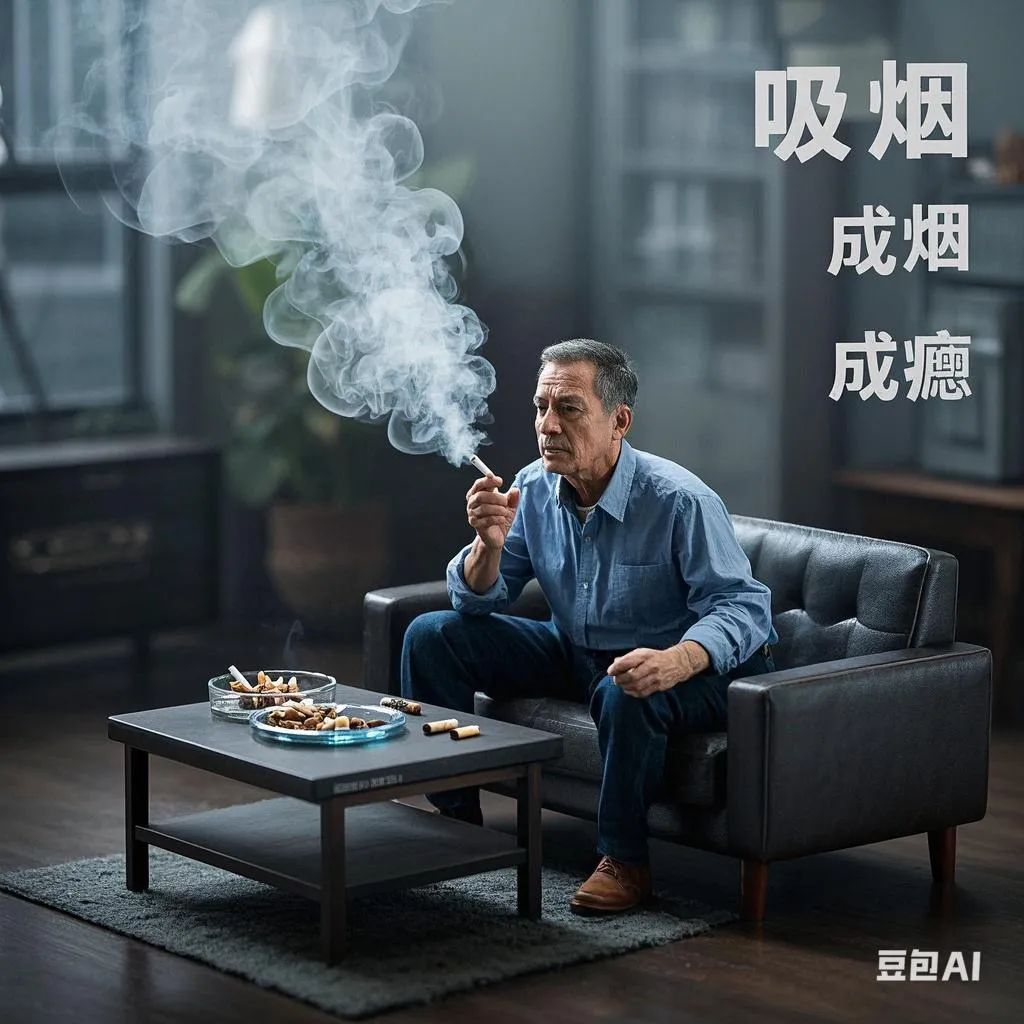
1.Avoiding smoking and excessive alcohol consumption is the key to preventing esophageal cancer.
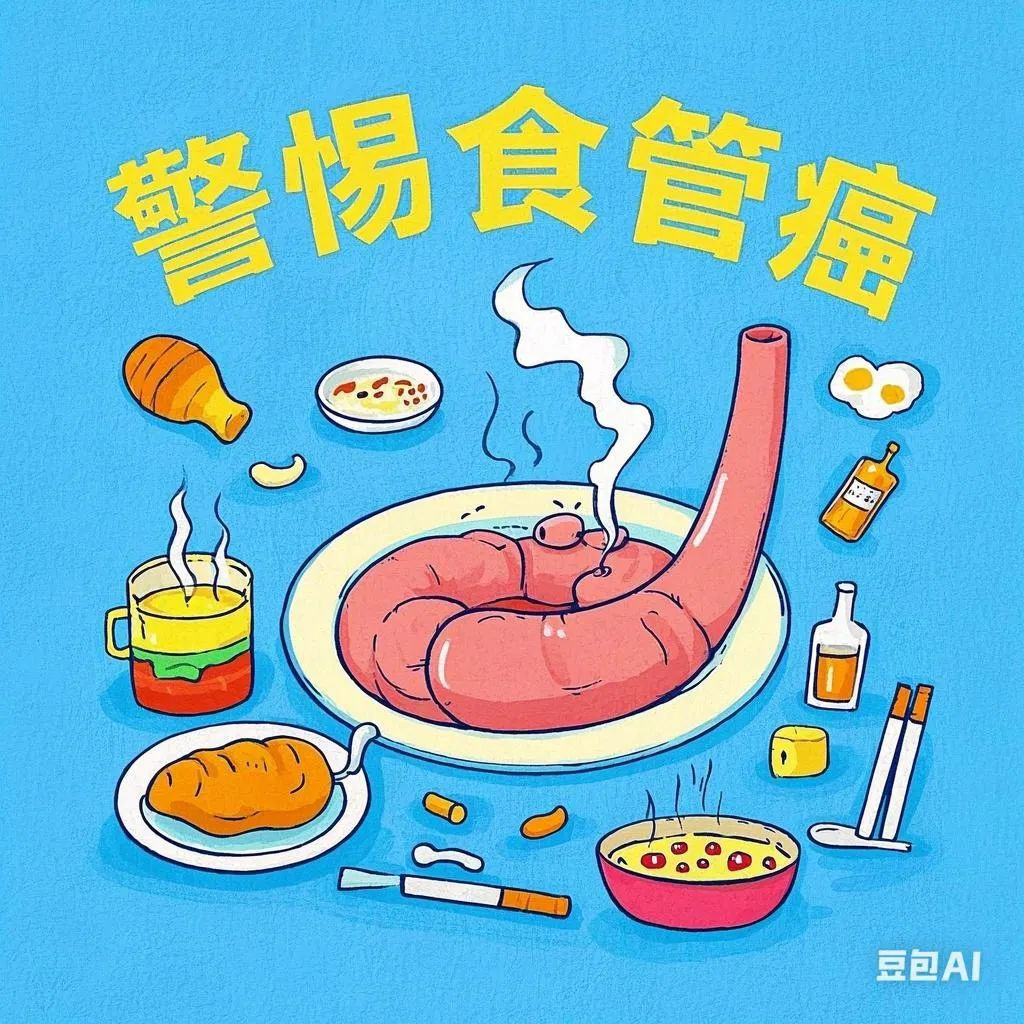
2.Maintain a balanced diet, eat more fresh fruits and vegetables, and reduce the intake of pickled, roasted, and scalding-hot foods.
3.For people with high-risk factors, such as eating too quickly or consuming overly hot food, long-term smoking and exposure to irritants, long-term consumption of pickled or moldy foods, and not paying attention to oral hygiene, regular gastroscopy should be carried out to detect precancerous lesions at an early stage.
4.Actively treat diseases such as gastroesophageal reflux disease and esophagitis.
5.Maintaining sufficient sleep, moderate exercise, avoiding excessive fatigue and chronic stress, etc., can help improve the body's immunity and reduce the risk of developing esophageal cancer.

II. What symptoms should alert us to esophageal cancer?
The early symptoms of esophageal cancer are often not obvious, and most people do not pay attention to the occasional symptoms. As a result, many patients are already in the middle or late stages when diagnosed.
Common symptoms include: 1. Dysphagia, especially noticeable when eating harder foods. 2. Weight loss, due to reduced food intake caused by dysphagia or decreased appetite, as well as the consumption of nutrients by the tumor. 3. Chest pain or discomfort, which is particularly obvious during eating or when lying down. 4. Nausea and vomiting, caused by the consumption of nutrients from the tumor. 5. Hoarseness or persistent cough, as the tumor invades the trachea or nerves.
If the above symptoms occur, it is necessary to seek medical attention in a timely manner.
III. Who needs to undergo early screening for esophageal cancer?
1. Individuals aged 40 should pay special attention to esophageal cancer screening. As people age, various functions of the human body gradually decline, and immunity also decreases, making middle-aged and elderly people more vulnerable to the invasion of malignant tumors such as esophageal cancer.
2.Due to geographical, environmental, eating habits, and other factors, people from regions with a high incidence of esophageal cancer have a relatively high incidence rate and should also undergo early screening.
3.People with upper gastrointestinal symptoms should also be vigilant. The early symptoms of esophageal cancer may not be obvious, but some patients may experience upper gastrointestinal symptoms such as pharyngeal discomfort, dysphagia, and retrosternal pain.
4.People with a family history of esophageal cancer also need to pay attention. Genetic factors play a certain role in the esophageal carcinogenesis of esophageal cancer. If there are patients with esophageal cancer in your family, your risk of developing the disease may be relatively high.
5.People with pre-cancerous lesions or precancerous diseases of the esophagus are the key targets for esophageal cancer screening. Pre-cancerous lesions and pre-cancerous diseases of the esophagus include esophageal mucosal leukoplakia, esophageal squamous epithelial hyperplasia, esophageal ulcers, etc., which may increase the risk of developing esophageal cancer.
In addition to the above-mentioned groups of people, those who drink alcohol excessively, smoke, or have a history of squamous cell carcinoma in the head and neck or lungs should also undergo esophageal cancer screening. The incidence rate of esophageal cancer in Wuwei is also relatively high. Our hospital conducts free general surveys of esophageal cancer every year, and the information about the general surveys can be found on our hospital's website. Everyone is welcome to participate in the general surveys.
IV. What examinations may be done at the hospital?
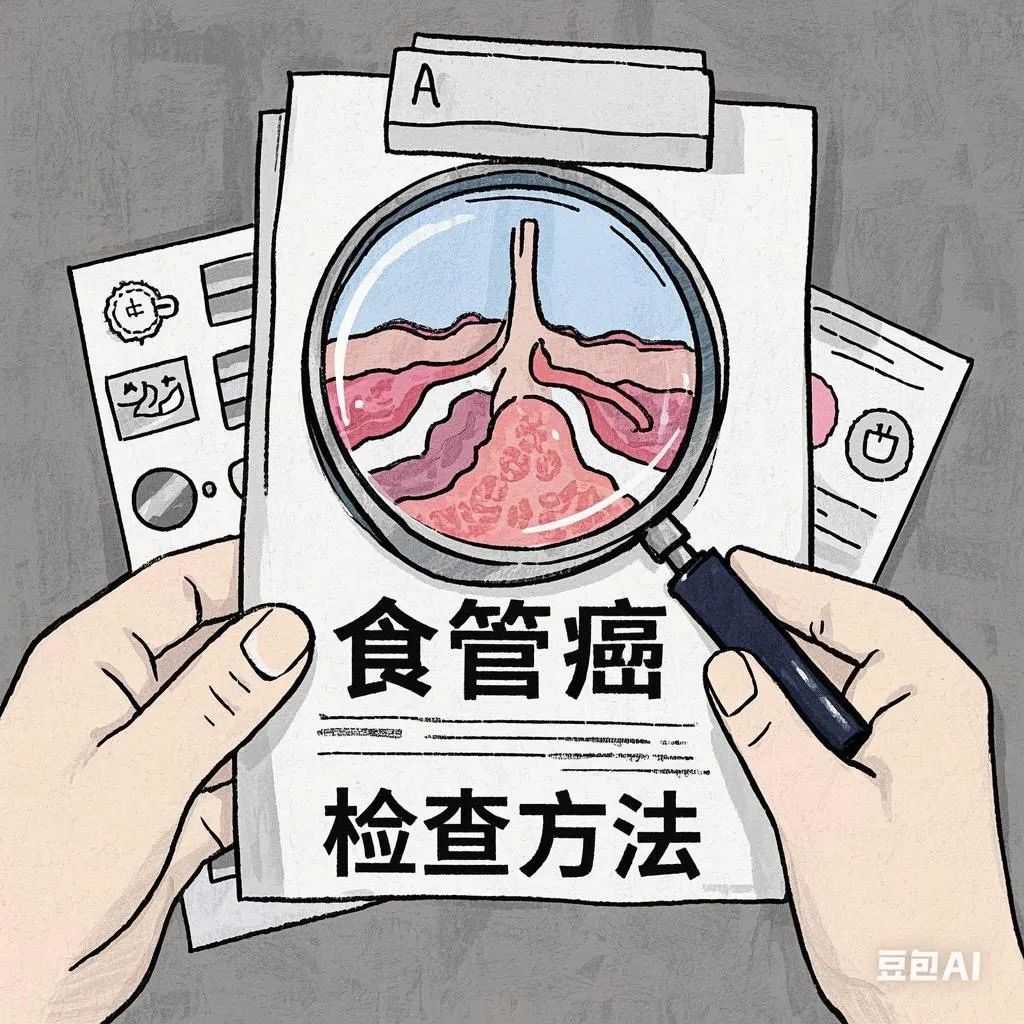
1.Gastroscopy: It can directly observe the lesions in the esophagus.
2.Biopsy: When an esophageal lesion is suspected, a biopsy is taken through gastroscopy for pathological examination to further confirm diagnosis.
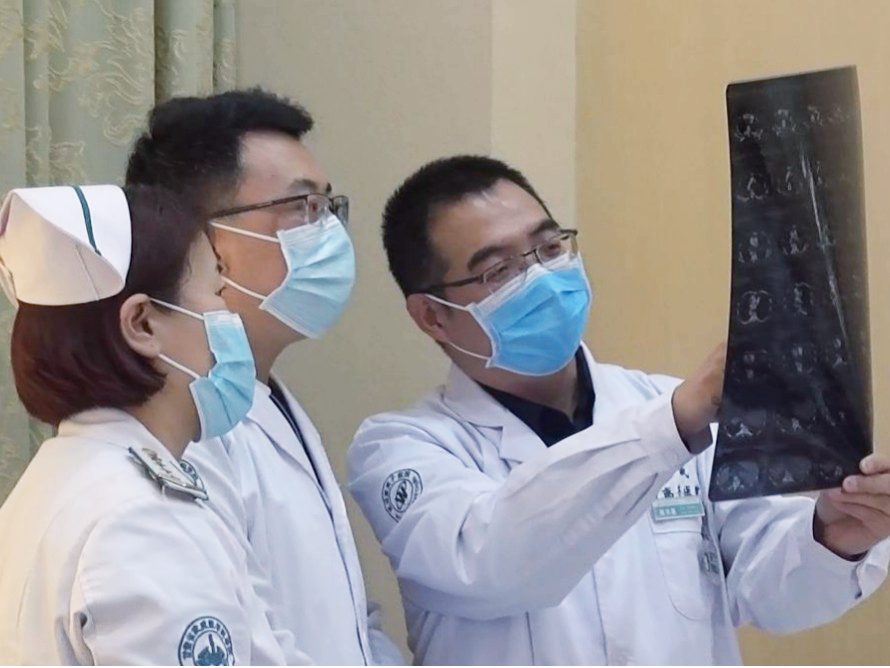
3.Imaging examinations: CT scans, radiography, PET-CT, etc. can help evaluate the size, location, and metastasis of the tumor.
4.Endoscopic ultrasound: It is used to evaluate the depth of tumor invasion and lymph node metastasis.
Based on the above examinations, an accurate staging of the tumor can be made, that is, the early, intermediate, and late stages that we usually refer to.
V. What are the treatment methods for esophageal cancer?
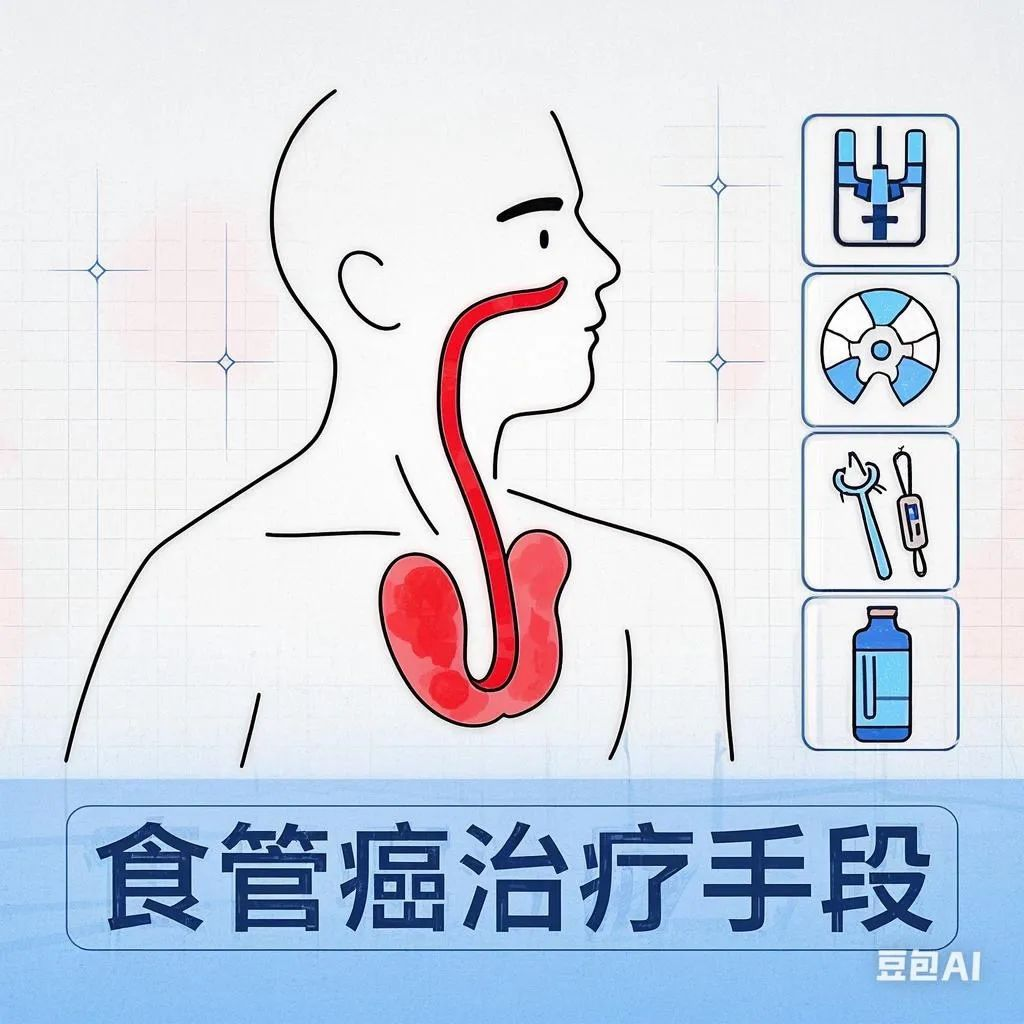
The treatment methods for esophageal cancer are determined according to factors such as the tumor stage and the patient's physical condition, mainly including:
1.Surgical treatment, which is suitable for localized tumors.
2.Radiotherapy and chemotherapy. For patients with esophageal cancer who do not want to undergo surgery or are not suitable for surgery, radiotherapy and chemotherapy can further reduce the size of the tumor, relieve symptoms, and prolong survival.
3.Targeted therapy and immunotherapy have brought new hope to patients with advanced-stage cancer.
4.Provide sufficient nutritional support to enhance the body's immune function.
5.Carry out symptomatic treatment, which can relieve dysphagia and pain.
According to different stages, a standardized combination of the above methods can achieve the best treatment effect.
VI. What is radiotherapy for esophageal cancer?
1.Radiotherapy plays an important role in the comprehensive treatment of esophageal cancer. For resectable esophageal cancer, surgery after neoadjuvant chemoradiotherapy is the standard treatment protocol; for unresectable esophageal cancer, radical chemoradiotherapy is the only radical treatment option; adjuvant radiotherapy post-surgery can improve the local control rate and survival rate for selected cases.
2.Radiotherapy uses various rays to kill tumors, with advantages such as precise treatment, minimizing the need for surgical intervention, protection of organs, and reduced side effects.
3.As a high-tech radiotherapy technology, heavy ions can precisely treat tumors by using their unique "Bragg peak", causes minimal damage to surrounding organs. This technology can break the DNA double strands of tumor cells, making the tumor lose the function of further proliferation and thus eliminating the tumor. It has a stronger effect on killing tumors and reduced side effects.
4.The forms of radiotherapy for esophageal cancer are:
★ Preoperative radiotherapy: It can reduce the size of the tumor that is difficult to resect, making it easier for surgical resection.
★ Postoperative radiotherapy: It can kill the residual tumor tissues and prevent local recurrence.
★ Radical radiotherapy: The aim is to kill tumor cells to the greatest extent, enhance long-term survival and quality of life of patients.
★ Palliative radiotherapy: The main purpose is to improve symptoms, reduce pain, and prolong life.
VII. What should be noted during radiotherapy for esophageal cancer?
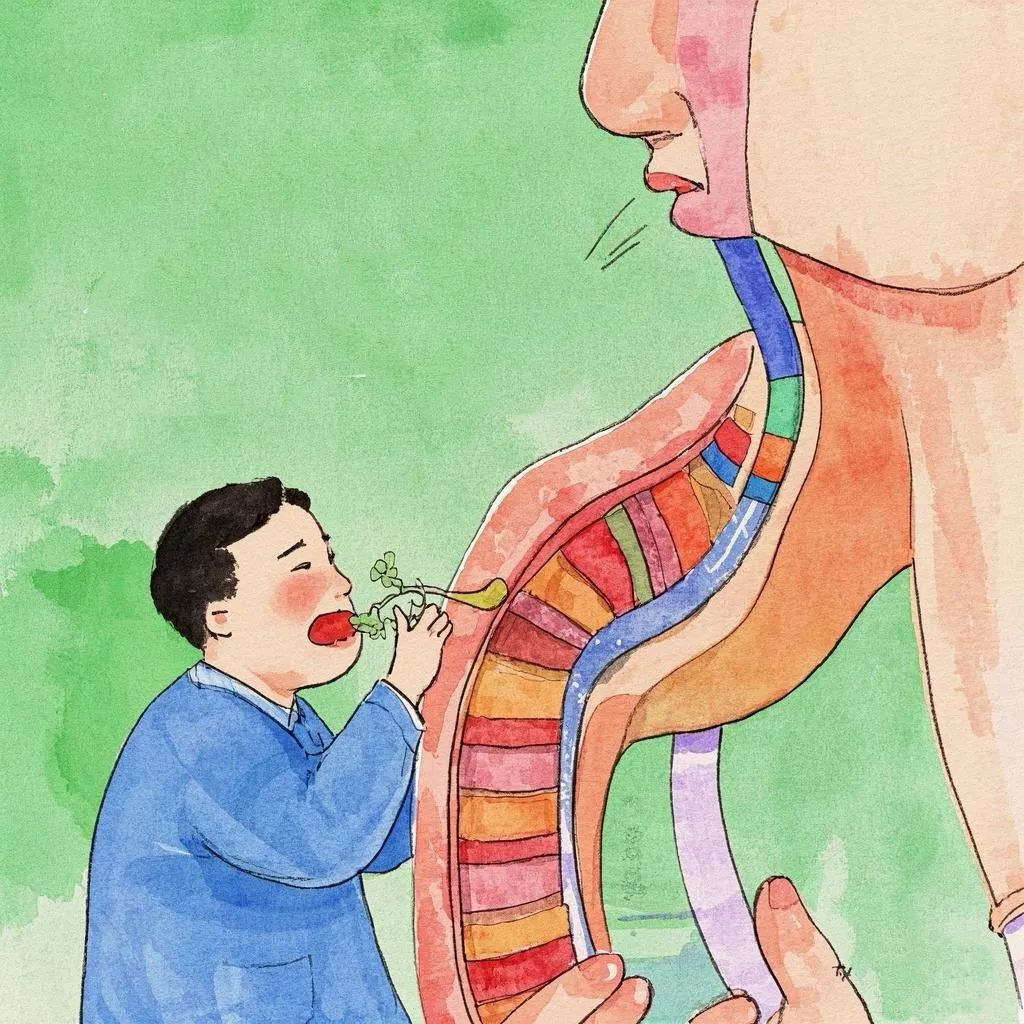
1.Eat regularly and in appropriate amounts, have small and frequent meals, and eat easily. Eat 5-6 times a day. Do not eat too quickly or urgently, and chew slowly.
2.When eating, patients should pay attention to the temperature of the food. Wait until the food cools down before eating. An appropriate temperature can effectively promote the relaxation and dilation of the esophageal musculature, thus reducing the resistance during eating for patients and preventing bolus obstruction.
3.The protein consumption of patients with esophageal cancer is elevated metabolic demands. Patients should eat more fresh fruits and vegetables, dairy products, lean meat, eggs, and other high-protein foods. They also need to pay attention to the cooking methods, mainly steaming, boiling, stewing, and mixing. Avoid greasy, highly irritating, and pickled foods, such as fatty meat, chili peppers, pickled vegetables, etc. Drink plenty of water to ensure sufficient daily water intake.
4.When patients have difficulty eating, oral nutritional supplements are the first choice. When the oral intake cannot meet the body's needs, enteral nutrition through a nasogastric tube or gastrostomy/jejunostomy should be considered to increase the patient's nutritional intake.
5.After the radiotherapy is completed, the effect of radiotherapy still persists for a certain period of time. Pay attention to preventing colds, supplementing nutrition, and alleviating post-treatment side effects from the side effects of radiotherapy. Protect the skin in the irradiated area, ensure diligent sun protection, and avoid sun exposure and scratching of the skin in the irradiated field. Maintain an optimistic attitude and actively cooperate with the treatment!
Department Introduction
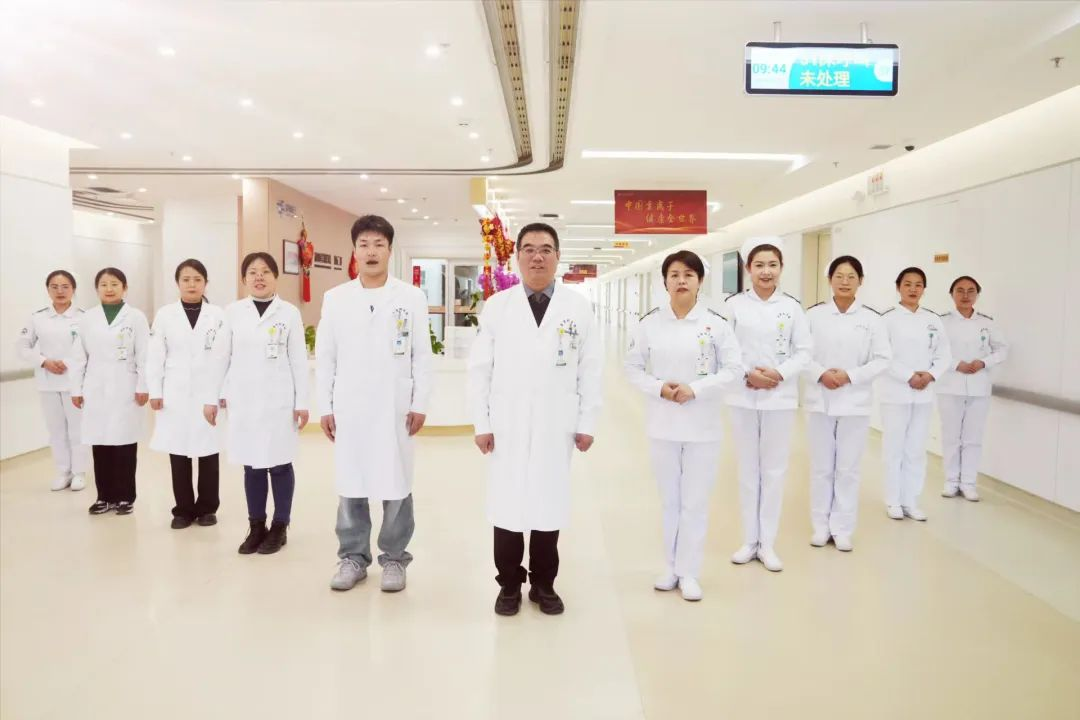
The Department of Heavy Ion Therapy for Thoracic Tumors, Bone and Soft Tissue Tumors (the Department of Radiation Oncology II) mainly focuses on the heavy ion and conventional photon therapy for lung cancer, esophageal cancer, thymic malignancies, breast cancer, bone tumors, soft tissue tumors, etc.
There are currently 16 members in the department, including 1 chief physician and 1 associate chief physician. Professor Qu Baolin from the Chinese PLA General Hospital (301 Hospital) in Beijing and Professor Wei Shihong from Gansu Cancer Hospital are specially appointed as visiting professors of our department.
The discipline leader, Chen Dongji, is a chief physician, the Vice President of Gansu Heavy Ion Hospital, the Chairperson of the Hospital Union, and the director of the Department of Heavy Ion Therapy for Thoracic Tumors, Bone and Soft Tissue Tumors (the Department of Radiation Oncology II). He once studied at the Proton Therapy Center in Munich, Germany.
The department conducts clinical work, scientific research, and teaching under the guidance of Professor Ren Yimin and Professor Wu Jiaming from Taiwan, China, throughout the year. It has won 3 second prizes of provincial scientific and technological progress awards, 5 first and second prizes at the municipal level, and has published more than 30 academic papers.
The members of the department have successively received further training at well-known domestic and foreign cancer hospitals, such as the RPTC Center in Germany, the Cancer Hospital of the Chinese Academy of Medical Sciences, Shanghai Proton and Heavy Ion Hospital, the Chinese PLA General Hospital (301 Hospital), Peking University Third Hospital, Sichuan Cancer Hospital, Zhejiang Cancer Hospital, etc.
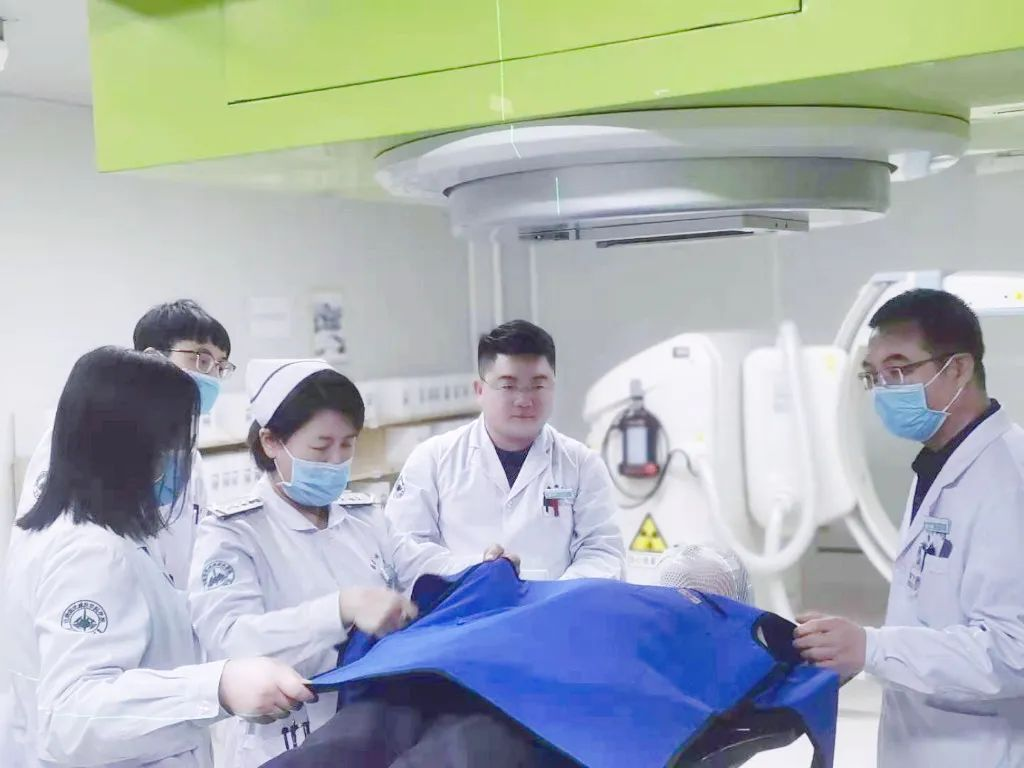
The department carries out the most advanced radiotherapy technologies at home and abroad, such as heavy ion therapy, stereotactic radiotherapy, SRS/SABR/SBRT, rotational/static intensity-modulated conformal radiotherapy, image-guided radiotherapy, three-dimensional conformal radiotherapy, three-dimensional brachytherapy, hyperthermia, etc.
The department has strong professional and technical strength and a scientific and rigorous quality management system. It has achieved good therapeutic effects in the field of comprehensive tumor treatment. Its treatment level, medical quality, and medical ethics have received high praise from patients.
We will serve the vast number of patients with superb technology, high-quality service, and noble medical ethics.
Contact Us:
Hospital Address: Contact Us:
The Department of Radiation Oncology II, 2nd Floor, Building 4, Heavy Ion Hospital Area of Gansu Wuwei Academy of Medical Sciences.