
Province's First Pediatric Haploidentical Stem Cell Transplant Performed at Our Hospital
The First Pediatric Haploidentical Allogeneic Hematopoietic Stem Cell Transplantation in Prefecture-Level City Hospitals of Gansu Province Successfully Completed at Our Hospital
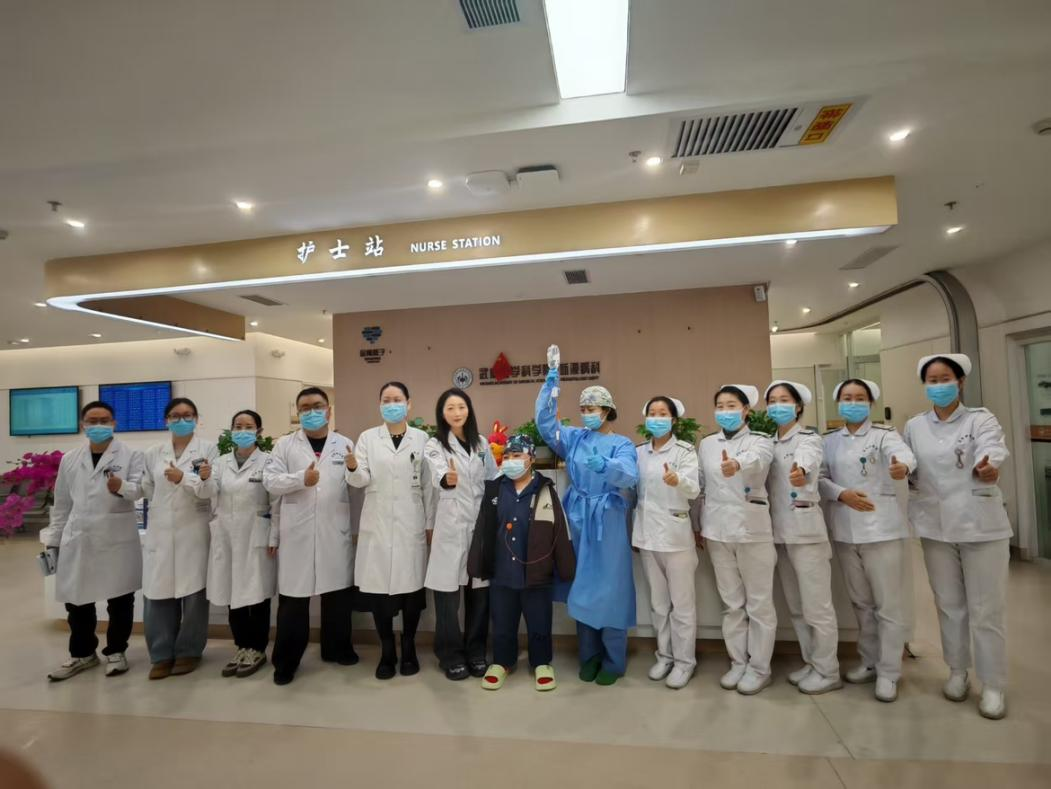
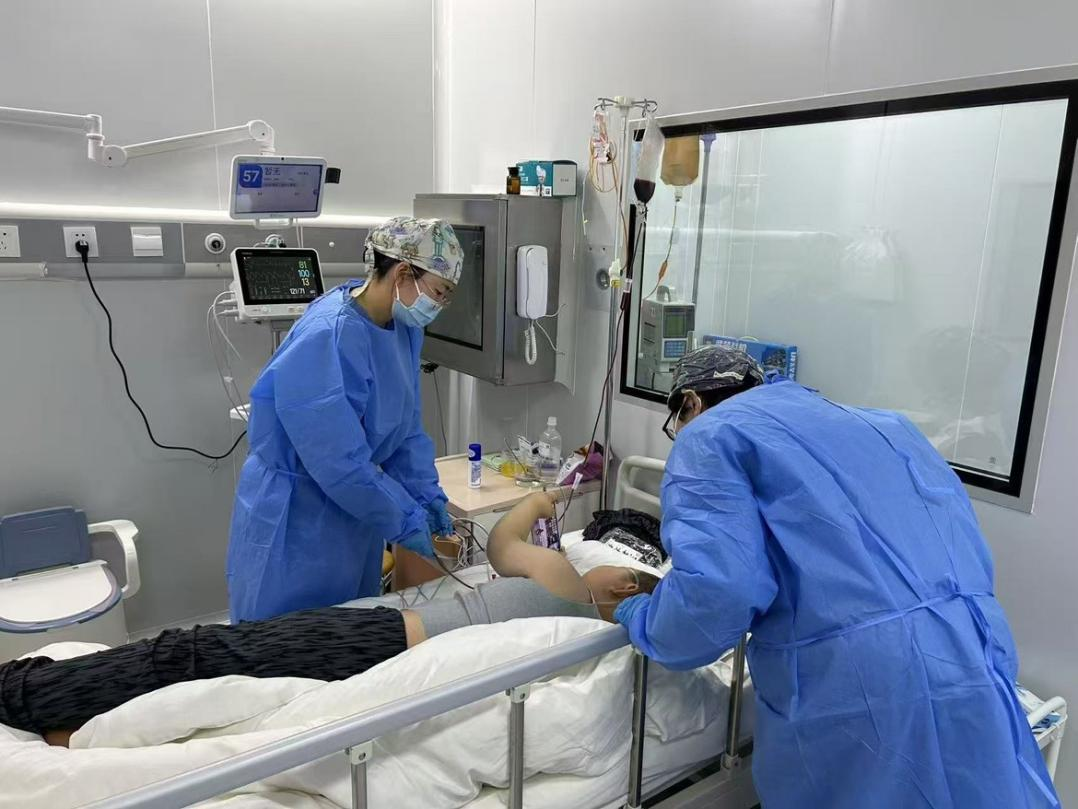
On December 9th, after spending 14 days in a sterile laminar flow ward, Xiaobinbin—the first child in prefecture-level city hospitals of Gansu Province to undergo pediatric haploidentical allogeneic hematopoietic stem cell transplantation—was successfully discharged from the unit at our hospital.

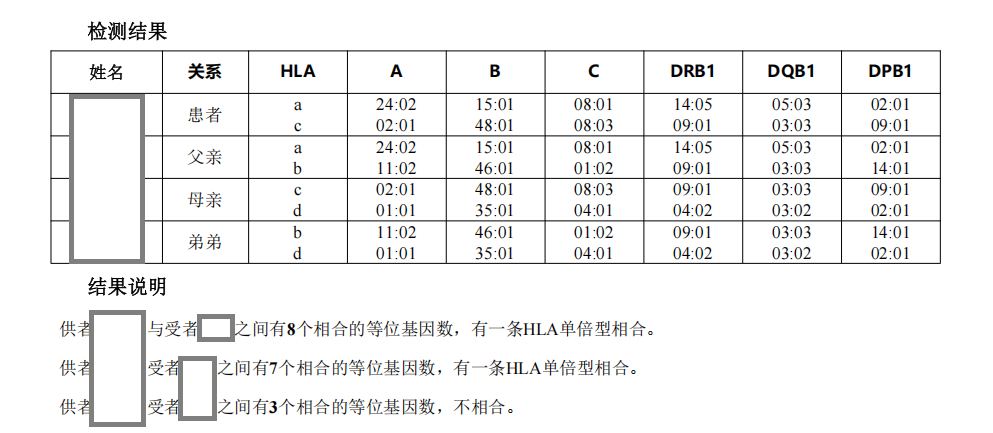
In October 2018, Xiaobinbin, then only three years old, was diagnosed with hemophagocytic syndrome and required long-term treatment with medications such as chemotherapy, hormones, and immunosuppressants. After prolonged use of hormonal drugs, various adverse drug reactions began to appear—buffalo hump, moon face... The effectiveness of the treatment also gradually declined, making it urgently necessary to achieve long-term and effective remission. To obtain better long-term remission and survival, the only effective treatment option was allogeneic hematopoietic stem cell transplantation. Hematopoietic stem cell transplant matching is categorized into fully matched and haploidentical matches. After testing, in August 2025, Xiaobinbin and his father were found to be haploidentical HLA matches, with his father being the only available donor. Compared to fully matched transplants, haploidentical transplants carry a higher risk of graft rejection, involve more complex immune reconstitution, and are more prone to conditions such as graft-versus-host disease. Faced with this challenge, our hospital's transplant team collaborated with multidisciplinary experts to develop a precise pretreatment plan tailored to Xiaobinbin's condition. By strengthening immunosuppression and implementing personalized anti-rejection strategies, they aimed to reduce the risk of graft-versus-host disease.

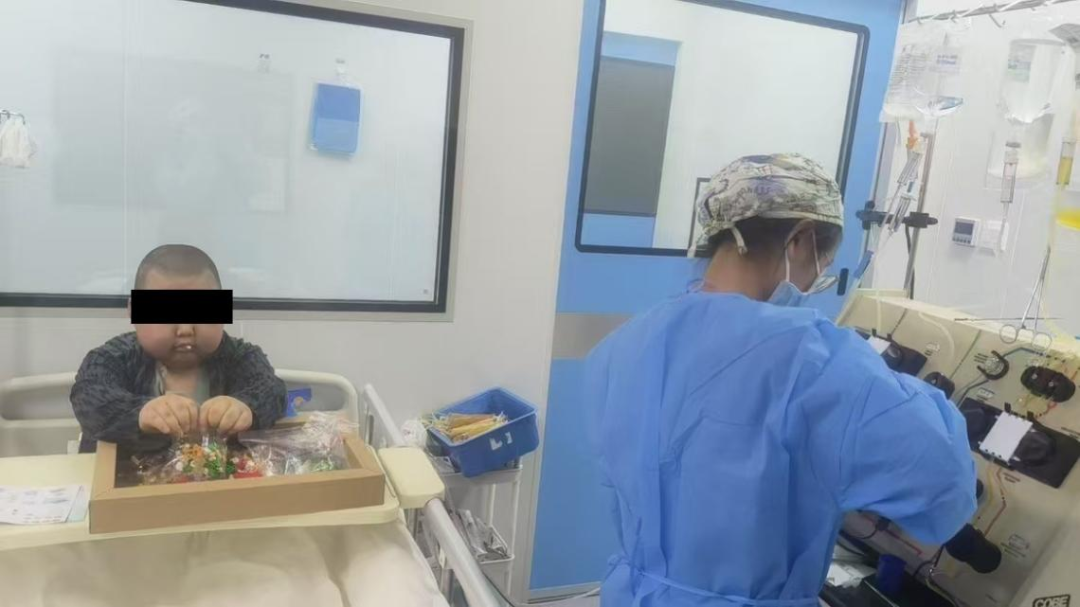
After thorough evaluation and extensive communication, the transplant team actively discussed with the child's family, informing them of the risks associated with the transplant and various potential adverse reactions. Xiaobinbin and his family ultimately decided to proceed with the allogeneic hematopoietic stem cell transplantation. This news made the hematology medical team keenly aware of the significant responsibility they bore, as well as the trust placed in them by the patient and his family. At just 10 years old, Xiaobinbin might struggle to adapt to many important requirements during the transplant process, such as maintaining sterile habits and adhering to a healthy daily routine. Additionally, the confined environment of the isolation unit—coupled with his lack of prior experience being separated from his parents and living independently—presented considerable psychological and physiological challenges. This also placed higher demands on our doctors and nursing team. Following active discussions within the department and thorough communication with the child's family, the hematology team established a hematopoietic stem cell transplantation treatment and nursing team. The team was led by Department Director Wang Cong and included key medical staff such as attending physician Zhang Yuxia, physicians Zhao Haitao and Li Qian, head nurse Zhang Huahua, and nurse Wang Xiaoqin.

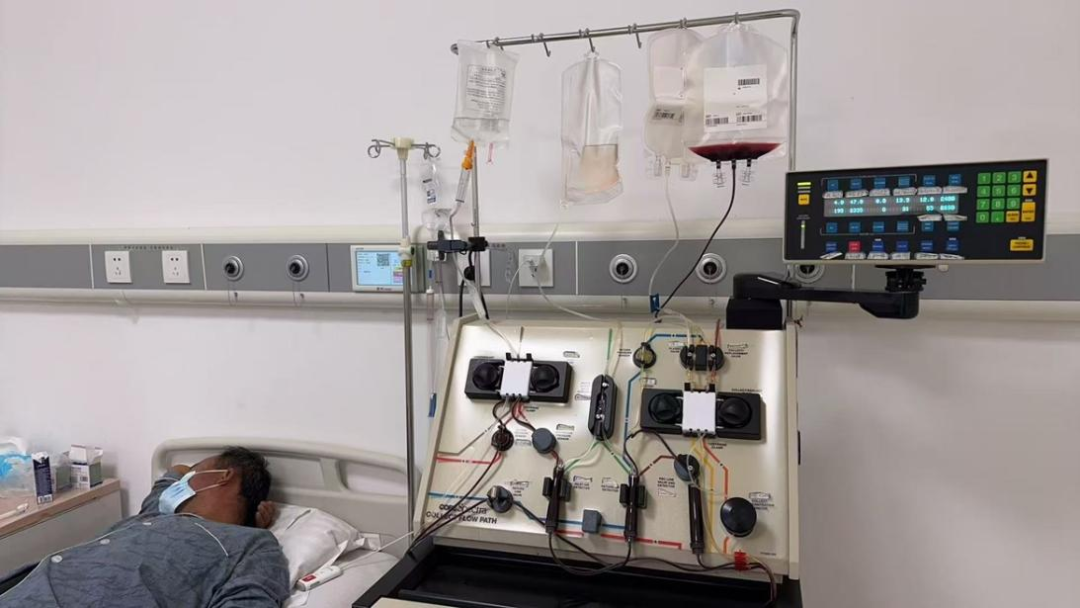
After thorough preoperative preparation and comprehensive testing, Xiaobinbin was officially transferred to the transplant isolation unit on November 13, 2025. On November 24 and 25, 2025, peripheral blood stem cells were collected from Xiaobinbin's father, the related donor, and on the same day as each collection, the harvested hematopoietic stem cells were infused into the patient. The total mononuclear cell count was 11.61 × 10^8/kg, and the CD34+ cell count was 3.66 × 10^6/kg.

On day +14 post-infusion, the child's blood cell engraftment was successful, with a white blood cell count of 5.59×10^9/L, hemoglobin of 94g/L, and platelets of 48×10^9/L. The hematopoietic stem cells from Xiaobinbin's father have been successfully engrafted into the patient's body, and the child was discharged from the isolation unit today. Throughout the entire transplant period, the patient did not experience severe complications such as serious infections, organ dysfunction, or diarrhea. The child also smoothly passed the critical post-transplant observation period, with stable vital signs and gradual recovery of appetite and physical strength. Successful engraftment marks a crucial step in the treatment, and ongoing observation and evaluation are now underway.

The successful completion of this pediatric haploidentical allogeneic hematopoietic stem cell transplantation marks a new milestone in the diagnostic and treatment capabilities of our hospital's hematology department. It lays a solid foundation for the continued advancement of allogeneic hematopoietic stem cell transplantation and signifies that more patients with hematological diseases in the Hexi region can now access high-quality medical services at our hospital, on par with those available in developed areas.

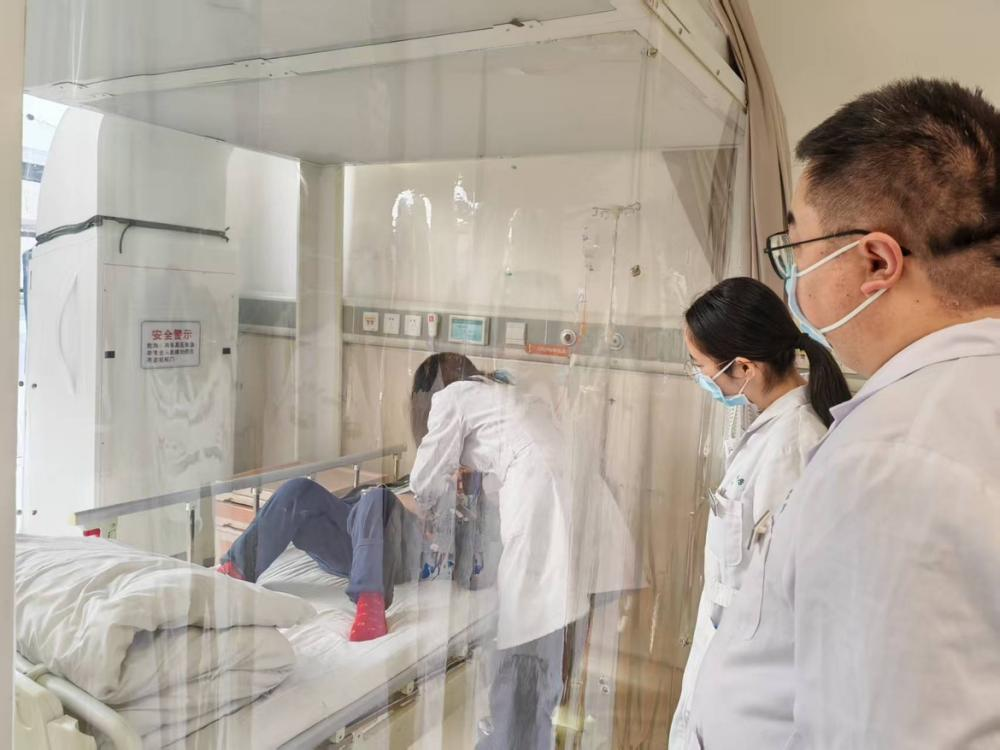
As 2025 draws to a close, the Hematology Department of Gansu Wuwei Cancer Hospital has dedicated the past year to safeguarding lives, living up to the trust placed in us by the people, conscientiously fulfilling every duty, and actively caring for each patient. In the approaching year of 2026, we will continue to strengthen both theoretical learning and practical experience, enhance the cultivation of medical ethics and professional conduct, and strive to achieve even greater excellence. May more patients recover soon and regain their joyful lives.
Department Introduction

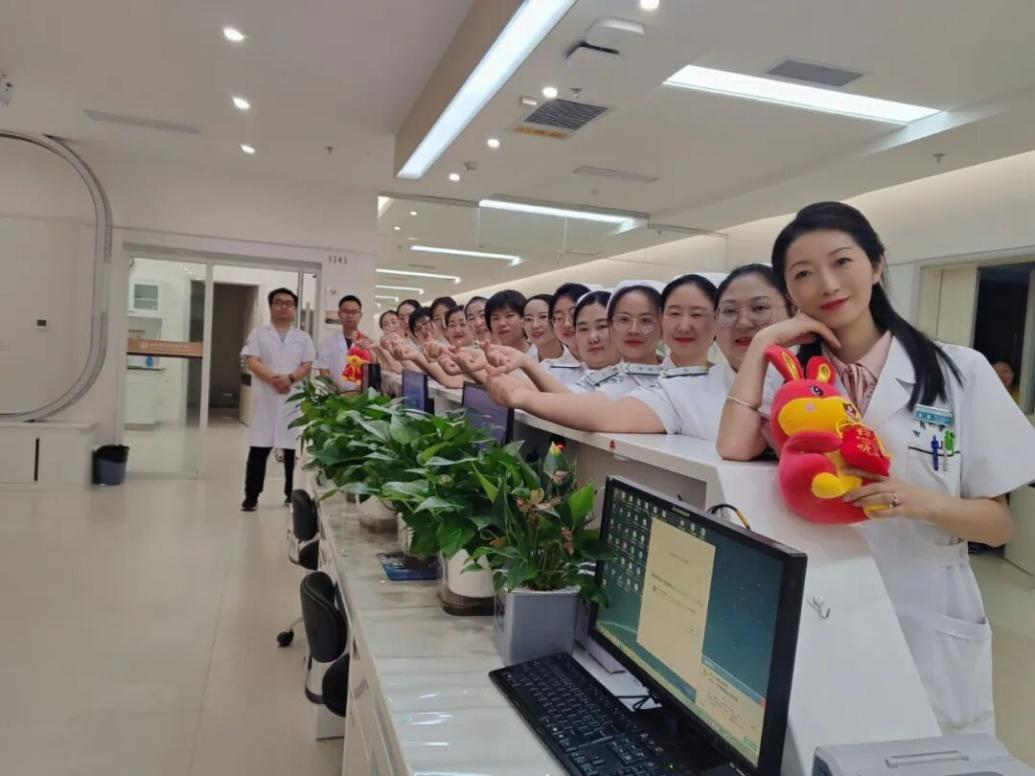
The Hematology Department of Gansu Wuwei Cancer Hospital comprises four sub-disciplines: the transplant ward, hematology ward, hematology laboratory, and the Wuwei Hematology Research Institute. The department operates 50 open beds. In 2019, it was selected as a member unit of the first national collaborative group for the diagnosis and treatment of pediatric hematological diseases and malignancies. In 2022, it was designated as a key discipline in Wuwei City. The department currently has one associate chief physician, three attending physicians, one laboratory supervisor, four resident physicians, and twelve nursing staff. The department primarily performs hematopoietic stem cell transplantation (including autologous and allogeneic), blood cell separation technology, bone marrow aspiration, bone marrow biopsy, lumbar puncture with intrathecal injection, PICC catheter insertion, PICC and CVC maintenance, port maintenance, and emergency rescue techniques for critically ill hematology patients. The diagnosis and treatment of diseases such as leukemia, lymphoma, multiple myeloma, aplastic anemia, and myelodysplastic syndromes have reached a leading level in the Hexi region, establishing significant specialized advantages in the diagnosis, treatment, and efficacy evaluation of hematological diseases. Founded in 2016, the hematology laboratory has continued the developmental direction of integrating clinical hematology with experimental techniques. Utilizing technologies such as flow cytometry, PCR instruments, Olympus optical microscopes, and immunohistochemistry, it diagnoses and classifies various common hematological diseases. The laboratory conducts tests including lymphocyte immunophenotyping, HLA-B27, bone marrow analysis, immunophenotyping of various leukemias and lymphomas, chromosome karyotype analysis, gene mutation detection, and minimal residual disease detection. It was also the first in the Hexi region to introduce advanced diagnostic techniques in hematology, such as molecular biology, cell biology, immunology, cytogenetics, and morphology, enabling the diagnosis and efficacy assessment of various blood disorders according to international and domestic standards. In 2018, the department established the Hexi region's first specialized lymphoma clinic. In 2019, it initiated hematopoietic stem cell transplantation, becoming the first prefecture-level city hospital in Gansu Province to do so and the first unit in the province to perform hematopoietic stem cell transplantation for HIV-associated lymphoma. In December 2024, the department completed its first fully matched allogeneic hematopoietic stem cell transplantation, also the first of its kind in a prefecture-level city in Gansu Province, filling a gap in the field for prefecture-level cities.
Introduction to the Head of Department

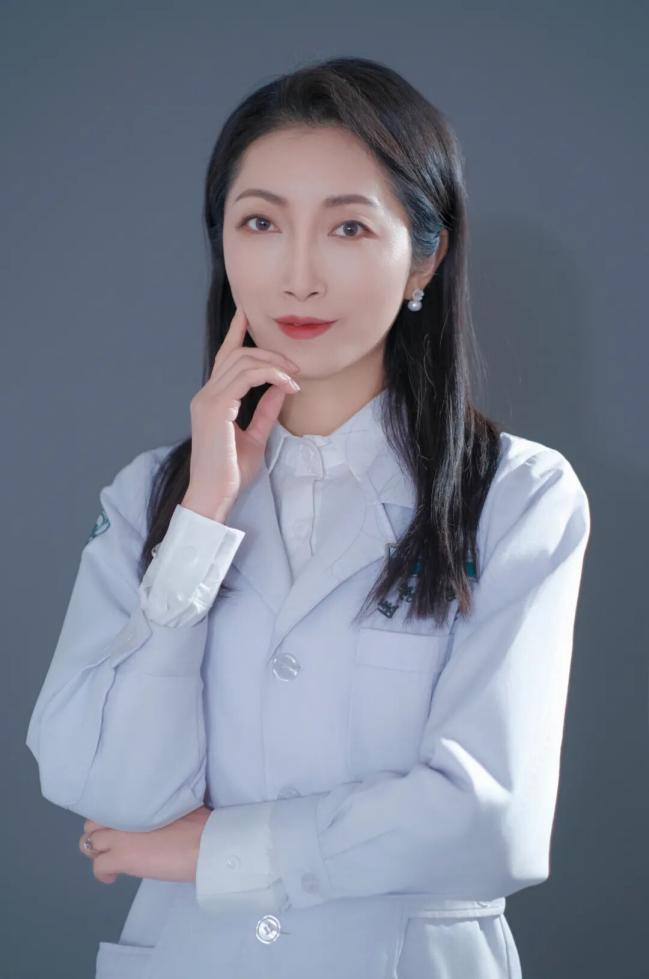
● Director, Hematology Department, Gansu Wuwei Cancer Hospital
● Youth Committee Member, First Youth Working Group, Hematological Disease Rehabilitation Committee, Chinese Association of Rehabilitation Medicine
● Member, Hematology Precision Diagnosis and Treatment Committee, Chinese Research Hospital Association
● Standing Committee Member, First Lymphoma Committee of Gansu Alliance, China Cancer Prevention and Treatment Alliance
● Member, Lymphoma Committee, China Association for Promotion of Health Science and Technology
● Standing Committee Member, First Flow Cytometry Committee, Gansu Immunology Society
● Member, Oncology Committee, Seventh Council of Gansu Association of Traditional Chinese Medicine
● Member, Hematology Committee, Integrated Medicine Physicians Branch, Gansu Medical Doctor Association
● Expert, Gansu Hematology Quality Control Center
● Standing Committee Member, Hematology Physicians Branch, Gansu Medical Doctor Association
● Standing Committee Member, First Hematology Committee, Gansu Association of Integrated Traditional and Western Medicine
● Member, Cell Professional Committee, Shaanxi Research Hospital Association
● Member, Second Lymphoma Committee, Gansu Anti-Cancer Association
● Deputy Director, Hematology Committee, Wuwei Medical Association
● Deputy Director, First Hematology Committee, Wuwei Association of Integrated Traditional and Western Medicine
● Expert, Wuwei Hematology Quality Control Center
● Outstanding Expert in "People's Good Doctor" (Lymphoma Field), People's Daily Online · People's Health