
The clinical efficacy of heavy-ion therapy in China garners widespread attention in oncology
The clinical efficacy of heavy-ion therapy in China garners widespread attention in oncology
Editor's Note: After ten years of construction and five years of clinical practice, the Wuwei Heavy Ion Center at Gansu Wuwei Cancer Hospital has delivered an inspiring "Chinese Answer" in the field of malignant tumor treatment. Its clinical efficacy has achieved a breakthrough leap: for refractory high-grade gliomas, the median progression-free survival of patients has nearly doubled compared to the internationally recognized photon Stupp study, with median survival extended by 13.4 months to reach 28 months. In cases of stage III locally advanced lung cancer, the 2-year overall survival rate increased by 19.3% compared to the RTOG0617 photon chemoradiotherapy study, offering hope for long-term survival to advanced-stage patients. Even against the "king of cancers," pancreatic cancer, heavy-ion therapy has shown significant advantages, extending patient survival by eight months compared to traditional photon treatment.
This series of encouraging clinical achievements not only marks China's heavy-ion tumor therapy technology firmly entering the international advanced ranks, achieving a historic leap from "catching up" to "running alongside" and then to "leading the way," but also, through the independent innovation and clinical breakthroughs of domestic technology, opens up a new path to extended life for cancer patients worldwide. It injects a powerful "Chinese momentum" into promoting the high-quality development of precision oncology in China.
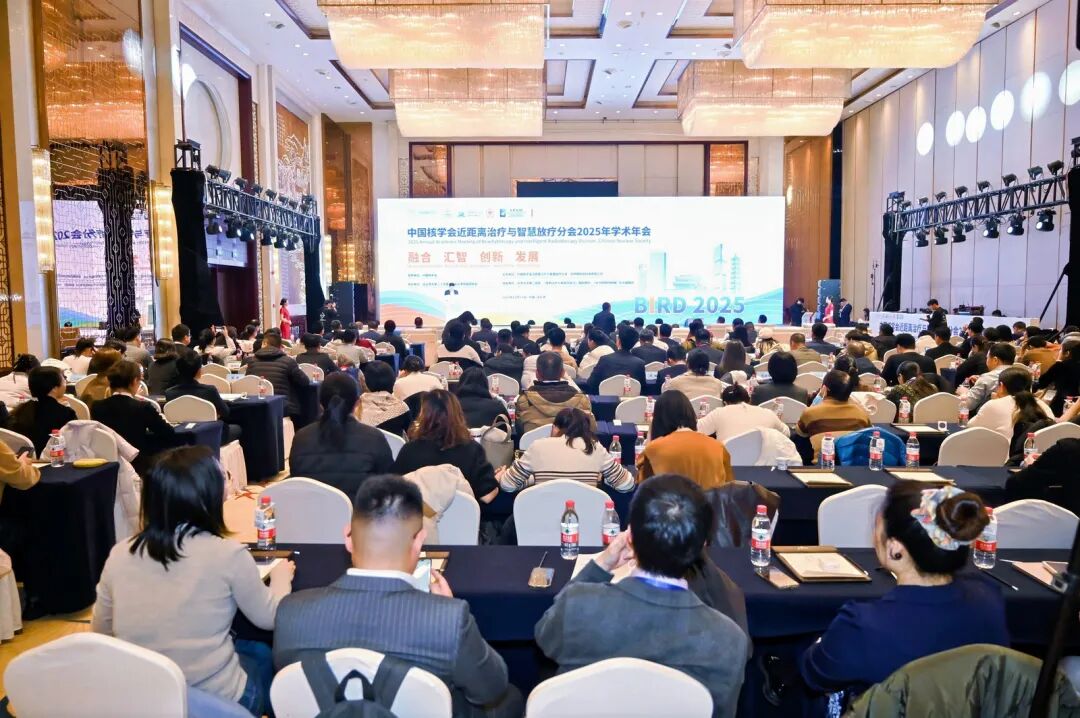
Mountains, Seas, and Lianyungang Gather Outstanding Talents; Wisdom and Radiotherapy Converge to Open a New Chapter. On December 5th and 6th, the 2025 Academic Annual Conference of the Chinese Nuclear Society's Branch of Brachytherapy and Intelligent Radiotherapy was grandly held in Lianyungang—a pivotal hub of the Belt and Road Initiative and a thriving coastal port city. With the theme of "Integration, Wisdom, Innovation, Development" as the call of the times, the conference brought together top experts, scholars, and leading institutional representatives from the field of radiotherapy nationwide. They engaged in dialogues on innovative breakthroughs in ion radiotherapy technology and discussed pathways for the high-quality development of precision radiotherapy. This event was not only a grand industry gathering focusing on "high-end, intelligent, and localized" advancements in China's radiotherapy field but also a crucial platform for propelling Chinese ion radiotherapy technology to the global forefront.
As a benchmark institution for the clinical translation of domestic heavy-ion therapy technology and a pioneer and leader in China's heavy-ion radiotherapy endeavor, Gansu Wuwei Cancer Hospital was invited to participate, with Professor Ye Yancheng, the hospital's president, leading a core team. Through a dual-driven showcase of "technological innovation + clinical practice," they comprehensively demonstrated the clinical strength and innovative vitality of domestic heavy-ion technology, injecting "Wuwei Power" and contributing "Chinese Wisdom" to the high-quality development of the industry.
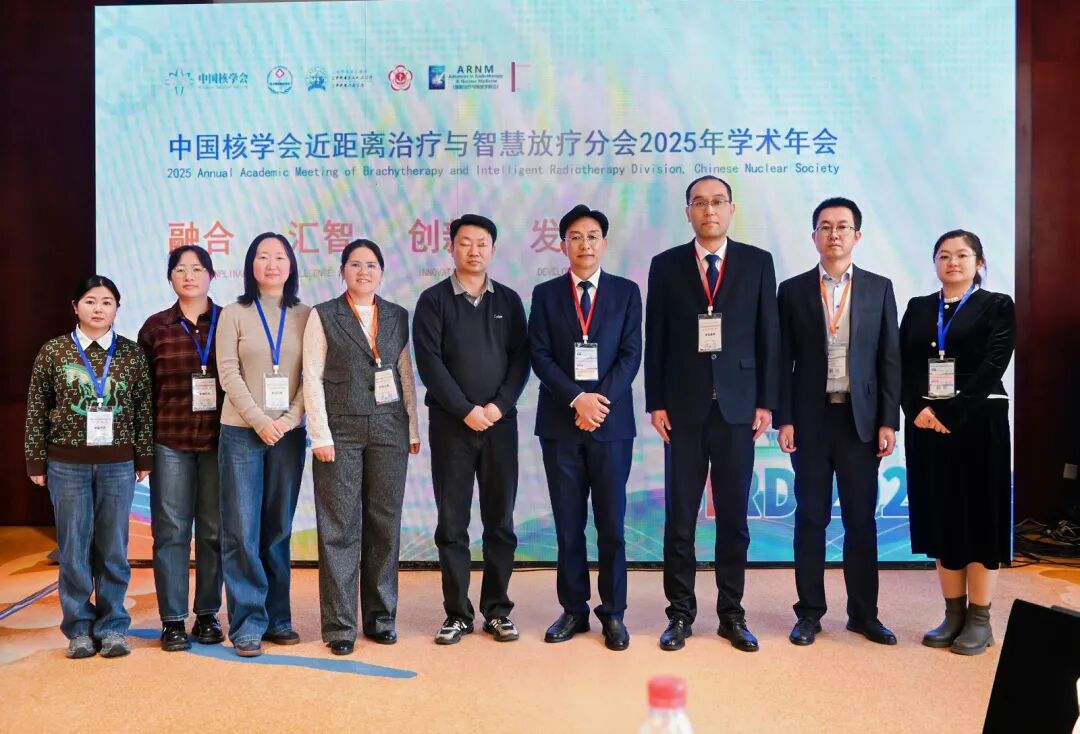
The conference featured one main venue and six specialized sub-venues, focusing on core areas such as emergency radiotherapy, radioactive iodine-125 seed therapy, Gamma Knife, linear accelerator applications, intelligent radiotherapy technology, proton and heavy-ion therapy, and integrated nuclear medicine diagnosis and treatment. It covered key directions including the latest advancements in ion radiotherapy technology, breakthroughs in clinical applications, and innovative research in radiation physics and radiobiology. Through keynote speeches, clinical case discussions, technical achievement sharing, and multidisciplinary in-depth dialogues, the participating experts sparked intellectual exchanges, built industry consensus, and provided "new ideas, new pathways, and new solutions" to address technological bottlenecks in the field of radiotherapy and promote interdisciplinary collaborative development. This effort will help China's radiotherapy sector advance from "catching up" to "running alongside" and eventually to "leading the way."
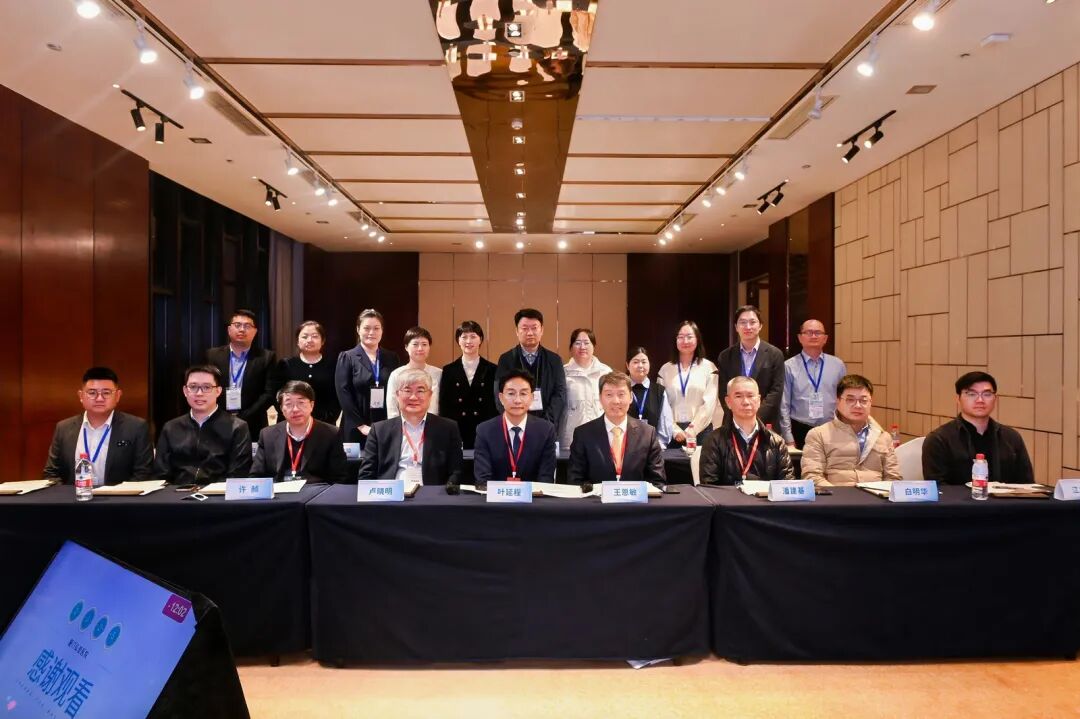
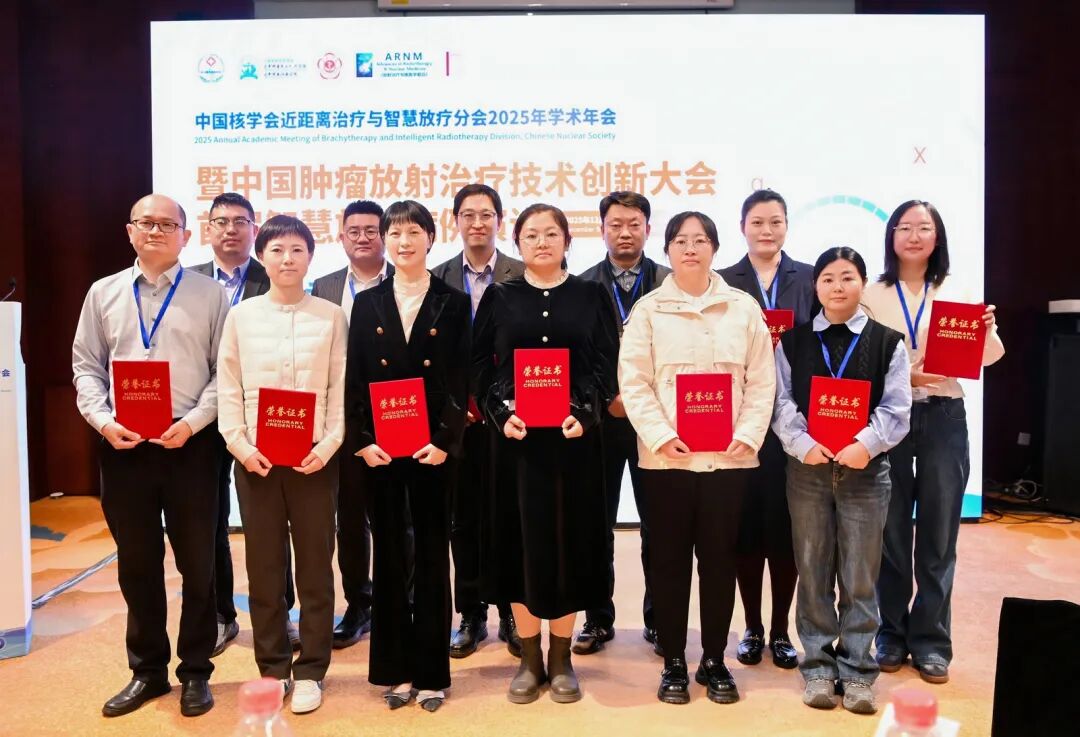
At the main venue, Dean Ye Yancheng delivered a keynote report titled Evaluation of Clinical Application Effects of Heavy Ion Innovative Technology. The report focused on clinical breakthroughs, revealing that heavy ion therapy has been completed for 2,466 cancer patients to date. This has resulted in the development of several globally leading or domestically pioneering techniques: precise radiotherapy under ventilator control, hypofractionated radiotherapy with 1–5 sessions, radiotherapy using organ-tumor isolation padding, as well as heavy ion diagnosis and treatment for bladder cancer and breast cancer. Encouraging results have also been achieved in the study of the abscopal effect of carbon ions. Additionally, the hospital has established a "Comprehensive and Full-Lifecycle Health Management Model for Cancer Patients," forming a closed-loop service of "assessment-treatment-rehabilitation," which has significantly improved patient survival rates and quality of life, providing strong support for the high-quality development of cancer prevention and treatment in China.
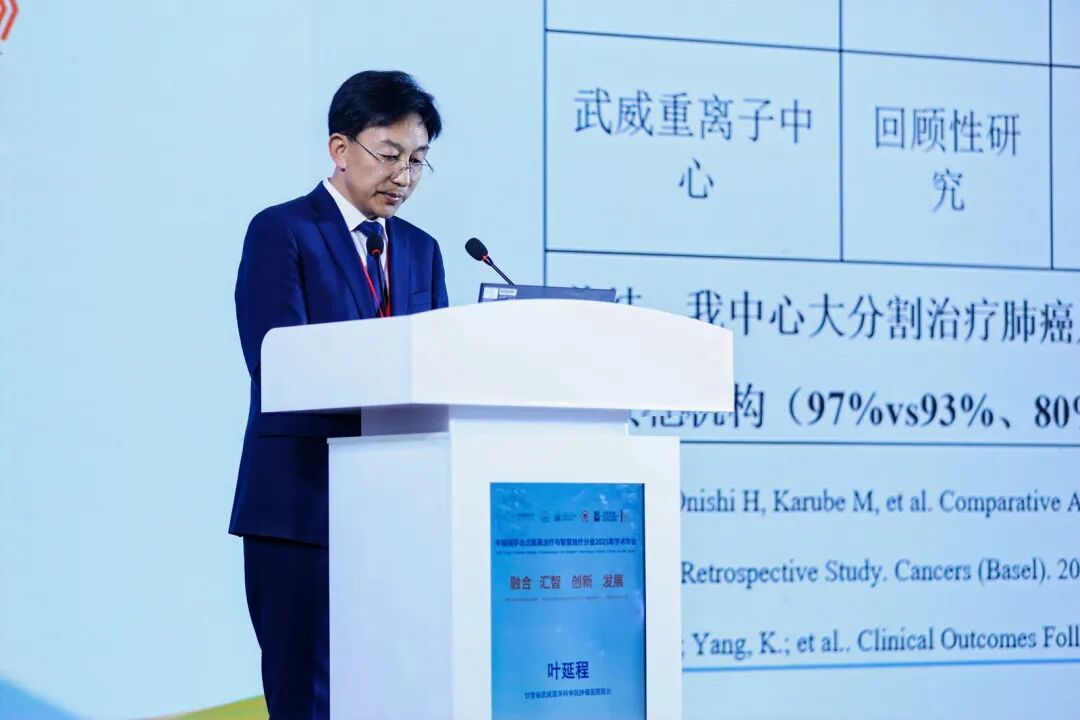
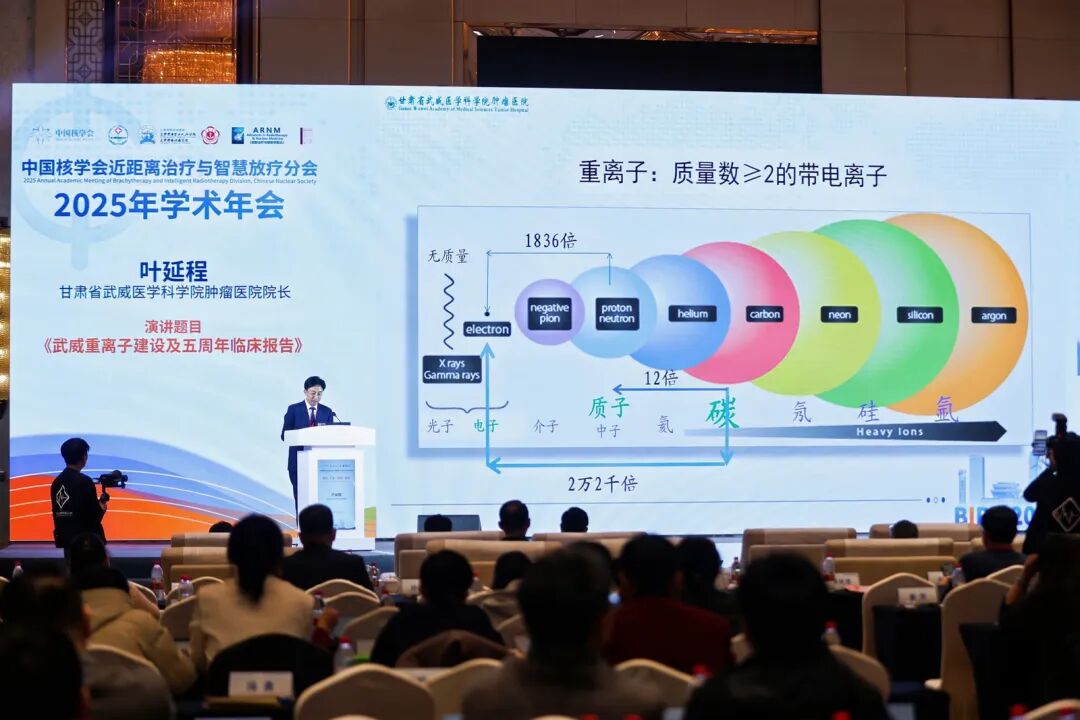
At the proton, heavy ion, and boron neutron capture therapy sub-venue, the team from Gansu Wuwei Cancer Hospital delivered a multi-faceted and comprehensive display of achievements, presenting a series of high-quality reports that highlighted the innovative depth and clinical sophistication of domestic heavy ion technology:
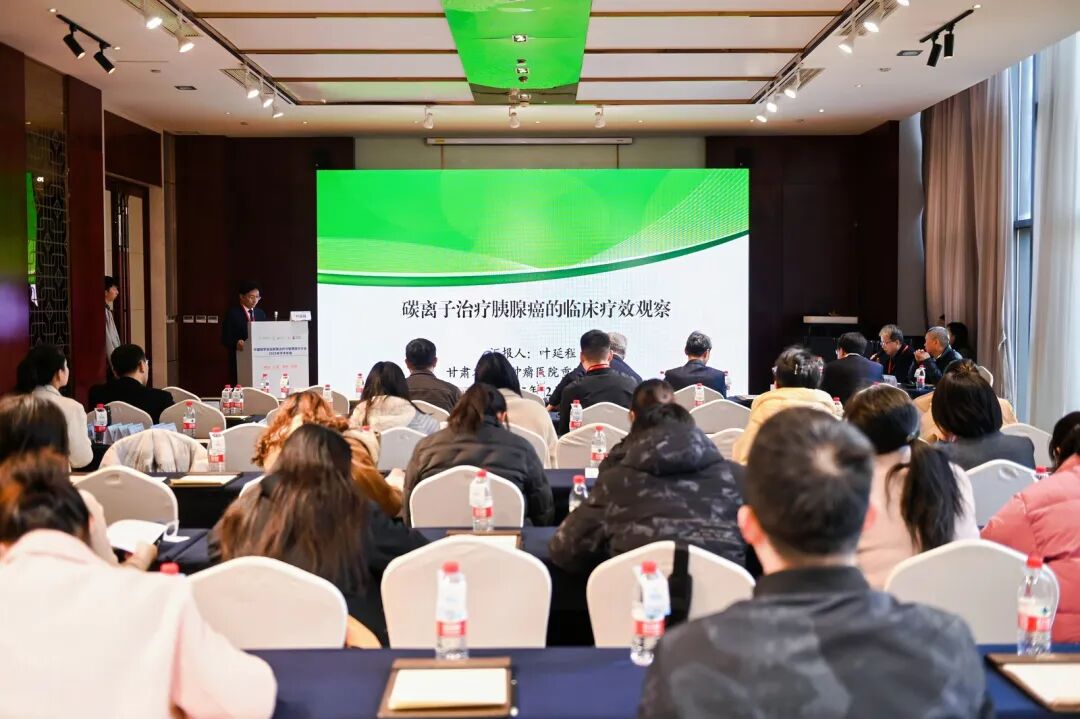
Dean Ye Yancheng focused on technological breakthroughs and delivered a special report titled Clinical Efficacy Observation of Carbon Ion Therapy for Pancreatic Cancer. Centered on pancreatic cancer—a globally recognized difficult-to-treat tumor—he provided an in-depth interpretation of innovative carbon ion therapy protocols, offering a new pathway to overcome clinical treatment bottlenecks for such cancers. Addressing the current international treatment landscape for pancreatic cancer, which has a five-year survival rate of only 7.2%, Gansu Wuwei Cancer Hospital leveraged its core heavy ion technology to achieve a breakthrough improvement in treatment efficacy. The median survival of patients reached 22 months, matching the advanced level of international radiotherapy and comparable to similar treatment outcomes in Japan. This demonstrates the core competitiveness of China's carbon ion therapy in the field of difficult-to-treat tumors and marks encouraging progress for the "Chinese approach."
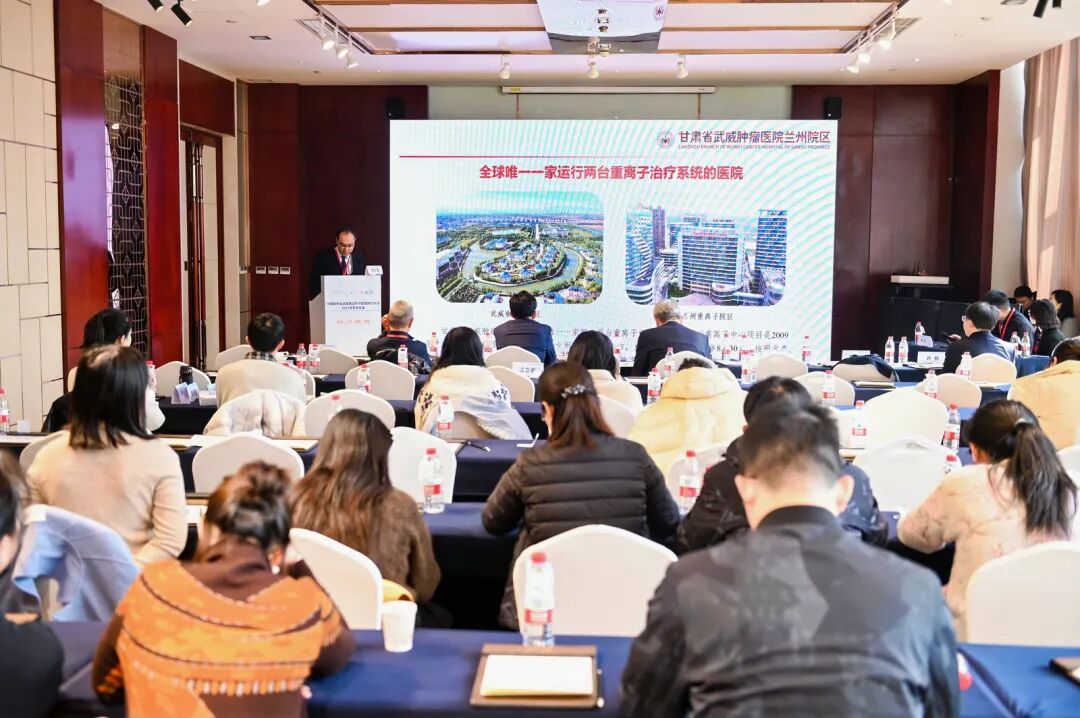
Deputy Director Li Xiaojun of the Lanzhou Heavy Ion Center delivered a presentation titled Clinical Research and Practice of Lanzhou Heavy Ion Therapy, sharing the exploratory achievements of domestic heavy ion technology in clinical research and translational applications, and demonstrating the clinical compatibility and technical reliability of domestically produced equipment.
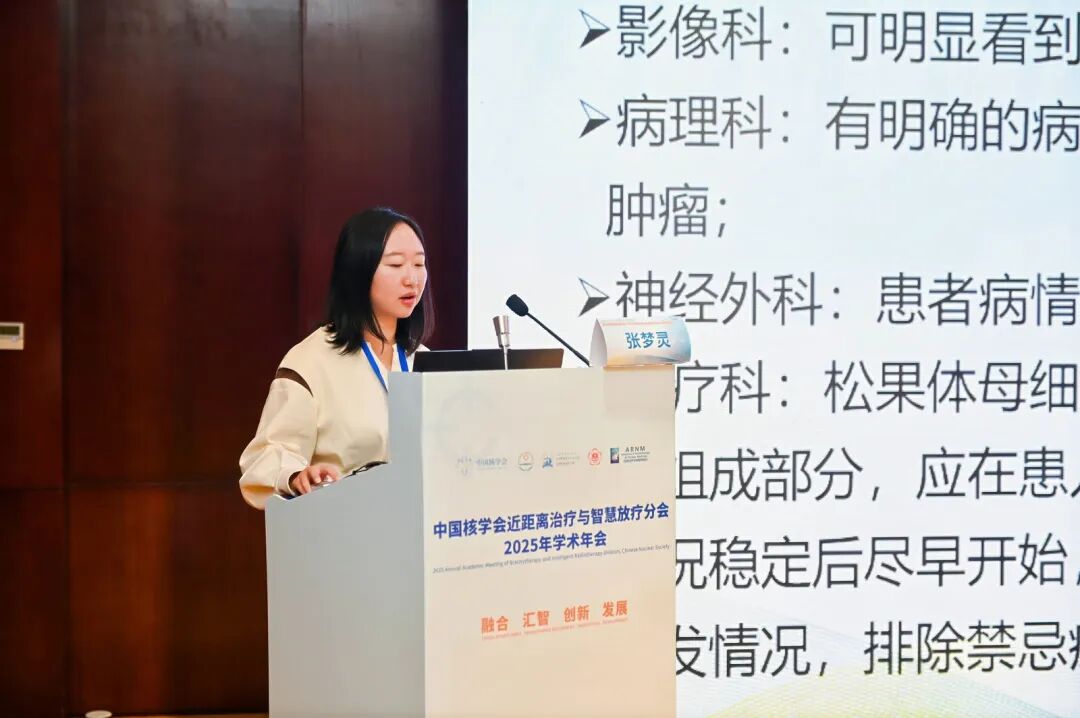
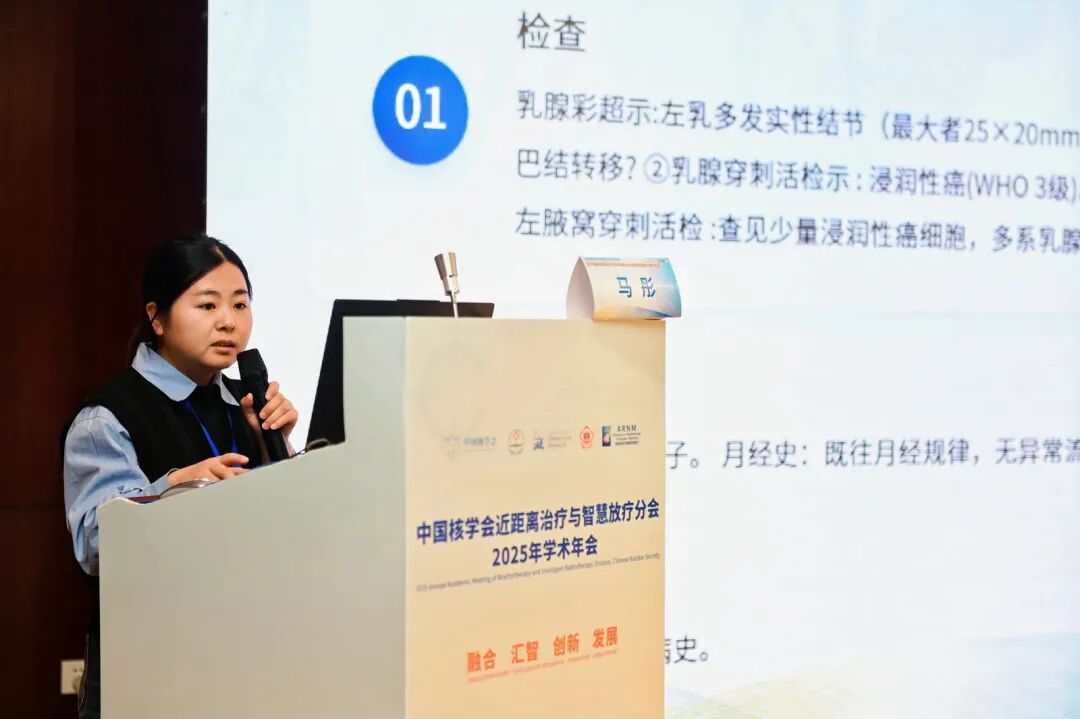
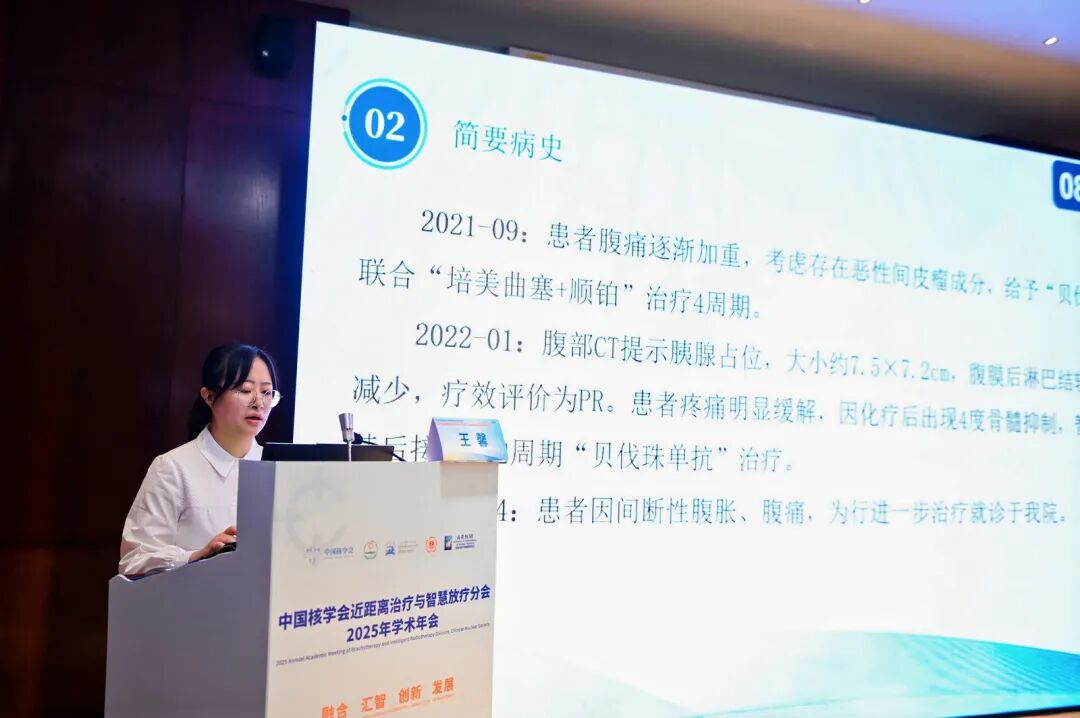
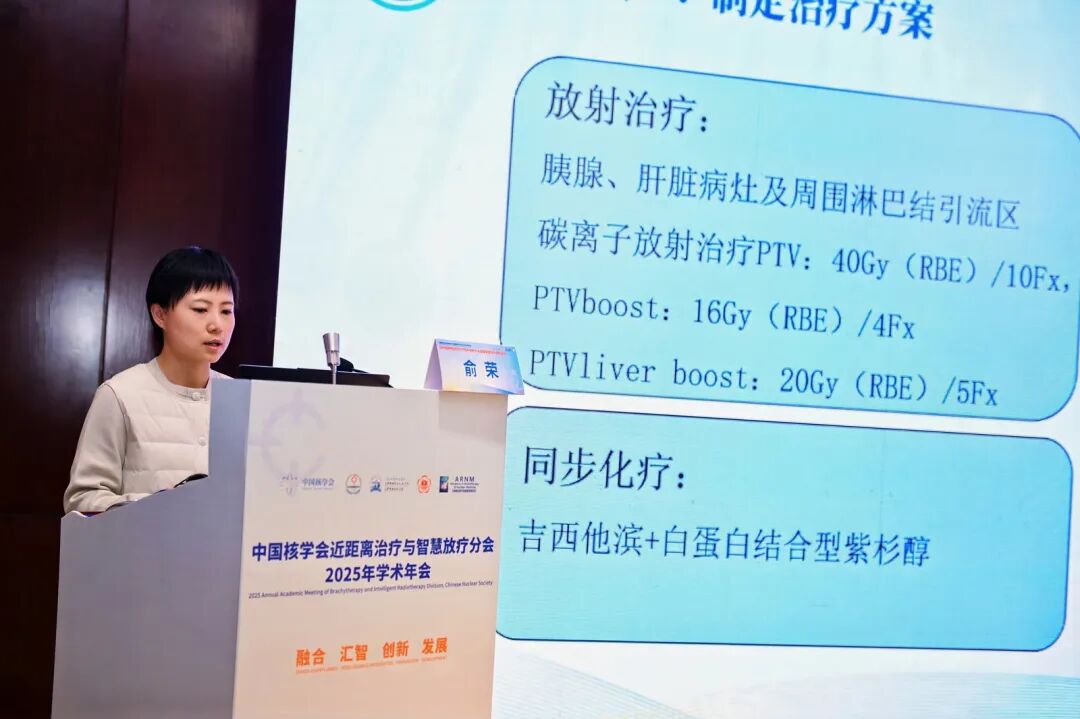
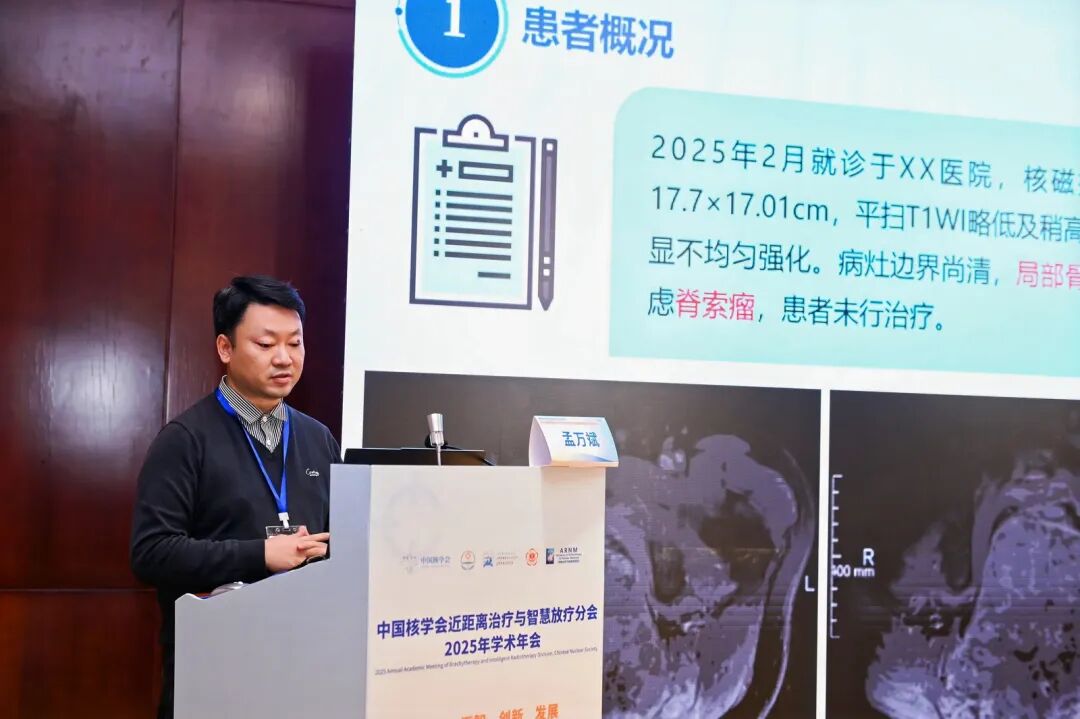
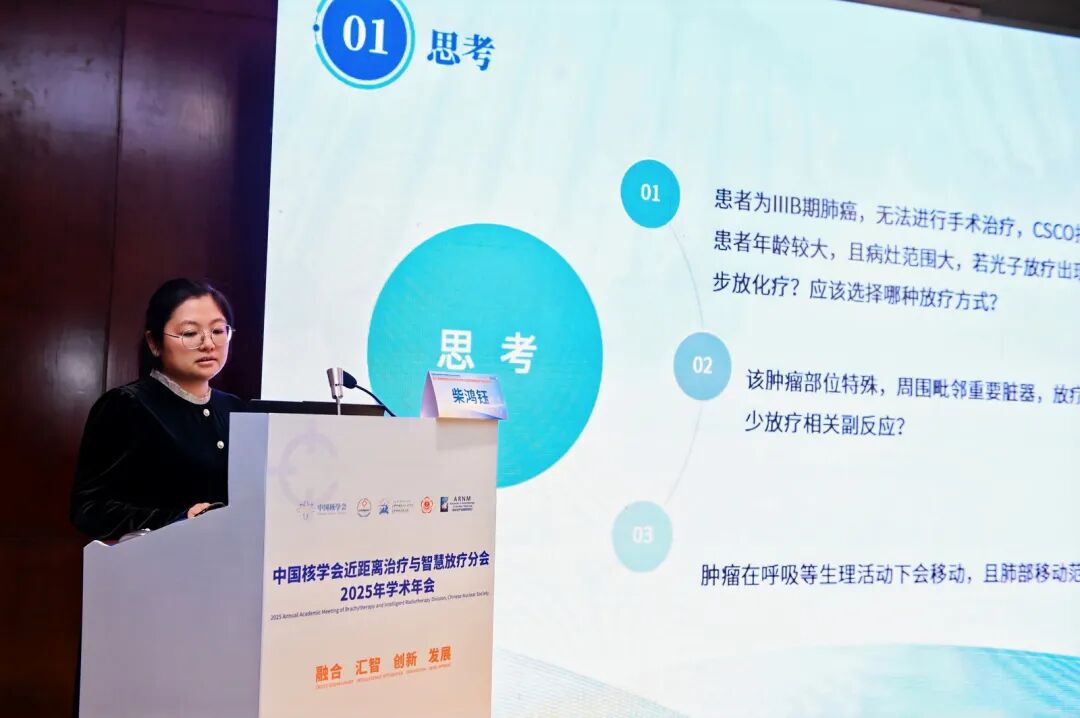
Zhang Mengling, Ma Tong, Wang Xin, Yu Rong, Meng Wanbin, and Chai Hongyu respectively presented on topics including: Application of Intelligent Radiotherapy in Pediatric Pinealoblastoma: Hippocampal-Sparing Craniospinal Irradiation Practice, Application of Intelligent Radiotherapy in Stage III Triple-Negative Breast Cancer: Radical Heavy Ion Therapy for Stage III Triple-Negative Breast Cancer, Personalized Radiotherapy for Rare Adult Pancreatoblastoma—A Case Report of 3-Year Progression-Free Survival, Spatially Fractionated Carbon Ion Radiotherapy, Carbon Ion Radiotherapy for Metastatic Pancreatic Cancer: A Case Report, and Remarkable Lungs, Intelligent Navigation: Clinical Practice of Adaptive Carbon Ion Radiotherapy for Lung Cancer and Dynamic Target Delineation. From perspectives such as the diagnosis and treatment of rare cases and the application of innovative radiotherapy techniques, these presentations further demonstrated the clinical flexibility and therapeutic advantages of domestically produced heavy ion technology.
In the future, Gansu Wuwei Cancer Hospital will continue to deepen its commitment to technological innovation and clinical application in heavy-ion therapy. Aiming to become "a global destination for patients to overcome cancer," the hospital will enhance multi-center collaboration, promote the transformation of technological achievements, and improve the diagnosis and treatment system. This will continuously elevate the clinical efficacy and international competitiveness of domestically produced heavy-ion technology, offering more cancer patients "precise, safe, and effective" new treatment options. By doing so, the hospital will help solidify China's core voice in the global field of ion radiotherapy and contribute more "Chinese solutions" and "Chinese strength" to the global fight against cancer.