May Day Holiday:Liangzhou Memory Folklore Museum Draws Crowds
International Workers' Day: Liangzhou Memory Folklore Museum Draws Crowds
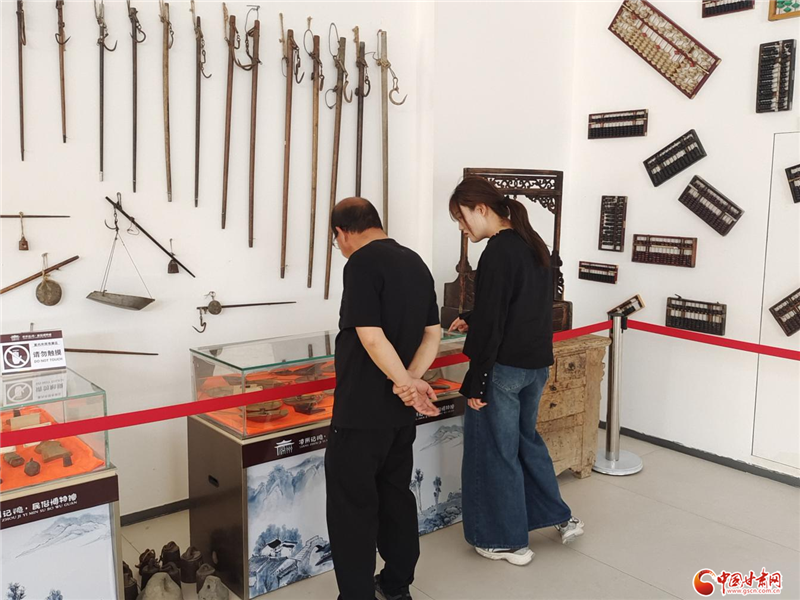
This year’s Internationgal Worker's Day witnessed the Liangzhou Memory Folklore Museum become a sought-after destination for tourists, setting off a wave of enthusiasm for folk culture. Visitors immersed themselves in this treasure trove of history, relishing the unique charm of time-honored traditions while reconnecting with memories and nostalgia.
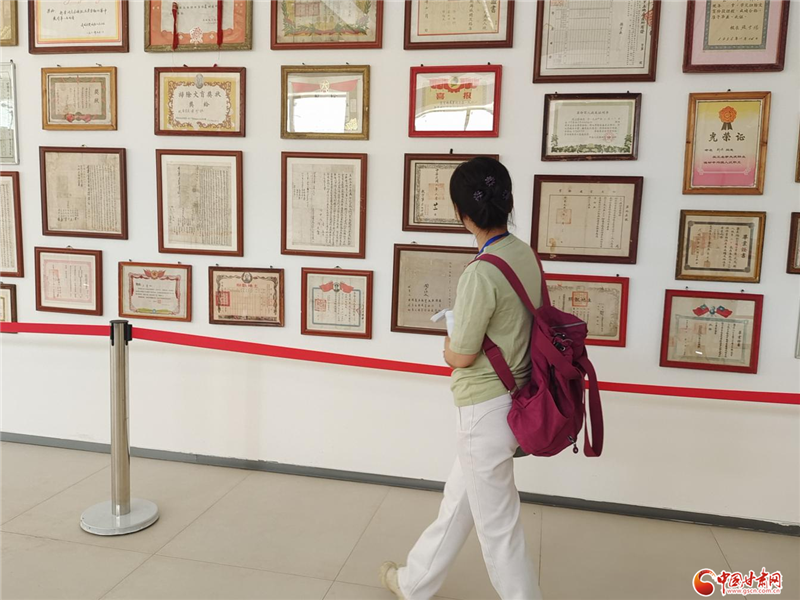
Located within the Wellness Garden of the Wuwei Heavy Ion Center, the Liangzhou Memory Folklore Museum spans 15,000 square meters. As a comprehensive public exhibition hall, it integrates collection, display, research, experiential learning, and education. Housing tens of thousands of antique artifacts, the hall showcases everything from ancient stone tools and exquisite pottery to rustic woodenware, heavy ironware, vintage clocks, dim oil lamps, tickets and certificates, diverse traditional clothing and so on. Each piece serves as a vivid history book, quietly narrating tales of the past and transporting visitors through time to revisit distant eras.
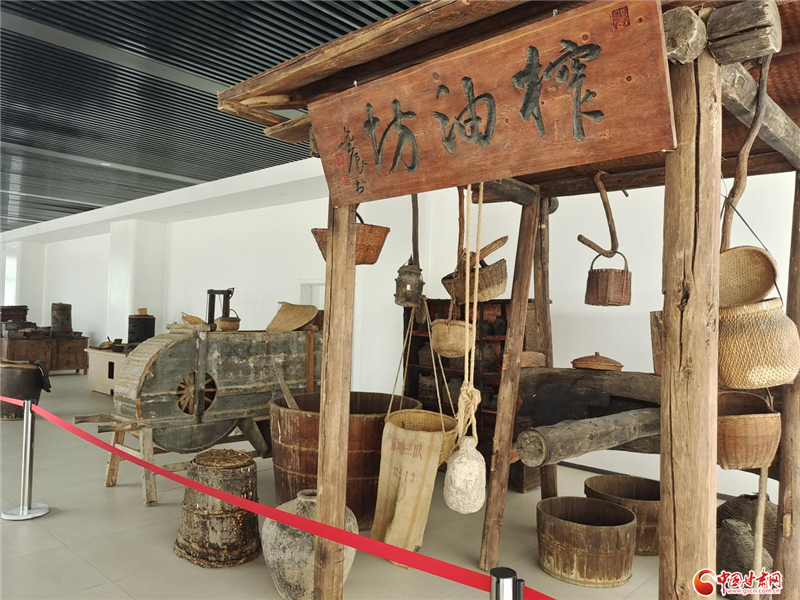
The museum is thoughtfully divided into themed zones: Agricultural Culture, Nomadic Culture, Commerce Culture, Daily Life (clothing, food, housing, transportation), Production Tools, Folk Arts, Local Customs, Festive Traditions, Craft Workshops, Market Life, "Mirror Era" Memorabilia, Traditional Chinese Medicine, and more. In the Agricultural Culture Zone, visitors gather around an ancient plow, listening as guides recount how ancestors toiled in vast fields, nurturing harvests with sweat. The earthy farming tools evoke the scent of ripe wheat, immersing guests in the rhythms of rural life. Meanwhile, the Nomadic Culture Zone displays felt blankets, horse saddles, and leather pouches, painting a vivid picture of pastoral life on the vast steppes—herders roaming with their flocks, galloping on horseback. Many linger here, eyes brimming with longing for that free-spirited way of life.
The Folk Arts zone buzzes with activity. Intricate paper-cuttings, lifelike embroidery, rustic wood carvings, and lively shadow puppets shine like pearls, embodying the wisdom of ancestors. An elderly visitor stood before a delicate embroidery piece, tears welling up in his eyes. "The stitches, the patterns—they’re exactly like the heirlooms from my childhood," he murmured. "I never thought I’d see these vanished art forms again, which is priceless!" Nearby tourists, moved by his words, nodded in shared admiration.
In the Festive Traditions zone, ceremonial artifacts like dragon lanterns, drums, Spring Festival couplets, and "fu" characters recreate the vibrant energy of past celebrations. A mother guided her child through the exhibits, pointing to red couplets. "Every festival has its unique customs," she said. "These are cultural treasures passed down by our ancestors. You must remember them well." The child gazed wide-eyed, listening intently, as if planting a seed of love for folk culture in his heart.
Visitors of all ages and backgrounds marveled at the exhibition hall’s depth. One outsider remarked, "I’d heard it was wonderful, but walking in, I realized this isn’t just a gallery—it’s a living encyclopedia of folk heritage! This May Day, we came to the right place. What a journey!"
TheLiangzhou Memory Folklore Museum stands as a bridge between history and modernity, safeguarding the collective memory of Liangzhou’s people. It will continue to serve as a vital platform for sharing folk culture, opening doors to the past for all who visit—letting the brilliance of tradition illuminate the path forward.