
Technology-Enabled Care, Smart Guardianship of Health
Technology-Enabled Care, Smart Guardianship of Health
—Cardiovascular Internal Medicine Telemetry Electrocardiographic Monitoring System
To actively respond to the call for precise and comprehensive management of cardiovascular diseases and to address the industry pain points of traditional wired ECG monitoring—such as "wires restricting patient movement, fragmented data, and delayed nursing responses"—our hospital’s cardiology department has taken the lead in introducing a telemetry ECG monitoring system. With wireless transmission technology at its core, this system builds a new smart care model characterized by "around-the-clock monitoring, full-scenario coverage, and end-to-end efficiency." This represents a leap from "passive bedside monitoring" to "active and precise care," injecting powerful technological momentum into patient recovery and the enhancement of nursing quality.
I. Core Advantages:
Two-way empowerment, taking both patient experience and nursing efficiency into account
(I) Patient-Centered Care, Unlocking the "Freedom of Recovery"
The telemetry ECG monitoring terminal is compact, lightweight, and comfortable to wear, completely freeing patients from the hassle of traditional tangled cables. It does not interfere with daily activities such as dressing, eating, turning over, or getting out of bed to walk. Patients can move freely within the ward and even engage in early rehabilitation exercises under medical guidance, effectively promoting blood circulation, improving cardiopulmonary function, and reducing the risk of complications associated with prolonged bed rest.
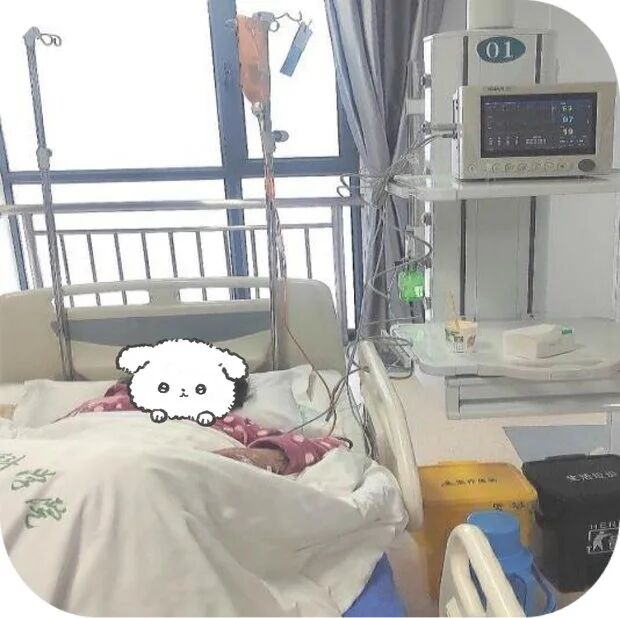
Before improvement
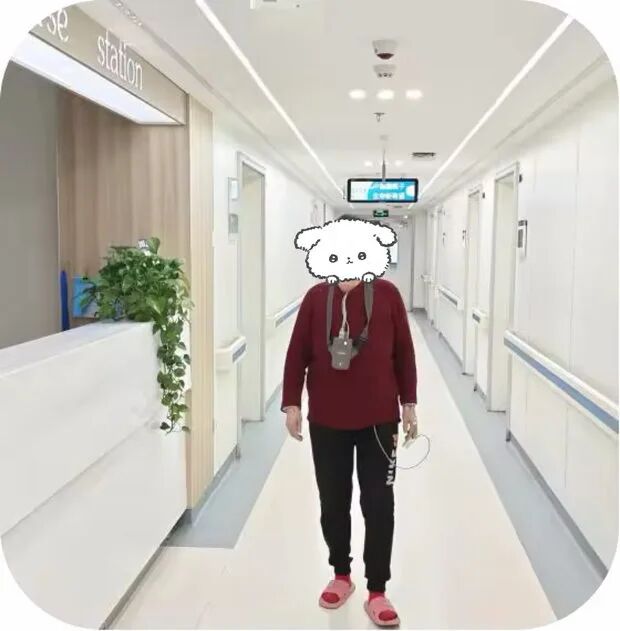
After improvement
(II) Nursing-Centric Approach, Enhancing Service "Precision"
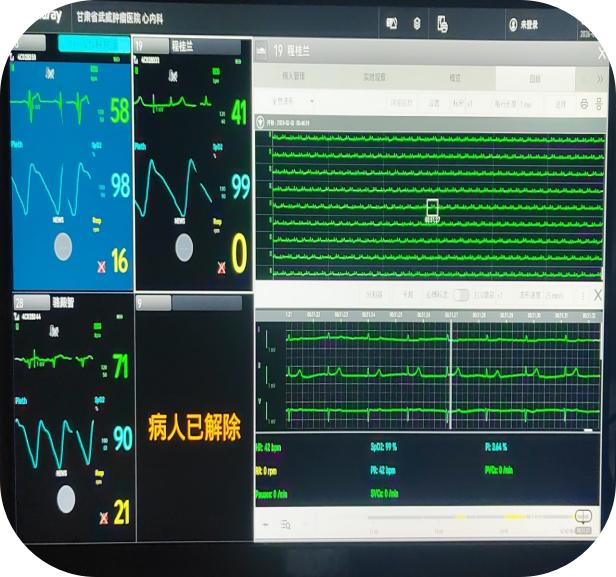
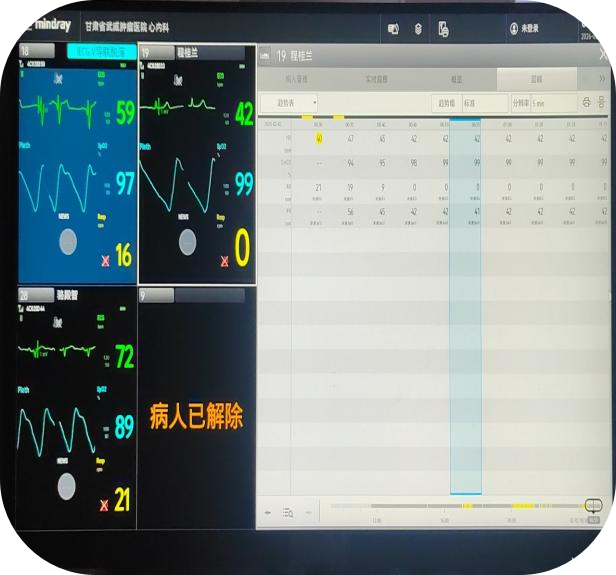
The central monitoring platform at the nursing station can simultaneously connect to multiple telemetry terminals, displaying real-time key information such as patients' ECG waveforms, heart rate values, and abnormal event markers. This enables a centralized management model of "one attendant monitoring multiple patients." When abnormalities such as tachycardia, bradycardia, or arrhythmia occur in a patient, the platform immediately triggers audible and visual alarms and accurately identifies the patient’s information. Nurses can then promptly arrive at the bedside to intervene, significantly reducing emergency response time and securing the golden window for patient treatment.
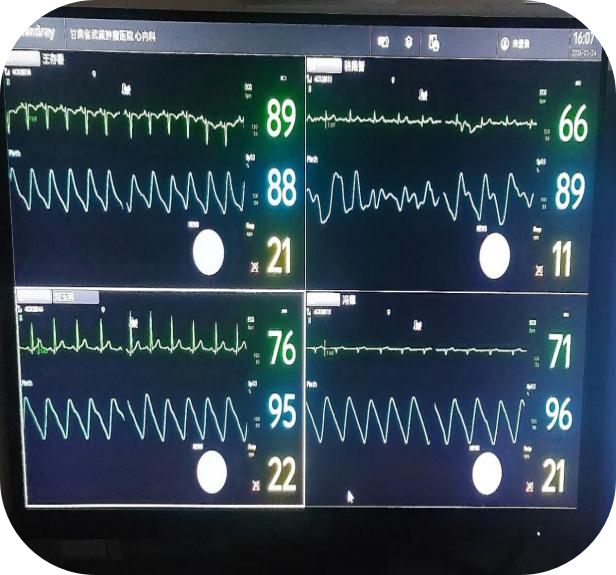
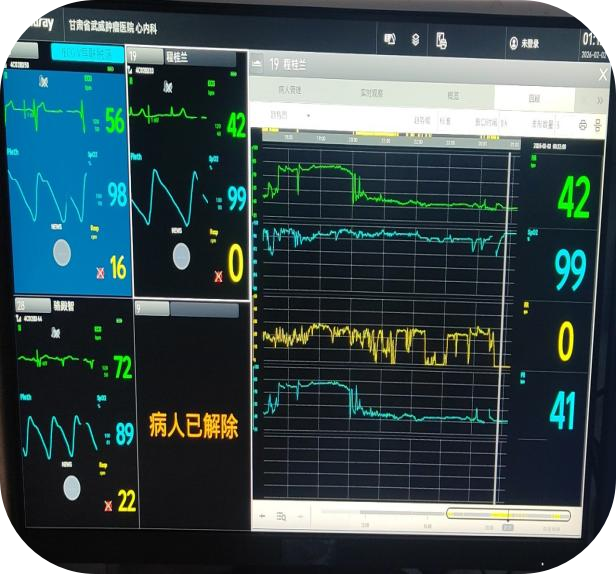
(III) Management-Driven Approach, Activating "Quality Enhancement Points"
Through the centralized monitoring model, the nursing station can allocate human resources more rationally, reduce the need for single-bed monitoring, and return nurses' time to patients. This achieves the management objectives of "reducing burden, improving quality, and optimizing services." Additionally, the system supports automatic storage, historical review, and trend analysis of ECG data, providing precise data support for medical staff to review changes in patients' conditions and optimize treatment plans, thereby driving continuous improvement in nursing quality.
II. Application Highlights:
Full-scenario coverage, adapting to diverse nursing needs
Postoperative Recovery Period: For patients after cardiac interventions, coronary artery bypass grafting, and other surgeries, telemetry monitoring not only meets the medical need for dynamic ECG monitoring but also supports the rehabilitation need for early out-of-bed exercises, achieving a dual acceleration of "medical safety and recovery progress."
Critical Observation Period: For critically ill patients, such as those with acute myocardial infarction or severe arrhythmias, whose condition has stabilized, telemetry monitoring enables seamless monitoring from bedside to ward to rehabilitation area. It provides continuous protection against changes in the patient's condition, reinforcing the safety net.
Routine Hospitalization Period: For general inpatients requiring long-term ECG monitoring, telemetry allows monitoring during free movement. This not only enhances hospitalization comfort but also frees up nursing resources to focus on core clinical tasks, thereby optimizing the utilization of medical resources.
III. Innovative Value:
Technology empowers nursing and sets a new benchmark for nursing services
The successful application of the telemetry electrocardiographic monitoring system is a significant initiative by our hospital's cardiovascular department in practicing the "patient-centered" service philosophy and promoting innovation in nursing care. This model not only overcomes the technical limitations of traditional monitoring methods but also achieves simultaneous improvements in nursing quality, patient experience, and management efficiency through technological empowerment. It drives the transformation of nursing work from "experience-driven" to "data-driven" and from "decentralized management" to "centralized coordination," providing strong support for enhancing the quality of nursing and building a service brand within the department. This approach represents a practical, innovative, and widely applicable "golden idea" for nursing stations.
Department Profile
The Cardiology Department of Gansu Wuwei Cancer Hospital is a provincial-level key specialty in Gansu Province. In April 2023, it passed the national certification as a Chest Pain Center. The department is also a member of the Wuwei City Chest Pain Center Alliance, a branch center of the National Cardiovascular Disease Center's Hypertension Specialty Medical Consortium, and a participating unit in the construction of the China Atrial Fibrillation Center. Additionally, it is a member of the National Heart Failure Medical Consortium. The department currently has a team of 10 physicians, including 2 chief physicians, 1 associate chief physician, 4 attending physicians, and 3 resident physicians. Among them, 4 physicians hold national certifications from the National Health Commission for interventional diagnosis and treatment of coronary heart disease and arrhythmias. With strong support from hospital leadership and collaboration with other departments, the department routinely performs advanced procedures such as three-dimensional radiofrequency ablation for atrial fibrillation, supraventricular tachycardia, and ventricular tachycardia, as well as interventional closure for congenital heart diseases.
The department consistently adheres to a patient-centered approach, with a core focus on improving service quality. It firmly upholds the principle that "no award or honor is more valuable than the reputation earned from patients." All staff members are committed to continuing their dedication, providing warm and attentive care, and striving for excellence in serving patients from Wuwei and surrounding regions.