Micro in Form, Beautiful at Heart – Our Hospital Successfully Performs Endoscopic Radical Thyroidect
Micro in Form, Beautiful at Heart – Our Hospital Successfully Performs Endoscopic Radical Thyroidectomy for Thyroid Cancer
In recent years, with the increasing incidence of thyroid tumors, thyroid cancer has become the fastest-growing malignant tumor globally. However, most thyroid cancers have low malignancy, and with standardized treatment, the majority of patients can be cured. Clinically, while focusing on efficacy, patients also pursue aesthetic appearance, especially young women, who often strongly reject the neck scars resulting from traditional surgery. How can we achieve both health and beauty? Today, as minimally invasive techniques lead the development of surgical procedures, endoscopic thyroid surgery "has emerged after much anticipation," fully inaugurating the "scarless era" of thyroid surgery.
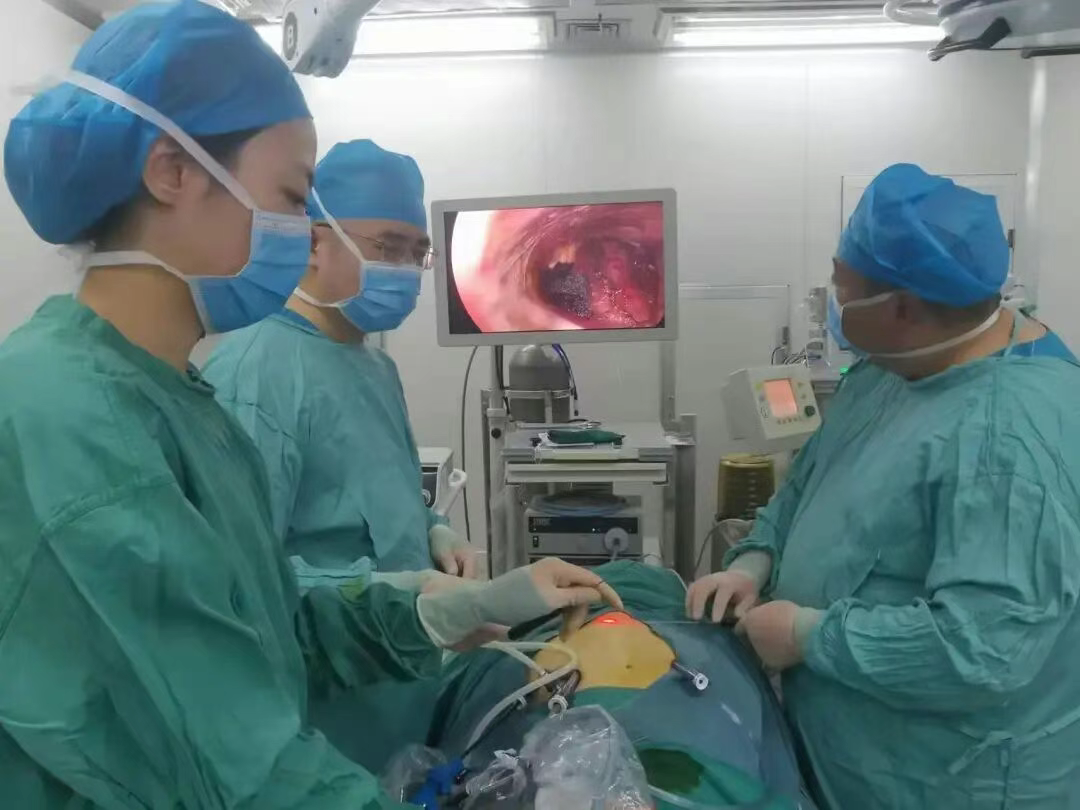
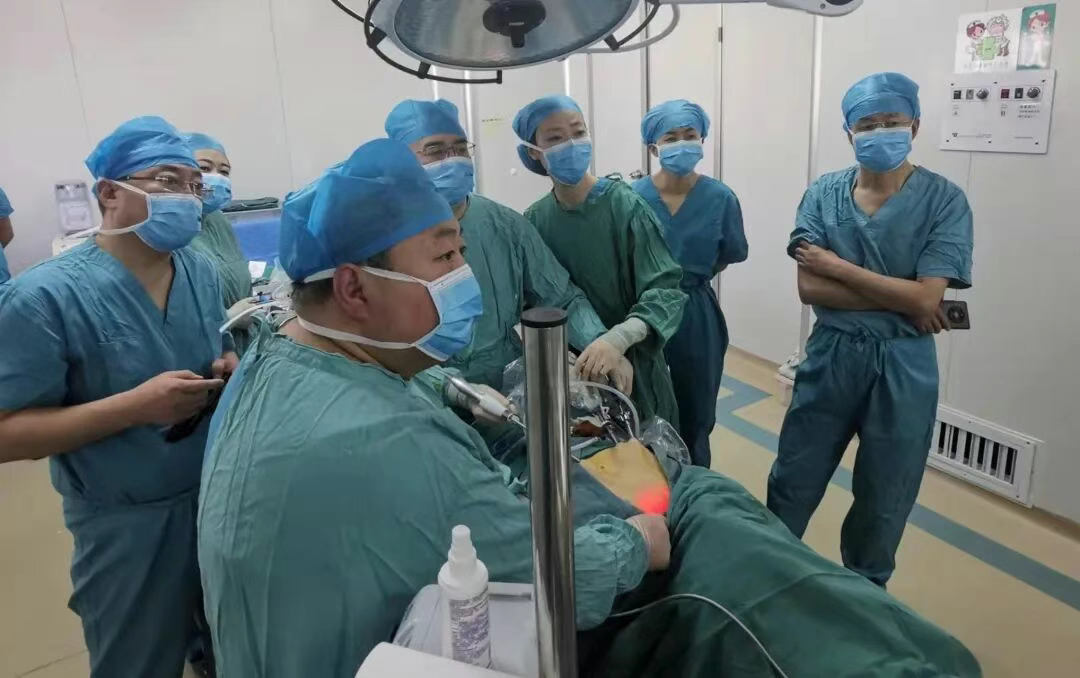
On December 18, 2021, under the guidance of Professor Qu Kunpeng, Director of the Sixth Department of General Surgery at Gansu Provincial Hospital, the head and neck surgery team led by Director Zhou Junnian at our hospital successfully performed two cases of endoscopic radical thyroidectomy for thyroid cancer, marking the entry of our hospital's thyroid tumor treatment into a brand-new era.
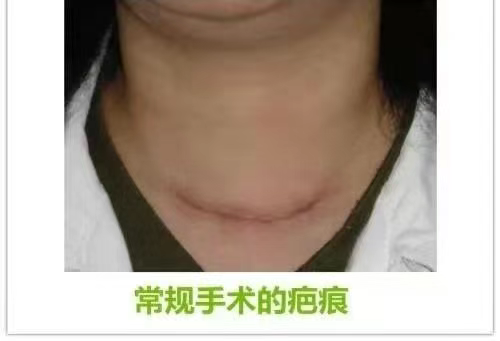
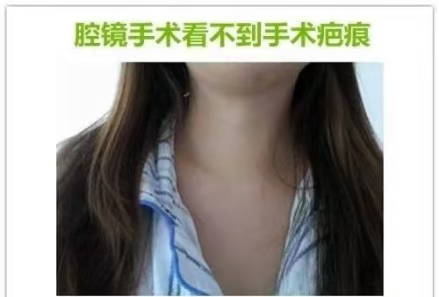
The traditional thyroid surgery procedure involves an incision approximately 5-10 cm long on the neck, which leaves a scar postoperatively. Particularly for patients with a keloid predisposition, the postoperative scar is noticeable and affects aesthetics, always leaving a sense of imperfection. Endoscopic thyroid surgery makes one 1.0 cm incision and two 0.5 cm incisions around the areolae. This relocates and hides the scar that would normally be on the neck to a concealed area of the body. It only creates a small operative space in front of the neck. Utilizing delicate endoscopic instruments and advanced ultrasonic knife equipment, this approach provides a broader surgical field, better exposure of blood vessels and nerves, and more thorough hemostasis and coagulation, allowing for the perfect removal of the thyroid tumor. Thus, it rewrites the history of long incisions and large scars on the neck, with patients typically able to be discharged within 3-5 days after surgery. It enables patients to achieve satisfactory clinical treatment outcomes while attaining minimally invasive and cosmetic effects.
The main advantages of endoscopic thyroid surgery are:
- The surgical sites are relatively concealed, surgical scars are small, pain levels are low, and it has minimal impact on the patient's appearance, making it more acceptable to a wider range of thyroid cancer patients.
- Endoscopic thyroid surgery, aided by the endoscope's display, allows observation of a larger surgical field. The anatomical structures of the thyroid are clearer, and operations are more accurate and reliable, maximizing the prevention of accidental resection of structures like the parathyroid glands, trachea, and major blood vessels, and effectively preventing occurrences such as nerve injury.
- Endoscopic thyroid surgery has fewer postoperative complications. Traditional surgery can easily lead to a series of complications, such as recurrent laryngeal nerve injury, fat liquefaction, wound infection, and wound bleeding, while endoscopic surgery significantly shortens the hospital stay.
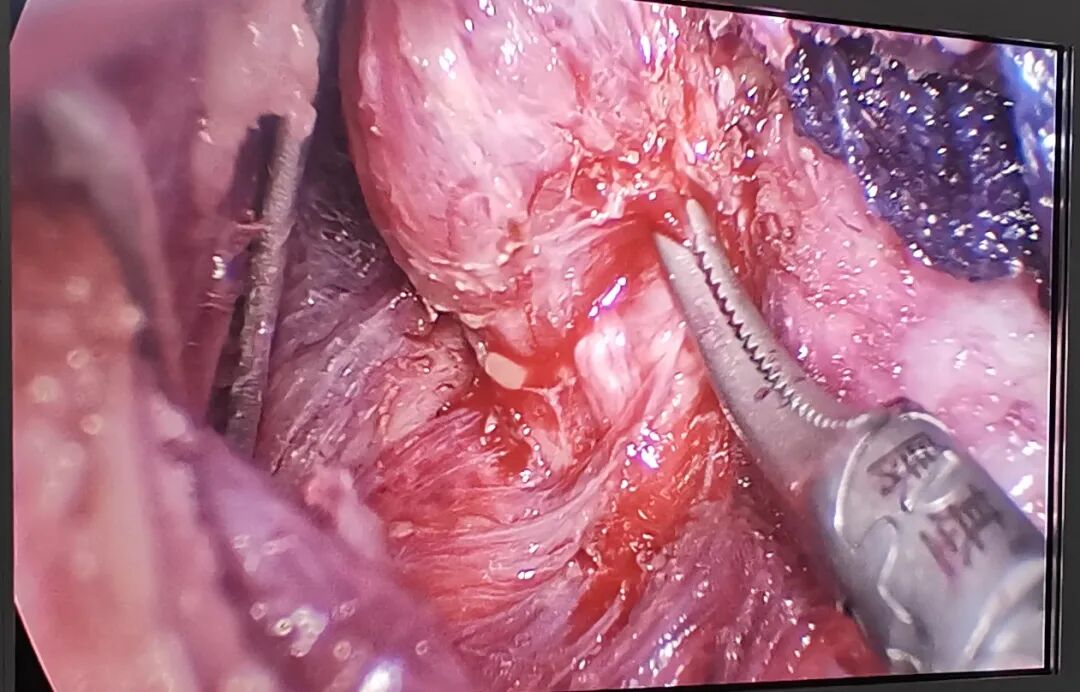
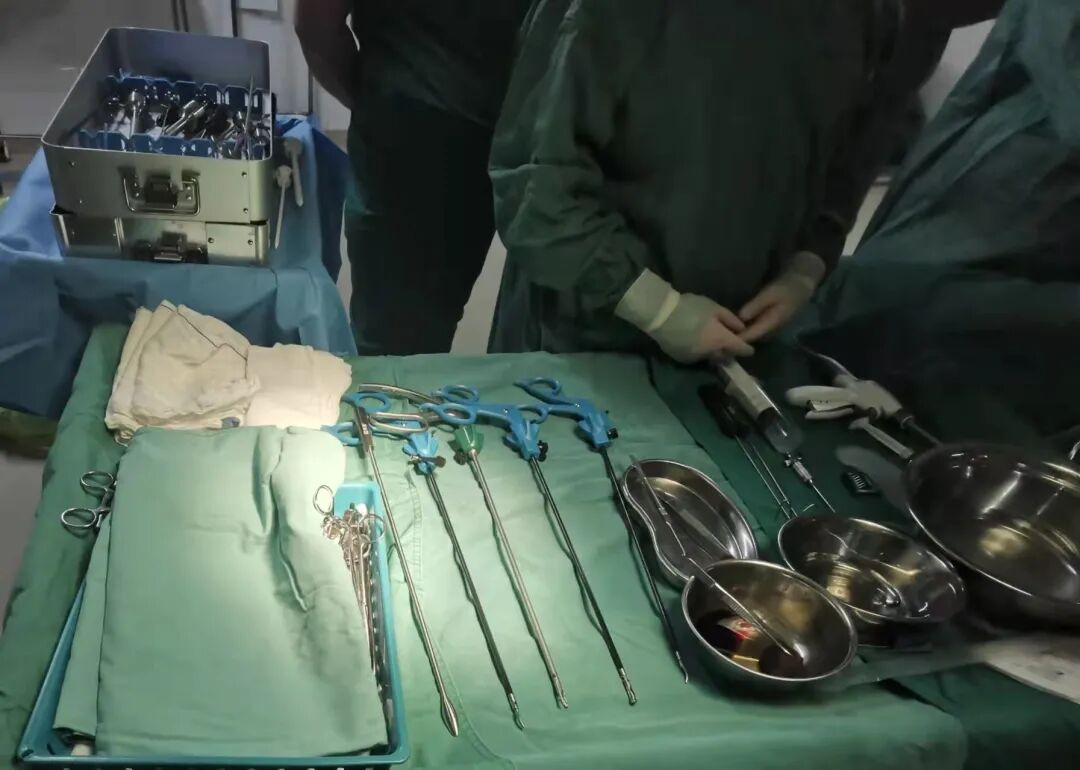
With the strong support of the hospital leadership, the Head and Neck Surgery Department has now purchased a full set of endoscopic thyroid surgery equipment, intraoperative nerve monitors, and ultrasonic knife devices. We routinely perform surgical resection and standardized treatment for benign and malignant tumors of the head and neck. In particular, the implementation of endoscopic thyroid surgery marks the comprehensive arrival of the "scarless era" for thyroid disease treatment in our department, allowing more patients with thyroid diseases to pursue health while retaining their beauty.
Contact Us
Phone: Director Zhou Junnian (15101366758)
Hospital Address: Room 204, Second Floor, Outpatient Department, Wuwei Medical Science Academy Cancer Hospital