China and Vietnam Collaborate on Heavy Ions: Pioneering a New Era in Healthcare
China and Vietnam Collaborate on Heavy Ions: Pioneering a New Era in Healthcare
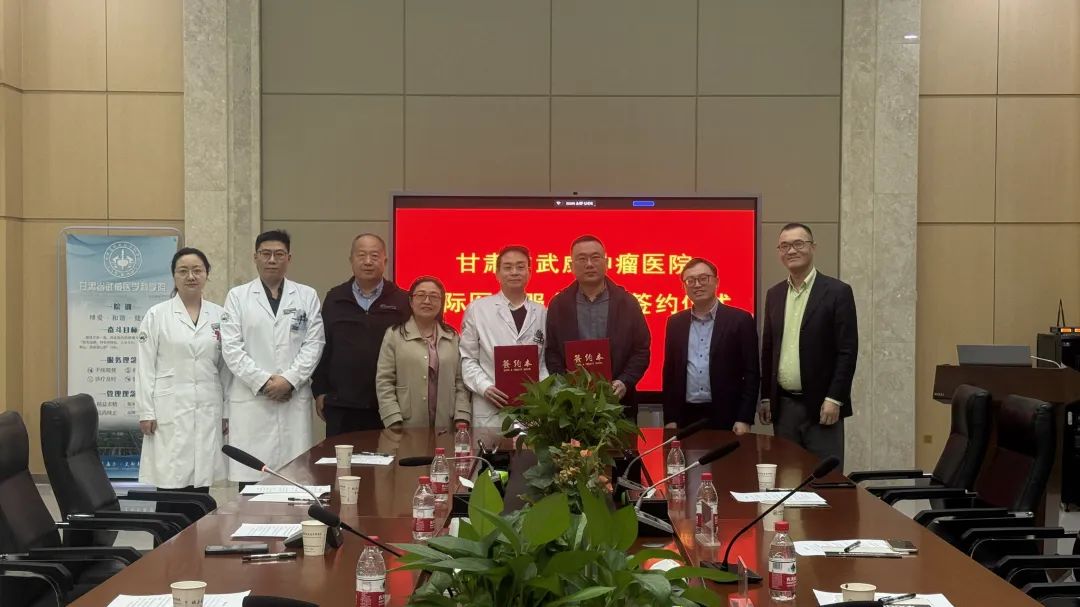
With the deepening of multi-field cooperation between China and Vietnam, from April 11 to 15, 2025, Professor Ruan Wendeng (Director of the Head and Neck Radiation Oncology Department at Vietnam National Cancer Hospital in Hanoi, lecturer at Hanoi Medical University's Oncology Department, and PhD in Oncology) led a three-member delegation to visit the Heavy Ion Center of Gansu Wuwei Cancer Hospital and its Lanzhou branch. The two parties signed a strategic cooperation agreement to establish an innovative international joint diagnosis and treatment channel for heavy ion therapy. This groundbreaking initiative marks a historic transition in China-Vietnam medical cooperation shifting from technology introduction to model exportation. It injects innovative momentum into the "Health Silk Road" construction and serves as a vivid practice in building a China-Vietnam community with a shared future.
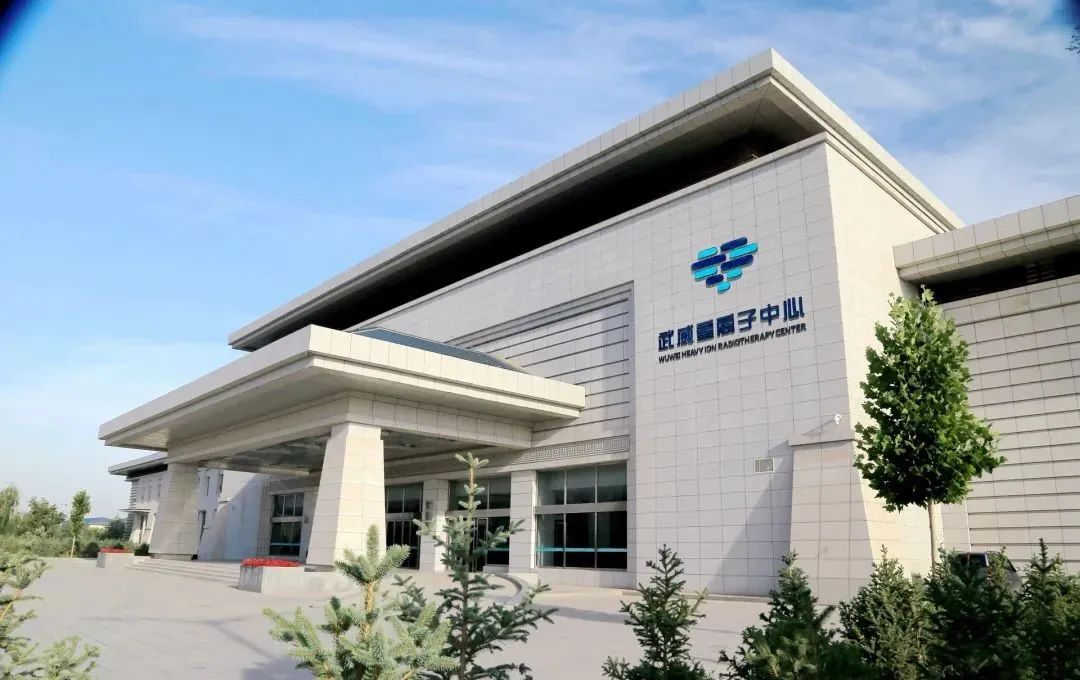
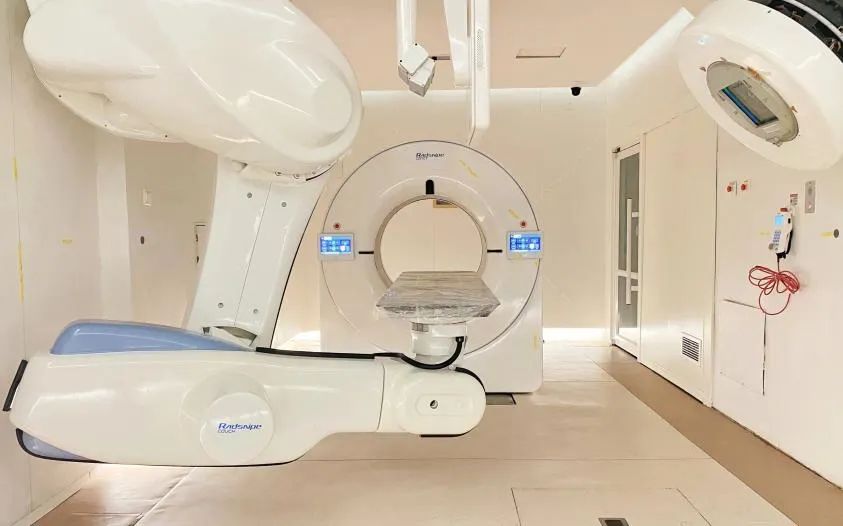
Heavy ion therapy stands as one of the most advanced cancer treatment technologies in the world today. By delivering "surgical strikes" to tumors through precisely controlled heavy ion beams, this 21st-century breakthrough minimizes radiation damage to healthy tissues, shortens treatment cycles, and achieves superior tumor control rates compared to conventional methods. Wuwei Heavy Ion Center (Operational since March 2020) has treated 1,893 patients with over 50 types of malignancies, attracting individuals from all Chinese provinces (including Beijing, Shanghai, Hong Kong, Macau, and Taiwan) and international patients from countries such as Australia, Belgium, and South Korea. Lanzhou Heavy Ion Center (Operational since November 2024) has already completed 139 cases of combined photon and heavy ion therapy, solidifying China's global leadership in cutting-edge medical technology. Analysis of treatment outcomes for high-grade gliomas demonstrates the definitive clinical value of heavy ion therapy: Patients receiving this advanced modality achieved a median survival of 29 months, doubling the 14.8-month survival rate observed with conventional photon radiotherapy.
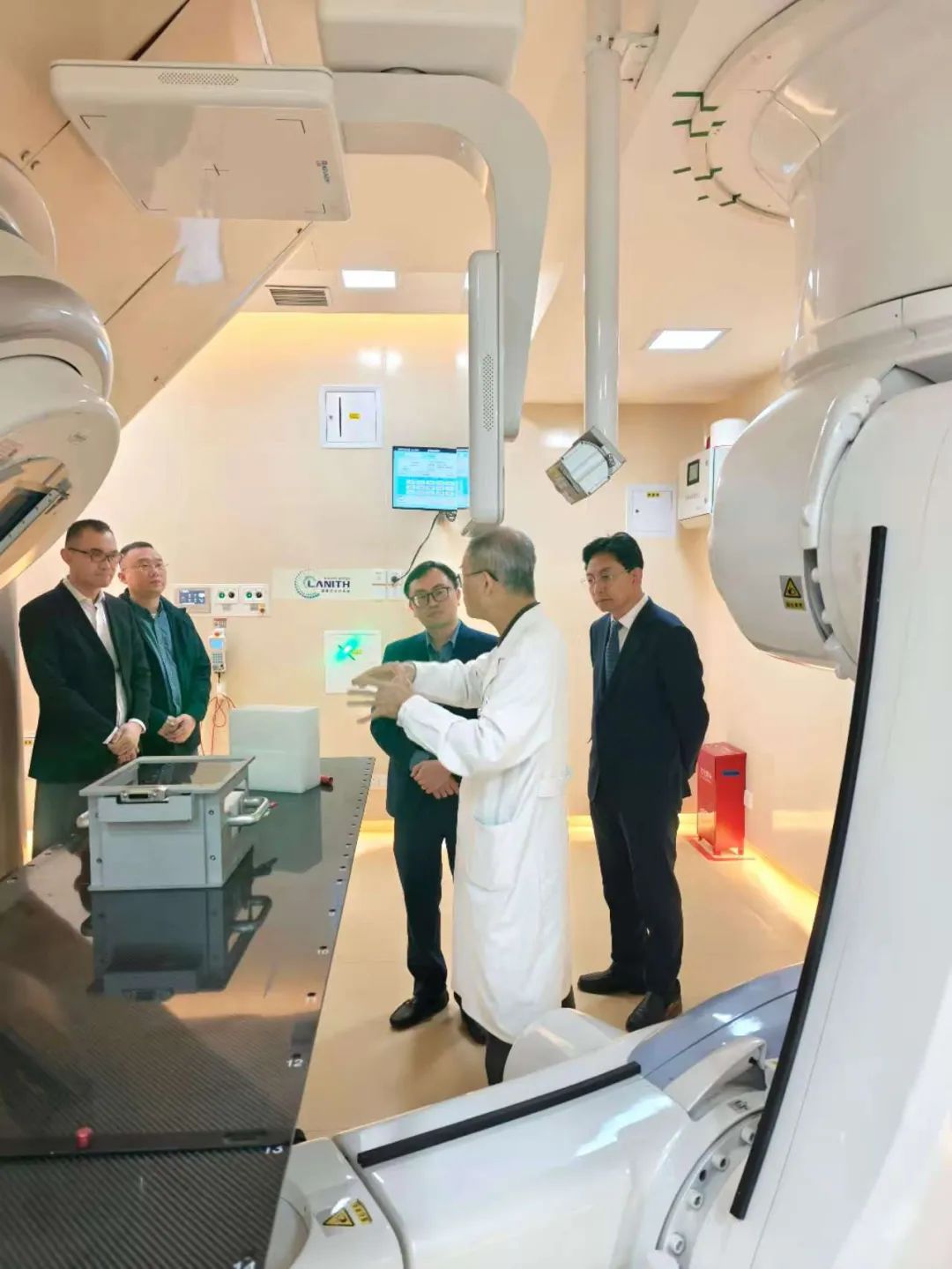
Lanzhou Heavy Ion Center for visit and guidance
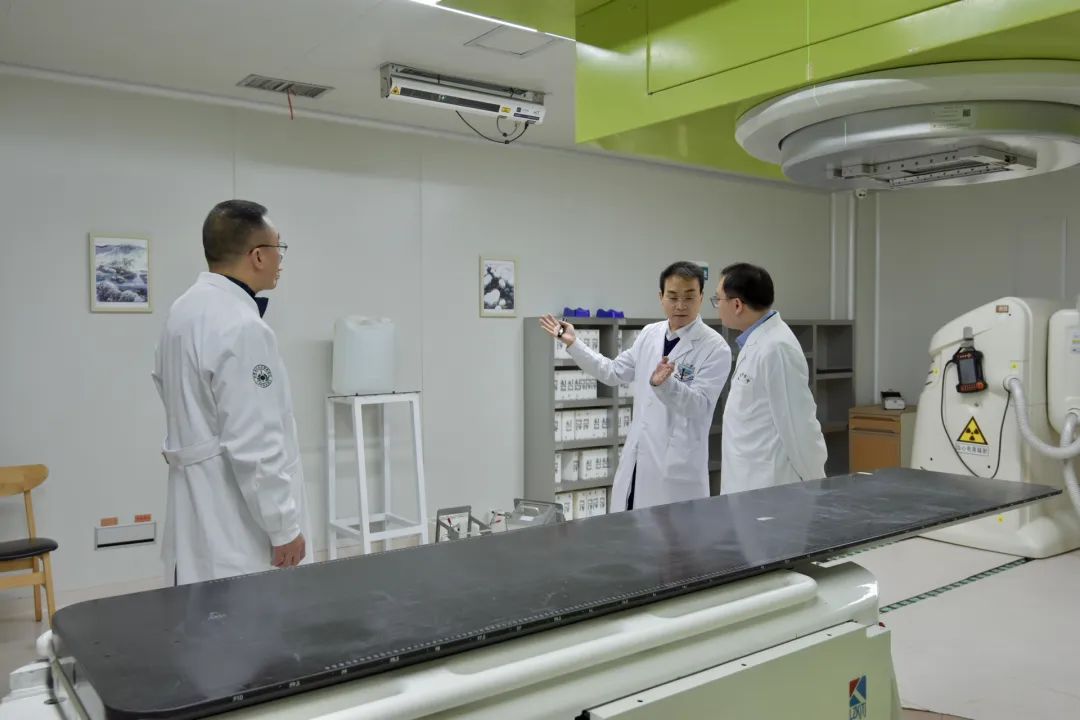
Wuwei Heavy Ion Center for visit and guidance
Gansu Wuwei Cancer Hospital, the first medical institution in China to adopt a domestically developed heavy ion tumor treatment system and the world's only hospital operating two such systems, consistently leverages top-tier professionals and advanced equipment to implement a comprehensive, whole-lifecycle cancer care model. Adhering to the treatment philosophy of "integrated diagnosis and individualized therapy," the hospital has established a "one-stop, full-process" tumor diagnosis and treatment service system.
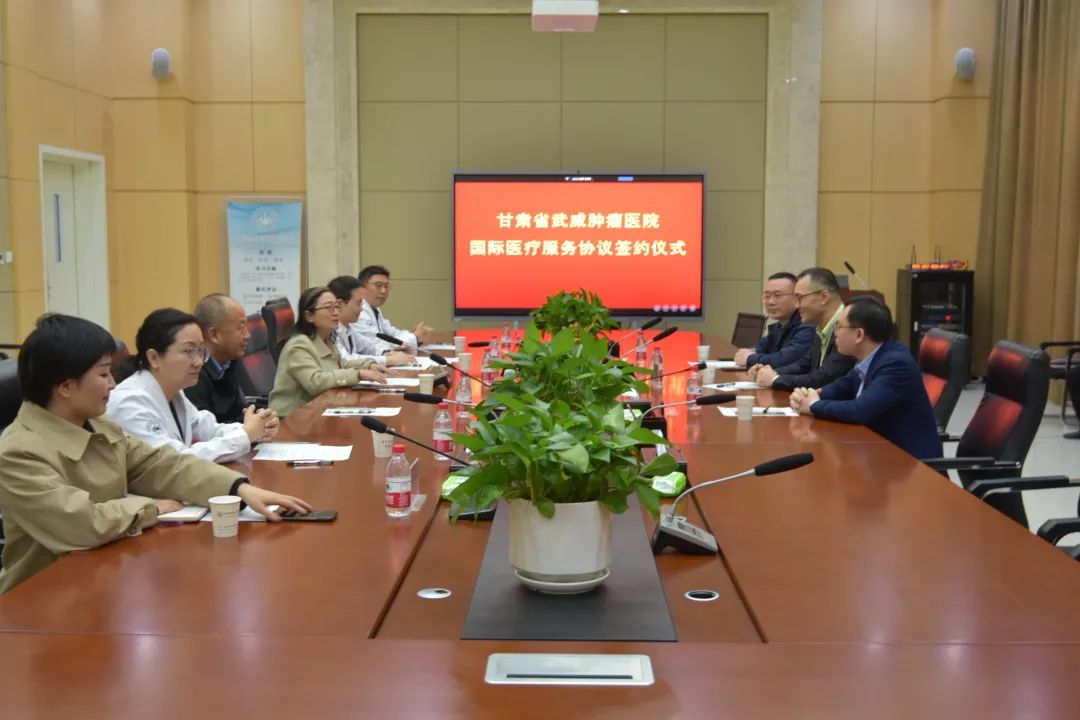
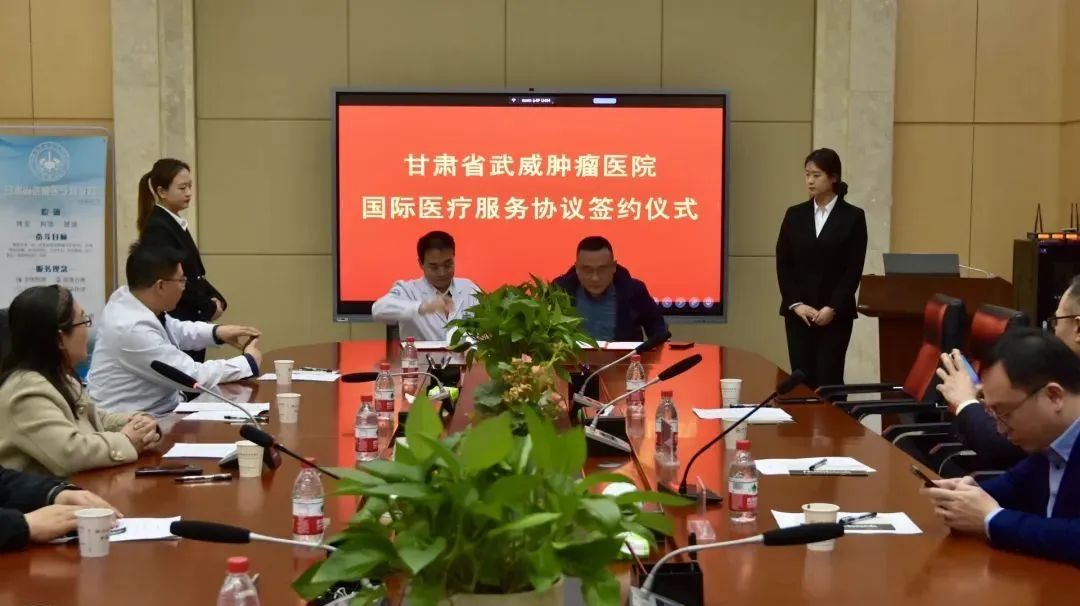
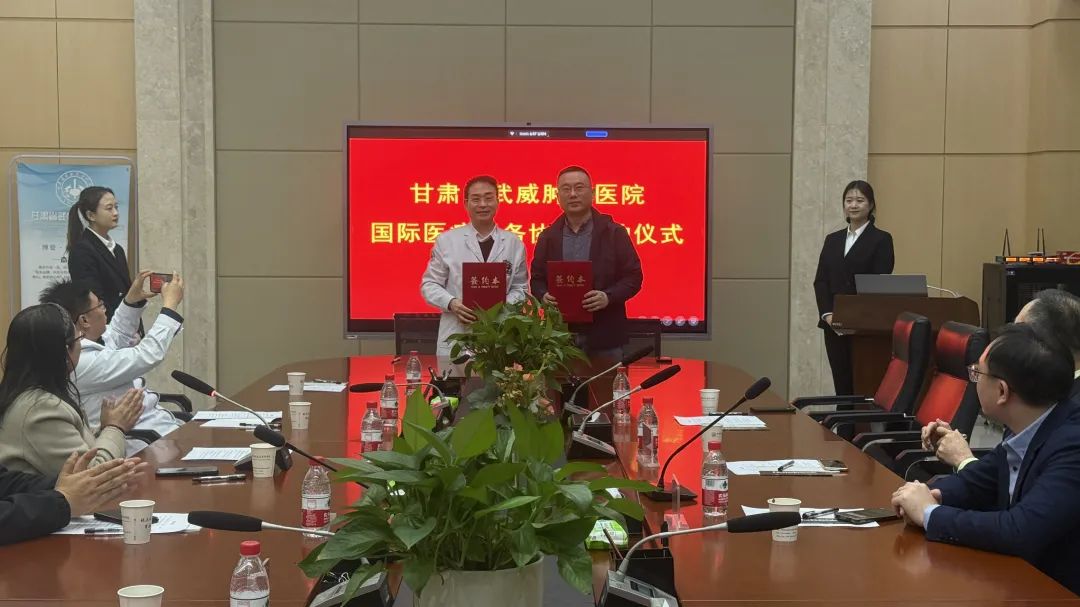
This strategic cooperation has established a three-dimensional collaborative mechanism encompassing two-way patient referrals, remote consultations, and technical training exchanges, thereby constructing a cancer prevention and treatment network spanning the Indo-China Peninsula to the Eurasian hinterland. This initiative not only deepens the health dimension of the China-Vietnam comprehensive strategic cooperative partnership, but also innovatively demonstrates the concept of building a global community of health for all through practical cooperation. It sets a model example for medical technology collaboration among developing countries.
Under the framework of Belt and Road medical technology cooperation, the China-Vietnam collaborative initiative in heavy ion medical services aligns with the trends of the times and represents a vital measure to benefit the people of both nations. By pooling resources and leveraging complementary strengths, this partnership aims to deliver higher-quality, more accessible, and more efficient medical services to patients worldwide, thereby contributing to the building of a Global Health Community. With concerted efforts from both sides, this cooperation is poised to bring renewed hope to cancer patients worldwide while opening a new chapter in China-Vietnam friendly collaboration.