
Focusing on Medical Collaboration under the Belt and Road Initiative, Exploring the International Path of Cancer Treatment Together
On January 29th, Professor Yeong Chai Hong and his delegation from the Taylor's University School of Medicine in Malaysia visited the Wuwei Heavy Ion Center of Gansu Provincial Wuwei Cancer Hospital for on-site inspection and exchange. The two sides held a special forum centering on two core themes: deepening international medical scientific research collaboration and expanding the medical collaboration network in Malaysia and Southeast Asia, and jointly explored innovative mechanisms and practical paths for cross-border cooperation in the field of cancer treatment.
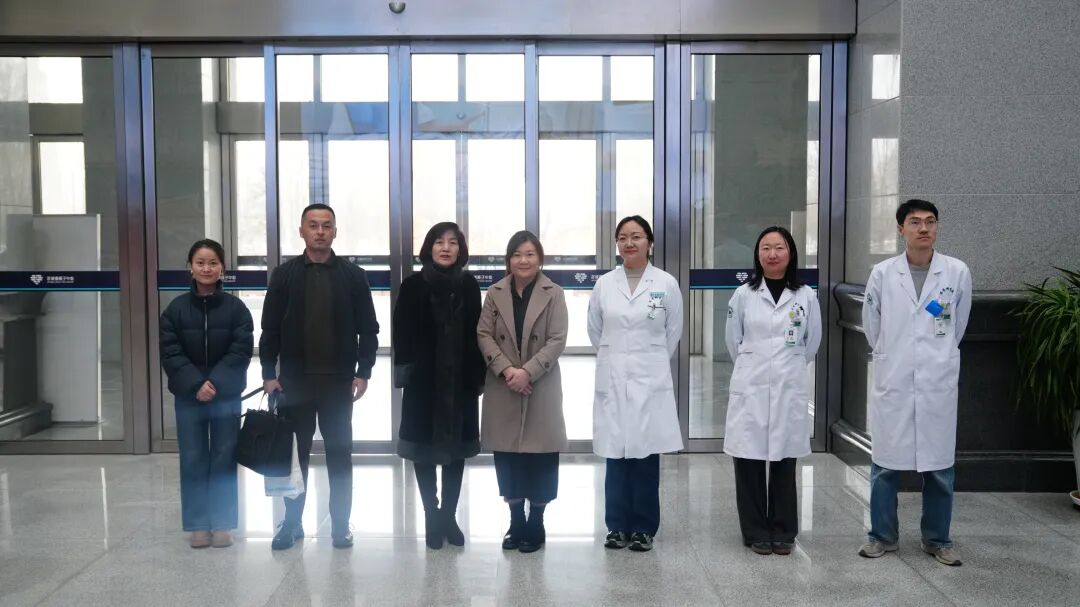
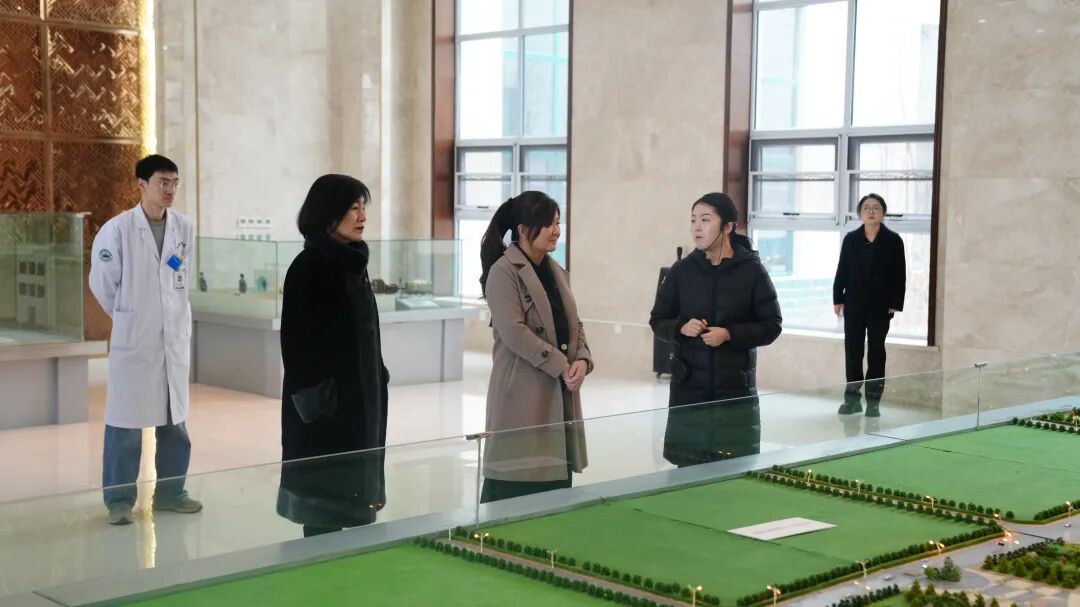
Professor Yeong Chai Hong visited various functional areas of the center, including the PET-CT Diagnosis and Treatment Area, Precision Radiation Therapy Center, Panoramic Sand Table Exhibition Area, Core Treatment Machine Room and Intelligent Central Control Room. Through on-site observation and technical exchanges, he gained an in-depth understanding of the center's clinical system, equipment configuration, technical processes and multidisciplinary collaboration model in heavy ion cancer treatment.
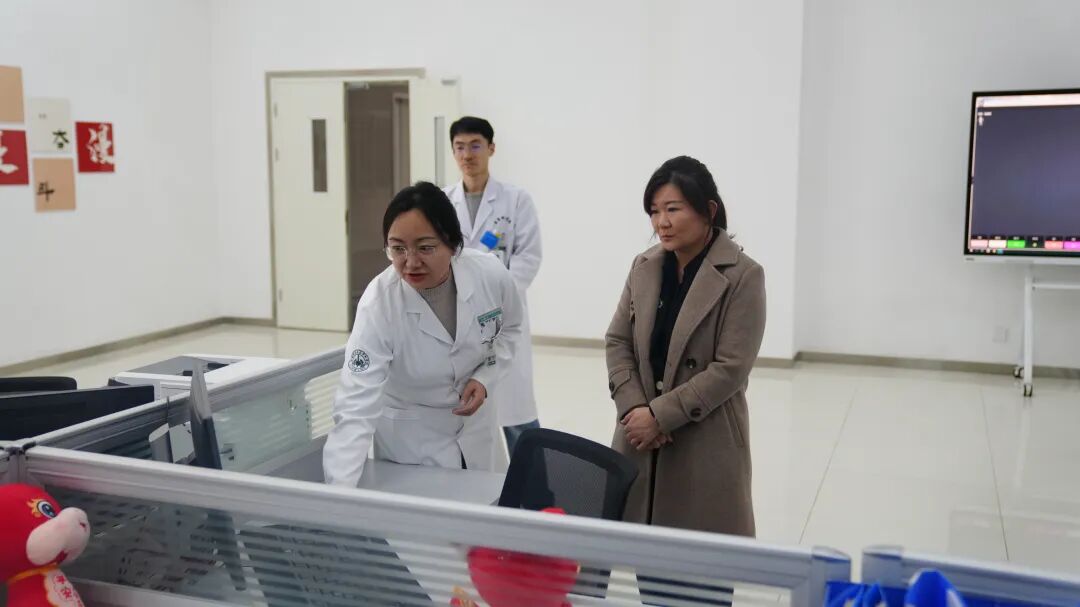
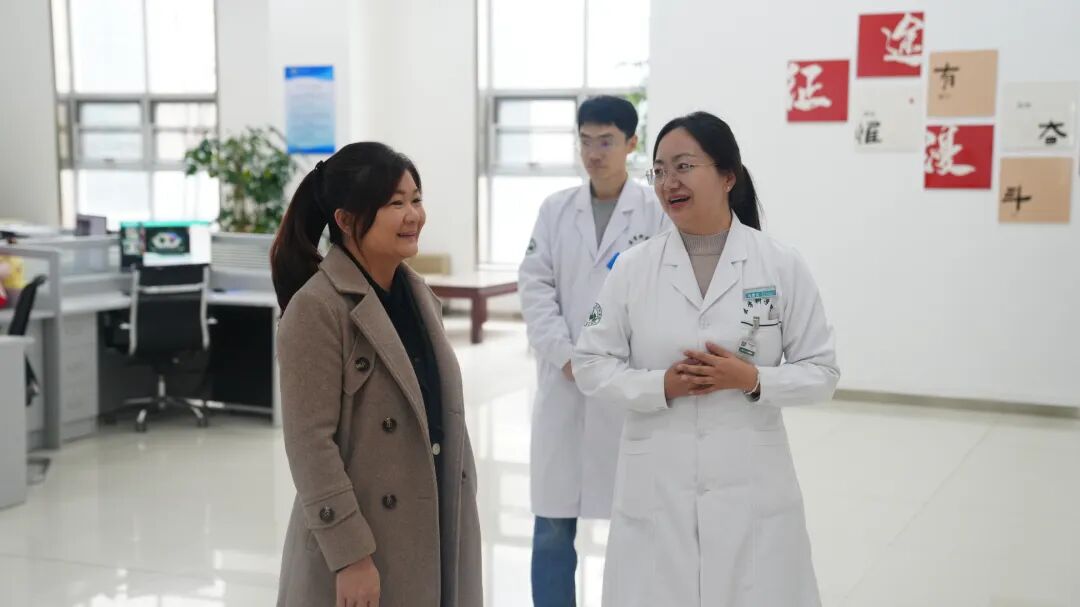
The forum was presided over by Vice President Cai Qinghua of Gansu Provincial Wuwei Cancer Hospital. Director Ma Xiaoyun of the Hospital's Radiation Physics Department delivered a special report entitled Construction and Five-Year Clinical Practice of Wuwei Heavy Ion Center, systematically expounding on the accumulations and achievements made by the center in the clinical application of heavy ion therapy devices with independent intellectual property rights, precision cancer radiotherapy technology, diagnosis and treatment of difficult cases, and transformation of scientific research achievements since its commissioning five years ago. As the first clinical demonstration base for heavy ion therapy devices with independent intellectual property rights in China, the center's technological breakthroughs and clinical achievements in the field of high-end cancer treatment have been highly recognized by the Malaysian representatives.
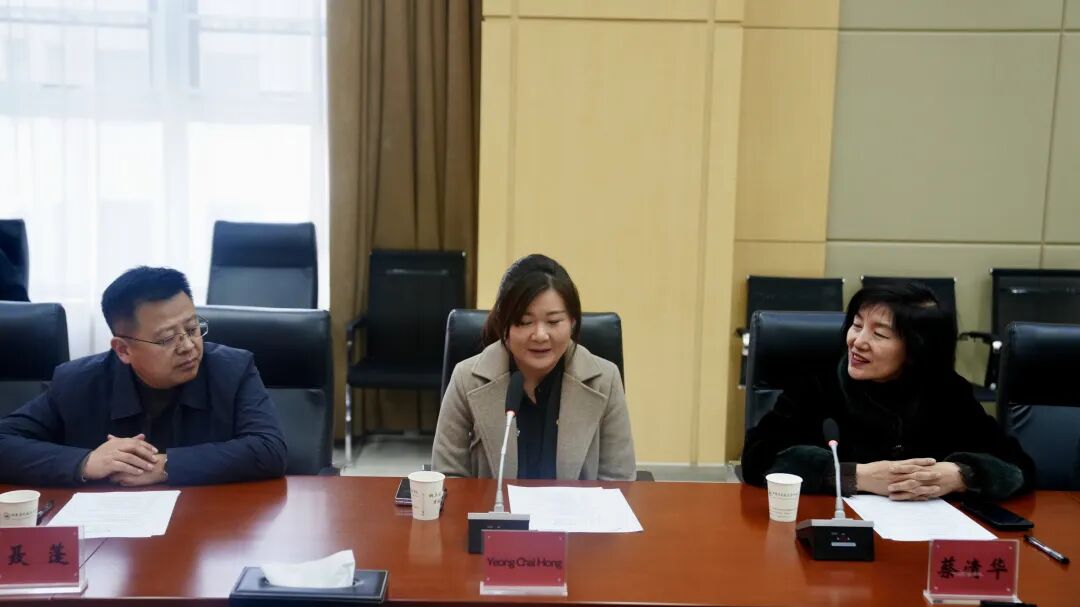
Professor Yeong Chai Hong expressed admiration for the achievements of Wuwei Heavy Ion Center in technological R&D, clinical translation and large-scale application, and introduced the current situation of cancer prevention and treatment, clinical needs and potential for international cooperation in Malaysia and Southeast Asia. He stated that the experience of Wuwei Heavy Ion Center is of great reference significance for improving the level of cancer treatment in Southeast Asia, and he looks forward to establishing a long-term and stable medical and scientific research cooperation relationship with the center to jointly promote the progress of regional medical care.
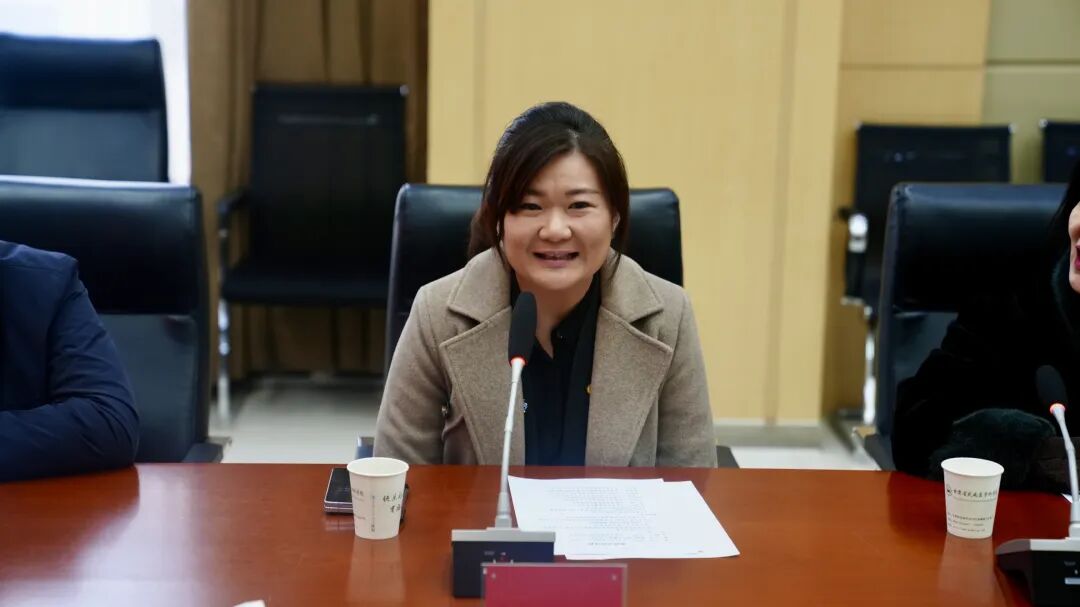
The two sides conducted in-depth discussions on the implementation of cooperation, and planned to establish a personnel exchange mechanism for international scientific research cooperation, carry out joint research projects, and share clinical data and technical standards. In terms of regional medical collaboration, they will build a regional collaboration network, conduct professional training, explore a cross-border patient referral mechanism, and co-host academic conferences to build a communication platform. Going forward, the two sides will establish a regular communication mechanism to foster a new pattern of cross-border medical cooperation featuring technology sharing, resource complementarity and win-win cooperation.
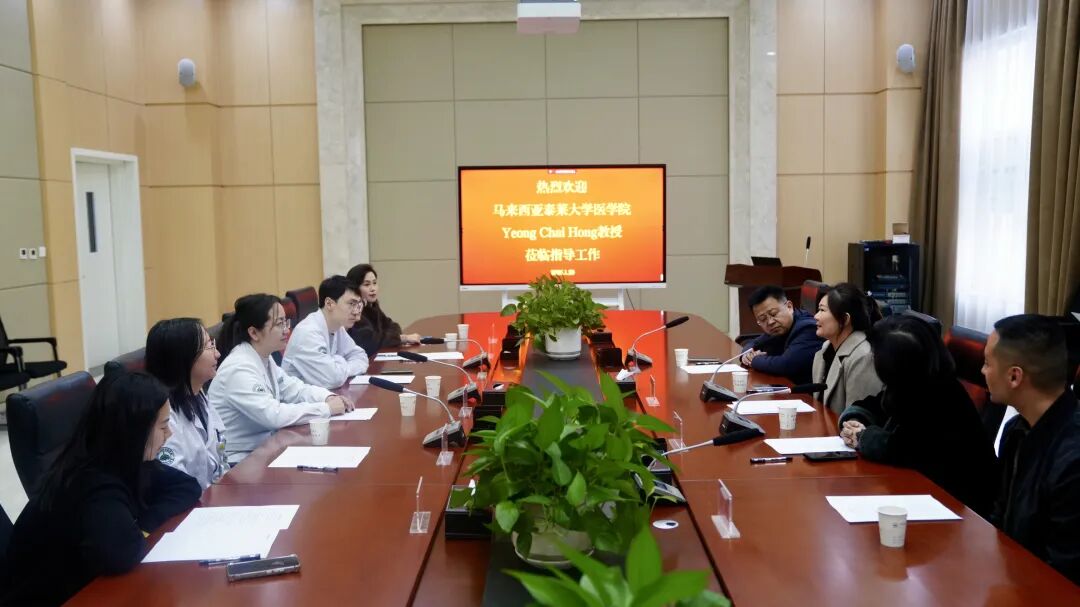
This visit and exchange has not only built an effective bridge for cooperation between the two sides, but also marked a new step taken by Wuwei Heavy Ion Center in its international development and medical and health cooperation under the Belt and Road Initiative. In the future, the center will continue to leverage its advantages in high-end medical equipment and precision cancer treatment, actively integrate into the health cooperation under the Belt and Road Initiative, drive China's cutting-edge medical technologies to the world, and make practical contributions to building the global community of health for all.