Strengthening Foundational and Clinical Research in Heavy Ion Therapy to Solidify Global Leadership
Strengthening Foundational and Clinical Research in Heavy Ion Therapy to Solidify Global Leadership
As China's first fully independently developed heavy ion therapy system continues to advance in clinical use, the scientific research platform of the Wuwei Heavy Ion Center at Gansu Wuwei Cancer Hospital has achieved further significant accomplishments. The center has successfully established several interdisciplinary collaborative research platforms, including the Key Laboratory of Heavy Ion Beam Radiation Biology of the Chinese Academy of Sciences, the University of Sydney Laboratory for Biomedical Data Analysis and Visualization, and the Shanghai Jiao Tong University Translational Medicine Multimodal Imaging Laboratory. Additionally, a number of national, provincial, and municipal-level high-level research facilities have been established, such as the Joint Laboratory for Heavy Ion Radiation Physics and Applications, the Gansu Provincial Key Laboratory of Gastrointestinal Diseases, the Gansu Provincial New R&D Institute, the Beijing National Engineering Research Center for Biochip (Gansu Branch), and the Wuwei Branch of the China Molecular Medicine Center for Helicobacter pylori. These platforms inject strong momentum into technological breakthroughs in the field of precision cancer therapy.
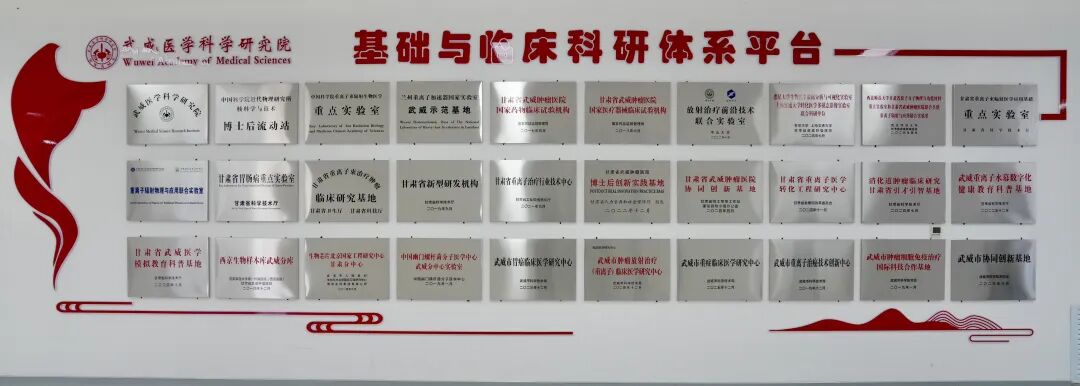
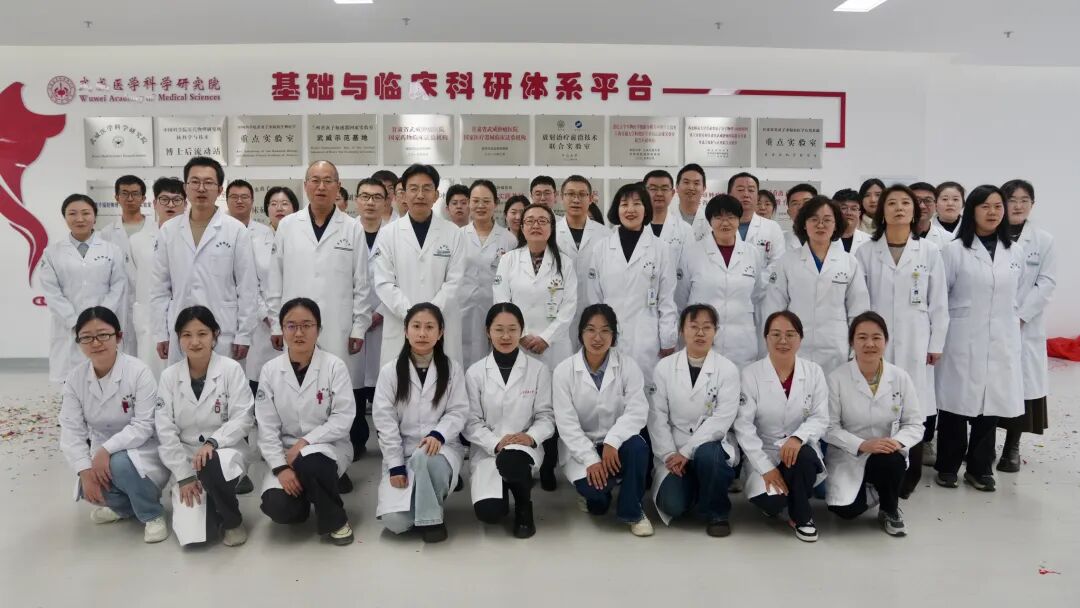
Guided by the mission of "Gathering Global Cutting-Edge Technologies for the Benefit of Cancer Patients," and leveraging the nation's first independently developed heavy ion therapy system, the hospital has constructed a complete innovation ecosystem encompassing basic research, clinical translation, and result dissemination. It has mastered 9 internationally leading technologies and is conducting 7 high-level clinical studies, working with full effort to build a leading oncology hub in Western China and drive the leapfrog development of heavy ion therapy technology. Since the inception of the heavy ion project, 30 scientific research platforms have gradually taken shape over years of accumulation. To further integrate the hospital's research resources, standardize platform management, build a strong research brand for the Medical Research Institute, and comprehensively enhance innovation capability and technology transfer, the Wuwei Institute of Medical Sciences has implemented centralized management for all research platforms across the hospital. These platforms are now primarily responsible for foundational medical research and public welfare scientific tasks, leading major research projects in clinical medicine, interdisciplinary studies, and cross-departmental collaboration. Under the unified coordination of the Institute, the platforms have now formed a complete innovation ecosystem covering basic research, clinical translation, and application promotion, serving as the core engine driving the leapfrog development of heavy ion medicine.
Core Research Platform Matrix and Visual Highlights
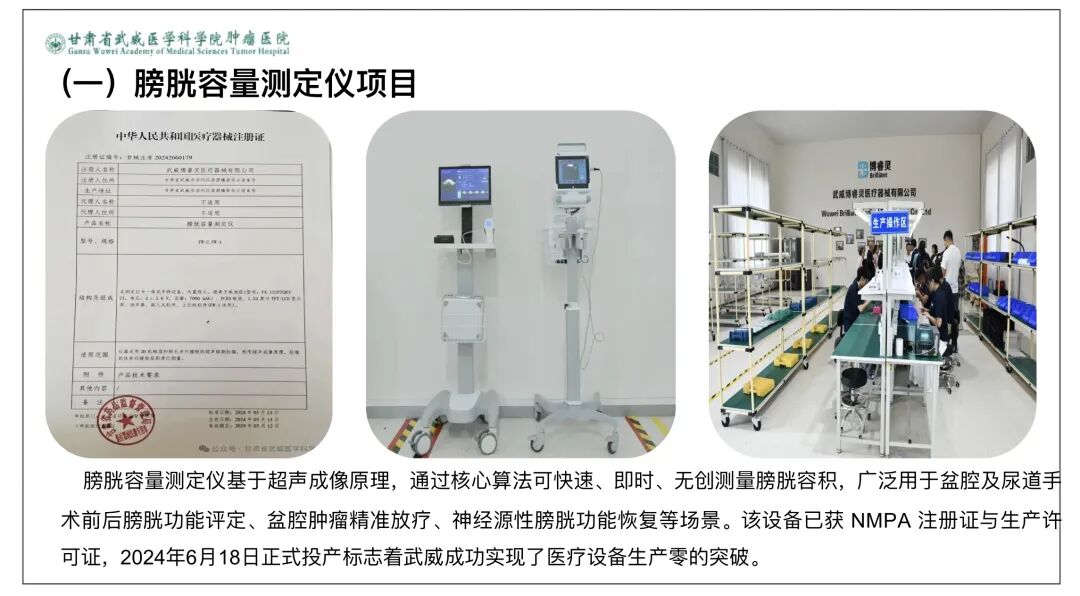
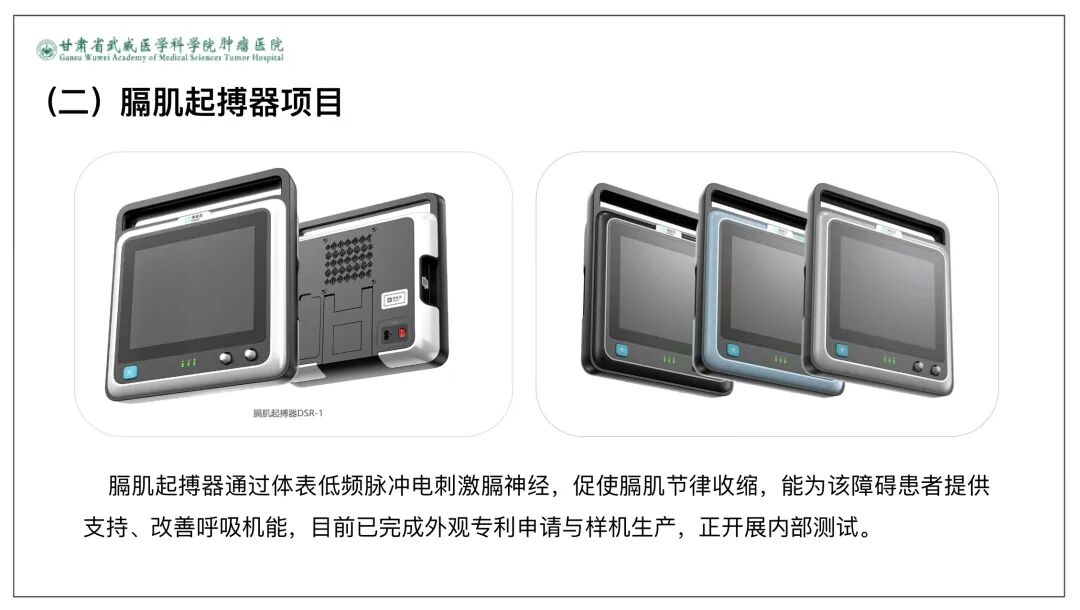
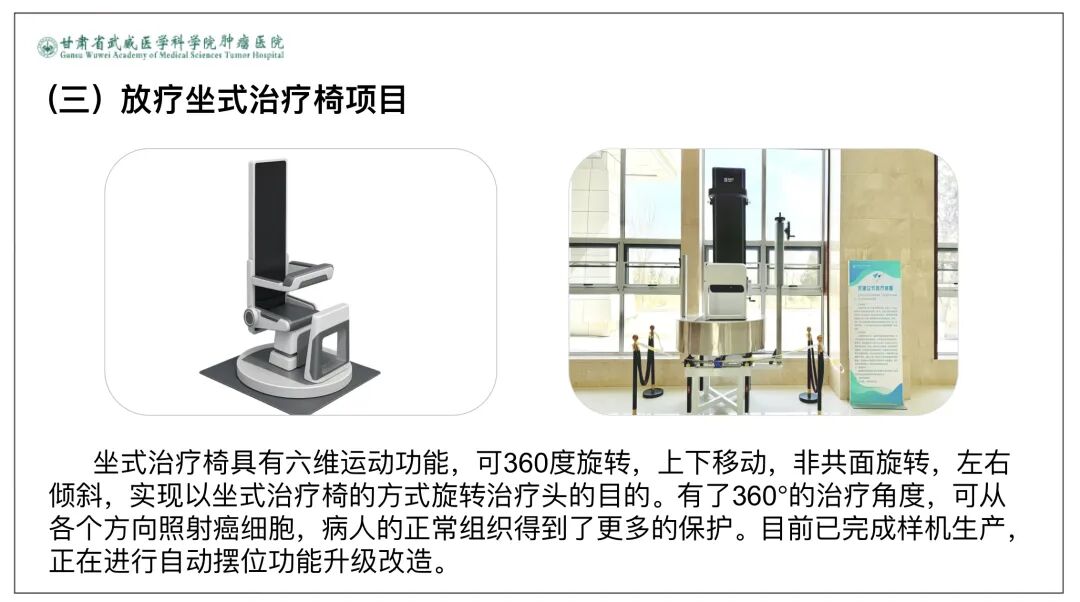
- Medical Translation Center: Focuses on the domestic innovation of diagnosis and treatment equipment, prioritizing the R&D of supporting products represented by the 360° radiation therapy chair. This includes devices like bladder volume monitors, diaphragm pacemakers, positron emission tomography (PET-CT) detectors, infusion management systems, and cost-control management systems. Using the "Heavy Ion+" industry cluster as a pivot point, it aims to assist Gansu in achieving coordinated multi-industry development driven by technological innovation.
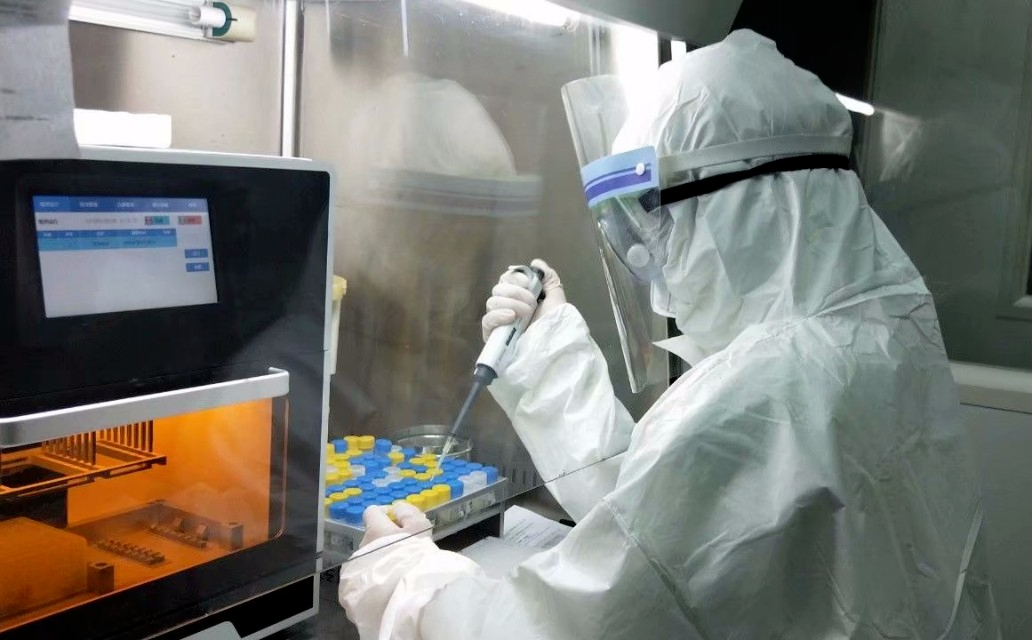
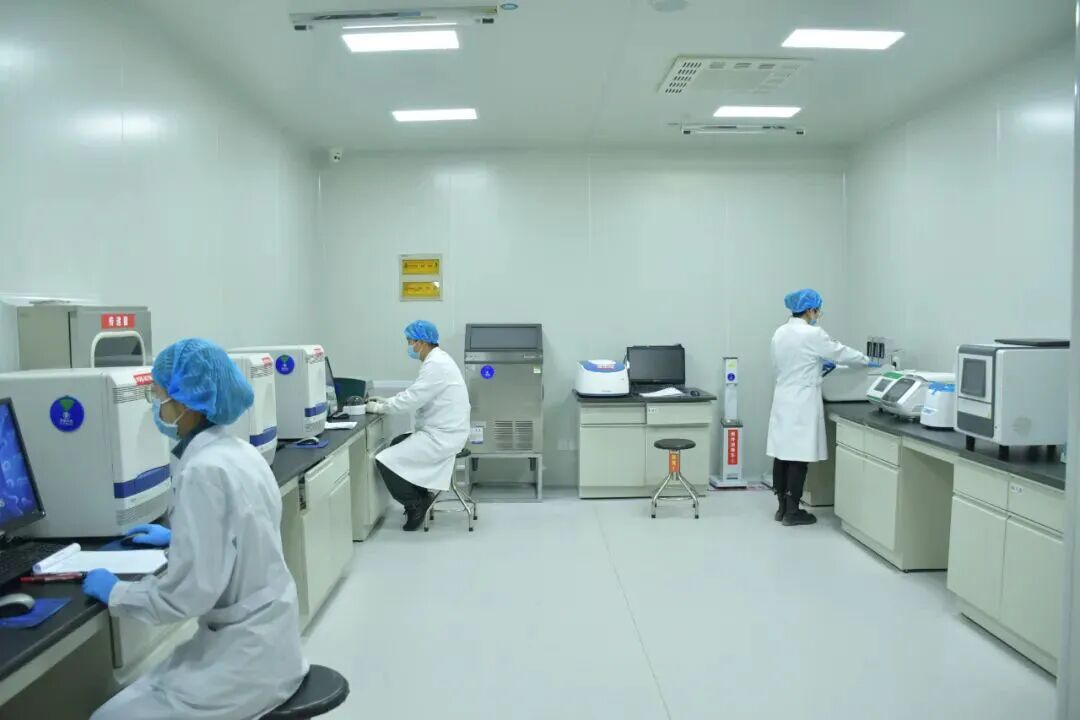
Biochip Center: Establishes an internationally advanced high-precision genetic testing technology platform, integrating core capabilities such as gene sequencing and bioinformatics analysis. It provides crucial data support for precise tumor subtyping, molecular target screening, and the development of personalized treatment plans. Through standardized protocols for chip-based testing and intelligent algorithms for data analysis, it achieves precise integration from the genetic level to clinical diagnosis and treatment, promoting the upgrade of heavy ion therapy from "population adaptation" to "individual customization."
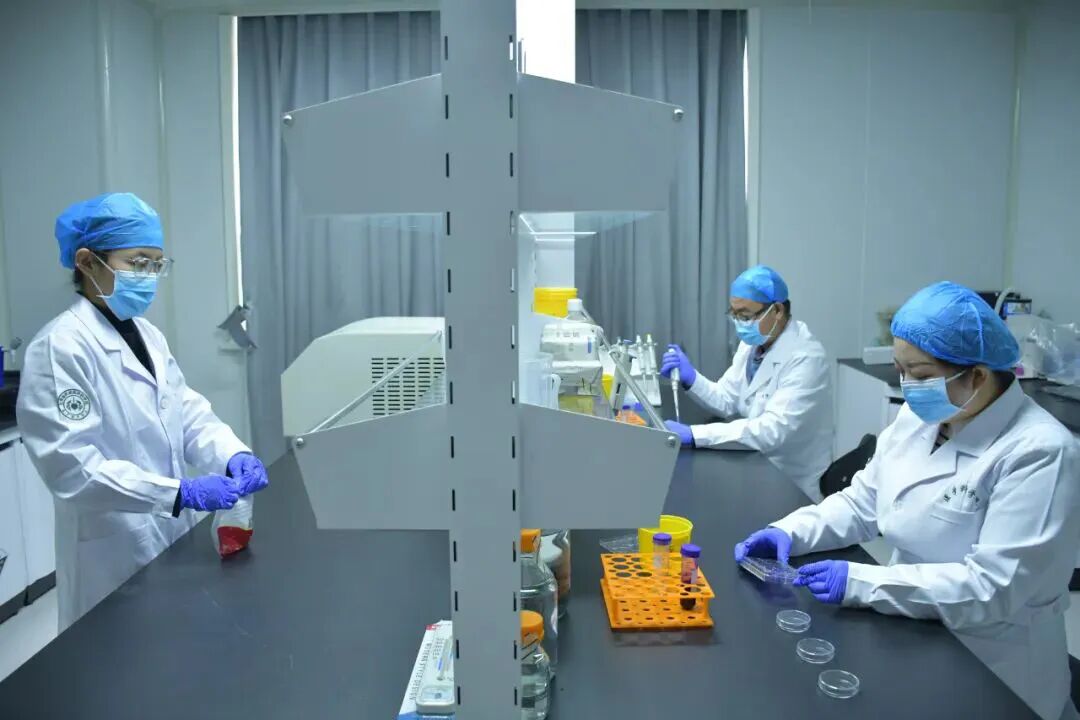
Cell Laboratory: Focuses on core scientific questions regarding tumor cell drug resistance mechanisms and sensitivity to heavy ions. It conducts a series of studies including in vitro cell culture, radiation sensitivity testing, and signaling pathway analysis. By revealing the mechanisms of heavy ion radiation on different tumor cell types and patterns of drug resistance, it provides key cytological evidence for optimizing treatment plans and enhancing the efficacy of heavy ion therapy.
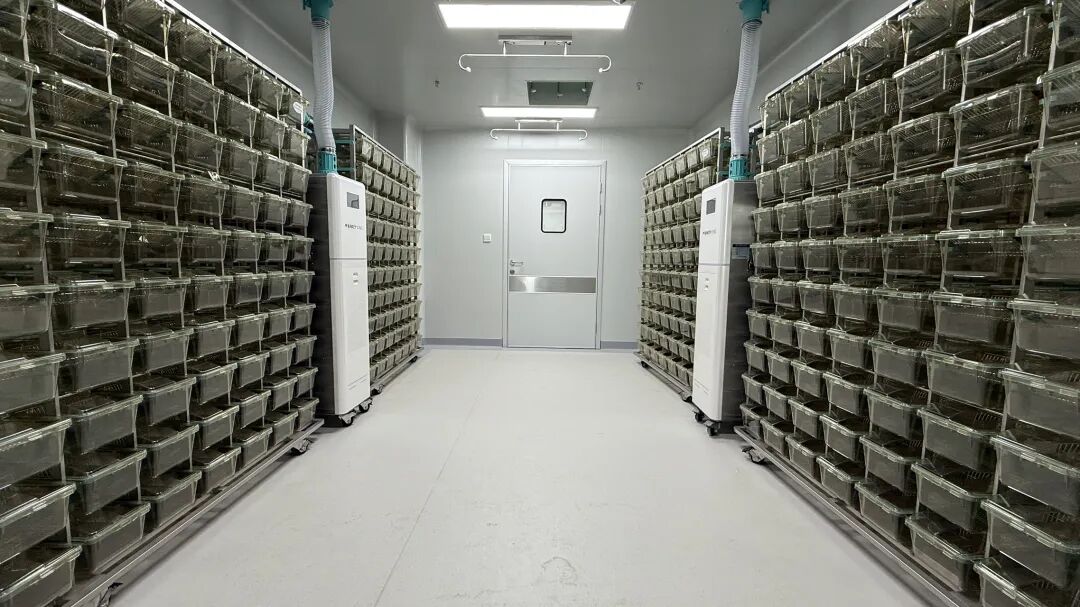
Animal Laboratory: Constructs standardized, reproducible animal models for tumor diseases, covering various clinically prevalent types such as liver cancer, esophageal cancer, and lung cancer. Strictly adhering to international ethical standards for laboratory animals, it provides high-quality preclinical research data for safety verification, dose optimization, and efficacy evaluation of treatment technologies, solidifying the safety barrier from basic research to clinical application.
Organoid Laboratory: Develops a platform for tumor organoid culture and drug screening, enabling "patient-customized" treatment efficacy prediction. It achieves three-dimensional in vitro culture and functional simulation of patient-derived primary tumor tissue. Through collaborative experiments involving organoids and heavy ion therapy, it accurately predicts "patient-customized" treatment outcomes, providing pre-treatment validation for personalized clinical treatment plan selection and advancing precision medicine to a higher dimension.
Biobank: Systematically stores biological samples (including tissue, blood, and body fluid specimens) and corresponding clinical data for over 50 tumor types, building a standardized, information-based, and international research resource repository. Relying on intelligent low-temperature storage systems and big data management platforms, it enables precise sample classification, efficient retrieval, and shared applications, providing valuable resource support for basic research, clinical translation, and industrial innovation.

Technological Breakthroughs and Clinical Research Achievements
Leveraging the strengths of its research platforms, the center has overcome numerous core technical challenges, achieving 9 globally leading technological accomplishments: it is the only facility in the world operating two heavy ion therapy systems; it has performed the highest number of single-session, one-day treatment course cases globally; it pioneered heavy ion precision therapy under ventilator control, bladder cancer treatment with precise bladder volume control, and single-session treatment with a surgically implanted spacer between organ and tumor; it is the first globally to complete multiple cases of cardiac tumor treatment with heavy ions; it first developed a comprehensive, full-lifecycle physical and mental health management model integrated with heavy ion therapy; and it first developed the "Dual 'Bragg Peak' Lattice Radiotherapy" technique.
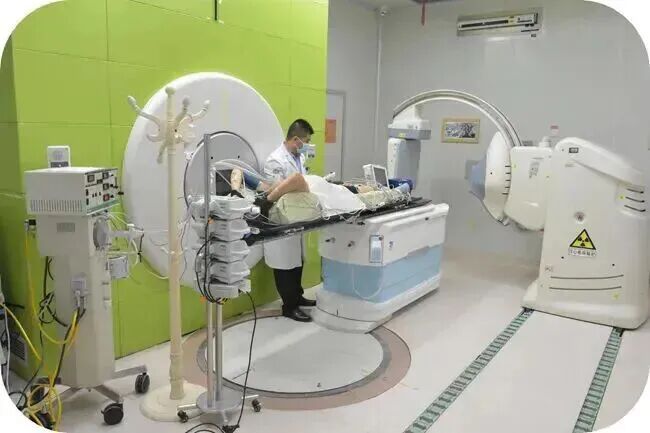
High-Frequency Oscillatory Ventilation-Guided Precision Heavy Ion Therapy
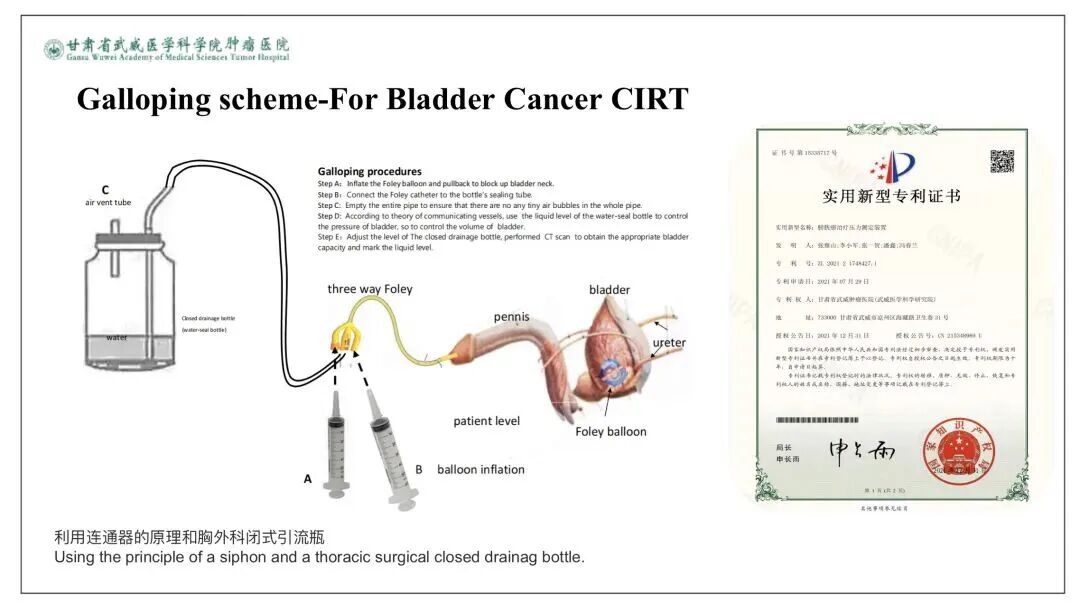
Bladder Cancer Treatment with Precise Bladder Volume Control Technology
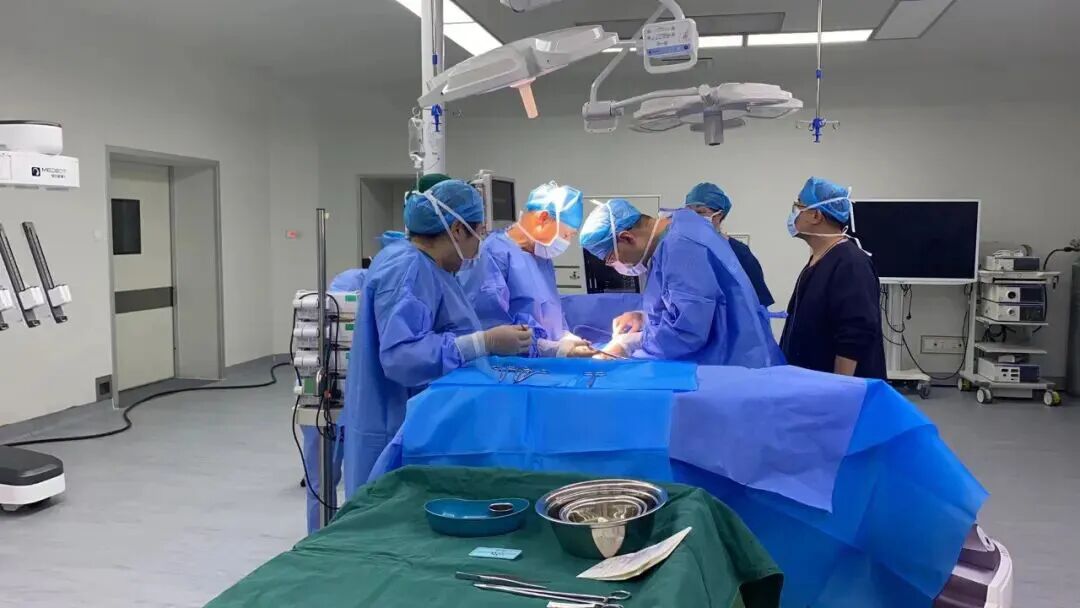
Single-Session Heavy Ion Therapy with Surgical Spacer Between Organ and Tumor
In the realm of clinical research, the center, anchored at international advanced levels, is conducting 7 key clinical studies on specific diseases: a clinical study on carbon ion radical therapy for early-to-mid-stage hepatocellular carcinoma; a study on carbon ion radiotherapy for non-surgical esophageal cancer; a clinical study on radical carbon ion radiotherapy for breast cancer; a study on carbon ion radiotherapy combined with targeted therapy for early-stage lung cancer; a study on carbon ion therapy combined with brachytherapy for locally advanced cervical cancer; a study on carbon ion therapy combined with photon radiotherapy for high-grade gliomas; and a study on carbon ion therapy combined with chemotherapy for locally advanced pancreatic cancer. All patients participating in these studies are eligible for zero out-of-pocket costs for the heavy ion treatment.
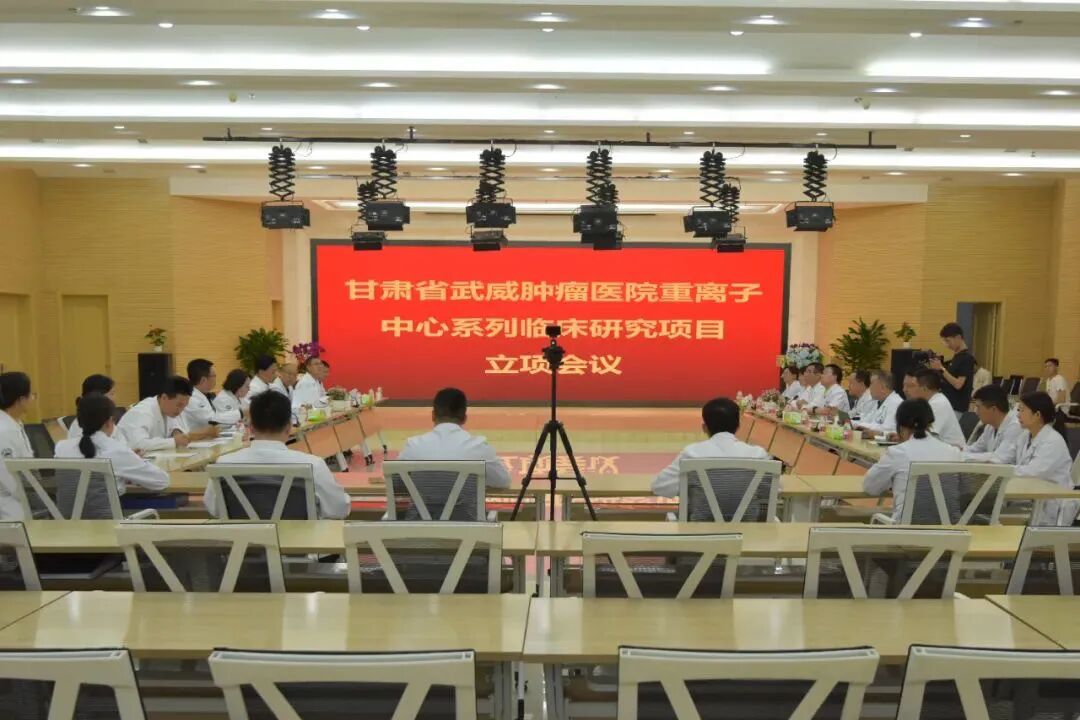
Remarkable Achievements in Both Research and Clinical Practice
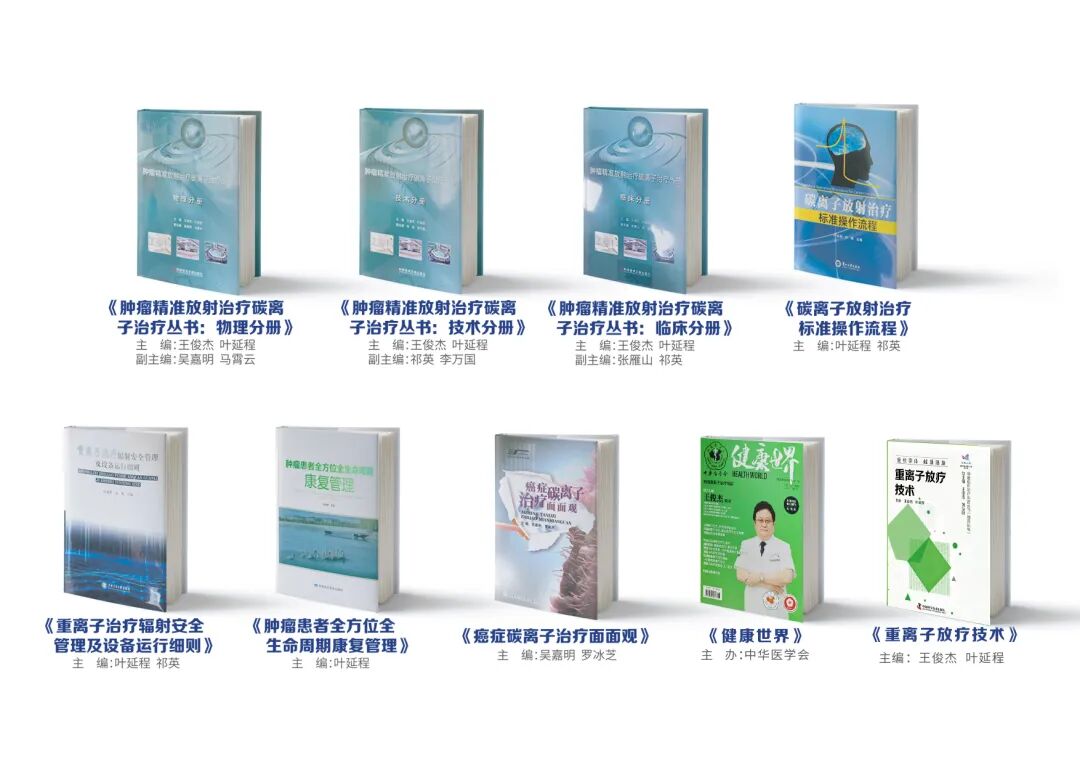
To date, the Wuwei-Lanzhou dual centers have cumulatively provided precise heavy ion therapy to 2,600 domestic and international patients. Their services cover all provinces (municipalities) in China and several countries including Belgium, South Korea, and Australia. The range of treatable diseases has expanded to over 50 types, with local control rates for some diseases exceeding 95%, and both clinical efficacy and patient survival rates reaching internationally advanced levels. In terms of research output, the centers have published 9 monographs, including Standard Operating Procedures for Carbon Ion Radiotherapyand the Precision Radiotherapy for Tumors: Carbon Ion Therapy Series, establishing a comprehensive knowledge system covering physics technology, clinical diagnosis/treatment, and health management, and filling multiple gaps in the standardization of heavy ion medicine in China.
Building upon China's first heavy ion system with independent intellectual property rights, all thirty research platforms have been fully constructed and interconnected, forming a complete closed loop from basic research to animal and organoid verification, and further to clinical translation and the development of guidelines/consensus. Moving forward, the hospital will continue to aggregate the latest global achievements in particle therapy, cell therapy, and immunotherapy, striving to establish itself in Western China as a premier global destination for patients to overcome cancer, and to ensure that China's heavy ion technology truly possesses a voice on the world stage.