
Precision "Mirror" Retrieval, Stone Removal to Clear the "Intestines"
Precision "Mirror" Retrieval, Stone Removal to Clear the "Intestines" — Our Hospital's Second Gastroenterology Department Successfully Treats Patient with Complex Small Bowel Obstruction
Recently, our hospital's Second Gastroenterology Department achieved another breakthrough—successfully performing a personalized "small bowel endoscopy with laser lithotripsy" on an elderly female patient with multiple underlying conditions. This procedure precisely removed the root cause of the small bowel obstruction, effectively relieving the patient's suffering.
Complex Condition, Peril at Every Turn
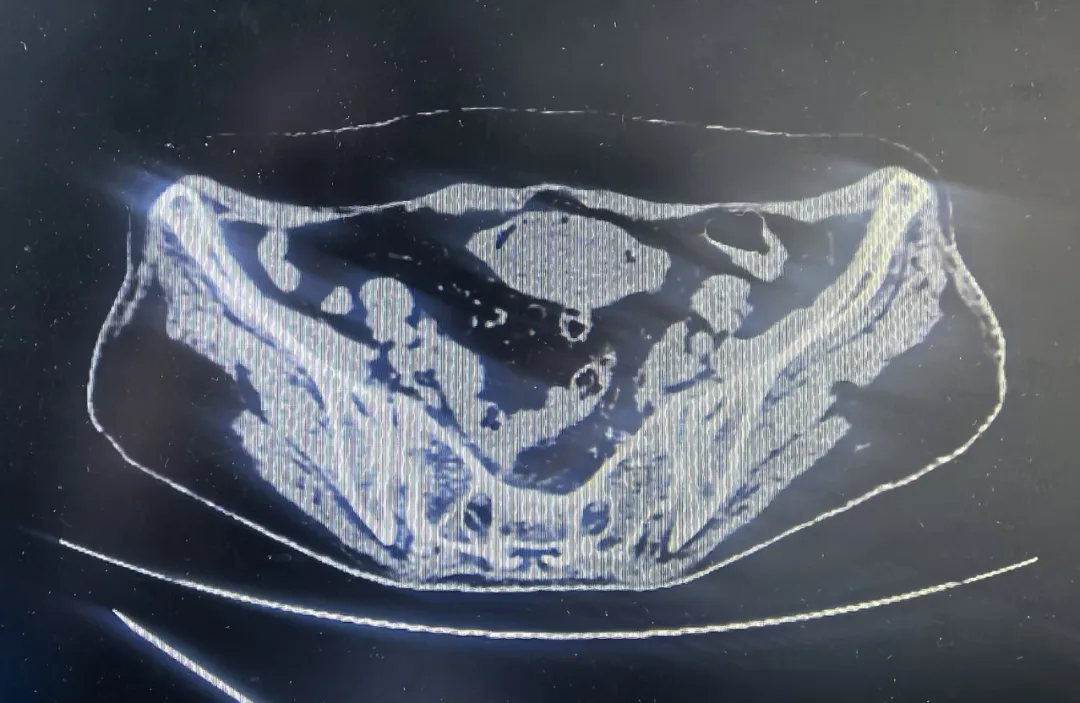
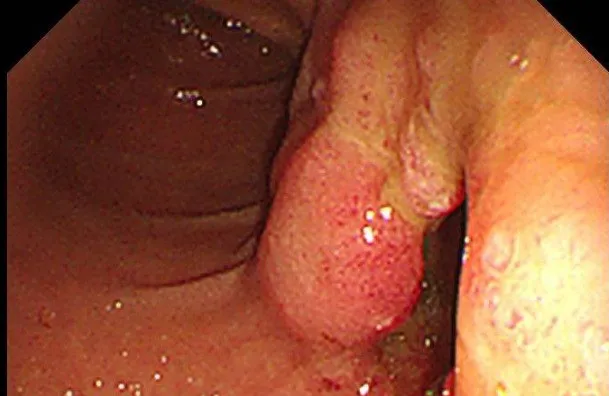
Patient Qi, female, 84 years old. One month prior, due to "abdominal distension and pain," she sought treatment at several hospitals and was diagnosed with "gallstones with inflammation and intestinal obstruction." Despite treatment, her condition fluctuated, and she developed worsening right upper abdominal distension and pain after eating. Ultimately, she came to our hospital's Gastroenterology Department for treatment based on its reputation. The patient has a long history of diabetes. Since the onset of this illness, due to repeated fasting and medication use, she has become lethargic, malnourished, and physically depleted, with unstable blood sugar control. A repeat abdominal CT scan after admission indicated: a large cystic shadow adjacent to the duodenal bulb containing several dense nodules; possible gallbladder perforation with biliary-enteric fistula, diverticulum cannot be ruled out; partial intra- and extrahepatic bile duct dilation with gas accumulation; a low-density mass in the small intestine, approximately 3 cm in size, requiring differentiation between a negative stone or neoplastic lesion, with partial intestinal obstruction above it; multiple cystic lesions in the liver, suspected liver abscesses; intra- and extrahepatic bile duct dilation with gas accumulation. A painless gastroscopy revealed: a lesion approximately 1.5 cm in diameter on the anterior wall of the duodenal bulb, with surface exudate attachment and local gas leakage, suggesting fistula formation with the gallbladder and significant surrounding tissue edema. Laboratory tests indicated hypoalbuminemia, electrolyte imbalance, and hyperglycemia. Blood tests showed signs of infection, and coagulation function was abnormal.

Precise Strategy, Endoscopy Demonstrates Remarkable Efficacy
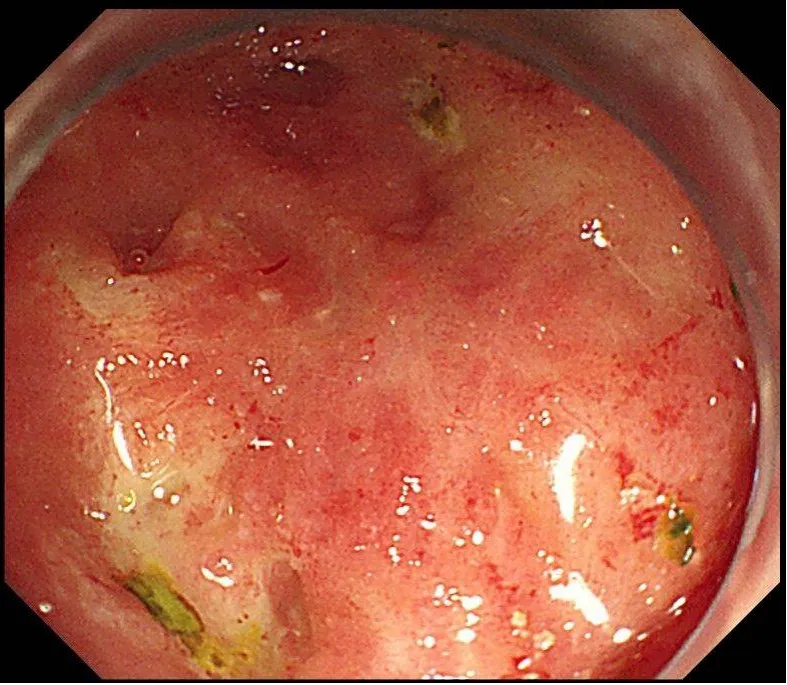
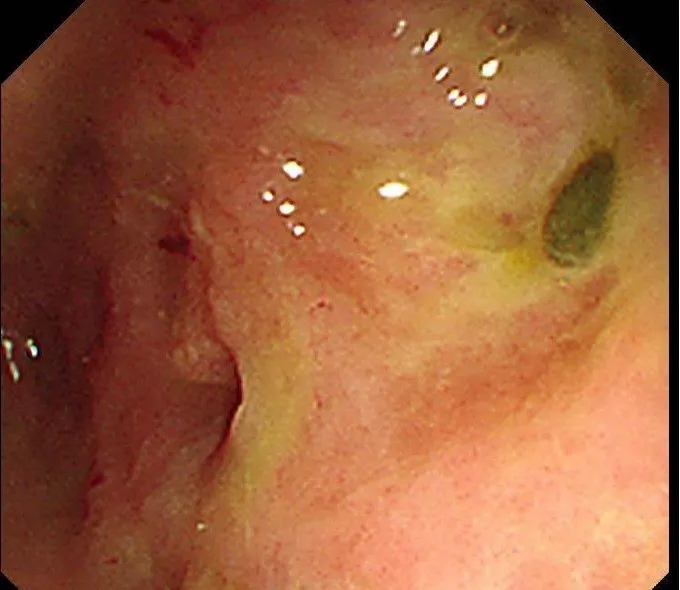
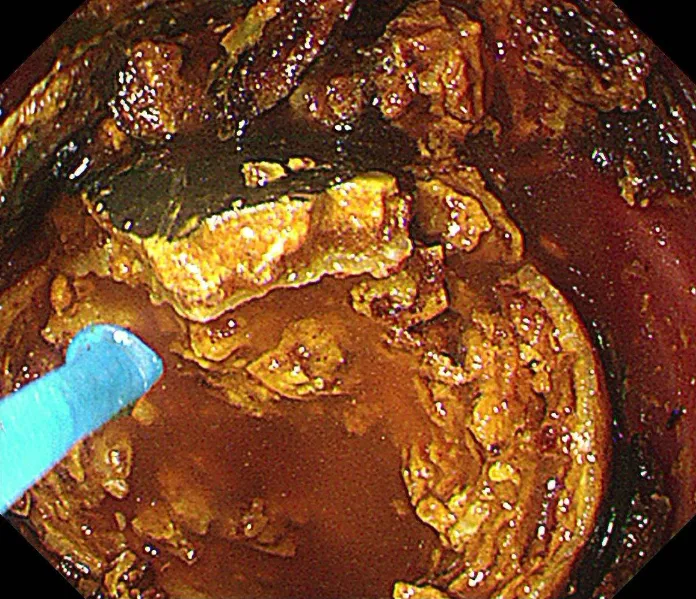
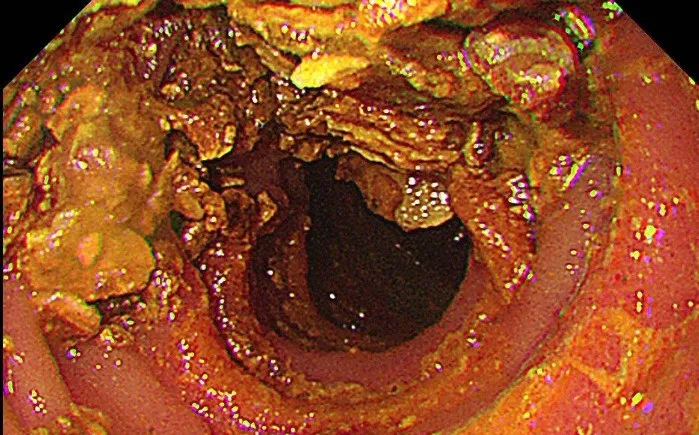
Faced with this complex case, Director Liu Jindian of the Second Gastroenterology Department immediately organized a multidisciplinary case discussion involving senior physicians from the department and surgical specialists. The team determined that the patient had developed a fistula between the gallbladder and the duodenum, allowing gallstones to migrate through the fistula into the small intestine. These stones, lodged in an unusual location, caused a mechanical small bowel obstruction. Small bowel obstruction is a common surgical emergency and typically an indication for surgery. However, due to the patient's prolonged fasting, unstable blood glucose control, advanced age, and compromised cardiopulmonary function, both surgical intervention and anesthesia carried extremely high risks. Additionally, surgery involves significant trauma and a slow recovery, leading multiple surgical teams from other hospitals to deem the case too risky. The challenge for the Second Gastroenterology Department team was how to safely and effectively remove the stones with minimal or no trauma. After a thorough evaluation considering the patient's age, underlying conditions, prognosis, and overall health, the team concluded that attempting stone retrieval or lithotripsy via small bowel endoscopy was the optimal treatment option. This approach offered significant advantages: minimal trauma, faster recovery, and little to no impact on the patient's overall condition. However, it also placed exceptionally high demands on the operator's skill, requiring exceptional endoscopic manipulation and extensive clinical experience to precisely locate the stone within the winding small intestine and safely perform retrieval or fragmentation. Following thorough preoperative preparation and effective communication with the patient and family, the procedure proceeded as scheduled. Under the guidance of Director Lu Linzhi of the Digestive Disease Center, Director Liu Jindian and Deputy Director Bian Yulong of the Second Gastroenterology Department skillfully advanced the small bowel endoscope for exploration. Through persistent effort, they finally located the offending stone at the site of the obstruction. Endoscopy revealed the stone obstructing the intestinal lumen, impacted and surrounded by edematous intestinal walls with localized pressure-induced superficial ulceration. Due to spatial constraints, retrieval with a basket or mechanical lithotripsy was not feasible. Instead, they opted for laser lithotripsy. Using a laser lithotripsy probe, they fragmented the impacted stone into fine particles until the endoscope could pass freely, resolving the obstruction. Postoperatively, the patient's abdominal distension and pain resolved, and normal diet was resumed. The fragmented stone particles were later passed naturally by the patient. A follow-up abdominal CT scan showed no residual stones in the lower abdominal small intestine, and the partial obstruction had resolved. The patient recovered fully and was discharged.


Technology Leads, Health Guarded
The successful treatment of this patient not only provided critical care but also fully demonstrates the innovative clinical thinking of our hospital’s gastroenterology physicians in managing digestive system diseases, as well as their technical expertise in the field of digestive endoscopy diagnosis and treatment. It serves as another powerful testament to the proficiency and capabilities of our hospital's gastroenterology department. The Second Gastroenterology Department will continue to uphold the patient-centered service philosophy, consistently enhance medical technical skills and service quality, safeguard the health of patients, and strive to build a first-class gastroenterology diagnosis and treatment center in the region.