Wuwei Tumor Hospital of Gansu Province The rural upper gastrointestinal cancer screening program is
Beware of the "Invisible Killer" and Safeguard the Pathways of Life
Do you occasionally experience stomach discomfort or feel a foreign body sensation when swallowing, but dismiss it as "chronic stomach issues" or "excessive internal heat"? Please be aware that these could be warning signals from our body's vital "passage of life"—the upper digestive tract.
What is the Upper Digestive Tract?
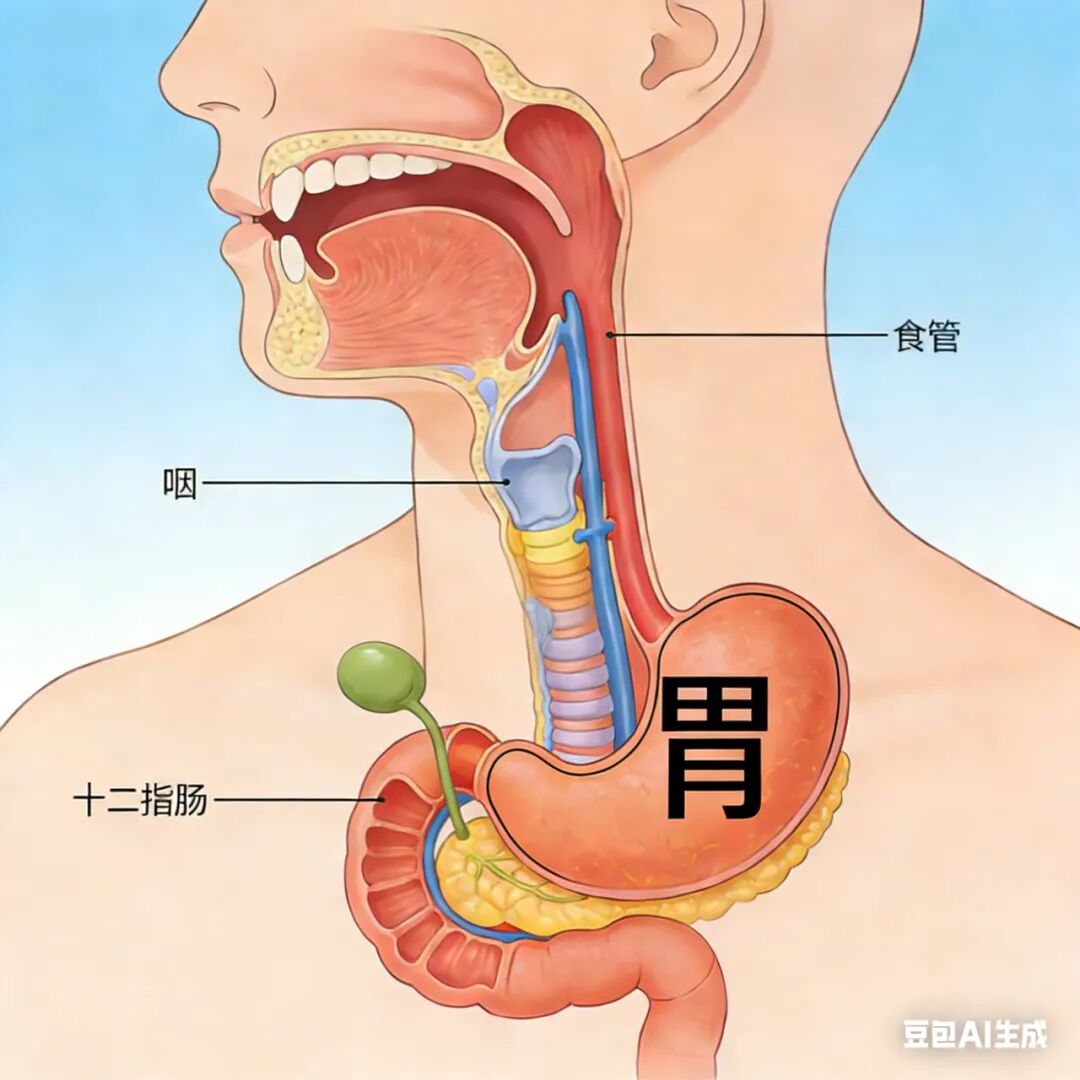
The upper digestive tract is the first "journey" food takes into our body, including the esophagus, stomach, and the upper part of the duodenum. Like a precision assembly line, it is responsible for receiving, storing, grinding, and initially digesting food.
What is upper gastrointestinal cancer?
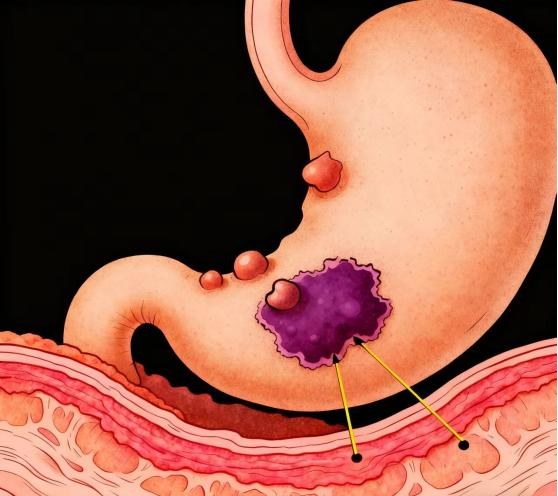
Upper gastrointestinal cancer refers to malignant tumors that develop in the mucosal lining of this tract. It does not form overnight but evolves through a multistage, long-term process. Due to the inconspicuous nature of its early symptoms, it is easily overlooked, and many patients are diagnosed only at middle to advanced stages, earning it the moniker of the "silent killer." As a nationally recognized high-incidence area for gastric cancer in China, Wuwei City exhibits significantly higher incidence rates of both gastric and esophageal cancers compared to the national average, with both ranking as the most common malignant tumors in the region. This makes the situation particularly alarming.
I. Warning Signs: Your Body May Be Sending an "Alert"
If you experience the following symptoms persistently without relief, seek medical attention promptly:
(I) Warning Signs of Esophageal Cancer:
Sensation of a foreign body when swallowing: In early stages, you may only feel obstruction, stagnation, or discomfort behind the breastbone when swallowing dry or hard foods.
Progressive difficulty swallowing: This is a typical sign. It may start with difficulty swallowing dry rice, progress to porridge or noodles, and eventually even water may become hard to swallow.
Pain behind the breastbone: A burning, stabbing, or rubbing pain behind the breastbone when swallowing.
Food reflux and choking: Regurgitation of food after swallowing, possibly accompanied by coughing (which may indicate involvement of the airway).
(II) Warning Signs of Gastric Cancer:
Discomfort or pain in the upper abdomen: Pain may shift from being regular (e.g., before meals) to persistent, irregular dull pain or bloating.
Loss of appetite and early satiety: Feeling full quickly even after eating very little, especially with an aversion to meat.
Unexplained weight loss and fatigue: Significant weight loss without intentional dieting or lifestyle changes.
Black stools or vomiting blood: A serious sign of tumor bleeding, where stools may appear black, shiny, and tar-like.
Remember: While these symptoms may also be caused by other benign conditions, if they persist for more than two weeks, a professional medical evaluation is essential.
II. High-Risk Groups: You Need to Pay Extra Attention
If you fall into the following categories, you belong to a high-risk group and should proactively undergo screening:
(I) High-Risk Factors for Esophageal Cancer:
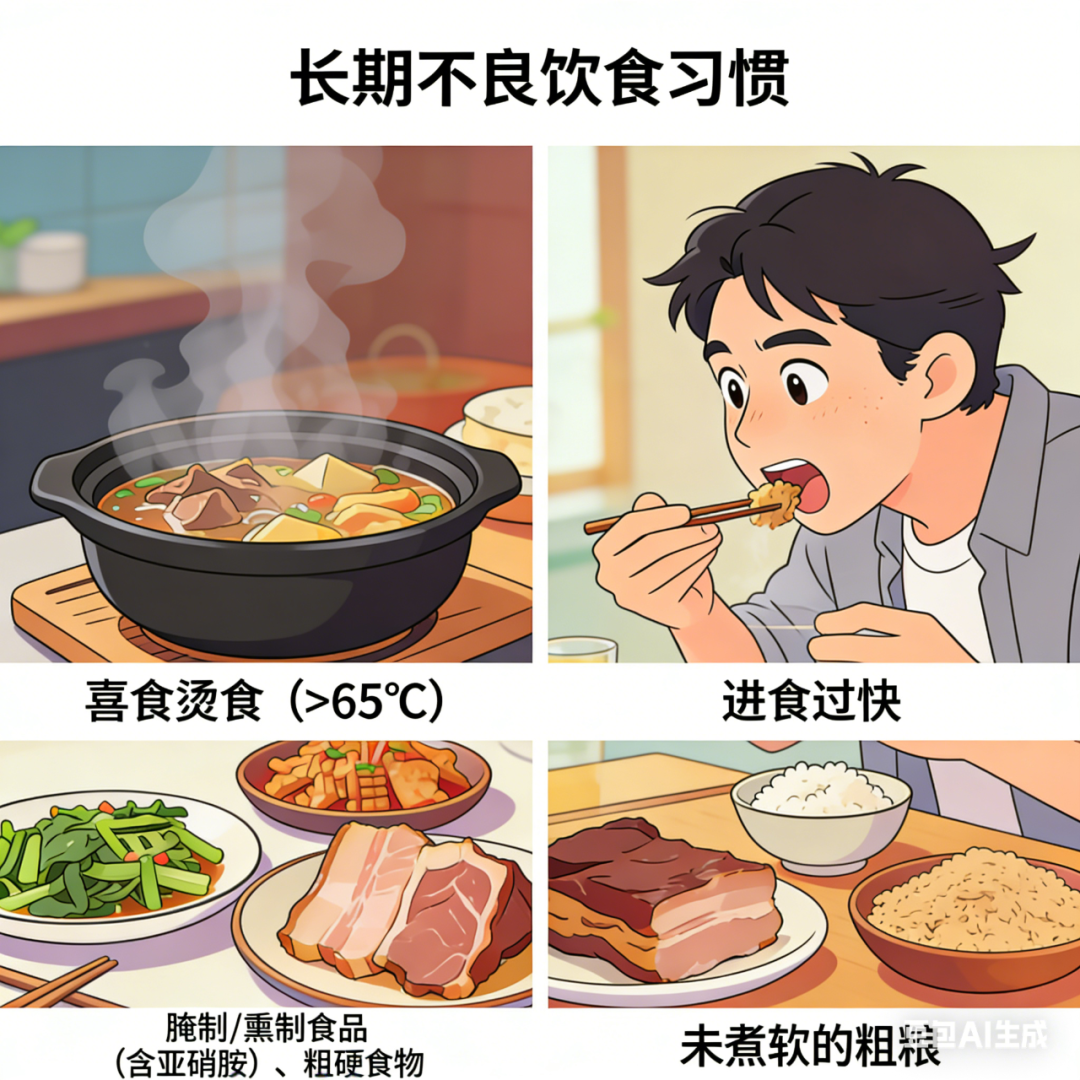
1. Long-term unhealthy eating habits: Preference for very hot foods (>65°C), preserved/smoked foods (containing nitrosamines), coarse or hard foods; eating too quickly.
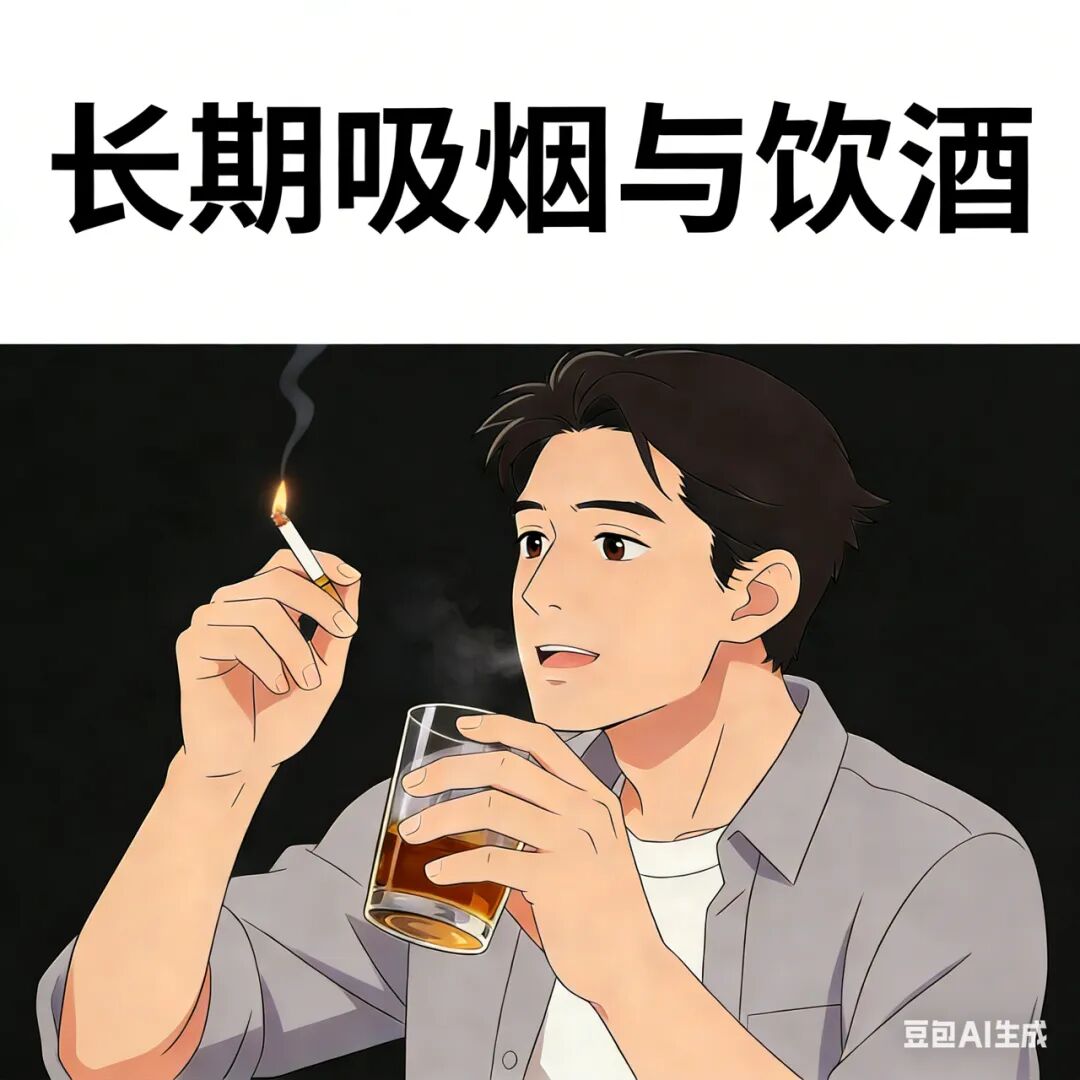
2. Smoking and alcohol consumption: Both are established strong carcinogenic factors, and their combined effect significantly increases risk.
3. Family history: Individuals with a family history of esophageal cancer face an elevated risk.
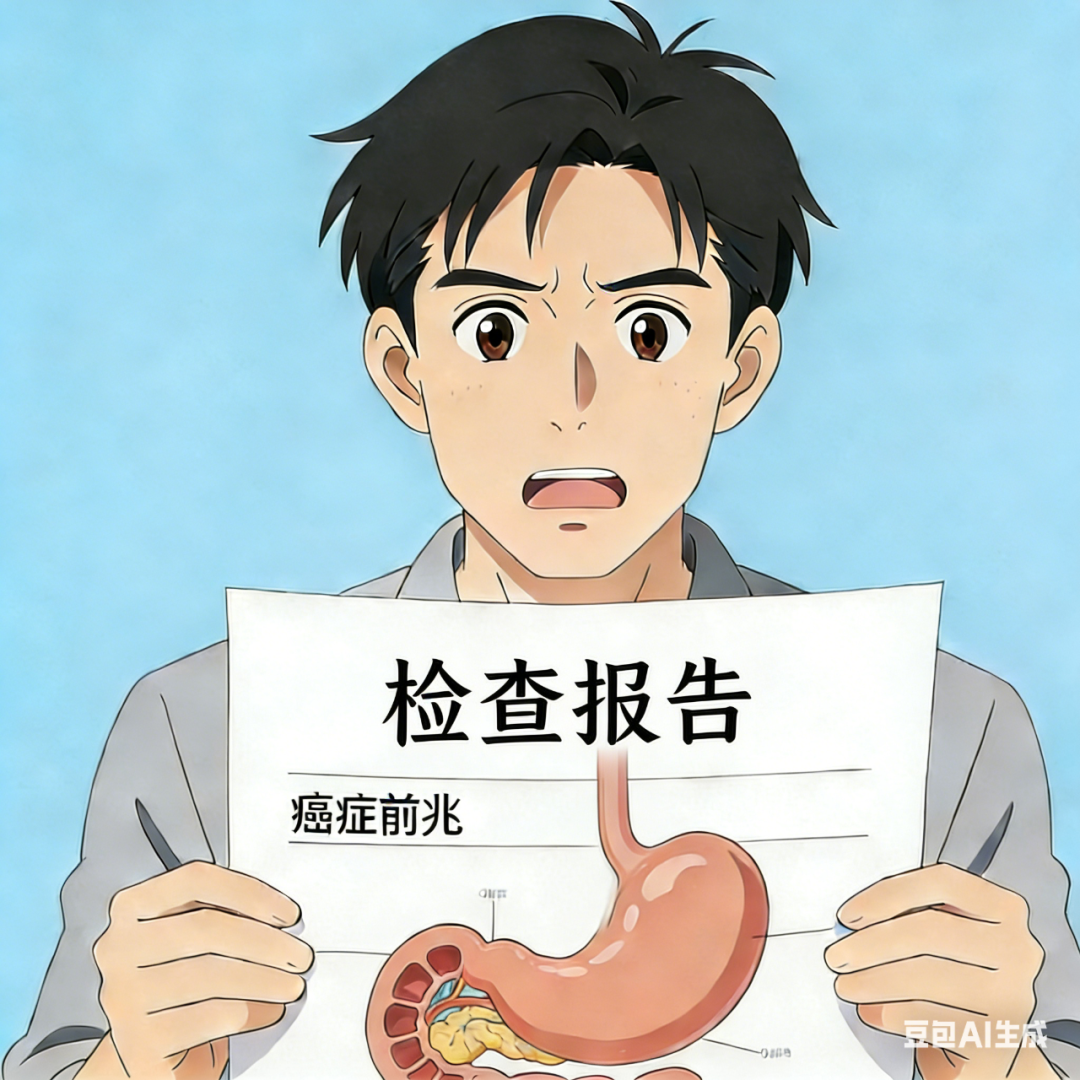
4. Pre-existing precancerous conditions: Such as Barrett's esophagus or severe dysplasia of the esophageal epithelium.
(II) High-Risk Factors for Gastric Cancer:
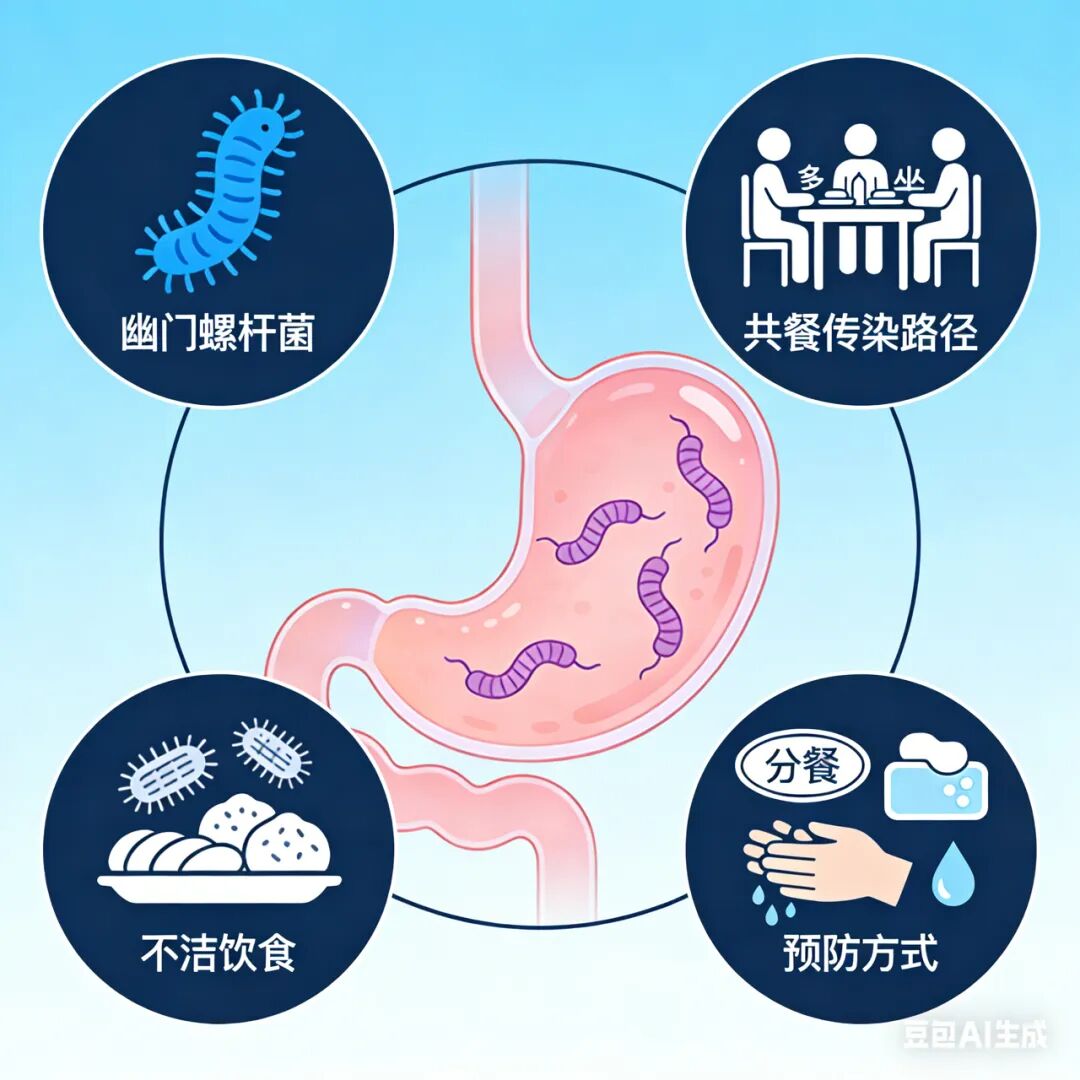
1. Helicobacter pylori infection: The most significant controllable risk factor, accounting for approximately 78% of gastric cancer cases.
2. Chronic gastric conditions: Chronic atrophic gastritis, gastric ulcers, gastric polyps, post-gastrectomy stomach, etc.
3. Poor diet and lifestyle habits: High-salt diet, consumption of preserved foods (e.g., pickled vegetables, salted fish), low intake of fruits and vegetables, smoking, alcohol consumption, overeating, etc.
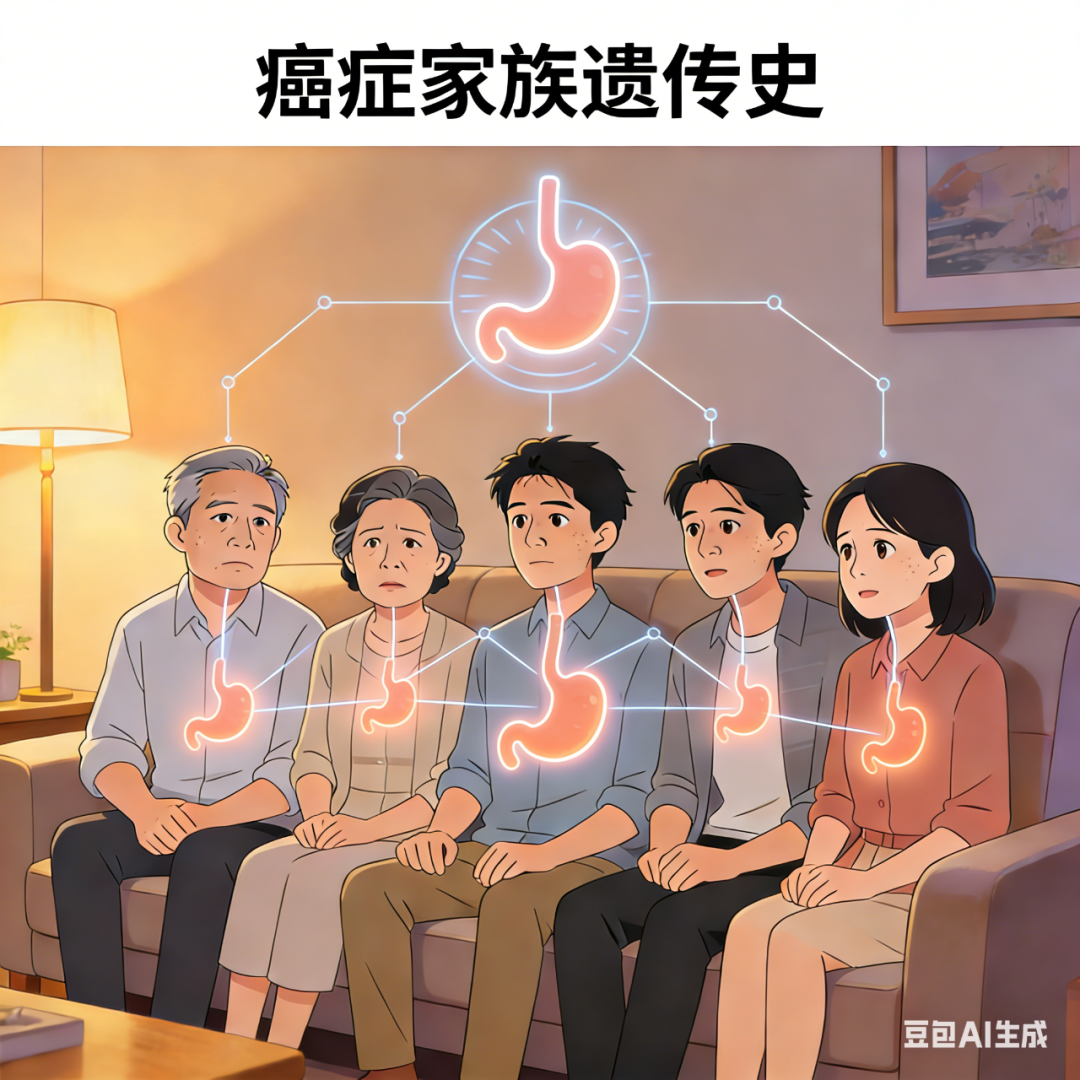
4. Family history: A history of gastric cancer in first-degree relatives (parents, children, or siblings).

III. Core Defense: Prevention and Screening Are Key
Upper gastrointestinal cancer is preventable and treatable. The golden rule to overcome it is "early detection, early diagnosis, and early treatment."
(I) Primary Prevention (Causal Prevention): Establishing a Healthy Lifestyle
1. Avoid extremely hot foods, eat slowly, and chew thoroughly: Allow food to reach a suitable temperature to reduce physical damage to the mucous membrane.
2. Improve dietary habits: Increase consumption of fresh vegetables and fruits, moderately intake high-quality protein, and reduce intake of preserved, smoked, and high-salt foods.
3. Eradicate Helicobacter pylori: If tested positive, especially with symptoms like gastritis, undergo standardized eradication treatment under medical guidance.
4. Quit smoking and limit alcohol consumption: This is crucial for preventing esophageal cancer.
5. Maintain a healthy weight and exercise regularly.
(II) Secondary Prevention (Early Screening): Seize the Golden Window for Cure
1. Gold standard for screening—Gastroscopy: This is the "gold standard" for screening upper gastrointestinal cancer. It acts like the "eyes" of the doctor, allowing direct visualization of subtle changes in the esophageal and gastric mucosa, and enabling simultaneous biopsy and removal of early lesions.
2. Screening recommendations:
- General population: It is recommended to undergo a gastroscopy starting at the age of 40. Based on the results, the doctor will determine the frequency of follow-up examinations.
- High-risk groups: Screening should begin immediately, with regular follow-ups (e.g., every 1-3 years) as advised by the doctor.
IV. Treatment and Hope: Scientific Response, No Need to Fear
If diagnosed, please do not panic. Modern medicine offers a variety of effective treatment options:
1. Early-stage cancer: Can be completely removed through minimally invasive endoscopic surgery (ESD/EMR), with a cure rate of over 90%. This approach involves minimal trauma, quick recovery, and hardly affects quality of life.
2. Mid-to-late-stage cancer: A multidisciplinary comprehensive treatment model is adopted, primarily involving surgery combined with chemotherapy, radiotherapy, targeted therapy, immunotherapy, and more. Treatment outcomes have significantly improved, and many patients can achieve long-term survival.
Upper gastrointestinal cancer is not an "incurable disease," but it is a "disease of delay." The initiative to overcome it lies in the hands of everyone who values their health.
Call to Action
Starting today, pay attention to the subtle signals your body sends and improve unhealthy lifestyle habits. If you belong to a high-risk group, please contact us promptly to schedule a gastroscopy screening. This is not just a check-up—it is the most important "health insurance" you can secure for your and your family's well-being and happiness.
Guard the passage of life, starting with the "stomach" and the "food" we eat!