Esophageal Cancer Heavy Ion Therapy Study: No Out-of-Pocket Costs, Enrollment Ongoing
Clinical Study on Zero Out-of-Pocket Heavy Ion Therapy for Esophageal Cancer: Continued Patient Enrollment
Esophageal cancer is one of the most common malignant tumors worldwide, and China is a region with a high incidence of the disease. According to 2015 data on the epidemiology of malignant tumors in China, there are approximately 246,000 new cases and 188,000 deaths from esophageal cancer each year, ranking sixth and fourth in terms of incidence and mortality, respectively. The known causes of esophageal cancer in China are closely related to dietary and lifestyle habits, including consumption of hot foods and beverages, alcohol use, smoking, as well as factors such as food mold contamination, charcoal-grilled or smoked food preparation, drinking water composition, soil components, and environmental microbiota.
According to the latest guidelines, surgery is the preferred treatment for early-stage esophageal cancer. For patients who refuse surgery or are medically unfit for surgery, concurrent chemoradiotherapy or radiotherapy alone may be considered. However, most patients are already in the middle or advanced stages at the time of diagnosis and have lost the opportunity for surgery. Comprehensive treatment based on radiotherapy and chemotherapy is the main therapeutic approach. Radiotherapy plays a critical role in the comprehensive treatment of esophageal cancer, including preoperative neoadjuvant therapy, postoperative adjuvant therapy, radical treatment, and palliative treatment. The 5-year survival rate for patients treated with radiotherapy alone is only about 10%, while concurrent chemoradiotherapy can achieve 20–40%. Due to differences in tumor biological characteristics, some tumor cells exhibit radioresistance, leading to suboptimal treatment outcomes. Therefore, local recurrence and metastasis remain the main causes of treatment failure in esophageal cancer.
Carbon ions possess superior physical and biological properties. In addition to unique physical advantages such as the Bragg peak, carbon ions also demonstrate strong biological benefits. Compared with photons and protons, carbon ions exhibit a higher linear energy transfer (LET). Their relative biological effectiveness (RBE) is more than three times that of photons, and they are unaffected by the cell cycle and oxygen effect. Damage induced by carbon ions accumulates in DNA, causing double-strand breaks that cannot be repaired by the cell, thereby killing radioresistant tumor cells while reducing radiation exposure to organs at risk.
Carbon ion radiotherapy has been successfully used to treat esophageal squamous cell carcinoma. In one Phase I/II trial, 31 patients with resectable disease received preoperative heavy ion therapy, achieving a pathological response rate of 38.7% and a clinical response rate of 41.9%. Another study from Japan reported that 38 patients with esophageal cancer treated with heavy ion therapy achieved 3-year and 5-year overall survival rates of 86% and 81%, respectively.
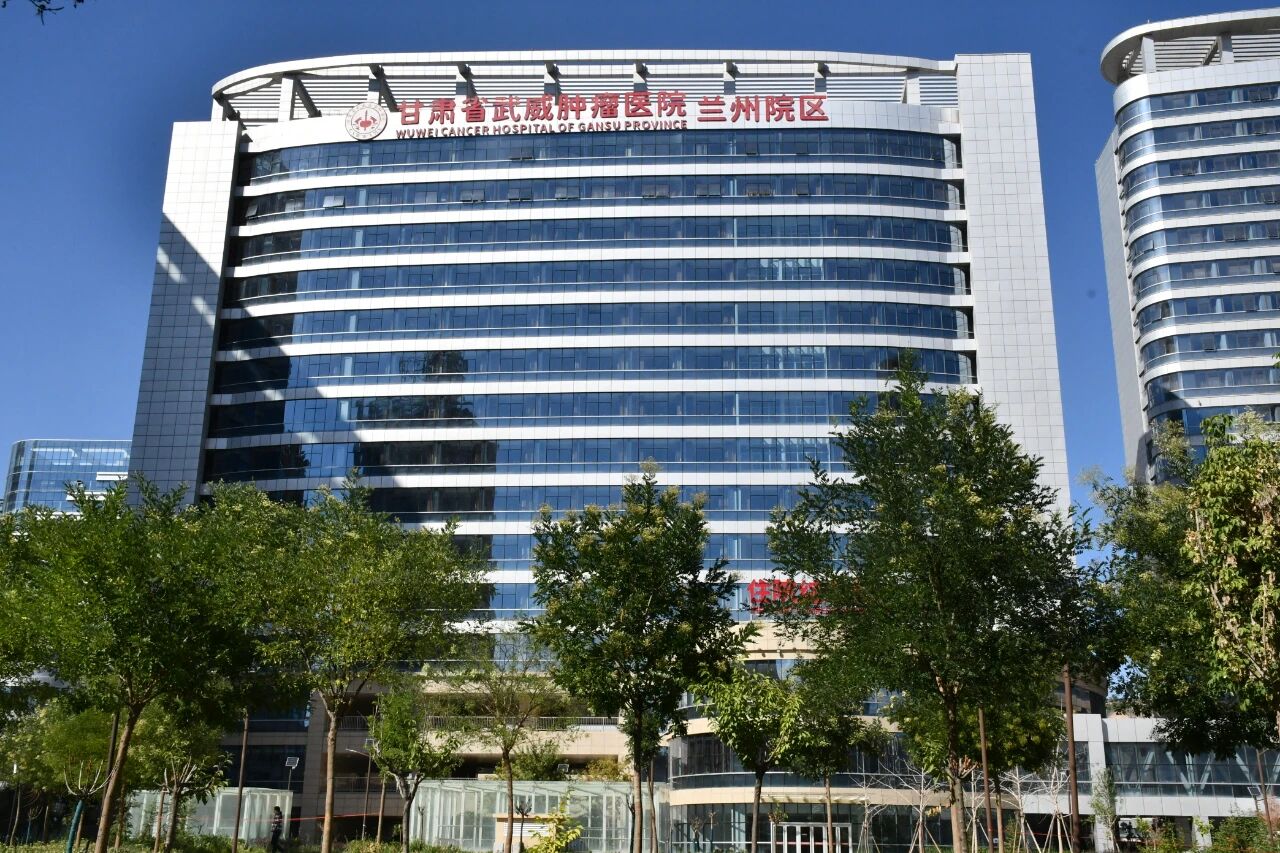
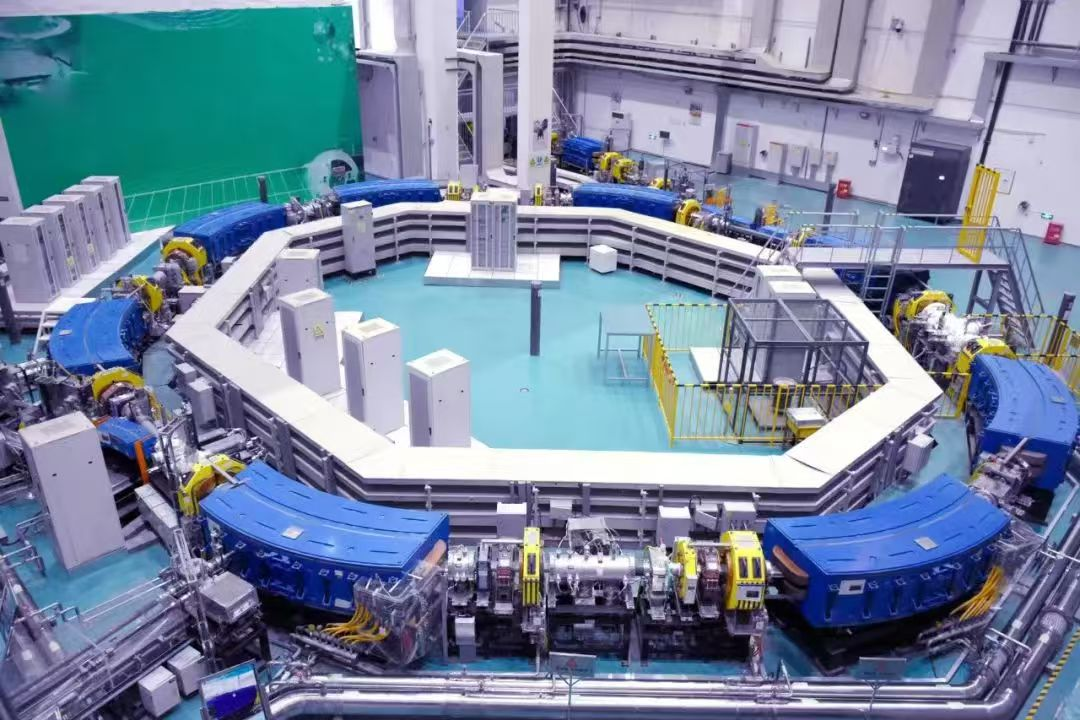
Real-world treatment cases of esophageal cancer treated with photon combined with carbon ion in our hospital
Patient Su, male, 73 years old. In February 2022, the patient experienced progressive difficulty swallowing without an obvious cause. An upper gastrointestinal series revealed: mid-esophageal carcinoma (medullary type). Gastroscopy showed: a circumferential intraluminal tumor located 26 cm from the incisors, with surface ulceration, erosion, friability, and easy bleeding. Biopsy pathology revealed: (esophagus) squamous cell carcinoma.
Diagnosis:
1. Esophageal malignancy (mid-esophagus, medullary type, squamous cell carcinoma, cT3N2M0, Stage III, KPS score: 90)
2. Coronary atherosclerotic heart disease (post-cardiac stent placement)
Treatment plan: Concurrent chemoradiotherapy
【1. Radiotherapy (photons + carbon ions), 2. Chemotherapy: Capecitabine monotherapy (oral)】
Radiation dose:
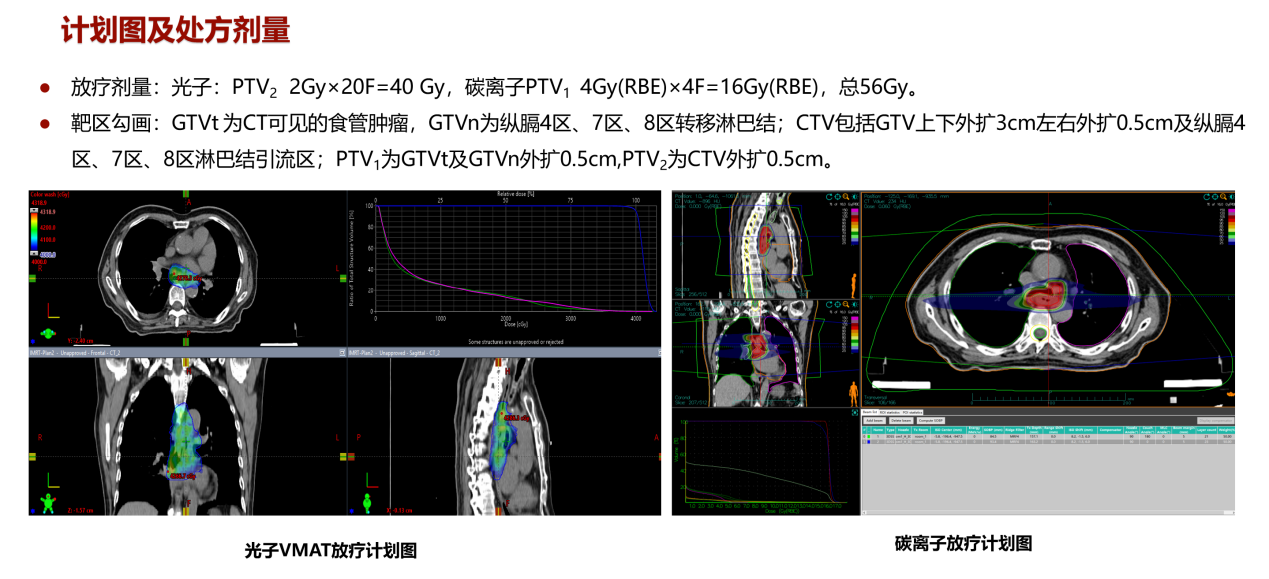
Photons (VMAT technique): PTV2 2 Gy × 20 fractions = 40 Gy
Carbon ions: PTV1 4 Gy (RBE) × 4 fractions = 16 Gy (RBE)
Total dose: 56 Gy (RBE)
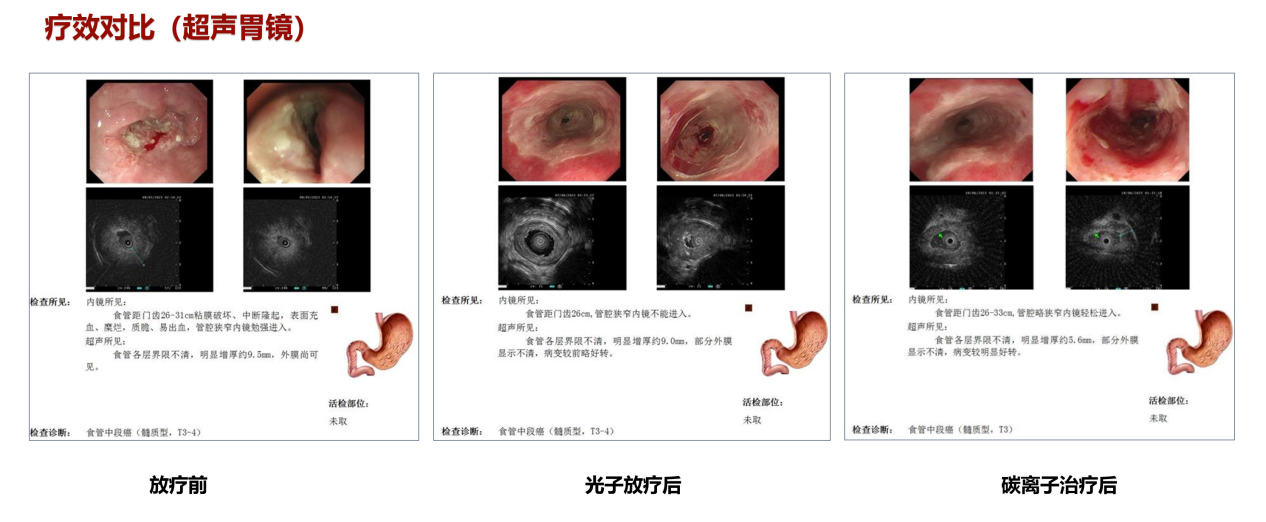
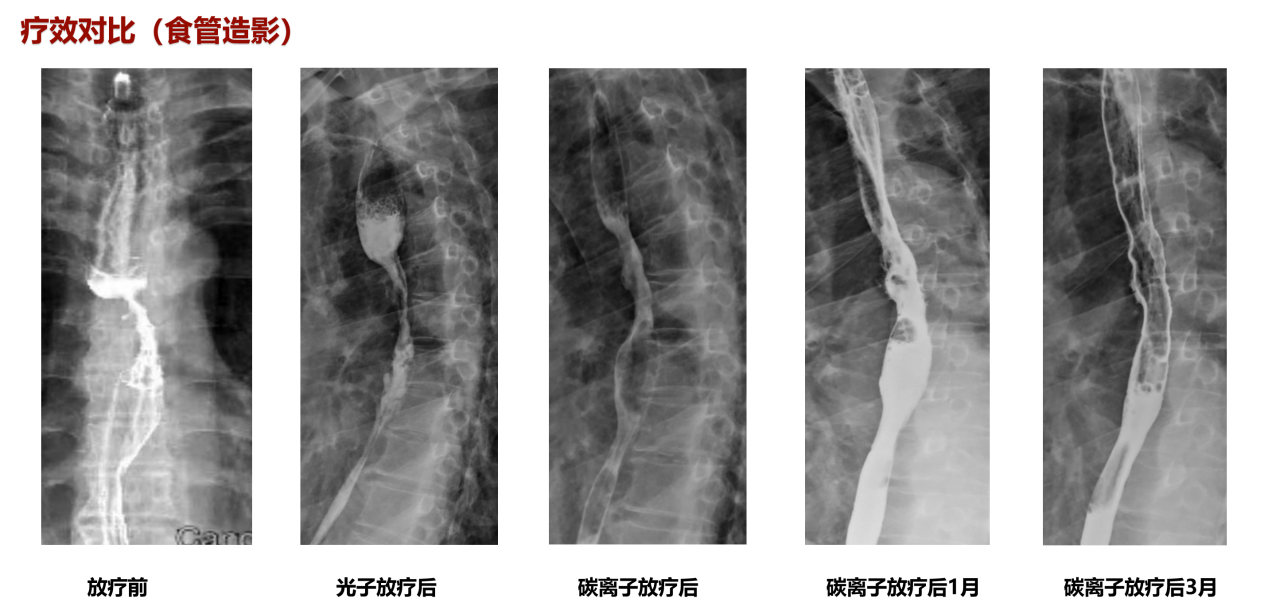
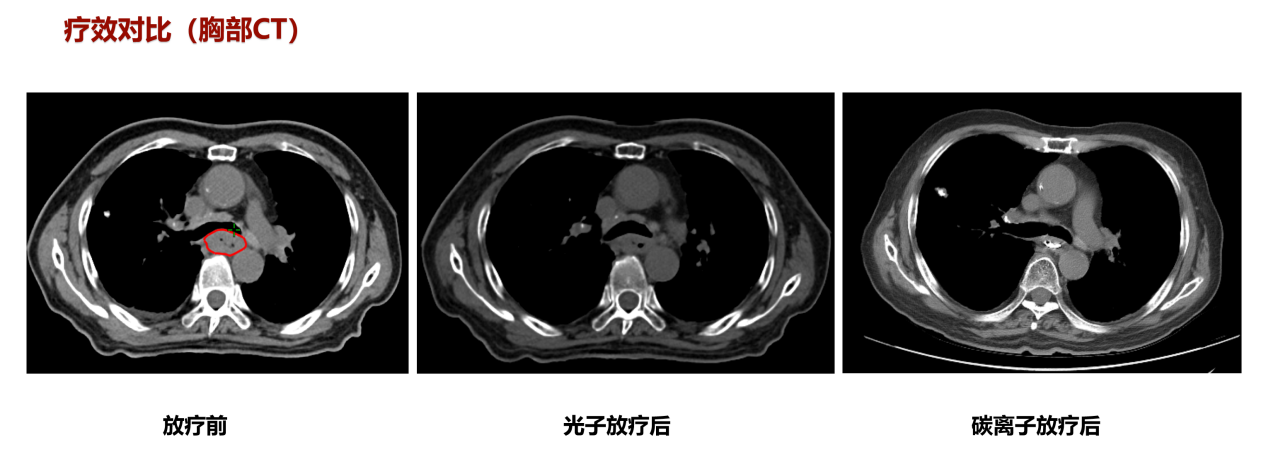
After radiotherapy, the patient's difficulty swallowing (dysphagia) improved significantly compared to before treatment. A post-radiotherapy chest CT scan showed: thickening and enhancement of the mid-to-lower esophageal wall with luminal narrowing, and unclear demarcation between the lesion and adjacent structures. Compared with previous imaging, the esophageal lesion had markedly improved, and the clinical efficacy was assessed as PR (Partial Response). Three months after radiotherapy, an esophagogram showed a patent esophageal lumen. Gastroscopy with biopsy revealed no cancer cells, and the treatment response was assessed as CR (Complete Response).
[Case provided by: Dr. Li Xiaojun, Department: First Radiotherapy Center (Lanzhou Campus)]

Phase II Clinical Study of Photon Combined with Carbon Ion Radiotherapy for Locally Advanced Esophageal Cancer
To further support the high-quality development of heavy ion therapy in China and build upon previous efforts, we are deepening clinical application research and vigorously promoting the iterative upgrading of heavy ion treatment technology. We are now launching the "Phase II Clinical Study of Photon Combined with Carbon Ion Radiotherapy for Locally Advanced Esophageal Cancer," aiming to align with international standards, establish clinical treatment standards for heavy ion therapy in esophageal cancer within China, and pursue better patient outcomes.
Research Purpose
Gansu Wuwei Cancer Hospital plans to conduct this clinical trial from May 2025 to May 2029. This study aims to explore new treatment options for patients with esophageal cancer who are not receiving surgical treatment. A total of 32 subjects are planned for enrollment. Once successfully enrolled, participants will receive treatment for a period of 6 to 7 weeks. Participation in this study will waive the costs associated with heavy ion radiotherapy.
Selection Criteria
1. Age 18–75 years (inclusive);
2. Meets the AJCC 8th edition staging criteria: cT1-4N0-3M0 (excluding cT1-2N0M0);
3. Has not received prior radical radiotherapy or surgical treatment for esophageal cancer;
4. Normal liver and kidney function;
5. Normal bone marrow function;
6. Cardiopulmonary function sufficient to tolerate radiotherapy.
The above criteria are the main inclusion criteria. Final eligibility for enrollment will be determined by the investigator in accordance with the study protocol.
Exclusion Criteria
1. Esophageal malignancy without pathological confirmation;
2. Dose constraints for organs at risk cannot be met;
3. High risk of esophageal perforation;
4. Presence of abdominal lymph node metastasis;
5. Implantation of metal devices that may affect dose distribution or compromise radiotherapy safety (e.g., pacemakers);
6. Absolute contraindications to radiotherapy.
Note: Final eligibility for enrollment will be determined by a multidisciplinary team (MDT) assessment.
Patient Rights
1. The hospital will provide research funding to the expert team to cover patients' heavy ion treatment costs.
2. A multidisciplinary expert team (MDT) for esophageal cancer research will develop a personalized treatment plan.
3. After treatment, you will receive close follow-up, and we will provide subsequent treatment recommendations.
Contact Information
Contact Person: Li Xiaojun, Lanzhou Campus of Gansu Wuwei Cancer Hospital, +86 13150160200