From "Turning Pale at the Mention of Surgery" to "Getting Out of Bed with Ease"
From "Turning Pale at the Mention of Surgery" to "Getting Out of Bed with Ease"—Old Li's Journey to Gallbladder Disease Recovery
Patient Old Li's account: Recently, I’ve been hearing a lot about new technologies—ultra-minimally invasive single-port scarless cholecystectomy and ultra-minimally invasive single-port scarless endoscopic gallbladder-preserving stone removal. At first, I thought these were just lofty concepts built from a pile of medical terms. It wasn’t until I experienced it myself that I truly realized this isn’t merely a change in surgical methods; it feels more like a gentle response from modern medicine to the quality of life.
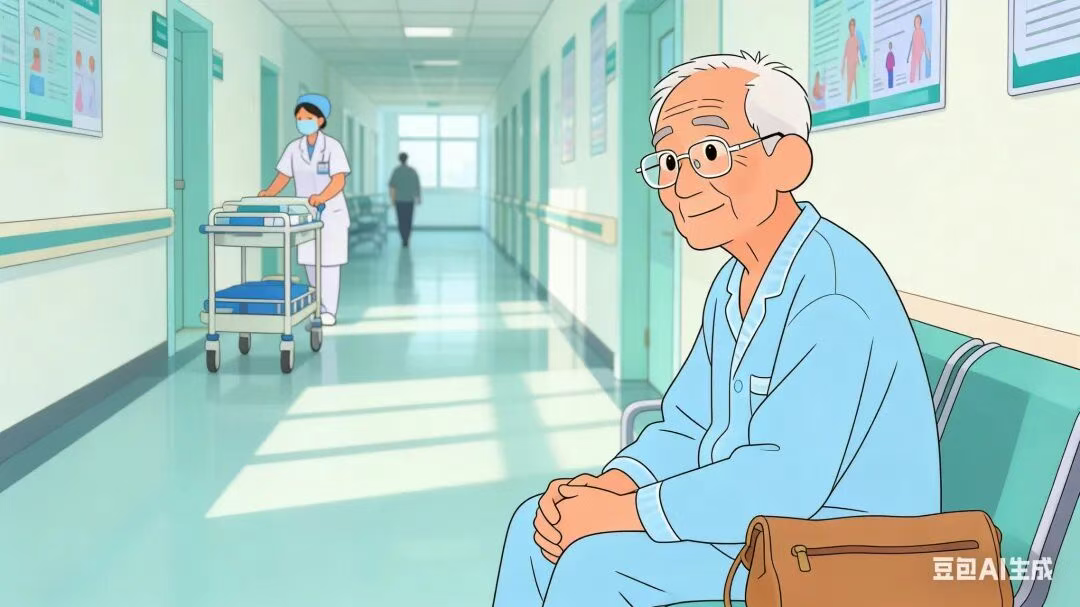
Old Li has always loved eating—hot pot, barbecue, spicy chicken, all in rotation—but his medical checkup reports have grown increasingly worrisome year after year. Last month, he suddenly experienced pain in the upper right abdomen and was rushed to the hospital. The diagnosis: gallbladder stones with acute inflammation. The doctor recommended removal. The moment he heard the word "surgery," he shuddered, picturing himself lying still with tubes inserted. Director Xing Wenjun of the Second Hepatobiliary Surgery Department (Hepatobiliary Center) at Wuwei Cancer Hospital told him, "There’s no need for traditional surgery now. We just make a small incision near the navel, and after the procedure, the scar is almost invisible."
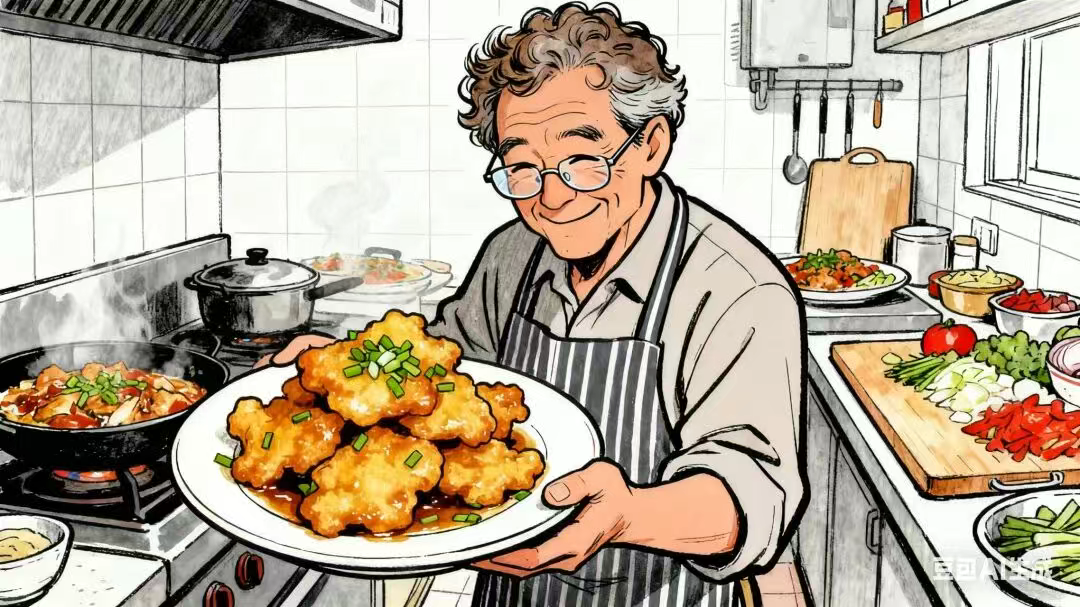
On the afternoon of the surgery, he was already able to get out of bed and move around on his own, speaking with vigor. Old Li took a sip of water (patients are allowed to drink water on the afternoon of the surgery) and said the most amazing part was the wound—located right at the navel, it looked like a natural fold, barely noticeable unless examined closely. The doctor also mentioned that if the stones are detected early and the gallbladder is still functioning well, it’s even possible to remove only the stones using single-port laparoscopic endoscopy without cutting out the gallbladder, preserving the organ entirely. This is known as "endoscopic gallbladder-preserving stone removal."
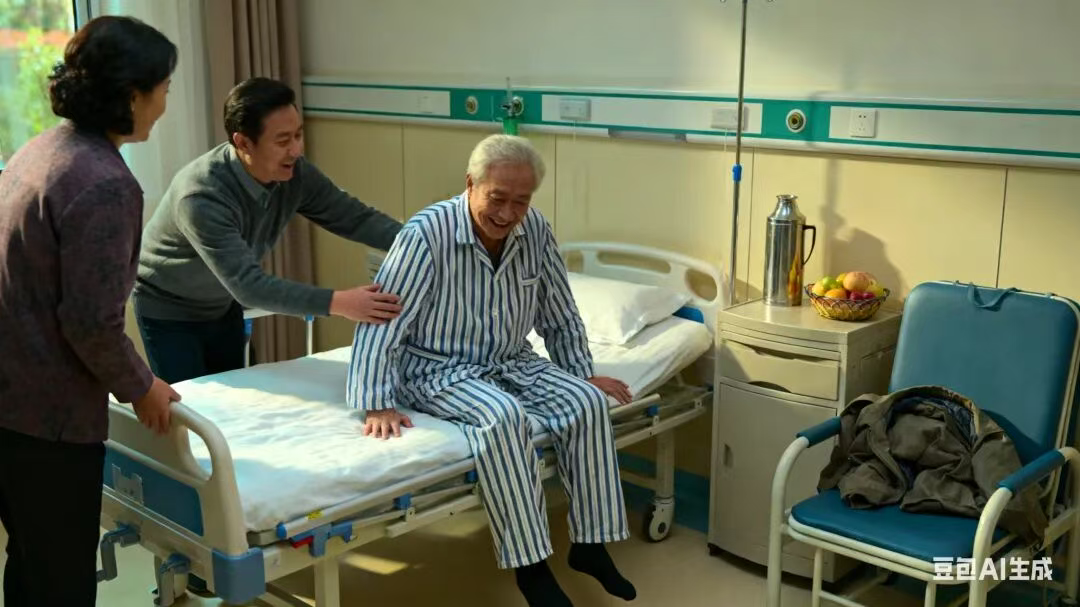
Hearing this, Old Li suddenly felt that medical progress isn’t just about extending life but also about allowing people to live with dignity, ease, and comfort even after falling ill. In the past, we feared illness, hospitalization, and the long scar etched into our bodies like tree rings. Now, technology is quietly erasing that fear bit by bit. Director Xing Wenjun and his team at the Second Hepatobiliary Surgery Department (Hepatobiliary Center) of Wuwei Cancer Hospital have aestheticized and ultra-minimally invasivized surgical procedures.

Perhaps one day in the future, when we talk about "having undergone surgery," our tone will be as casual as saying "I got a haircut yesterday." When that day comes, we will appreciate not only the skill of the doctors but also the gentle care of this era, which strives to minimize suffering for every ordinary person.