Department of Radiotherapy II, Wuwei Heavy Ion Center, Wuwei Cancer Hospital, Gansu
Specialized in Heavy Ion Therapy for Thoracic Tumors
Department Slogan:Precisely Targeting Tumor Cells, Letting the Light of Life Shine Freely
Ⅰ. Department Overview and Positioning
The Department of Radiation Oncology, as a flagship specialty of Wuwei Cancer Hospital in Gansu Province, was established in 1990 and has since developed over the past 30-plus years. Through the dedicated efforts of generations of radiation oncology professionals, it has grown into a nationally recognized and reputable department. In 2018, the hospital successfully introduced advanced heavy ion radiotherapy technology. To further advance the development of the radiation oncology discipline, the entire department has worked tirelessly and contributed passionately. As a result, in 2019, it was designated as a Key Discipline of Gansu Province.The Department of Radiotherapy II (Heavy Ion Center) at Wuwei Cancer Hospital, Gansu Province, is a modern, comprehensive oncology radiotherapy specialty that integrates clinical diagnosis and treatment, scientific research and innovation, and talent cultivation. The department specializes in the comprehensive treatment of thoracic tumors and bone/soft tissue tumors, primarily utilizing heavy ion and photon radiotherapy. This includes the radiotherapy and multidisciplinary management of a wide range of malignant tumors, such as lung cancer, esophageal cancer, thymoma, breast cancer, osteosarcoma, and soft tissue sarcoma.With a patient-centered philosophy and a commitment to achieving optimal therapeutic outcomes, the department leverages a robust platform that closely integrates modern imaging technology with advanced radiotherapy techniques to enable precise and targeted cancer treatment.Upholding core values of patient-first care, precision and professionalism, innovation and excellence, a strong emphasis on medical safety and quality, empathy and ethical responsibility, and teamwork, the department takes heavy ion radiotherapy as its core modality, complemented by advanced technologies such as photon radiotherapy, to provide patients with high-precision, individualized treatment plans.
II. Talent Team and Academic Structure Team Size
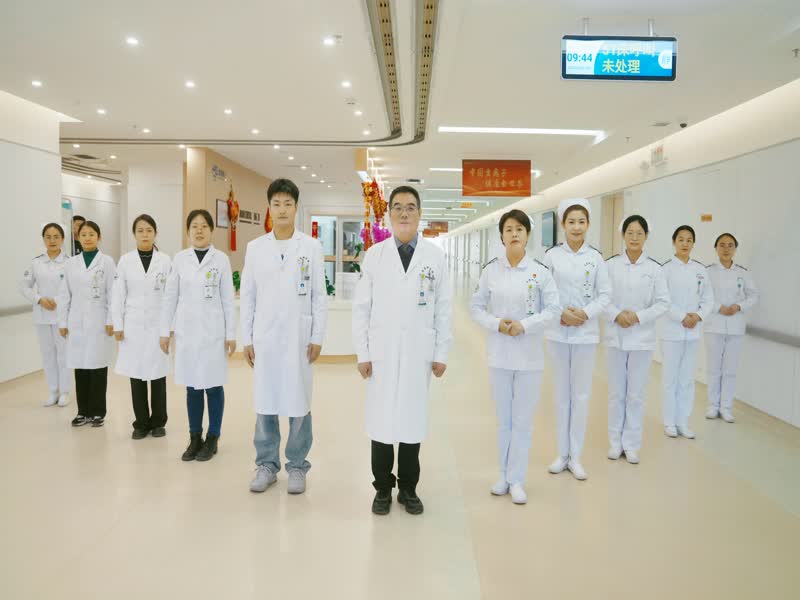
The department currently has a total of 15 staff members, forming a well-structured and highly skilled medical team. The medical team consists of 7 physicians, including 1 chief physician, 3 attending physicians, and 3 resident physicians, among whom 3 hold master’s degrees. The nursing team comprises 8 members, including 1 associate chief nurse, 3 senior nurses, 2 nurses, and 3 registered nurses. Core Experts: The head of the discipline is Dr. Chen Dongji, Chief Physician, Vice President and Chairman of the Labor Union at Gansu Heavy Ion Hospital, and Director of the Department of Heavy Ion Radiotherapy for Thoracic Tumors and Bone/Soft Tissue Tumors (Department of Radiotherapy II). With over 30 years of experience in radiotherapy, Dr. Chen has studied and trained at internationally renowned oncology institutions, including the Proton Therapy Center in Munich, Germany, Cancer Hospital of the Chinese Academy of Medical Sciences, PLA General Hospital (301 Hospital), and Sichuan Cancer Hospital. He currently serves in multiple national and provincial academic positions, including:
•Secretary of the Bone and Soft Tissue Tumor Group, Radiation Oncology Branch, Chinese Medical Association
•Committee Member of the Ion Therapy Group, Radiation Oncology Committee, Chinese Anti-Cancer Association
•Committee Member, Ion Radiotherapy Branch, China Medical Equipment Association
•Council Member, Western Radiation Oncology Association
•Deputy Director, Tumor Radiotherapy Committee, Gansu Provincial Traditional Chinese Medicine Association
Dr. Chen boasts extensive clinical experience in tumor radiotherapy, chemotherapy, hyperthermia, and comprehensive oncology treatments. He has particular expertise in carbon ion radiotherapy, intensity-modulated radiotherapy (IMRT), stereotactic radiotherapy, as well as immunotherapy and targeted therapies, and is recognized as a distinguished expert in the field of oncology treatment in the region. The department has also appointed several internationally renowned experts as long-term advisors, including:
•Professor Jörg Hauffe, from the Munich Proton and Heavy Ion Therapy Center in Germany
•Professor Hirohiko Tsujii, known as the “pioneer of global heavy ion therapy”
•Professor Shen Wenjiang, Lifetime Honorary Professor of the Department of Radiation Oncology at Peking University Health Science Center
•Professor Ren Yimin and Professor Wu Jiaming, esteemed radiation oncology authorities from Taiwan, China
•Professor Wang Junjie, 10th Director of the Radiation Oncology Committee of the Chinese Medical Association
•Professor Fan Ruitai, Director of the Radiation Oncology Committee of the Henan Medical Association •Professor Yu Zhilong, Director of the Radiation Oncology Committee of the Inner Mongolia Medical Association
•Professor Lan Shengmin, Director of the Radiation Oncology Committee of the Shanxi Medical Association
•Professor Zhao Ren, Director of the Radiation Oncology Committee of the Ningxia Medical Association
These experts regularly provide clinical guidance, engage in research collaborations, and facilitate technical exchanges with the department. Talent Development: In terms of team building, the department places strong emphasis on the cultivation and recruitment of young and mid-career physicians. Three team members have pursued or been awarded master’s degrees. Staff members have been dispatched for advanced training to internationally and nationally renowned oncology centers, including the RPTC Center in Germany, Cancer Hospital of the Chinese Academy of Medical Sciences, Shanghai Proton and Heavy Ion Center, PLA General Hospital (301 Hospital), Peking University Third Hospital, Sichuan Cancer Hospital, and Zhejiang Cancer Hospital. By continuously learning and implementing the latest technologies and treatment protocols in oncology, the department enhances the standard of comprehensive cancer care, striving to achieve optimal therapeutic outcomes while maximizing patients’ quality of life. This commitment drives the department’s dynamic growth and establishes it as a leading brand specialty. The department also regularly invites Professor Ren Yimin, former Director of the Radiation Oncology Department at Tri-Service General Hospital in Taiwan, China, and former President of the Taiwan Radiation Oncology Society, to participate in clinical rounds, consultations, and discussions on complex cases. Additionally, Professor Wei Shihong, Director of the Department of Radiation Oncology at Gansu Provincial People’s Hospital, serves as an in-province advisory expert, supporting the department’s academic development and quality improvement initiatives. Nursing Team: Nurses play an irreplaceable and vital role in the recovery journey of cancer patients. Their professionalism is reflected across multiple dimensions, including comprehensive care management, symptom control, psychological support, and functional rehabilitation guidance. They are the core members of the multidisciplinary team (MDT) who are closest to and consistently accompany patients throughout their treatment. The department’s nursing team consists of 9 members, including 1 associate chief nurse, 3 senior nurses, 2 nurses, and 3 registered nurses, all of whom have undergone systematic training in oncology nursing. With a strong sense of responsibility and compassion, they provide holistic nursing services, encompassing pre-radiotherapy preparation, real-time monitoring during treatment, and post-radiotherapy rehabilitation guidance, ensuring continuous, high-quality care for every patient.
III. Scope of Diagnosis & Treatment and Technical Features
Primary Scope of Diagnosis and Treatment:The department specializes in heavy ion radiotherapy and photon (conventional) radiotherapy for thoracic tumors and bone/soft tissue tumors, including but not limited to:
•Esophageal cancer
•Lung cancer
•Thymic tumors
•Breast cancer
•Bone tumors
•Soft tissue tumors
In addition, the department also utilizes heavy ion radiotherapy to treat certain benign conditions, such as bone tumors and vascular malformations. Core and Featured Technologies:The department offers a comprehensive range of internationally recognized advanced radiotherapy techniques, including:
•Heavy Ion Radiotherapy
•Spatially Fractionated Radiotherapy (Lattice Radiotherapy)
•Stereotactic Radiosurgery (SRS)
•Stereotactic Body Radiotherapy (SABR/SBRT)
•Volumetric Modulated Arc Therapy (VMAT)
•Static Intensity-Modulated Radiotherapy (IMRT)
•Image-Guided Radiotherapy (IGRT)
•Three-Dimensional Conformal Radiotherapy (3D-CRT)
•Three-Dimensional Brachytherapy (High-Dose-Rate Brachytherapy)
•Deep Hyperthermia
•External Superficial Hyperthermia
The department adheres to the treatment philosophy of “comprehensive therapy and individualized strategy”, integrating radiotherapy with surgery, immunotherapy, targeted drug therapy, chemotherapy, and traditional Chinese medicine (TCM) to develop standardized, full-course management treatment plans tailored to each patient.Since its establishment in July 2021, the department has successfully completed over 400 cases of heavy ion radiotherapy and has treated a cumulative total of more than 3,000 cancer patients of various types. The treatment outcomes have been remarkable, earning wide recognition and trust from patients and their families.
New Diagnostic and Therapeutic Technologies in the Department of Radiotherapy II
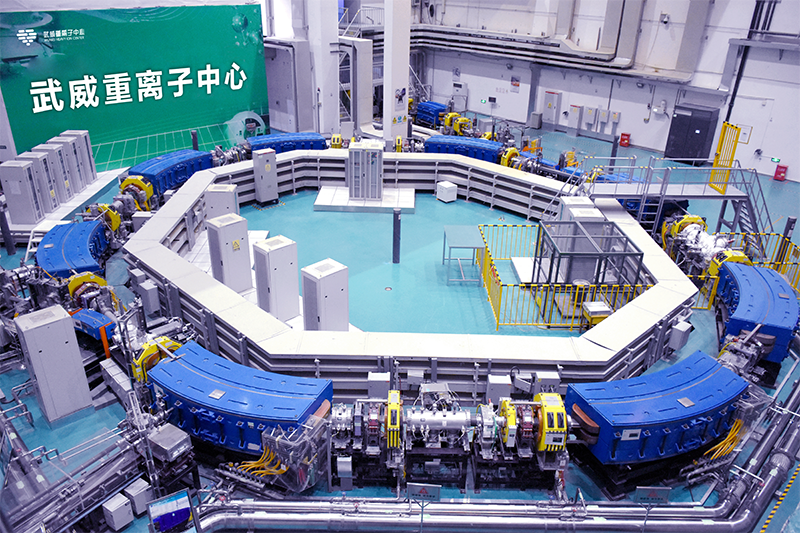
Heavy Ion Radiotherapy for Cancer is an advanced and highly effective method of radiation treatment, internationally recognized as the most ideal tumor radiotherapy technology of the 21st century. It is particularly suitable for refractory cases where surgical treatment, chemotherapy, or conventional radiotherapy have proven ineffective or prone to recurrence, and is applicable to the radiotherapy of solid tumors throughout the body.When heavy ion radiation enters the human body, it forms a "Bragg peak" at the tumor site, where energy is intensely and precisely released. This causes irreparable double-strand breaks in the DNA of tumor cells, leading to their destruction.Compared to conventional radiotherapy, heavy ion beams exhibit stronger biological effects, demonstrating notable efficacy against hypoxic tumor cells and tumors that are less sensitive to traditional radiotherapy. Additionally, heavy ion therapy offers significant advantages such as minimal damage to surrounding healthy tissues, excellent tumor cell-killing capability, and allows patients to maintain normal daily activities. The treatment course is short, painless, and associated with almost no side effects.
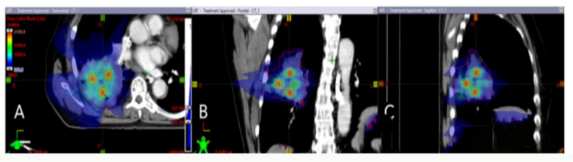
Lattice Radiotherapy
Lattice radiotherapy is an emerging precision radiotherapy technique that utilizes a three-dimensional grid-like dose distribution to create a non-uniform dose pattern within the tumor through spatially fractionated radiotherapy (SFT).
High-dose “lattice points” are strategically concentrated within the tumor, forming a “peak-and-valley” structure. This approach enables highly efficient destruction of tumor cells while sparing surrounding healthy tissues through the lower-dose regions.
This three-dimensional dose distribution breaks away from the conventional uniform irradiation model used in traditional radiotherapy. By significantly reducing radiation damage to adjacent organs, it establishes an alternating pattern of high-dose lattice points and low-dose zones within the tumor, achieving precise targeting of tumor cells while maximally protecting the surrounding normal tissues.
Stereotactic Radiotherapy (SRT) / Stereotactic Body Radiotherapy (SBRT)
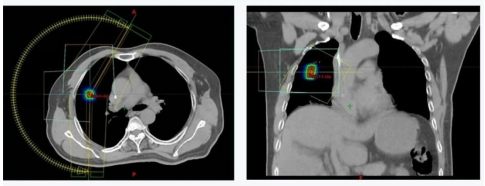
Stereotactic radiotherapy is an advanced radiation therapy technique that utilizes advanced imaging technologies such as CT, MRI, and PET-CT to precisely determine the location, size, and shape of the tumor, with errors typically controlled within the millimeter range. This ensures that the radiation beams are accurately focused on the tumor target area.
In a short period of time, the tumor is delivered a high dose of radiation, with relatively large single-fraction doses (usually 5–12 Gy per session) and a small number of treatment fractions (generally 2–10 sessions). This approach enables the rapid destruction of tumor cells, with an effect similar to surgical resection.
Thanks to its high precision and high-dose characteristics, stereotactic radiotherapy can effectively reduce damage to surrounding normal tissues and minimize side effects such as nausea, fatigue, and skin reactions, resulting in better patient tolerance.
Intensity-Modulated Conformal Radiotherapy (IMRT)
Intensity-Modulated Conformal Radiotherapy is an advanced radiation therapy technique that combines the advantages of conformal radiotherapy and intensity-modulated radiotherapy (IMT).
Using technologies such as multi-leaf collimators (MLCs), it enables the shape of the radiation beam’s field to precisely match the three-dimensional shape of the tumor, ensuring that the radiation covers only the tumor area and minimizes exposure to surrounding healthy tissues.
Building on the foundation of conformal radiotherapy, it further adjusts the intensity distribution of the radiation beams. Through computer algorithm optimization, and based on the sensitivity of the tumor in different locations as well as the position of nearby normal tissues, it achieves precise control over the radiation dose. This results in a more uniform dose distribution within the tumor while reducing the radiation dose delivered to adjacent critical organs—such as the spinal cord, brainstem, and optic nerves.
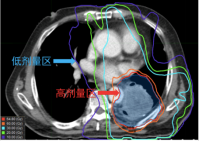
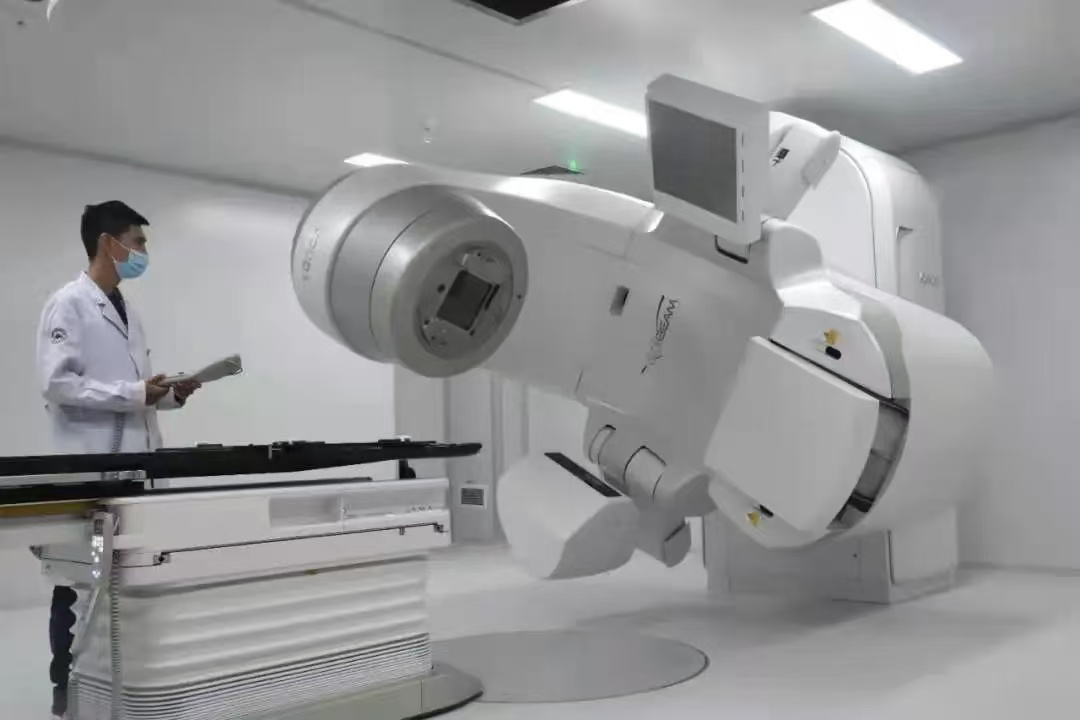
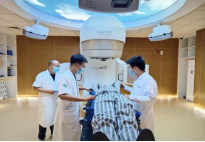
Image-Guided Radiotherapy (IGRT)
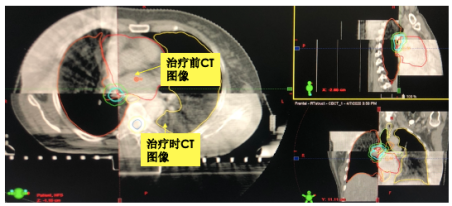
Image-Guided Radiotherapy (IGRT) integrates radiotherapy with real-time imaging monitoring. By utilizing advanced imaging modalities such as optical surface imaging, ultrasound, cone-beam CT (CBCT)/CT, and MRI, it enables the real-time tracking of changes in tumor position and shape, thereby enhancing the precision of treatment.
Through real-time monitoring, IGRT can promptly detect and correct any deviations that may occur during treatment, reducing the risk of damage to surrounding healthy tissues.
This technique is particularly suitable for cases where the tumor location is not fixed or its shape is prone to change, such as lung cancer and liver cancer. Additionally, IGRT has shown favorable outcomes in the treatment of recurrent tumors and cases requiring high-precision radiotherapy.
IV. Hardware Facilities and Research Platform
Advanced Equipment:
The department has introduced a number of internationally advanced large-scale medical instruments, including:
•China’s first domestically developed heavy ion accelerator
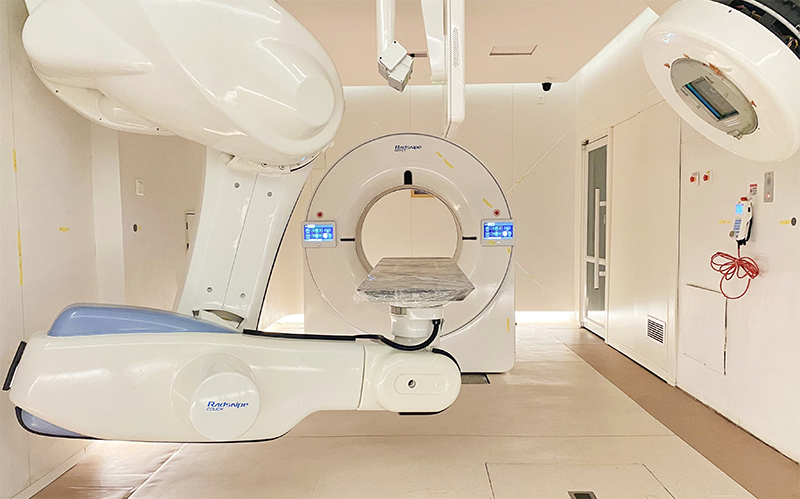
•Varian VitalBeam linear accelerator
•Varian Clinac iX linear accelerator
•Elekta Infinity four-dimensional image-guided linear accelerator
•GE Discovery MI large-iteration PET-CT scanner
•Siemens MAGNETOM Skyra 3.0T superconducting MRI simulation and positioning system
•Siemens Somatom Confidence 64-slice simulation and positioning CT scanner
- Together, these state-of-the-art devices form a complete high-precision radiotherapy platform, laying a solid foundation for clinical treatment.
Scientific Research:
- To date, the department has been awarded:
•3 provincial-level Science and Technology Progress Awards
•2 municipal-level First-Class Science and Technology Awards
•5 municipal-level Second-Class Science and Technology Awards
- It has also published over 30 academic papers, demonstrating its strong capabilities in clinical research.
Teaching and Training:
- Radiotherapy is a high-precision, high-risk “invisible surgery.” Due to rapid advancements in equipment and the extreme sensitivity of treatment—where even a 1 mm deviation in the target area can lead to tumor recurrence or perforation of normal organs—systematic teaching and training are the essential safeguards that ensure technical knowledge is translated into safe and effective treatment.
- They are also the core foundation for the department’s sustainable development, talent cultivation, and the assurance of patients’ quality of life.
- The department places great emphasis on teaching and training, adopting a model that combines theoretical instruction with hands-on clinical practice. This approach has continuously produced a number of outstanding radiotherapy physicians, while also placing strong focus on the development of professional ethics and medical integrity among clinicians. These efforts serve as a powerful driving force for the advancement of the radiotherapy field.
V. Service Philosophy and Patient Care
The Department of Radiotherapy II (Heavy Ion) boasts a strong team of technical experts, follows scientific and rigorous quality management, and has always adhered to the service philosophy of “Patient-Centered, Technology-Driven, and Quality-Core.” By integrating advanced treatment technologies, strict quality control, and humanistic care, the department strives to provide safe, efficient, and compassionate medical services to every cancer patient.
The department has achieved excellent therapeutic outcomes in the field of comprehensive cancer treatment, earning widespread acclaim for its treatment standards, medical quality, and professional ethics. We are committed to continuing to serve patients with exquisite technical skills, high-quality services, and noble medical ethics.
VI. Contact Information and Visiting Guide
•Department Location:2nd Floor, Building 4, Heavy Ion Center, Wuwei Academy of Medical Sciences Cancer HospitalPhone: 0935-6969054
•Outpatient Clinic Location:Room 319, 3rd Floor, Outpatient Building, Central Campus of Wuwei Academy of Medical Sciences Cancer Hospital